Can Rabbits Eat Basil? Types, Safety & Feeding Guide
Published on: April 30, 2026 | Last Updated: April 30, 2026
Written By: Caroline Mae Turner
Howdy y’all. Yes, rabbits can eat fresh basil, and I’ve fed it to my herd for seasons as a tasty, safe herb when you mind the portion size. That nagging worry about whether your garden bounty might upset a bunny’s belly? Let’s put it to rest right now.
What you’ll need:
- A handful of fresh, unsprayed basil
- A clean surface for rinsing and prepping
- About five minutes of your time
- That good old common sense about animal treats
By the time we’re done here, you’ll know exactly how to offer basil safely and get back to the real work waiting on you.
Is Basil Safe for Your Rabbit’s Diet?
Well, let’s settle this right now: yes, your rabbit can absolutely enjoy basil. I’ve been sharing sprigs from my kitchen garden with my bunnies for more seasons than I can count, and it’s always a welcomed sight. You can breathe easy knowing this fragrant herb is a safe choice for your furry friend.
Now, hold on just a minute before you go clearin’ out the herb patch. The absolute cornerstone of any rabbit’s diet must be unlimited, high-quality grass hay. Timothy or orchard hay isn’t just food; it’s the essential roughage that keeps their digestion movin’ and their teeth in check. Basil, or any fresh green, is a supplement to that vital foundation.
Offering basil does bring its own little benefits to the table, or should I say, the hutch. The fresh leaves provide a bit of extra moisture and fiber, which can be a gentle aid for their complex digestive systems. I’ve found a few basil leaves on a hot afternoon can be a refreshing, hydrating snack that my rabbits eagerly devour.
Of course, every animal is an individual. If your bunny has a known health issue or you’re just startin’ out, a conversation with your veterinarian is the best first step. A quick chat with your vet ensures your feedin’ plan is tailored to your specific rabbit’s well-being.
Types of Basil: Which Varieties Can Rabbits Enjoy?
You’ll be glad to hear that most basil varieties you’re likely to grow or buy are perfectly fine for your bunny. Here’s a handy list of the common ones I’ve fed over the years:
- Sweet Basil – Your standard garden basil with a familiar, mild flavor.
- Thai Basil – Noted for its purple stems and a stronger, anise-like taste.
- Purple Basil – Offers a vibrant color and a slightly peppery note.
- Lemon Basil – Carries a bright, citrusy aroma that’s just delightful.
- Holy Basil (Tulsi) – Aromatic herb often used for its calming properties.
Let’s amble through each of these and see what makes ’em special.
Sweet Basil: The Garden Standard
This is the classic, the one most folks picture when they think of basil. It’s my rabbits’ top pick. The entire sweet basil plant is fair game for your rabbit to eat, from the broad green leaves down to the tender stems and small white flowers. I simply rinse a handful and toss it in their run-it’s that straightforward.
Thai Basil, Purple Basil, and Other Aromatics
These varieties bring a bigger burst of flavor to the party. Thai basil has a licorice kick, and purple basil can be a touch more spicy. All are safe for rabbit consumption, but their stronger profiles mean some bunnies might politely decline. In my barn, it’s about a fifty-fifty split on who loves the exotic stuff and who sticks with the sweet classic.
Holy Basil (Tulsi): The Medicinal Herb
Holy basil, or Tulsi, is a unique herb revered in many traditions for its soothing qualities. It is safe for rabbits, but I treat it with extra respect and feed it more sparingly than the common culinary types. I might offer a single leaf as a rare, calming treat, but it never becomes a staple in their diet. Unlike other common herbs, it’s used more for its calming qualities.
How to Feed Basil to Rabbits: A Step-by-Step Guide
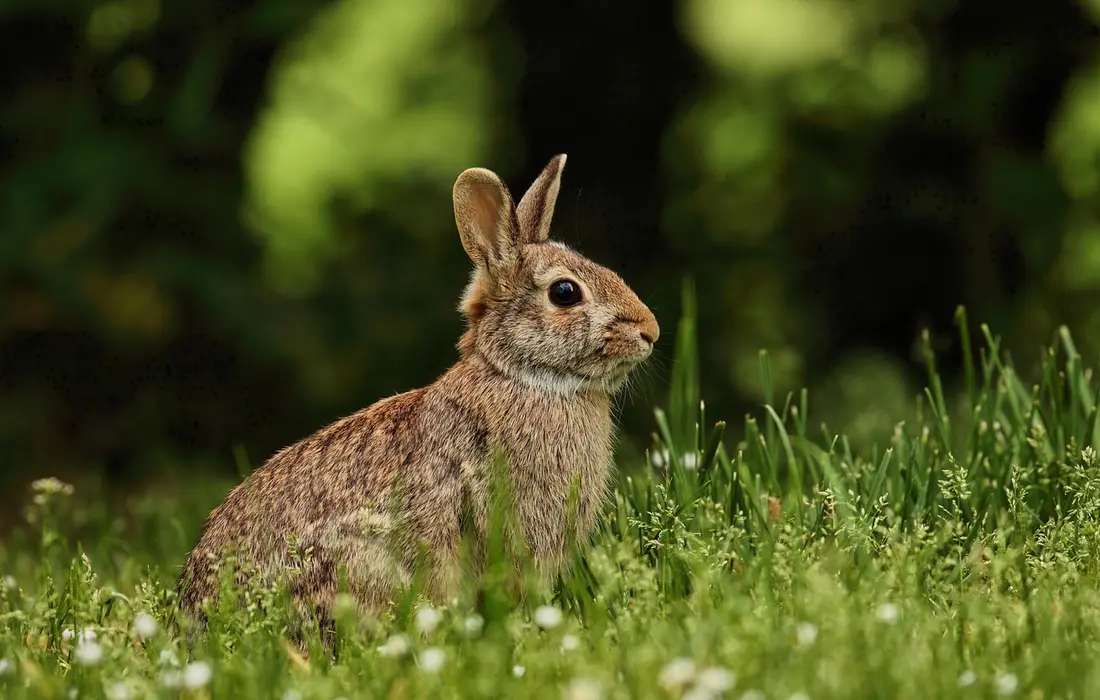
Getting basil into your rabbit’s diet is a fine idea, but doing it proper makes all the difference. Just like introducing any new food to your barnyard critters, a slow and mindful approach prevents upset tummies and wastes nary a leaf. Here’s my tried-and-true method, honed from years in the rabbitry.
Step 1: Source Clean, Pesticide-Free Basil
Your journey starts with the quality of the herb itself. I reckon the safest, thriftiest path is to grow your own basil in a pot or a corner of the garden, where you control what touches it. My own kitchen herb patch supplies all I need for the rabbits and my supper. If you must buy, choose organic bundles and treat them with suspicion. Give the leaves and stems a vigorous wash under cold running water, and for extra peace of mind, a five-minute soak in a mix of one part white vinegar to four parts water will lift most residues. Rinse it all until the water runs clear. If you’re curious which herbs are safe or unsafe for rabbits, a dedicated herbs for rabbits safe/unsafe guide is handy to consult later. It helps you pick kitchen herbs that are both tasty and rabbit-friendly.
Step 2: Prepare the Basil Properly
Now, let’s get that basil ready for your bunny’s dinner plate. You can use more of the plant than you might think, which fits right into a homesteader’s waste-not philosophy. Here’s what you need to know about each part:
- Leaves: These are the prime offering. No need to chop them; most rabbits enjoy nibbling them whole.
- Stems: Yes, rabbits can eat the stems. Tender, green stems are perfectly fine. For any that feel tough or woody, I chop them into half-inch pieces to make them easier to manage.
- Flowers: Those little white or purple blooms are a delightful, sweet treat. My rabbits often pick them out first. They are perfectly safe and encouraged.
- Seeds: Basil seeds are not a typical part of feeding. Stick to the leafy greens and flowers. The seeds don’t provide meaningful nutrition for rabbits and are best left for planting next year’s crop.
Step 3: Serve the Right Amount with Hay
This final step is where good stewardship shines. Basil is a supplement or a treat, never a replacement for their core diet of grass hay. For a standard-sized adult rabbit, I offer a portion roughly the size of their ear-that’s usually 1 to 2 large leaves per 2 pounds of body weight, two or three times a week. A young kit over 12 weeks can have a tiny taste, about half a leaf, to see how they tolerate it. Always, and I mean always, place this green treat right on top of a generous pile of unlimited timothy or orchard grass hay. That hay is what keeps their gut moving and their teeth in check, so the basil is just the flavorful bonus on top.
Basil in Moderation: Balancing Greens for Digestive Health
I reckon one of the most important lessons from my barn is that too much of a good thing can cause trouble, and rabbit digestion is a perfect example. A rabbit’s gut is a finely-tuned fermentation vat that requires steady, consistent fiber to keep things moving. Introducing rich greens like basil too quickly or too often can overwhelm their system, slowing down the crucial gut motility and leading to a dangerous condition called GI stasis. Think of it like a traffic jam in their intestines; everything just stops, and it’s a serious veterinary emergency.
Because of this, basil should be a treat, not a daily staple. I never feed basil to my rabbits two days in a row. Their primary diet must always be unlimited grass hay, which provides the roughage that keeps their digestive highway clear. Fresh foods, including basil, are wonderful supplements, but they must never displace the hay that is the true cornerstone of their health.
A Simple Schedule for Rotating Greens
Variety isn’t just the spice of life for us; it’s a nutritional safeguard for your rabbits. Rotating greens prevents an overload of any one compound and provides a broader range of vitamins. You can check out the safe leafy greens for rabbits that I use in my own rabbitry. Here’s the simple system I use:
- Day 1: Offer a small handful of basil leaves (about 1-2 large leaves per 2 lbs of body weight).
- Day 2: Skip basil. Choose a different, nutrient-dense green like romaine lettuce, cilantro, or carrot tops.
- Day 3: Offer another non-basil option, such as arugula, bok choy, or dandelion greens (unsprayed).
- You can then reintroduce basil on Day 4, continuing the rotation. This pattern ensures they enjoy basil regularly without it becoming a digestive risk.
Spotting Signs of Digestive Upset
Even with the best plans, every animal is different. You must watch your herd closely, especially when introducing any new food. Knowing the early warning signs of digestive trouble can let you act fast, often saving you a costly vet visit and saving your rabbit a world of discomfort. Appetite changes can signal a health crisis, so a rabbit not eating should be treated as urgent. If you notice appetite loss, the rabbit not eating emergency guide offers quick steps you can take right away. Here’s what I look for in my hutches:
- Small, Misshapen, or Fewer Fecal Pellets: Healthy droppings should be plentiful, round, and firm. Any change is a first alert.
- Lack of Appetite: A rabbit turning down a favorite treat or, more critically, their hay, is a major red flag.
- Lethargy or Hunched Posture: If they’re sitting still and puffed up in a corner, they are likely in pain.
- Audible Gut Sounds: Strange gurgling or, conversely, a silent belly, can both indicate problems.
If you see these signs, remove all fresh foods immediately and offer only hay and water. Often, this simple step can get their gut back on track. If there’s no improvement within a few hours, a call to your vet is the next right step. Stewardship means celebrating the bounty we can share with our animals, but it also means respecting the delicate biological balance that keeps them thriving.
Beyond Basil: Safe and Unsafe Foods for Rabbits
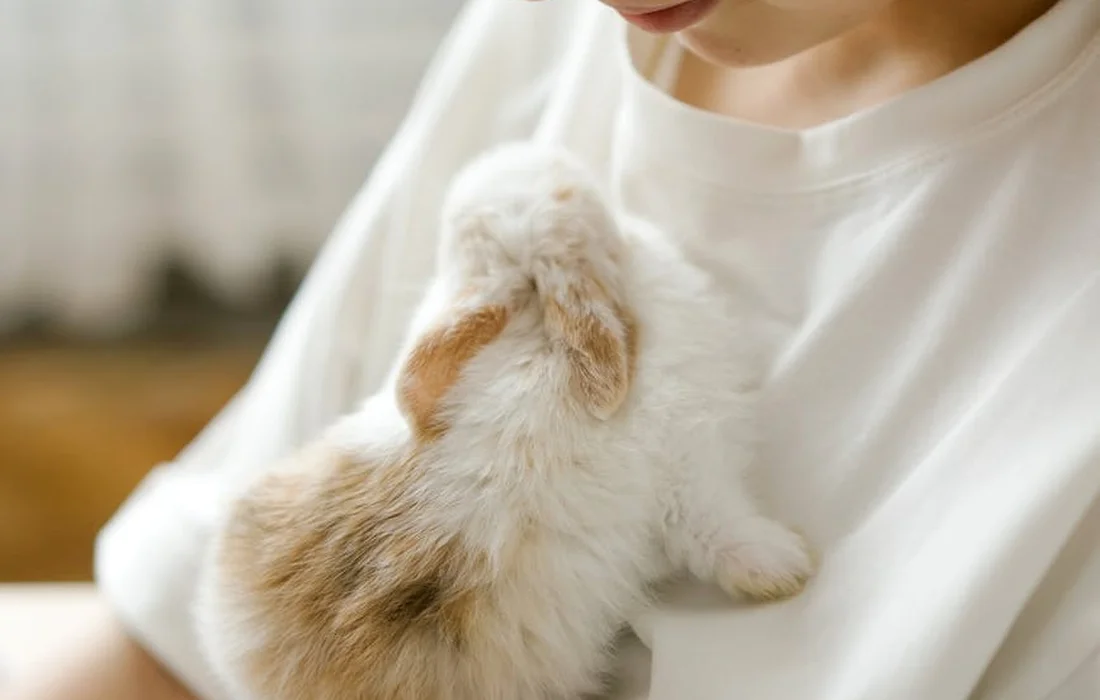
Now, basil is a fine friend for your bunny, but it shouldn’t be the only green on the guest list. I reckon a varied diet is what keeps our long-eared companions happiest and healthiest. Over the years, I’ve cultivated a little kitchen herb garden just for my critters, and watching them nibble is a pure delight. Think of herbs like basil as the flavorful seasoning to the main course of grass hay.
Barnyard-Safe Greens & Herbs (The Welcome Committee)
These are the plants you can pick from your garden or the farmer’s market with confidence. Always introduce any new food slowly, just a leaf or two at first, to let that sensitive bunny gut adjust.
- Mint: A refreshing favorite, but it’s potent. A leaf or two of peppermint or spearmint is plenty. Too much can be overwhelming for their system.
- Parsley: Both flat-leaf and curly are excellent sources of vitamins. I give it a few times a week, but not daily, as it’s a bit higher in calcium.
- Cilantro/Coriander: Many of my rabbits go wild for this one. It’s a safe staple herb that adds wonderful variety to their greens.
- Dill: The feathery fronds are perfectly safe and offer a different, tangy flavor profile they often enjoy.
- Oregano & Thyme: These hardy perennial herbs are not just for your cooking. Small sprigs of these can have beneficial properties.
- Carrot Tops: Don’t toss those green fronds from your garden carrots! They are a fantastic and thrifty treat, far better than the sugary root.
- Romaine Lettuce: The dark green, leafy parts are safe and hydrating. Avoid the white, crunchy core as it’s less nutritious.
- Spring Greens: Mixes like kale, chard, and spinach are good in strict moderation. Rotate these greens instead of feeding them daily, as some contain oxalates that can interfere with calcium absorption over time.
Foods to Keep Outside the Hutch (The No-Go List)
Some plants that seem harmless to us can cause serious trouble for a rabbit. This list of safe and unsafe plants and foods is vital for every homesteader to know by heart.
- Iceberg Lettuce: It’s mostly water and contains lactucarium, which can give rabbits diarrhea. It’s just not worth the risk when better greens abound.
- Potato Tops & Tomatoes Vines: The leaves and stems of these nightshade plants are toxic. The ripe tomato fruit itself is okay as a rare treat, but never the greenery.
- Onions, Garlic, Leeks: All alliums are poisonous to rabbits and can cause fatal blood disorders.
- Avocado: Every part of this fruit is toxic to many animals, rabbits included.
- Seeds, Pits, & Houseplants: A general rule from the barn: if you didn’t grow it specifically for feed, don’t offer it. Many common houseplants (like philodendron, pothos, and sago palm) are deadly. When in doubt, leave it out.
- Rhubarb: Those big leaves might look like Swiss chard, but they are highly toxic due to oxalic acid.
- Yogurt Drops & Processed “Treats”: A rabbit’s gut is designed for fiber, not sugars and dairy. Stick to nature’s pantry for their snacks.
My own rule is simple: I only feed what I can positively identify. A handful of known-safe weeds like dandelion greens and plantain from an unsprayed yard is often better than a mystery vegetable from the store. Wash all store-bought greens thoroughly to remove any pesticide residue, because good stewardship means knowing every bite that goes into your animal.
Closing Questions on Basil for Rabbits
Can rabbits eat basil?
Yes, rabbits can safely eat fresh basil. It is a flavorful herb that serves as a healthy supplement to their primary diet of grass hay.
Can rabbits eat basil everyday?
No, rabbits should not eat basil every day. It is best offered in moderation, a few times a week as part of a rotating schedule of different greens to prevent digestive upset.
Can rabbits eat basil stems?
Yes, rabbits can eat tender, green basil stems. Tough or woody stems should be chopped into small pieces to make them easier for your rabbit to eat. Just like when feeding green beans or bean plant sprouts, it’s important to ensure that stems are manageable for your rabbit.
Can rabbits eat basil flowers?
Yes, the small white or purple flowers of the basil plant are safe and often a sweet, enjoyed treat for rabbits.
Can rabbits eat basil seeds?
Basil seeds are not recommended for rabbits. They do not provide meaningful nutrition and are best saved for planting, not feeding. Rabbits are generally not fed seeds, as many are unsafe for them.
Do rabbits eat basil plants?
If given access, rabbits will typically eat the leaves, tender stems, and flowers of a basil plant. Always ensure the plant has not been treated with pesticides before offering it. Be cautious about what you let them forage in your garden.
Shutting the Gate
When it comes to feeding basil to your rabbits, the golden rule is simple: think of it as a flavorful garnish, not the main course. I’ve watched many a happy bunny nibble on a fragrant leaf from my kitchen garden, but their main hay pile never goes ignored. Your rabbit’s health hinges on a foundation of unlimited grass hay, with lush herbs like basil serving as a delightful, occasional treat. Pay close attention to their droppings and appetite whenever you introduce something new; that’s your best barometer for what agrees with them.
I hope this guide helps you share your garden’s bounty with your floppy-eared friends with confidence. There’s a special kind of peace that comes from sitting on the porch, watching your critters contentedly munch on something you’ve grown for them. Y’all take care, enjoy those happy bunnies, and may your thyme-and your basil-always be plentiful.
Further Reading & Sources
- Can Rabbits Eat Basil? Safe Herbs for a Happy Bunny Diet
- Can Rabbits Eat Basil? Vet-Approved Healthy Diet Tips | PangoVet
- Rabbit Resistant Herbs – Advice From The Herb Lady
Caroline Mae Turner is a lifelong farm girl raised on red clay, early mornings, and the sounds of a bustling barnyard. With hands-on experience caring for everything from stubborn goats to gentle dairy cows and mischievous pigs, Caroline shares practical, tried-and-true advice straight from the farm. Her goal is to help folks keep their animals healthy, well-fed, and living their best barnyard life. Whether you're wrangling chickens or bottle-feeding a baby goat, Caroline brings a warm Southern touch and plenty of real-world know-how to every bucket in the barn.
Diet Requirements