Yes, Rabbits Can Eat Pears: Your Fruit Safety and Feeding Guide
Published on: September 17, 2026 | Last Updated: September 17, 2026
Written By: Caroline Mae Turner
Howdy y’all. Rabbits can absolutely have pears, but only as a rare, bite-sized treat after you’ve removed every single seed. I’ve seen that cautious glance at the fruit bowl, wondering if sharing a slice is a moment of joy or a mistake that’ll upset delicate bunny digestion.
- A ripe, fresh pear
- A paring knife for coring
- A steady hand to dice it small
- A good sense of moderation
Let’s walk through the simple steps so you can feed with confidence and get on with your day.
The Straight Answer on Pears and Rabbits
Yes, your bunnies can nibble on pears, but only as a sometimes snack. I treat pears like a Sunday dessert for my herd-a tiny, special bite that never replaces their real meals.
Every rabbit’s plate should be built on three pillars: unlimited grass hay, a clean water source, and fresh, leafy greens. From my barn to yours, neglecting this foundation for sweet treats is a sure path to health troubles. If you’re looking for a practical plan, I share a domestic rabbit diet guide. It translates these pillars into everyday meals.
Keep your rabbits hopping with joy and health by following this short list of non-negotiables:
- Feed pears sparingly: a piece no bigger than your thumbnail, once or twice a week at most.
- Always core the pear and discard seeds and stems to avoid choking or toxicity.
- Introduce any new treat, including pear, slowly and in minute amounts to watch for soft stools.
Understanding Pear Nutrition and Rabbit Health
A ripe pear brings water, a decent bit of fiber, a heap of natural sugar, and traces of vitamins to the hutch. That dietary fiber, around 3 grams per 100-gram serving, can support a healthy gut movement, which is vital for a rabbit.
But the sugar content, hovering near 10 grams in that same serving, is the real catch. A rabbit’s digestive system is a finely tuned fermenter for roughage, not sugar, and overloading it leads to obesity and painful GI stasis. I’ve sat up many a night with a bloated, quiet rabbit who had one too many fruit treats.
To make it plain, here’s a table comparing what’s in a pear to what your rabbit’s diet should emphasize:
| Nutrient in Pear (per 100g) | Ideal Rabbit Diet Focus |
|---|---|
| Fiber: ~3g | Very High Fiber: 80-90% of daily intake from grass hay (e.g., timothy, meadow) |
| Sugar: ~10g | Minimal Sugar: Treats (fruits, carrots) should be under 2% of total daily food volume |
| Vitamin C: ~4mg | Nutrients from Greens: Vitamins are best sourced from daily romaine, cilantro, or dandelion greens |
| Water Content: ~84g | Constant Hydration: Fresh, clean water daily; moisture also comes from leafy vegetables |
Feeding Pears Safely: Portion Control and Frequency
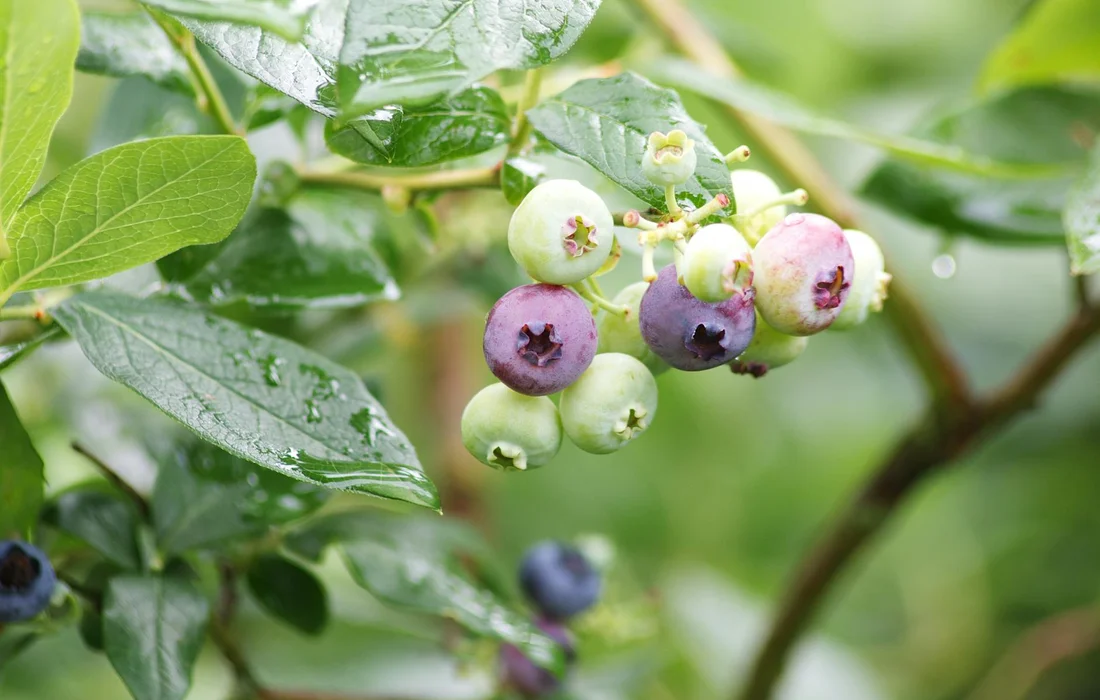
Now, let’s get down to the nitty-gritty of how much pear to offer. On my farm, I’ve seen a happy rabbit hop for a tiny treat, but I’ve also nursed a few through a sour stomach from too much of a good thing. Overfeeding fruit can upset their delicate gut balance, so portion control is your best friend.
For a healthy adult rabbit, a safe serving is one tablespoon of fresh pear flesh per five pounds of body weight. That means a dainty five-pound Netherland Dwarf gets just one tablespoon, while a hefty twelve-pound Flemish Giant might enjoy about two and a half. Always err on the side of less, especially when you’re first introducing a new food to your bunny’s menu.
How to Offer That First Taste
Follow these simple steps to make that first pear feeding a success. I still do this with every new bunny that comes to the barn.
- Estimate their weight. If you don’t have a scale, a good guess will do. Most domestic breeds fall between 4 and 12 pounds.
- Do the math. Divide their weight by five to find how many tablespoon portions they can have. Round down if you’re unsure.
- Prepare a piece smaller than the full portion. Start with just a teaspoon-sized slice to see how their system handles it.
- Offer the treat by hand or place it in their dish, but always alongside their normal hay.
- Watch them closely for the next 24 hours. You’re looking for normal appetite and healthy, firm droppings. If anything seems off, skip the fruit treats for a while.
When it comes to frequency, pears are a once-a-week treat in my book. Twice weekly is the absolute maximum I’d ever recommend, and only for rabbits with a proven iron gut. Think of it like a slice of pie for yourself-it’s a special occasion, not an everyday supper.
Never let sweet treats crowd out the staples. Unlimited, high-quality grass hay must remain about 90% of what your rabbit eats every single day to keep their teeth worn and their digestion moving. Pears are just the cherry on top, not the main course. This topic fits into our ultimate guide on hay for rabbits, covering types, benefits, and feeding tips.
Preparing Pears for Your Rabbit: A Step-by-Step Guide
Proper prep turns a risky snack into a safe delight. I learned my lesson years ago when a clever bunny snatched a pear core from the compost-thank goodness we caught it in time. Taking a few extra minutes in the kitchen safeguards your animal’s health completely.
The Safe Sequence
Here’s my tried-and-true method for getting a pear ready for rabbit consumption.
- Wash the whole pear under cool, running water. Give it a good scrub even if you plan to peel it, to keep pesticides from transferring from your hands to the flesh.
- Cut the pear into quarters with a clean knife on a cutting board used only for animal foods.
- Core it completely and remove every single seed. This step is non-negotiable. Those little seeds contain amygdalin, which can release cyanide when digested.
- Slice the remaining flesh into small, bite-sized cubes. For a small rabbit, I make pieces no bigger than a blueberry to prevent choking.
Now, about that skin. The pear skin itself is safe and adds fiber, but only if the fruit is organic or you’ve scrubbed it thoroughly to remove any chemical residue. If you’re using conventional store-bought pears and can’t wash them well enough, a quick peel is a thrifty, safe choice.
Pear Preparation Do’s and Don’ts
Keep this list handy by the feed bucket for a quick reminder.
- DO source ripe but firm pears. Mushy, overripe fruit can ferment too quickly in their gut.
- DON’T ever feed the core, stem, or seeds. The cyanide risk in seeds, however small, isn’t worth taking.
- DO wash your hands and all utensils before and after handling the fruit.
- DON’T offer canned pears, pear jam, or cooked pear dishes. These contain added sugars that rabbits simply cannot process.
- DO feed the pear fresh and raw. That’s how they’d find it in nature, and it preserves the nutrients.
- DON’T leave uneaten fresh pear in the hutch for more than an hour. It will spoil and attract flies.
Beyond Pears: Other Safe Fruits for Rabbit Treats
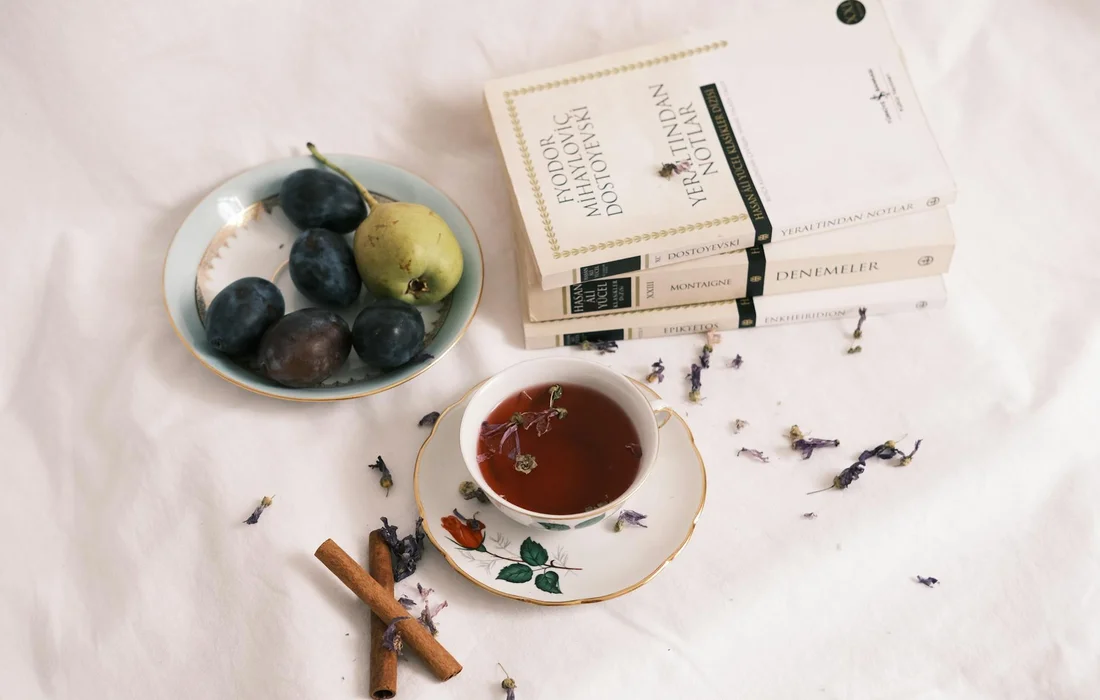
Now, just because pears are a hit doesn’t mean your bunny’s treat menu stops there. Your rabbit’s diet should be built on a sturdy foundation of hay, with fruits like these serving as the occasional sweet decoration on top. I’ve kept rabbits for years alongside the chickens and geese, and I’ve found a few other barnyard-friendly fruits they can enjoy safely, always in moderation. (https://thebarnyardbucket.com/do-rabbits-eat-fruit-safe-fruits-and-feeding-guidelines)
- Apple Slices: My bunnies always perk up for a thin slice of apple. You must core it and remove every single seed, as apple seeds contain cyanide. A slice or two a week is plenty for a standard-sized rabbit.
- Blueberries & Blackberries: These are perfect little bite-sized treats. I’ll give a couple of washed berries as a reward. They’re rich in antioxidants, but also in sugar, so think of them as candy from the vine.
- Melon Rind: Don’t toss that watermelon or cantaloupe peel! After we enjoy the sweet flesh, I cut the firm rind into small, manageable chunks for the rabbits. It’s a hydrating, fibrous snack they love on a hot day.
- Strawberries: The top and flesh are fine, but I limit it to about half a berry at a time. Too many can lead to a messy hutch, trust me.
- Peaches or Plums: The fleshy fruit is safe, but you must remove the pit completely and wash off any stickiness. The pit itself is a choking hazard and contains harmful compounds.
Remember the golden rule for all these treats: Introduce one new food at a time, and start with a piece no bigger than your thumbnail to see how your rabbit’s digestion handles it. As for fruits to avoid, keep avocados, rhubarb, and all citrus fruits far away from your rabbits-they can cause serious digestive or toxic reactions.
Recognizing Signs of Digestive Upset in Rabbits
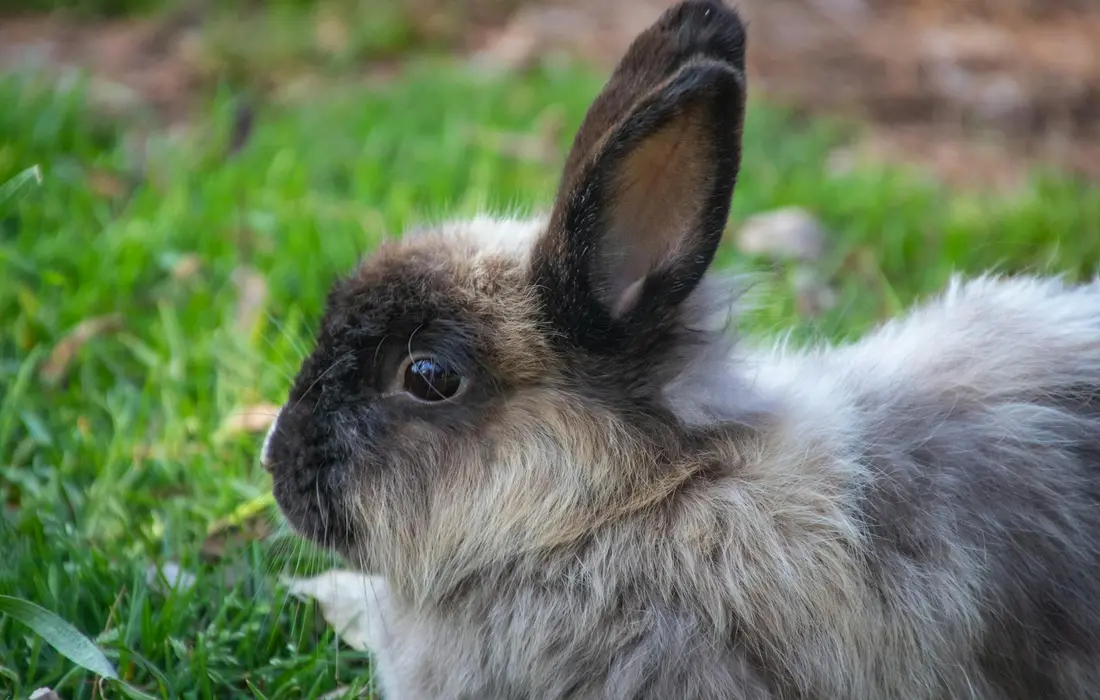
A rabbit’s gut is a delicate engine, and too much sugar or a new food can throw a wrench in the works. Spotting trouble early is the difference between a quick recovery and a veterinary emergency on your hands. I learned this lesson years ago after overzealously sharing peach bits with a beloved doe.
Watch for these warning signs if you’ve recently offered fruit:
- Reduced or No Appetite: If your rabbit turns its nose up at its favorite hay or pellets, that’s a bright red flag. A healthy rabbit is a hungry rabbit.
- Unusual Stools: Small, hard, misshapen droppings or a complete lack of them are a major concern. Softer, sticky cecotropes that get smeared around are also a sign of dietary imbalance.
- Lethargy and Hunched Posture: A rabbit that’s just sitting still, pressed into a corner with a tense, hunched body, is likely in pain. This often signals the onset of GI stasis, where the gut slows down dangerously.
- Loud Tooth Grinding: Not the soft, contented purring, but loud, persistent grinding. This is a sign of significant pain or discomfort.
If you see any of these symptoms, here’s your immediate action plan:
- Halt All Treats Immediately. No more fruit, veggies, or anything beyond hay and water.
- Encourage Hay and Hydration. Offer fresh, fragrant grass hay like timothy or orchard grass. Make sure their water bottle or bowl is full and clean to keep things moving.
- Contact Your Veterinarian Promptly. Don’t wait to see if it passes. GI issues in rabbits can turn critical within hours. A vet can provide motility medications and critical care.
Always monitor your rabbits closely for a full day after offering any new treat, even a safe one. Their droppings and energy level will tell you everything you need to know about how that snack settled, which is crucial for maintaining rabbit digestive health.
Closing Tips for Your Flock and Warren
How much pear is safe for my rabbit, and how does this compare to treats for my chickens or pigs?
A safe rabbit portion is one tablespoon of pear flesh per five pounds of body weight, offered just once a week. In contrast, a chicken can enjoy a few small bites as a scratch treat, and pigs can have larger, cored portions, but all animals require strict moderation due to the high sugar content.
Are pear cores and seeds a danger to my other farm animals if I compost them?
Yes, it’s a critical hazard. The amygdalin in pear and apple seeds can release cyanide when chewed or digested. Ensure all fruit waste going to compost or livestock is meticulously cored to prevent accidental ingestion by curious chickens, pigs, or other animals that might scavenge.
Can I feed the pear skin to my rabbit if I wash it like I do for my garden vegetables?
Yes, the skin is safe and adds fiber if the pear is organic or thoroughly scrubbed to remove pesticide residue. This is similar to preparing cucumber or zucchini for your chickens-a good wash is essential for any homegrown or store-bought produce fed to your animals.
What are the biggest risks of overfeeding fruit like pears to a rabbit on a farm?
The primary risks are gastrointestinal (GI) stasis and obesity. A rabbit’s digestive system is designed for high-fiber forage, not sugar. An imbalanced diet disrupts their gut bacteria, leading to a potentially fatal slowdown, unlike the hardier digestive systems of animals like geese or cows. This can cause GI stasis and other digestive problems.
Besides pears, what other common farm-friendly fruits are safe for rabbits?
Safe, occasional treats include apple slices (cored), berry fragments, and melon rinds. Think of these like the kitchen scraps you might give to pigs or chickens-always fresh, raw, and free of pits/seeds, but for rabbits, in much tinier amounts to protect their sensitive digestion.
What signs of digestive upset should I watch for after feeding fruit?
Monitor for lethargy, a hunched posture, loss of appetite, and abnormal droppings (either too small, soft, or absent). Just as you’d watch a pig for bloating or a chicken for lethargy, any sudden change in a rabbit’s behavior or output after a new food requires immediate removal of treats and a focus on hay and water. These are essential steps in troubleshooting rabbit GI stasis symptoms.
Back to the Hutch
When it comes down to it, the whole pear question teaches us the golden rule of animal husbandry: moderation is the cornerstone of good health. A rabbit’s dinner plate should always be piled high with quality hay, with pellets as a side, and any fruit, including a precious pear wedge, as just a tiny, flavorful garnish. That balance keeps their digestion running smooth as a well-oiled gate hinge and prevents a mountain of health troubles. When choosing fruit, remember there are safe and unsafe options for both pet and wild rabbits, so treats stay in moderation.
I reckon the greatest joy in this life is sharing its simple abundance. Watching my rabbits twitch their noses over a fresh treat I’ve grown or foraged myself is a satisfaction no store can ever sell. So go on, share a sliver of pear on a hot afternoon, and then just sit a spell with your critters. That right there is what this homesteading life is all about. We’re all just learning as we grow, and I’m right grateful y’all are here growing alongside me.
Further Reading & Sources
- Feeding your rabbits – PDSA
- Pearfection or avoid: Can Rabbits Eat Pears? – Central Victoria Hay
- Can a rabbit eat Pears? | Rabbit Hole Hay
Caroline Mae Turner is a lifelong farm girl raised on red clay, early mornings, and the sounds of a bustling barnyard. With hands-on experience caring for everything from stubborn goats to gentle dairy cows and mischievous pigs, Caroline shares practical, tried-and-true advice straight from the farm. Her goal is to help folks keep their animals healthy, well-fed, and living their best barnyard life. Whether you're wrangling chickens or bottle-feeding a baby goat, Caroline brings a warm Southern touch and plenty of real-world know-how to every bucket in the barn.
Feeding Guidelines