Rabbit Digestive Health: Decoding Eating Habits to Spot a Satisfied Bunny
Published on: August 18, 2026 | Last Updated: August 18, 2026
Written By: Caroline Mae Turner
Howdy y’all. The single best thing you can do for your rabbit’s digestion is to watch for the quiet pause and contented grooming that follows a good meal-that’s their way of saying “I’m full.” If you’re tired of second-guessing portion sizes or worrying about GI stasis, reckon I’ve stood in your boots, spoon-feeding critical care in the lamplight.
- What you’ll need:
- A calm spot to observe your rabbits daily
- Fresh, long-strand grass hay as the dietary cornerstone
- A consistent morning and evening feeding schedule
We’ll walk through this step by step, and you’ll be back to tending the garden with confidence in no time flat.
The Rabbit’s Unique Gut: A Forage-Fueled Engine
You can think of a rabbit’s digestive system as a finely tuned, perpetual-motion machine that absolutely depends on roughage to keep its gears turning. Unlike our simple stomachs, theirs is a complex hindgut fermentation chamber. What this means is the real nutritional magic happens way down the line, in the cecum, after most food has passed through the small intestine.
Fiber is the fuel for this entire operation. It creates bulk that stimulates gut motility-the steady, rhythmic contractions that push everything along. If that motility slows down, even for a few hours, the whole system can grind to a painful and dangerous halt, a condition we call GI stasis. I’ve sat up through the night with a bunny whose gut was silent, and it’s a frightening lesson in how delicate their balance truly is.
But that’s not the only wonder. That cecum houses beneficial bacteria that ferment fiber, producing nutrient-rich cecotropes. These are not the hard, round pellets you clean from the cage. Cecotropes are soft, clustered pellets the rabbit re-ingests directly from their bottom, a vital process called cecotrophy that provides essential B vitamins and proteins. It’s a perfect, natural recycling system, but it only works if the rabbit is consuming a massive amount of long-strand fiber first.
Hay Is Not Just Bedding: It’s The Cornerstone of Digestion
- Explain why fiber is non-negotiable. That long-strand fiber from hay does two critical jobs. First, it physically scours and cleans the intestinal tract, preventing hair and debris from forming blockages. Second, and just as important, the constant chewing wears down their ever-growing teeth, preventing painful dental spurs that can stop a rabbit from eating altogether.
- List recommended hay types for adults vs. juniors. For adult rabbits, a grass hay like Timothy, Orchard Grass, or Meadow Hay is ideal, providing robust fiber without excess calories or calcium. For kits, juveniles, and pregnant or nursing does, the higher protein and calcium in Alfalfa hay supports growth and milk production, but you should transition them to grass hay as they mature.
- Provide a visual measurement. The golden rule on our farm is simple: every day, offer a pile of fresh hay that is at least the size of the rabbit itself. I don’t mean a flake-I mean a generous, loose pile they can burrow into. It should look like an absurd amount. That ensures they never run out and their gut engine never idles.
Choosing and Offering the Right Forage
Good hay smells sweet and grassy, like a sun-drenched meadow, not dusty or musty. It should be greenish in color with long, flexible stems. Reject any hay that feels damp, smells moldy, or is mostly brown and brittle, as it can disrupt the delicate gut microbiome and cause illness. Store your hay in a breathable container in a dry place to preserve its quality.
Offer hay in a clean rack or a large, shallow box to keep it off the soiled floor of the hutch. I’ve found that placing some hay near the litter box and some in a separate play area encourages natural foraging behavior. When your rabbit is consuming the right forage in the right quantity, you’ll see a consistent output of well-formed, golden-brown, firm fecal pellets, a sure sign of a happy and healthy digestive tract. That’s the real harvest we’re looking for. If your rabbit isn’t eating hay, it can signal poor appetite or dental/GI issues. We’ll cover common causes and practical solutions next.
Reading the Signs: From Healthy Appetite to Red Flags
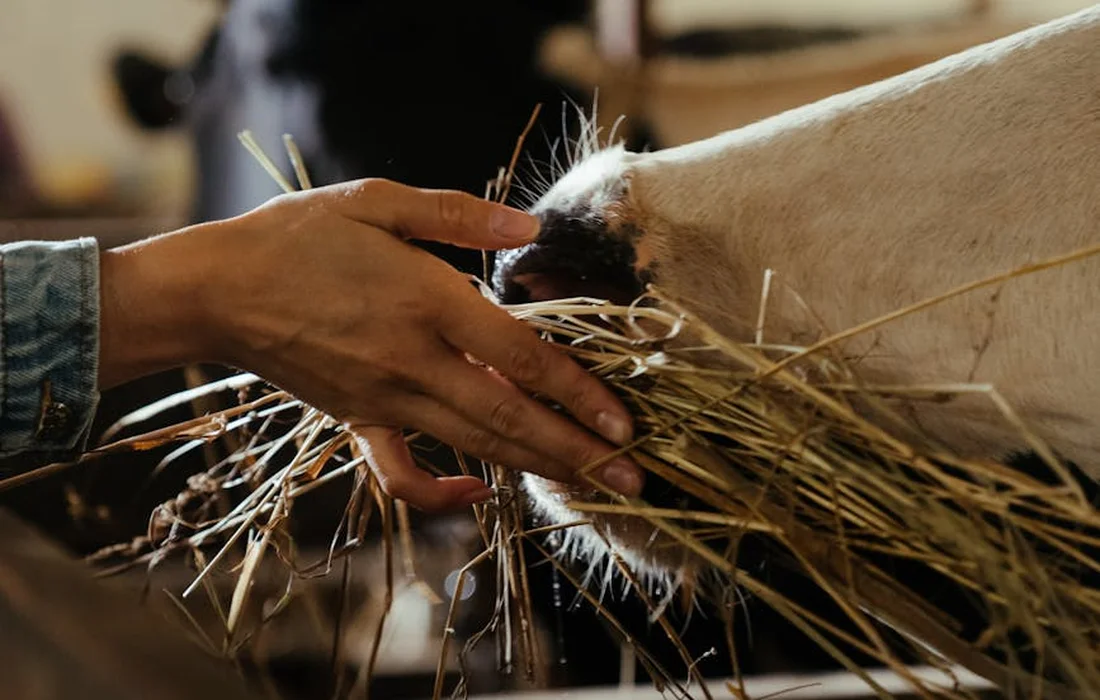
I reckon watching a rabbit eat is one of the simplest joys on the homestead, but it’s also your first line of defense. A bunny with a happy gut is a busy bunny, and its daily routines tell you everything you need to know. You’ll want to get familiar with both the good signs and the warnings that mean it’s time to act.
- Healthy Signs: Look for a consistent appetite for hay, steady drinking from a clean bowl, and those firm, round fecal pellets piling up in the corner. You might also spot them consuming their cecotropes-those soft, nutrient-rich pellets-directly from their backend, which is perfectly normal and vital. A healthy rabbit is curious, bright-eyed, and moves with purpose.
- Red Flags: Any slowdown in eating or drinking is a five-alarm fire in my book. Be worried by small, misshapen, or absent stools, a lethargic bunny that sits hunched in a corner, or gut sounds that are either strangely loud or eerily silent. Trust me, a quiet rabbit with a quiet stomach is often a rabbit in serious trouble.
Understanding Satiety and True Hunger Cues
Just like us, a rabbit tells you when it’s full and when it’s genuinely hungry. True satiety looks like a contented critter: resting peacefully, grooming itself or a companion, or doing that blissful flop onto its side. That’s a sign you’ve balanced their rations right.
- Watch out for false hunger cues, which are really signs of boredom or dietary imbalance. This includes chewing obsessively on cage bars, showing aggression when you approach with food, or acting overly frantic for their pelleted feed. These behaviors often mean they need more roughage to chew, not more calories in their dish.
Balancing the Bunny Bucket: Pellets, Greens, and Hydration
Feeding a rabbit isn’t about filling a bowl; it’s about building a diet from the ground up. Think of their meals like a three-legged stool-if one leg is short, the whole thing tips over. Here’s how I’ve kept my herds hopping for generations.
- Step 1: The Pellet Foundation Start with a high-fiber, timothy-based pellet, ideally with at least 18% crude fiber and no colorful bits or seeds. For a standard five-pound rabbit, a mere 1/4 cup per day is plenty. Measure it strictly; those pellets are a supplement to hay, not the main event.
- Step 2: Introduce Garden Greens Slowly Fresh greens are wonderful, but a new one can upset a delicate system. Begin with a small handful of safe staples like romaine lettuce, cilantro, or basil. Introduce one new green every few days and watch their droppings closely for any change.
- Step 3: Water is Non-Negotiable Unlimited fresh, clean water is the lifeblood of digestion. I always use a heavy ceramic bowl over a bottle, as it lets them drink naturally and consume much more, which keeps everything moving smoothly. Check and refill it at least twice a day.
The Real Cost of Overfeeding Treats and Pellets
It’s tempting to show love with extra treats, but I’ve seen the heartbreak that follows. Overloading on pellets or sugary snacks is a fast track to an obese, sickly rabbit with a gut that can grind to a fatal halt. Those extra calories crowd out the essential fiber from hay that wears down their ever-growing teeth and fuels their cecum. A healthier approach recognizes that house rabbits eat a diet beyond commercial pellets, with hay as the main staple and a variety of greens. This varied mix supports digestion, teeth, and overall wellness.
- Excess pellets can lead to painful dental spurs and obesity, while starchy treats can cause deadly gastrointestinal stasis. For a true treat, stick with hay-based options like a fresh willow branch or a sprinkle of dried oregano-they satisfy the urge to chew without the risk.
When the Gut Stops: Recognizing and Acting on GI Stasis
You might notice your rabbit hunched in a corner, ignoring a fresh pile of clover. Their belly feels firm, and those usual, plentiful droppings are scarce or gone. This is gastrointestinal stasis, a silent emergency where the digestive system shuts down, and every minute counts.
- Step 1: Contact a veterinarian immediately-it’s an emergency.
- Step 2: Keep the rabbit warm and comfortable.
- Step 3: Offer tempting herbs, wet greens, or critical care formula if advised.
- Step 4: Gently massage the belly if the rabbit allows.
Let’s break down these steps with the plain sense you’d use for any barnyard critter in distress.
That first step means dropping everything to call your vet. I reckon I’ve saved more rabbits by acting fast than by any fancy remedy. A professional can prescribe gut-motility medication and pain relief, which are crucial to restarting the engine.
Keeping a rabbit warm is a practical comfort you can provide right now. Wrap a hot water bottle in a towel and place it beside them, or use a heating pad set on low beneath half their carrier. A chilled rabbit’s metabolism slows, making recovery harder, especially if their diet isn’t adjusted for colder weather.
Offering temptations is a test of patience and observation. Try a freshly picked sprig of mint or a wet leaf of romaine lettuce. If your vet agrees, syringe-feeding a powdered critical care formula mixed with water can provide needed fiber and nutrients. Always let the rabbit swallow before giving more.
Gentle massage is a helping hand, not a cure. With your bunny calmly on your lap, use your fingertips to apply very light pressure in a circular motion along their abdomen. You’re aiming to soothe and stimulate, not to push. If they object, respect that and stop.
Stewarding a Rabbit’s Gut in a Barnyard World
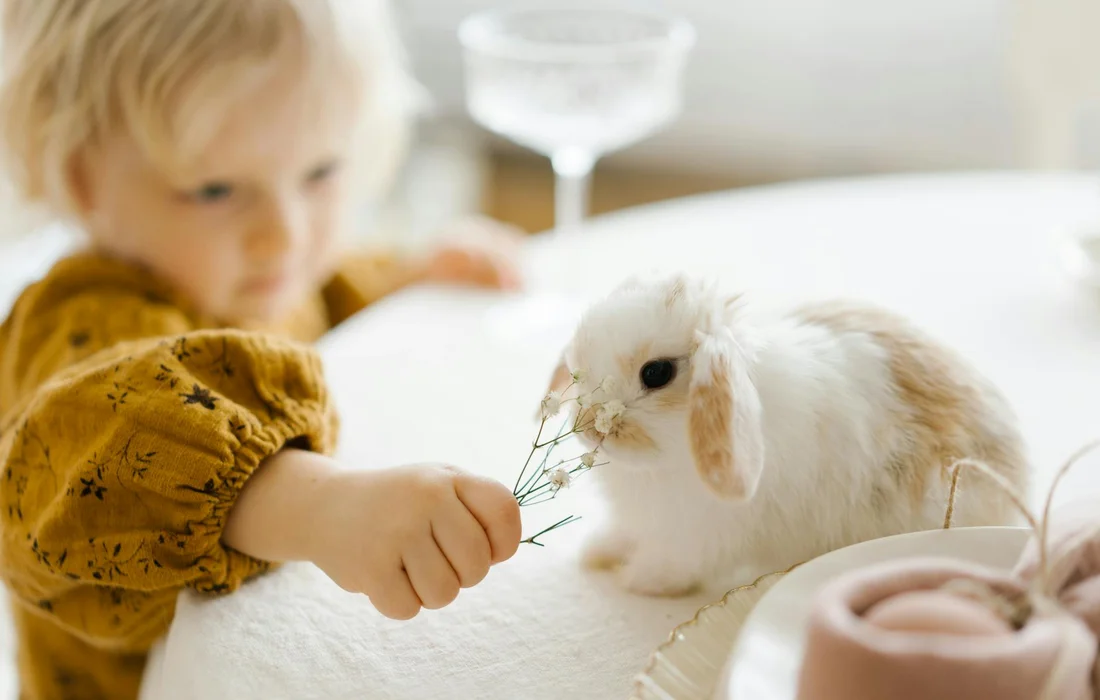
Emergency fixes are no substitute for daily, mindful care. The only reliable path to avoiding gut trouble is a prevention-first mindset built on what you feed every single day.
- Hay is the bedrock of their diet, not an accessory. Your rabbit should consume a pile of grass hay like timothy or orchard grass as big as their own body each day. This roughage keeps their gut muscles active and teeth from overgrowing.
- Limit pellets to a strict handful. Think of commercial pellets as a supplement, not a main meal. For a standard-sized rabbit, a quarter cup daily of a high-fiber pellet (18% or more) is sufficient to prevent selective feeding and obesity.
- Introduce garden greens with a cautious hand. Start with a single type, like cilantro or endive, and offer no more than a cup per day for a 5-pound rabbit. Sudden changes in fresh food are a common trigger for digestive upset.
- Clean, ample water drives the whole system. A rabbit needs constant access to fresh water in a sturdy bowl. I check bowls twice daily, as dehydration is a fast track to stasis.
I learned this the hard way with an old buck named Jasper. I once thought a few extra pellets wouldn’t hurt, especially during a cold snap when I wanted to “fatten him up.” Within days, he was off his hay and moving slow. That vet bill taught me more than any book: stewardship means resisting the urge to over-complicate and trusting the simple, fibrous diet rabbits are designed for. Now, I watch their hay consumption more closely than anything else in the feed shed. There’s more to this than habit: hay types, benefits, and simple feeding tips matter. The ultimate guide on hay for rabbits gathers all of that in one place.
Closing Questions
What are the signs of a healthy rabbit digestive system?
A healthy rabbit will eagerly eat ample hay daily and drink water regularly. You’ll also observe consistent production of firm, round fecal pellets and normal cecotrophy behavior. Knowing how much hay your rabbit should consume daily is key to maintaining its health.
What are common digestive problems in rabbits and their symptoms?
GI stasis is a critical issue, marked by lethargy, hunched posture, and few or no droppings. Dental disease from low fiber can cause drooling or refusal to eat, leading to further gut slowdown.
How does a rabbit’s diet impact its digestive health?
Diet dictates gut motility; high-fiber hay keeps the digestive tract moving, while excess pellets or treats can cause obesity and stasis. A balanced diet prevents disruptions in the delicate cecal fermentation process.
What is the role of fiber, specifically hay, in rabbit digestion?
Hay’s long-strand fiber physically scours the intestines to prevent blockages and stimulates essential gut contractions. It also naturally wears down ever-growing teeth, ensuring proper chewing and digestion.
How can I tell if my rabbit is eating enough hay?
Monitor that the hay pile, sized at least as large as your rabbit, decreases each day. Sufficient intake of hay is crucial, as confirmed by abundant fecal pellets and a lack of destructive chewing on cage bars.
What are satiety signals in rabbits, and how do I recognize them?
True satiety appears as calm resting, self-grooming, or a contented side flop after meals. Frantic behavior or cage chewing often signals boredom or fiber lack, not genuine hunger.
Shuttin’ the Hutch Door
When all’s said and done, keepin’ a rabbit’s digestion on track boils down to watchin’ and listenin’. Their appetite is your daily report card. A rabbit that’s eager for its evening greens and is consistently producing those dry, round fecal pellets is a rabbit with a happy, moving gut-and that’s the single best sign of health you can ask for. If you notice a sudden appetite drop or a rabbit that won’t touch its greens, that’s a sign to consult an emergency guide on appetite loss and health concerns. Quick action can prevent bigger troubles later. See that gut like a little engine that must never sit idle; keep it fueled with long-strand fiber from good hay, and you’ll keep most troubles from ever takin’ root.
I reckon the greatest reward in all this isn’t just a healthy herd, but the peace that comes from knowin’ your critters are content. There’s a particular satisfaction in hearin’ that steady crunch of hay from the hutch on a quiet evening. Y’all take care of your rabbits, and they’ll surely bless you with their gentle ways. Until next time, may your fences be tight, your water be clean, and your animals thrive. Happy homesteadin’, neighbor.
Further Reading & Sources
- Gastrointestinal (GI) Stasis in Rabbits | PetMD
- Digestive problems in rabbit production: moving in the wrong direction? – PMC
- Engineering the rabbit digestive ecosystem to improve digestive health and efficacy – ScienceDirect
Caroline Mae Turner is a lifelong farm girl raised on red clay, early mornings, and the sounds of a bustling barnyard. With hands-on experience caring for everything from stubborn goats to gentle dairy cows and mischievous pigs, Caroline shares practical, tried-and-true advice straight from the farm. Her goal is to help folks keep their animals healthy, well-fed, and living their best barnyard life. Whether you're wrangling chickens or bottle-feeding a baby goat, Caroline brings a warm Southern touch and plenty of real-world know-how to every bucket in the barn.
Feeding Habits