Feeding Eggplant to Chickens: Your Quick Guide to Safe Scraps
Published on: August 26, 2026 | Last Updated: August 26, 2026
Written By: Caroline Mae Turner
Howdy y’all. Wrestling with whether those late-summer eggplants are a treat or a toxin for your flock? You can safely share the ripe, purple fruit with your chickens as an occasional snack, but the leaves, stems, and flowers are a firm no-go due to solanine.
What you’ll need:
- A ripe eggplant (the glossy purple fruit itself)
- A knife and cutting board for chopping
- Less than five minutes of your time
I’ll walk you through the simple why and how, so you can handle those garden leftovers and get back to the rest of your homesteading list.
Eggplant in the Chicken Run: Sorting Fact from Folklore
The Core Question of Poultry Nutrition
When you’re staring at a pile of garden leftovers, wondering what’s safe for the hens, eggplant sure does cause a stir. I’ve seen many a homesteader pause, recalling some half-remembered warning about nightshades, and that’s a caution worth heeding, especially when it comes to tomato leaves and other nightshade plants. The core question ain’t about if chickens *will* eat it-they’ll peck at most anything-but whether you *should* let them. My own rule, forged from years in the barnyard, is to treat every new food with a measure of respect and a dash of science.
Let’s clear the air right now. I once had a Barred Rock named Hilda who snuck into the veggie patch and took a few good whacks at a young eggplant plant. She turned out just fine, but that was pure luck, not a feeding strategy I’d recommend to y’all. Folklore says all nightshades are deadly, but the truth is more nuanced, hanging on the plant’s maturity and the part you offer.
For a quick, skimmable guide, here are the common myths and the straight facts:
- Myth: The entire eggplant plant is poisonous to chickens.
- Fact: The ripe fruit flesh is generally considered safe in moderation, but the leaves, stems, flowers, and green fruit are the real concerns.
- Myth: Cooking eggplant makes it safe by removing all toxins.
- Fact: Cooking reduces but does not eliminate certain compounds; it’s better to focus on offering only the safe, ripe parts raw.
- Myth: If it’s safe for me, it’s safe for my flock.
- Fact: Poultry metabolize foods differently; their smaller size makes them more susceptible to plant alkaloids.
The Nightshade Family Secret: Understanding Solanine
Eggplant, like its cousins tomatoes and potatoes, belongs to the nightshade family. The secret they all hold is a natural defense chemical called solanine, a glycoalkaloid that tastes bitter and can cause real harm. This isn’t farmyard gossip; it’s plant biology. The plant produces solanine to deter insects and animals, and its concentration varies wildly.
In my experience, the solanine level in a purple-black, fully ripe eggplant fruit is typically low enough to not cause alarm for a healthy bird. Where you run into trouble is with the green, unripe fruit, the vibrant leaves, and the sturdy stems-these parts can harbor significantly higher concentrations, similar to other green or unripe plant parts that are risky for chickens. A chicken’s digestive system isn’t built to process much of this compound.
How Solanine Affects Your Flock’s Health
When a chicken ingests too much solanine, it interferes with their nerve function and can damage cell membranes. The first signs are often a drop in energy, followed by digestive upset like diarrhea or a loss of appetite. In severe cases, you might see trembling, weakness, or even paralysis. It’s a frightening sight, and one I hope you never witness firsthand.
Think of it like this: a little ripe eggplant flesh is akin to a rich treat, but green parts are like a potion that slows your birds down from the inside out. Prevention is always cheaper and kinder than a vet call, so knowing the safe thresholds is key to good stewardship.
Here’s a breakdown of eggplant parts and their relative risk, based on my observations and agricultural studies:
- Ripe, Purple Fruit Flesh (Peeled): Lowest risk. Can be offered sparingly-think a few small cubes per bird as an occasional treat, not a meal.
- Eggplant Skin: Moderate risk. It contains higher alkaloid levels than the flesh; I always peel it off to be safe.
- Green, Unripe Fruit: High risk. Avoid entirely. The solanine concentration is too high for safe consumption.
- Leaves, Stems, and Flowers: Highest risk. Never allow your flock access to these. This includes garden trimmings or whole plants.
If you suspect solanine poisoning, act fast. Immediately remove the source, provide plenty of fresh water, and offer their regular, balanced feed to help dilute the toxins. For a thrifty and safer alternative, I often redirect my garden surplus to the compost pile or to the pigs, who handle nightshade residues differently.
A Walk Through the Eggplant Patch: Part-by-Part Safety
Ripe Eggplant Fruit (Flesh & Skin)
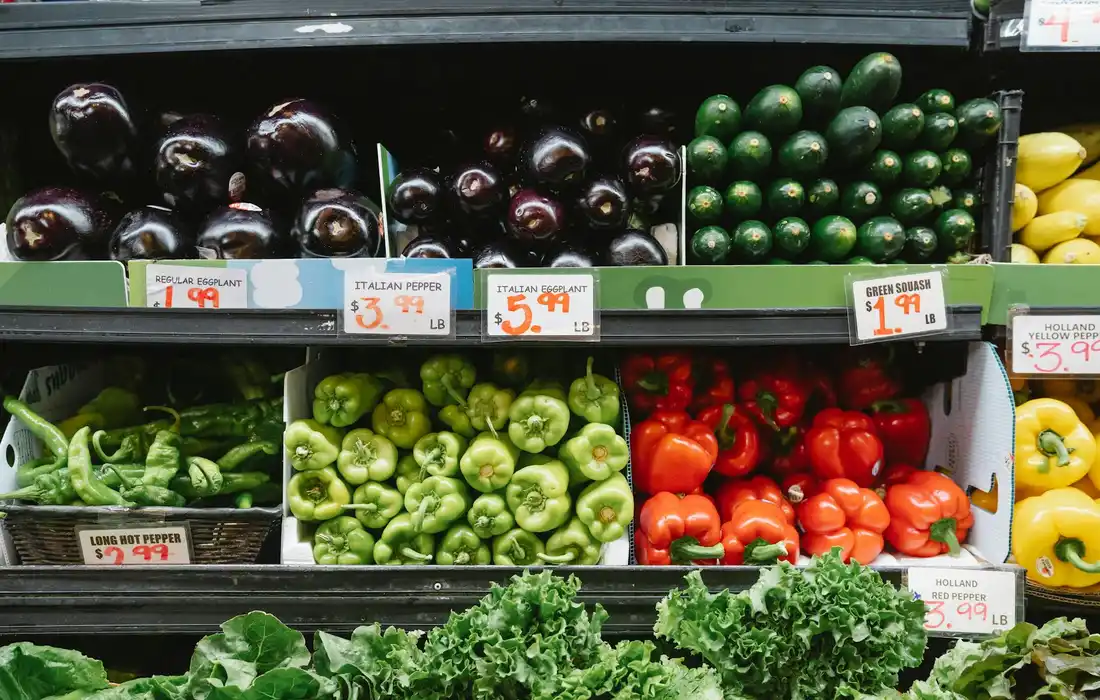
That deep purple fruit, sun-warmed and heavy in your hand, is a fine treat for the hens. I’ve tossed ripe eggplant into the run for seasons, and my girls peck it clean. The flesh and skin of a fully matured eggplant are safe for chickens, offering a bit of fiber and moisture, especially on hot days. You can feed it raw or cooked, but I always slice it into chunks smaller than a hen’s comb to keep peace in the flock. Just be sure it’s from a patch you trust, free of any chemical sprays. Unlike eggplant for guinea pigs and other animals, it’s important for chickens to have it prepared properly.
Unripe, Green Eggplant Fruit
Now, this is where my grandma’s advice rings true: patience is a virtue. Unripe, green eggplants harbor more solanine, a natural toxin that can stir up a bird’s gut. I once had a curious banty hen sample a green fruit and she spent the next day looking downright sorry for herself. It taught me to let every eggplant reach its full, glossy color before I even think about sharing. If your garden has young fruit, keep the chickens penned away from it.
Eggplant Leaves and Stems
The leafy greens and tough stems of the eggplant plant are not for sharing. They contain concentrated alkaloids that simply don’t agree with poultry digestion. I use sturdy fencing around my vegetable beds specifically to stop the chickens from browsing where they shouldn’t. When I clear the garden at season’s end, those leaves and stems go straight into a covered compost bin, well out of beak’s reach. It’s a simple rule for safe stewardship.
Eggplant Flowers
Those lovely lavender blossoms might look tempting, but they’re best left alone. While a curious peck likely won’t cause harm, they offer little nutritional value and it’s better to be safe. I reckon your flock’s energy is better spent on proven greens like Swiss chard or the bugs in their scratch area. Let the flowers do their job and become the fruit you can all enjoy later on.
From Garden to Flock: How to Serve Eggplant Safely
Preparation Steps for Safe Feeding
Turning garden bounty into chicken joy takes just a few mindful minutes. Here’s my barn-tested method for getting eggplant from vine to feeder without a hitch.
- Select the Best: Choose only firm, fully colored eggplants with shiny skin. Any with mold, cuts, or soft spots go to my compost, not the coop.
- Give a Good Wash: I rinse them under cool, running water and sometimes use a splash of white vinegar in a basin for homegrown produce to lift any dirt.
- Cut for Easy Eating: Dice the eggplant into pieces about the size of a blueberry. This prevents bullying and ensures every bird gets a taste.
- Cook if You Prefer: Steaming or baking without oils softens it up, which some older hens appreciate. Raw is perfectly fine, too.
- Serve Promptly: Place the pieces in a shallow dish or scatter them in their run. Always remove any leftover bits within a couple of hours to keep the area clean and avoid attracting pests.
Feeding Guidelines and Moderation
Eggplant is a supplement, not supper. Keeping treats in check is key to healthy, productive birds. Here’s how I balance it on my homestead.
- Mind the Portion: For a standard flock of six, half a small eggplant per feeding is ample. That gives each hen just a few tasty pieces.
- Keep a Schedule: I offer it no more than once a week. Their main nutrition must come from a complete commercial or home-mixed feed.
- Watch Their Response: After introducing any new food, I observe my flock for a day. If you see changes in droppings or a drop in egg production, pull back and stick to their regular diet.
- Pair with Grit: Always make sure your chickens have access to insoluble grit. It helps them grind down unusual foods in their gizzard for proper digestion.
Spotting Trouble: Risks and What to Watch For
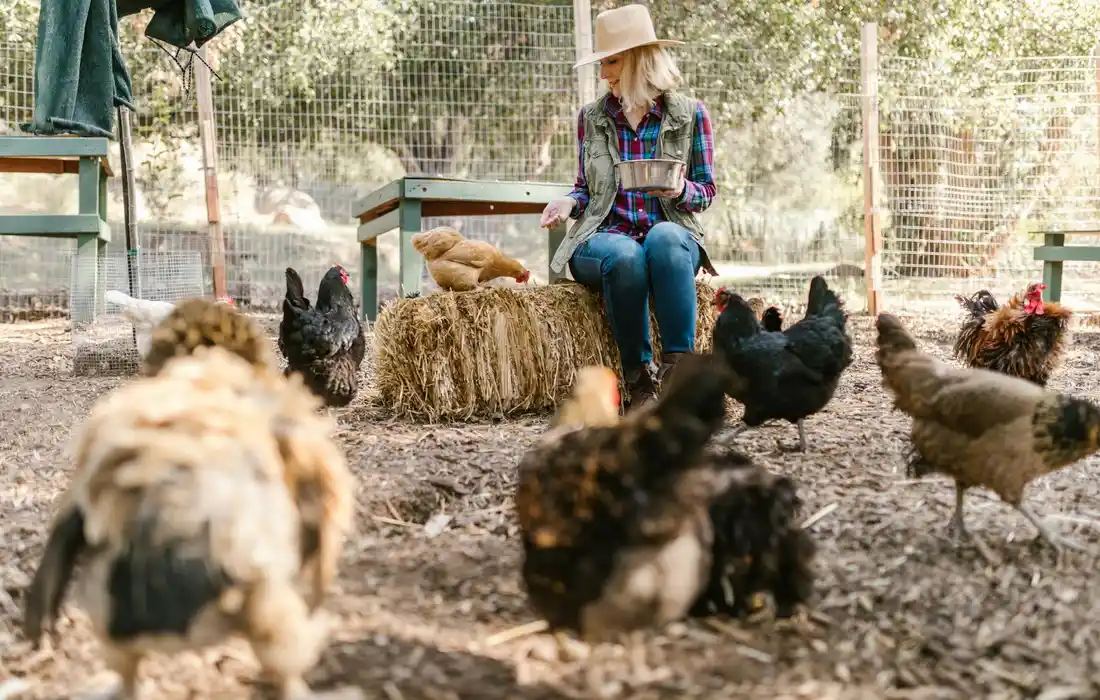
Now, I’ve seen a few birds sample eggplant leaves over the years, and while a tiny peck might not spell disaster, I reckon y’all need to know the signs of solanine poisoning. This natural toxin in nightshades like eggplant can cause real harm if your flock eats too much of the plant’s foliage, stems, or unripe fruit. It’s not something to lose sleep over if you’re mindful, but you must keep a watchful eye.
The symptoms often come on subtle-like. You might notice a hen looking droopy or standing off by herself. First signs usually include a lack of energy, less interest in scratch, and maybe some loose droppings. In more serious cases, you could see weakness in their legs, stumbling, or even labored breathing.
- Lethargy and depression
- Loss of appetite
- Diarrhea
- Muscle weakness or trembling
- Dilated pupils
If you suspect your birds got into the eggplant patch, act fast. Remove any plant remains from their reach and provide plenty of fresh, clean water. Offering some plain oatmeal or their regular feed can help settle their systems, but if symptoms persist more than a few hours, a call to your vet is the best course. I learned early on that prevention is far cheaper than a cure.
Safer Garden Alternatives to Eggplant
Your garden is full of wonderful, safe treats that your chickens will flock to. Sticking to these reliable options saves you worry and turns your kitchen scraps into valuable nutrition. I always keep a bucket by the back door for these gems.
- Leafy Greens: Kale, Swiss chard, and lettuce are top picks for vitamins.
- Squash and Zucchini: Chopped up, these are hydrating and loved by all my birds.
- Cucumbers: A cool, water-rich snack on hot summer days.
- Sweet Corn: Kernels or leftover cobs for pecking provide good energy.
- Peas and Beans: Cooked or fresh shelled peas are a protein-rich favorite.
I scatter these treats in their run to encourage natural foraging behavior. Introducing any new food slowly, in small amounts, lets their digestion adjust without upset. It’s a thrifty way to reduce feed costs and keep your ladies happy and healthy.
Eggplant and Its Nightshade Cousins in the Coop
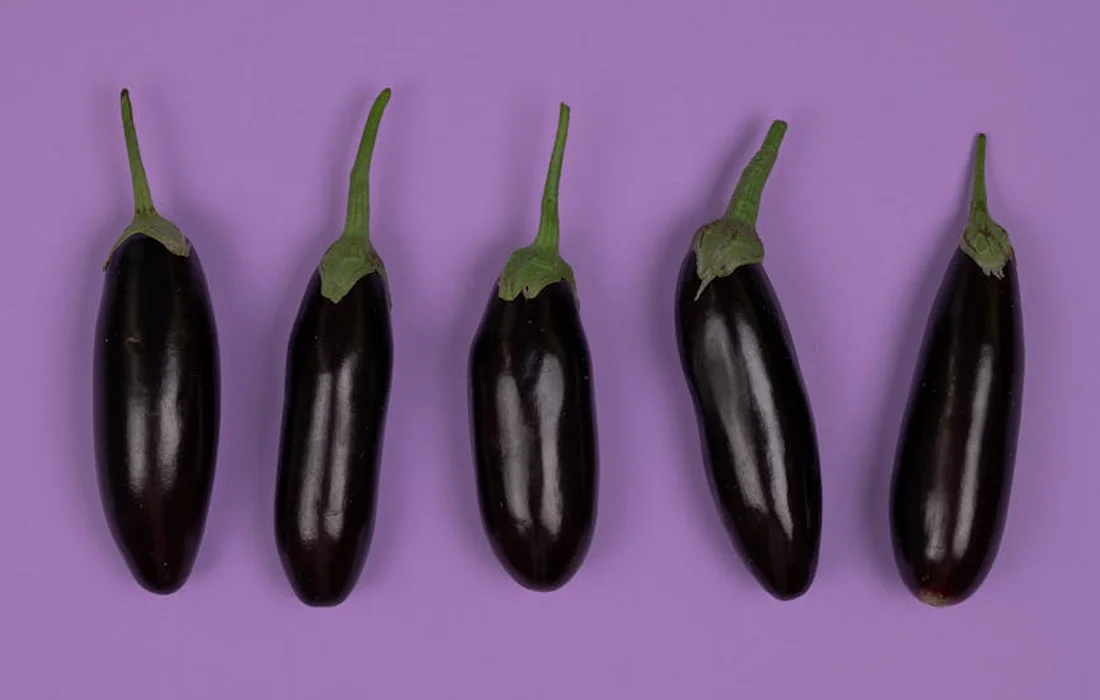
Eggplant doesn’t live in a vacuum; it comes from a whole family of plants we often grow right alongside it. Knowing how to handle the entire nightshade clan-tomatoes, potatoes, and peppers-is key to smart flock management. My rule of thumb is simple: the fruit is usually fine, but the plant itself is best kept out of the coop.
Take tomatoes, for instance. Those ripe, red beauties are a terrific treat. I often toss overripe cherries to my girls as a special reward, but I’m diligent to never let them near the green vines or leaves. Those parts pack the same solanine punch as eggplant greens.
Potatoes require even more caution. A cooked, plain potato mash is a fine starchy filler in winter. However, never feed them green potato skins, sprouts, or the raw plant—these contain higher toxin concentrations that can cause severe distress in chickens. I once had a pig get into some discarded potato tops and it was a long night; chickens are just as susceptible.
Bell peppers and hot peppers are generally safe for chickens in moderation. The fruit itself is not toxic. While the plant contains compounds like capsaicin, most chickens will avoid the bitter leaves on their own, but it’s safest to just offer the chopped pepper flesh. It adds a nice splash of color and vitamins to their diet. However, sweet and bell peppers do not have any capsaicin, so they are easier for chickens to digest.
Managing these plants around your animals is all about respectful stewardship. Compost your nightshade plant waste in a secured bin away from curious beaks, and you’ll turn potential risk into black gold for your garden. It’s the sustainable cycle we homesteaders aim for.
Closing Questions
Is eggplant safe for chickens to eat?
Yes, the ripe, purple fruit of the eggplant is safe for chickens as an occasional snack. Always avoid the leaves, stems, flowers, and unripe green fruit due to their solanine content, especially when considering fruits for chickens.
Can chickens eat eggplant leaves?
No, chickens should not eat eggplant leaves. They contain high concentrations of solanine, which can lead to lethargy, digestive upset, and more serious health problems. Unlike some other parts of pepper plants, eggplant leaves are unsafe for chicken consumption.
Are eggplant stems toxic to chickens?
Yes, eggplant stems are toxic to chickens. Similar to the leaves, they harbor alkaloids that are harmful and should never be offered to your flock. In fact, there are quite a few poisonous plants that chickens naturally avoid.
Is it safe for chickens to eat raw eggplant?
Yes, raw eggplant is safe for chickens if it is fully ripe and properly prepared. Peel the skin and chop the flesh into small, manageable pieces to ensure easy digestion, unlike potato skins which should never be given raw to chickens.
Can chickens eat cooked eggplant?
Yes, chickens can eat cooked eggplant, such as steamed or baked without additives. However, focus on using only the ripe fruit, as cooking does not fully eliminate all concerning compounds.
How much eggplant can chickens safely eat?
Eggplant should be fed in strict moderation. A few small cubes per bird, offered no more than once a week, is sufficient to avoid nutritional imbalance or solanine exposure.
Shutting the Henhouse Door
When it comes to your flock’s table scraps, a little knowledge saves a lot of worry. Eggplant flesh is a safe treat, the leaves and stems are not, and moderation keeps everything in balance. The very best tool in your husbandry kit is your own watchful eye-see how your particular birds react to a new food, and let that guide your hand.
I reckon that’s about the size of it. Now, I’ve got to go check my own garden fence before the evening settles in. I hope your harvest is bountiful and your hens are singing. Thank you for spending this time with me. May your days be filled with good dirt under your nails and the contented clucking of happy, healthy critters. Take care, y’all.
Further Reading & Sources
- Eggplant…can they eat/like | BackYard Chickens – Learn How to Raise Chickens
- r/chickens on Reddit: Can Chickens Eat Eggplant? Is It Safe?
- Is eggplant ok to give to chickens
Caroline Mae Turner is a lifelong farm girl raised on red clay, early mornings, and the sounds of a bustling barnyard. With hands-on experience caring for everything from stubborn goats to gentle dairy cows and mischievous pigs, Caroline shares practical, tried-and-true advice straight from the farm. Her goal is to help folks keep their animals healthy, well-fed, and living their best barnyard life. Whether you're wrangling chickens or bottle-feeding a baby goat, Caroline brings a warm Southern touch and plenty of real-world know-how to every bucket in the barn.
Diet Requirements