Citrus and Herbs for Rabbits: A Safe Feeding Guide for Lemon, Lemon Balm, and Pomegranate
Published on: April 25, 2026 | Last Updated: April 25, 2026
Written By: Caroline Mae Turner
Welcome back to the barn. You’re standing there with a kitchen scrap in hand, wondering if that bit of lemon peel or handful of herbs is a treat or trouble for your bunnies. The quick answer is that fresh lemon balm is a wonderful, safe herb for rabbits, and pomegranate flesh (not the rind) can be a rare treat, but lemon and other citrus fruits should be avoided due to their harsh essential oils and acidity. Let’s set the record straight so you can feed with confidence.
- What you’ll need:
- A bundle of fresh or dried lemon balm (Melissa officinalis)
- A ripe pomegranate (for the arils only)
- A firm “no” for lemons, limes, oranges, and their peels
- Your usual hay and greens for their main diet
We’ll sort through the do’s and don’ts right quick, so you can get back to the rest of your critters.
The Lowdown on Lemons: Citrus, Acid, and Rabbit Digestion
Let’s talk straight about lemons. A rabbit’s digestive tract is a finely-tuned fermentation vat, balanced by specific bacteria and a steady pH. Introducing high acidity, like that in citrus flesh and juice, can throw that whole delicate system out of whack.
It risks upsetting the gut flora, leading to discomfort and a condition called dysbiosis, where the good bacteria struggle and the bad ones can take a foothold.
Lemon Parts: The Safety Verdict
Not all parts of a lemon are created equal in a rabbit’s world. Here’s my barnyard breakdown:
- Flesh & Juice: I don’t feed these. The citric acid concentration is simply too high for their system. It’s an unnecessary risk for zero nutritional benefit they can’t get elsewhere.
- Rind (Zest): This is the contentious one. The outer peel, where the aromatic oils live, is less acidic. A tiny, tiny amount might be tolerated by some rabbits. I consider it a “proceed with extreme caution” item, not a treat.
Signs of Too Much Acid
If your bunny snuck a bite of something too tart, watch closely. GI upset can come on subtly. You might see:
- Small, soft, or misshapen cecotropes (the softer droppings they normally re-ingest).
- A noticeable drop in appetite for their hay-the biggest red flag.
- Lethargy or a hunched posture, signaling belly pain.
At the first sign of any digestive slowdown, remove all treats and push their core diet: unlimited hay and fresh water.
Sparing Portions: If You Must
For the adventurous soul considering a speck of rind, the rule is extreme moderation. We’re talking a piece the size of your pinky fingernail, no more than once every week or two. Scrape just the yellow zest, avoiding the bitter white pith underneath. Frankly, I’ve found my rabbits much happier with a sprig of mint or a basil leaf, and so am I.
Lemon Balm for Bunnies: A Calming Herb or Hidden Risk?
Now, here’s a plant I can get behind for the bunnies. Lemon balm (Melissa officinalis) is a member of the mint family and is generally recognized as safe and non-toxic for rabbits. Its gentle, lemon-scented leaves offer a lovely variety to their green repertoire, especially when compared to some unsuitable herbs for rabbits.
Beyond just being a safe nibble, many herbalists (and this old farmer) believe it has a mild calming property. I’ve offered it to skittish youngsters at dusk and noticed a more settled demeanor in the hutch. It’s no magic potion, but as part of a varied diet, it can contribute to overall well-being.
Steps for Offering Lemon Balm
Feeding herbs is simple, but doing it right keeps your rabbits thriving.
- Source & Wash: Pick from your chemical-free garden or buy organic. Rinse leaves thoroughly to remove dust or hidden pests.
- Fresh is Best: I prefer offering it fresh. The aroma is stronger and the nutrients are at their peak. Dried lemon balm is acceptable in winter but loses potency.
- Mix It In: Never replace hay. Instead, take a few leaves and mix them lightly into their daily pile of leafy greens or tuck them into their hay. This encourages natural foraging behavior.
The golden rule with any herb, even a safe one, is that it must never dominate the diet. Too much can still cause digestive upset simply because it crowds out the essential fibers from grass hay.
How to Grow and Harvest Lemon Balm for Your Rabbits
This herb is a homesteader’s dream-it’s hardy, prolific, and practically grows itself. You can plant it in a sunny spot in the garden or a decent-sized container on a porch. Fair warning: it can spread like mint, so a container might save you from a lemon balm takeover.
Harvest leaves in the morning after the dew has dried but before the midday sun bakes out the oils. Pinch or snip stems just above a set of leaves. This “cut-and-come-again” method encourages bushier growth and gives you a steady supply all season long. Rinse, pat dry, and offer it fresh to your waiting critters. They’ll thank you for the homegrown hospitality.
Pomegranate Perils and Pleasures: Seeds, Flesh, and Leaves

Now, a pomegranate is a right beautiful fruit, but for our floppy-eared friends, it’s a case of picking the treasure from the trouble. You’ve got to know which part is which. Let’s break this ruby-red fruit down piece by piece, just like I do for my grandkids on the back porch.
What’s Safe and What’s a Straight-Up “No”
Not every bit of this fruit is fit for a bunny’s belly. Here’s the lay of the land:
- The Arils (That’s the juicy flesh around the seed): This is the only part I ever consider offering, and even then, with a mighty cautious hand. The fleshy part itself is non-toxic.
- The Hard White Seed Inside the Aril: This is the hitch. While not poisonous, that seed is a serious choking hazard and is tough for a rabbit to digest. If you offer an aril, you are accepting the risk of the seed inside. I never offer the seeds alone, peeled out of the flesh.
- Leaves: This one’s a maybe, but only if you’re certain. Unsprayed, organic pomegranate tree leaves might be sampled by some folks’ rabbits. I’ve seen mine nibble a clean, fresh leaf with no issue, but I don’t make a habit of it. When in doubt, leave it out.
- Bark, Rind, and Roots: Don’t you dare. These parts can contain higher concentrations of compounds that are harsh on a rabbit’s delicate system. Stick to the known quantity-a tiny bit of the fresh aril-and avoid the rest of the plant entirely.
The Sugar Problem and Portion Patrol
That sweet, tangy juice around the seed is pure sugar to a rabbit’s gut. A rabbit’s cecum is a finely-tuned fermentation vat meant for breaking down fiber, not sugar bombs. Too much sugar disrupts their whole digestive harmony and can lead to a world of hurt, not to mention obesity. Think of a pomegranate aril like a piece of hard candy for a child—a rare, tiny indulgence, not a food group.
My feeding guideline is stricter than my rules for the garden gate. For a standard-sized rabbit, one or two arils, seeds and all, once a month is plenty. I mean it. That’s a treat, not a meal. A steady feeding schedule helps you tailor portions to your bunny’s needs. You may find you feed more or less often than you expect. For a dwarf breed, I’d halve that. Watch them close after-if you see any change in droppings or behavior, you know that treat doesn’t sit right with your particular bunny.
A Tiny Nutritional Silver Lining
I won’t say there’s no good in it. Those arils pack antioxidants, which is the buzzword these days. But let me be plain: a rabbit gets every ounce of nutrition it truly needs from unlimited grass hay, a measured portion of quality pellets, and a daily salad of dark leafy greens. The pomegranate’s value is in the novelty and the joy of a special bite, not in any measurable dietary contribution. It’s a supplement for the spirit, not the body. I reckon watching a rabbit carefully nibble a ruby-red aril is the main benefit, for the both of you. There’s a practical domestic rabbit diet guide that aligns with this approach. I follow that guide for my own rabbit, keeping the core to unlimited hay, a measured portion of quality pellets, and a daily salad of dark leafy greens.
Lemon Tree and Peel: Safety Beyond the Fruit Itself
When we talk about lemons for rabbits, we’re fixin’ on the fruit, but the tree itself holds some interest. Let’s look at what grows above the ground. On the citrus front, some folks wonder about orange, lemon, or grapefruit for rabbits. We’ll touch on which are safe and how much.
First, the leaves, twigs, and branches from a lemon tree you know hasn’t been sprayed can be a safe, curious nibble. I’ve tossed a small, leaf-covered branch from my backyard tree into the run after a storm pruning, and the rabbits seemed more interested in stripping the bark than eating the leaves. The woody material is good for their teeth, and the leaves are far milder than the fruit.
- Assess safety of leaves, twigs, and branches: These are generally safe in small, occasional amounts. Always source from a tree you know hasn’t been treated with chemical pesticides or systemic fertilizers. A few fresh leaves can be a fun novelty.
- Re-evaluate lemon peel (rind): The peel itself isn’t toxic, but it’s a surface that catches everything. You must scrub it vigorously under warm water with a vegetable brush to remove any wax coating or pesticide residue. Organic lemons are your best bet here, but a good washing is non-negotiable either way.
- Compare the mildness of tree parts: The leaves and young twigs contain different compounds than the fruit pulp. They lack the high concentration of citric acid that makes the flesh and juice problematic. Think of them as a aromatic, fibrous chew toy rather than a food item.
Table: Lemon Parts Safety for Rabbits
| Item | Safety Rating | Key Notes |
|---|---|---|
| Flesh / Pulp | Unsafe | Too high in citric acid. Can cause digestive upset and mouth sores. Avoid. |
| Juice | Unsafe | Highly concentrated acid. Do not add to water or food. |
| Peel (Rind) | Safe in Moderation | Must be thoroughly washed. Offer a tiny, fingernail-sized piece once a week at most as a flavor curiosity. |
| Leaves | Safe in Moderation | From untreated trees only. A couple of leaves per week is plenty for a medium-sized rabbit. |
| Branches/Twigs | Safe | Excellent for chewing. Ensure wood is from an untreated tree, free of mold, and pesticide-free. |
| Seeds | Unsafe | Like most fruit seeds, they contain compounds best avoided. Not worth the risk. |
This table is your quick barnyard reference-tack it on the feed room wall if you need to. The golden rule I follow is simple: when in doubt, stick to the woody branches for chewing and skip the fruit parts altogether. Plenty of other treats won’t make you wonder.
How to Introduce Any New Food to Your Rabbit’s Diet
When you’re fixin’ to offer something new, whether it’s a sprig of lemon balm or a seed from a pomegranate, the approach matters more than the ingredient. I’ve learned through trial and error with my own rabbits that a slow, watchful start is the only way to honor their sensitive digestion.
- Start with a tiny, pinky-nail sized piece to test for allergies. I reckon this is the most important step. Give a morsel no bigger than a single oat. Their reaction to this tiny amount tells you everything.
- Monitor droppings and behavior closely for 24 hours for any GI upset. You’re looking for dry, round pellets and their normal, bright-eyed antics. If you see soft cecotropes or a bunny that’s hunched and still, you know that food isn’t for them.
- Only increase portion or frequency slowly if no adverse reactions occur. If day one goes well, wait a few days before offering another nibble. I might give a slightly larger piece the next week, but never two new things at once.
- Always ensure the new item is less than 10% of the total daily diet. This rule has never failed me. Treats are just the seasoning on the main meal of hay and leafy greens. More than that risks throwing their whole system out of balance.
Stick to this method, and you’ll keep your bunnies’ bellies happy. A cautious homesteader saves themselves vet bills and their animals distress, which is the heart of good stewardship.
Recognizing and Responding to Suspected Food Toxicity
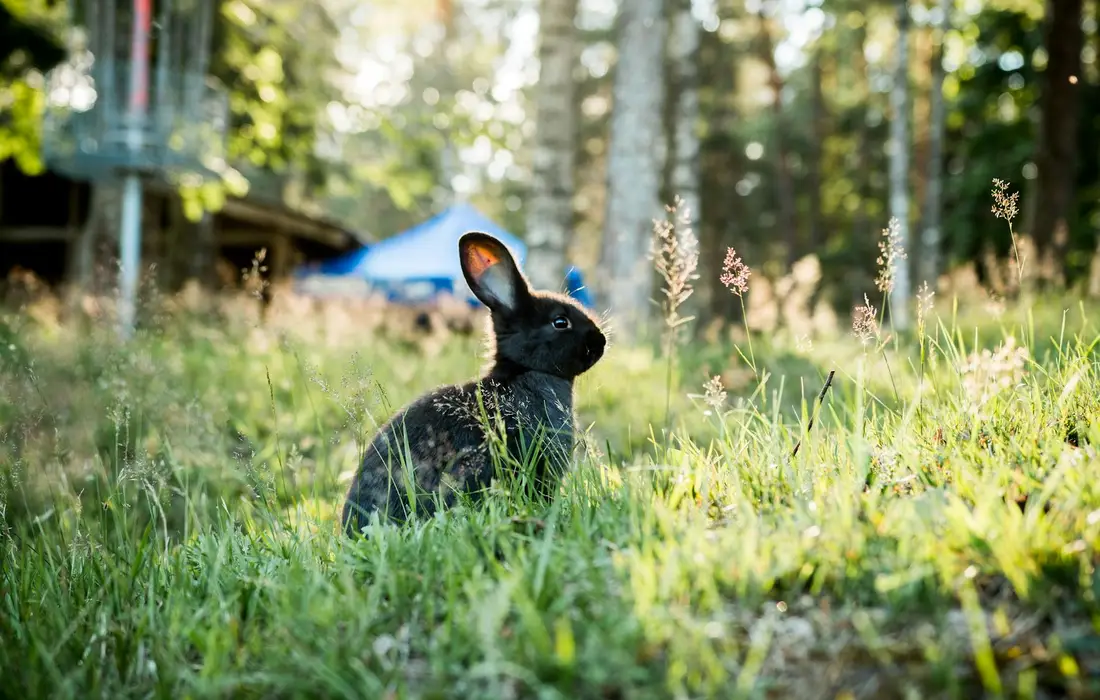
Even with the best intentions, a curious rabbit might snatch a bite of something they shouldn’t. I’ve spent many a watchful evening by a hutch, waiting for a tummy to settle. Curious nibbling hints at how their chewing and digestion work. It also raises questions about what rabbits can eat and how chewing affects digestion. Knowing the signs of distress is your first and most powerful tool in protecting your bunny.
Watch for these critical symptoms. They often come on quick and signal that something’s amiss in that delicate digestive system.
- Lethargy or weakness: A rabbit that’s hunched, unwilling to move, or ignores its surroundings is sounding an alarm.
- Bloating or a hard, tense belly: Gently feel their abdomen. It should be soft, not drum-tight.
- Diarrhea or mushy, foul-smelling cecotropes: Any drastic change in stool is a direct message from their gut.
- A sudden, complete loss of appetite: A rabbit who turns down a favorite green or pellet is a deeply concerned rabbit.
- Signs of pain: Teeth grinding (a different sound from contented purring), pressing their belly to the floor, or acting withdrawn.
Your Immediate Home Care Steps
If you see these warnings, don’t panic-but do act with purpose. Your job is to stabilize while you seek professional help.
- Immediately remove the suspected food source from their reach.
- Offer fresh, cool water to encourage hydration. You can try offering a wet leafy green like romaine to get fluids in them.
- Keep them in a quiet, warm, and dimly lit space to minimize stress.
- Do not attempt to force-feed any foods, herbs, or home remedies, as this can worsen the situation.
- Gather your thoughts on what they ate, how much, and when you first noticed the change.
The Non-Negotiable: Your Vet’s Number
This is the homesteader’s version of knowing where your fire extinguisher is. Before you ever have an emergency, find and save the number of a veterinarian experienced with rabbits. Not all large-animal vets are comfortable with rabbit physiology, so make that call ahead of time. I learned this lesson years ago after a late-night scare; having that number ready saved precious hours.
What Your Vet Needs to Know
When you call, clear information is a gift. It helps your vet decide how urgently you need to come in and what they might need to prepare.
- What was eaten: Be as specific as possible. “A piece of lemon balm from my garden” is better than “some herb.”
- The amount: Estimate. “Two large leaves,” “a peel about the size of a quarter,” or “a few nibbles.”
- The timeline: When did they eat it? When did you first notice symptoms?
- The symptoms: List exactly what you’ve observed, in the order they appeared.
Your careful observation turns you from a worried owner into a vital part of your rabbit’s healthcare team.
Closing Tips for the Thoughtful Homesteader
Can I feed lemon balm or pomegranate to my chickens or other poultry?
Chickens can enjoy fresh lemon balm in moderation as a healthy, aromatic herb. Lemon balm has numerous benefits for chickens, and pomegranate arils are also a fine, sugary treat for them occasionally, and they will handle the seeds without issue, unlike rabbits.
Are the branches from lemon or pomegranate trees safe for my rabbits to chew?
Yes, untreated lemon tree branches are excellent, safe chewing material for rabbit dental health. Pomegranate wood, however, should be avoided as it is not recommended for rabbit consumption. Unlike some safe chewing woods like bamboo, willow, or hazel, pomegranate can pose risks.
How can I safely grow these plants in a busy barnyard setting?
Grow lemon balm in containers to prevent invasive spreading in garden beds accessible to other animals. Always ensure any trees or plants are protected from chemical drift from other farm operations. If you keep chickens nearby, you may want to know how citrus items fit into their diet. For safety, check our chickens eat lemons safety feeding guide.
Is dried lemon balm as good as fresh for my rabbits?
Dried lemon balm is acceptable but loses some aromatic potency and appeal. Fresh is always superior when available, providing both better enrichment and higher nutrient content.
Could leftover pomegranate rinds or lemon peels be composted for my garden?
Absolutely, these citrus and pomegranate scraps are excellent for a hot compost pile. This is a fantastic way to reduce waste and recycle nutrients back into your homestead’s ecosystem.
What’s the one golden rule for introducing any new food across all my farm animals?
Always introduce any new food, even a “safe” one, in a tiny amount and observe closely. Every species, and every individual animal, has a unique digestive system and tolerance.
Shuttin’ the Gate
When it comes to sharin’ your kitchen bounty with your bunnies, the golden rule from my barn has always been to let moderation lead the way. A flake of lemon balm here, a sliver of pomegranate there-these are special treats, not daily staples. Watch your rabbit closer than you watch a pot of boilin’ water, and you’ll learn their language; a turned back or a leftover piece is them tellin’ you plainly, “No thank you, ma’am.” My Grandma always said the best tool in the barn wasn’t a hammer or a pitchfork, but a pair of watchful eyes, and I reckon she was right.
I’m right grateful y’all took the time to sit a spell and talk rabbit care. There’s a deep joy in providin’ for our critters in a way that honors their nature and our stewardship. So here’s a neighborly wave from my fence line to yours-may your rabbits be binkying, your herb garden be thrivin’, and your heart be full with the simple, good work of it all.
Further Reading & Sources
- Can Rabbits Eat Oranges & Citrus? | Twigs & Burrows
- Dehydrated citrus pulp in rabbit feeding – PMC
- Healthy Herbs Your Rabbit Can Eat (and their medicinal properties) | The Bunny Lady
Caroline Mae Turner is a lifelong farm girl raised on red clay, early mornings, and the sounds of a bustling barnyard. With hands-on experience caring for everything from stubborn goats to gentle dairy cows and mischievous pigs, Caroline shares practical, tried-and-true advice straight from the farm. Her goal is to help folks keep their animals healthy, well-fed, and living their best barnyard life. Whether you're wrangling chickens or bottle-feeding a baby goat, Caroline brings a warm Southern touch and plenty of real-world know-how to every bucket in the barn.
Herbal Supplements