
Feeding Flowers to Chickens: Your Guide to Safe Snacks Like Peony & Lavender
Published on: July 24, 2026 | Last Updated: July 24, 2026
Written By: Caroline Mae Turner
Howdy y’all. Staring at your blooming garden and wondering if those pretty petals could do more than just look nice for your flock? You can absolutely share many common flowers like peonies and lavender with your chickens, turning blooms into beneficial treats that add variety and natural nutrients to their diet. I’ve been tossing handfuls from my own beds to the birds for years, and it’s a fine way to use what you grow.
- Fresh, pesticide-free flowers from your garden or a trusted source
- A keen eye for identifying the right plant parts
- Just a moment of your time to gather and offer them
Let’s walk through this simple practice together, so you can know what’s safe and get back to your other homesteading tasks with confidence.
Why Bother with Blooms? The Benefits of Flowers for Chickens
Now, you might be lookin’ at your flower beds and wonderin’ if it’s worth the chicken traffic. I reckon it is. Integrating flowers into your chickens’ environment is one of the simplest ways to boost their diet and their spirits, straight from nature’s pantry. It’s about more than just a pretty run; it’s about thoughtful stewardship.
Nutritional Perks in Petals
Those vibrant petals are packed with more than color. Many blooms offer a dash of vitamins, minerals, and antioxidants that complement a base layer of quality feed. For instance, marigold petals are rich in lutein and zeaxanthin, compounds that deeply enrich egg yolk color and support eye health in your flock. I’ve seen yolks turn a brilliant orange-gold once my girls get access to calendula. Nasturtiums, a favorite here, bring a peppery kick and contain vitamin C and antimicrobial properties.
Don’t expect flowers to replace their feed-think of them as a nourishing supplement. A diverse floral snack bar helps fill in nutritional gaps, especially during molt when extra protein and vitamins are needed. I always notice feathers comin’ in shinier when the girls have been workin’ over the sunflower heads.
Behavioral and Flock Health Boosts
Beyond the feed bucket, flowers work wonders for a chicken’s mind and body. A bland run can lead to boredom, and boredom leads to peckin’ orders gettin’ out of hand. Planting a salad bar of flowers encourages natural foraging behavior, keeping hens busy, content, and less likely to bother each other. I watched my flighty Australorps calm right down once they had lavender to investigate.
Many blossoms have inherent qualities that support flock wellness. Herbal flowers like chamomile or lavender can have a gentle calming effect, while others may help naturally ward off pests. It’s a thrifty, chemical-free approach to husbandry. I’ve always believed a busy beak is a happy beak, and a few well-chosen plants provide hours of wholesome entertainment.
Barnyard Buffet: A Guide to Safe Flowers for Chickens
Not every bloom is barnyard-friendly, so let’s talk safe picks. Stickin’ to known, non-toxic varieties gives you peace of mind and your chickens a feast. Here’s my list of proven winners, gathered from years of lettin’ the flock be my garden critics.
Top Annuals and Perennials for the Run
These are the reliable workhorses you can plant season after season. I always start with nasturtiums-they’re easy to grow, the whole plant is edible, and chickens adore ’em. Here’s a quick list for your plannin’:
- Nasturtiums: Peppery leaves and flowers; great for respiratory health.
- Marigolds (Calendula officinalis): Petals boost yolk color; anti-inflammatory.
- Sunflowers: Let ’em dry; hens will pick seeds and petals for protein and fat.
- Violets and Pansies: Mild, sweet treats full of vitamins A and C.
- Bee Balm (Monarda): A perennial that attracts pollinators and chickens enjoy the leaves.
Plant these around the perimeter of your run or in raised beds they can access. Givin’ each hen a few square feet of floral forage space can make a real difference in their daily enrichment.
Herbal Allies: Sage, Rosemary, Thyme and More
Your kitchen herb garden is a double-duty treasure. These aromatic plants are not just for your roast chicken; they’re for your live chickens, too, offering subtle health benefits. I often toss whole branches into the coop for them to peck at.
- Lavender: A natural relaxant. I dry bunches and tuck them in nesting boxes.
- Rosemary: Its strong scent is said to help deter mites and flies.
- Sage & Thyme: Both have antimicrobial properties. Chickens will nibble the tender leaves.
- Mint: Refreshing and a rodent deterrent, but plant it in a pot-it’ll take over!
- Oregano: Widely studied for its immune-supporting compounds in poultry.
Letting your flock browse on these herbs is a fine way to promote wellness from the inside out. Just ensure they’re free of pesticides.
Wild and Weedy Wonders
Don’t discount the volunteers in your yard! Many common “weeds” are nutritious, free chicken fodder that celebrates sustainable, thrifty management. Before you pull, see if it’s on the safe list for your feathered friends.
My hens go plain foolish for dandelions-roots, leaves, and flowers. A dandelion is a powerhouse of vitamins A, C, and K, and the act of scratchin’ for the roots is pure chicken joy. Other safe wild picks include:
- Clover: A protein-rich legume they’ll graze all day.
- Chickweed: Lives up to its name! A tender, vitamin-packed green.
- Plantain (the broadleaf weed, not the fruit): Great for digestive health.
- Purslane: Surprisingly high in omega-3 fatty acids.
Always be 100% certain of your plant identification before offering wild greens, as some look-alikes can be harmful. When in doubt, leave it out.
Peony and Lavender: Separating Fact from Folklore

Now, let’s talk about two of the most talked-about blooms in the homesteader’s garden. Peonies and lavender come with a heap of folklore attached, especially concerning our flocks. I’ve heard tales ranging from miracle cures to silent killers, so let’s settle this over the garden fence, neighbor-to-neighbor.
Are Peonies Safe for Chickens to Eat?
I reckon this question sprouts up every spring when those fat peony buds appear. The straight talk is this: you don’t want peonies on your chicken’s salad bar. Every part of the peony plant-leaves, stems, flowers, and especially the roots-contains a compound called paeonol. This natural compound can cause gastrointestinal upset in many animals, and while a curious peek or two likely won’t spell disaster, deliberate consumption is a risk we shouldn’t take.
My rule, born from watching my own birds, is one of respectful distance. I’ve fenced my prized peony bushes not just from the rabbits, but from the chickens too. They free-range all around them, but the thick stems and slightly bitter leaves don’t seem to tempt them much. I think of peonies as a “look, don’t peck” plant for the run. Their safety is primarily in their general unappetizing nature to poultry, not in any edible quality.
If you’re aiming for a splash of pink in the run, consider safer, seed-bearing flowers like zinnias or cosmos instead. Prioritizing proven, nutritious greens over ornamental unknowns is the cornerstone of good flock stewardship.
Using Lavender in the Coop and Run
Lavender, on the other hand, is a homestead darling for good reason. While chickens might nibble a dried leaf now and then, its real value isn’t as a feed, but as a fragrant friend in their environment. Its gentle calming properties are the stuff of legend for a reason.
I use lavender in three main ways right here on the farm:
- Nesting Box Herb: I dry bundles from my summer garden. Each week, when I refresh the nesting box straw, I crumble a handful of dried lavender flowers and leaves into the mix. It helps keep the area smelling fresh and seems to encourage the hens to settle in. It’s a simple luxury.
- Coop Sachets: In my closed-up winter coop, I’ll hang small muslin bags filled with dried lavender. It doesn’t mask odors so much as it provides a clean, subtle scent. I noticed fewer squabbles on roosts after I started this practice one particularly long, cramped winter.
- Dust Bath Bonus: Occasionally, I’ll sprinkle a little dried, crushed lavender into their dust bath area. They’ll work it into their feathers with great enthusiasm. While it’s no pest-control powerhouse on its own, it contributes to their overall spa-like experience and leaves them smelling like a sunny field.
The key is to use it dried and sparingly, as an aromatic supplement to good management, not a replacement for it. Fresh lavender can be quite potent, and a coop overflowing with it might be overwhelming for their sensitive respiratory systems. A little touch of the Provençal countryside goes a long way in a Tennessee coop.
How to Serve Flowers to Your Flock: Practical Methods
Now, let’s get down to the practical how-to. It’s one thing to know which blooms are safe, and another thing entirely to get them from your garden into your gals’ diet in a way they’ll enjoy and benefit from. I’ve spent more afternoons than I can count watching what my flock nibbles on and how they take to new treats.
Your goal is to make these floral supplements easy, safe, and a natural part of their routine, not a chore for you. We’ll cover three simple ways to do just that.
Offering Fresh Flowers and Herbs
Fresh-picked is often the easiest and most enticing way to start. On a warm morning, I’ll often snip a few stems on my way to the coop. Chickens are curious foragers, and the sight of something new and colorful gets them pecking and exploring in no time.
Always offer flowers you know are safe, like lavender petals, marigold heads, or rose petals, and ensure they’re free from any chemical spray. I rinse mine under the well pump just to be sure, same as I would my salad greens.
You’ve got a few good options for serving them fresh:
- Scatter and Forage: Toss whole flower heads or individual petals right into their run or on the pasture. This encourages natural foraging behavior and keeps them busy. I reckon it’s like a confetti party for chickens.
- Handfuls in the Feeder: Mix a few cups of clean petals or leafy herbs like mint or oregano right into their daily layer feed. It’s a gentle way to introduce new flavors.
- The “Salad Bar” Method: In a separate hanging treat basket or a shallow pan, offer a mix of flowers, chopped greens, and a few scratch grains. This keeps the mess out of their main feed and lets you see what they like best.
Remember, fresh goodies are mostly a treat or supplement. For a standard laying hen, these floral treats shouldn’t replace more than 10% of her daily balanced feed intake to keep her nutrition on track. I watch my girls to make sure they’re still eating their regular mash with all its protein and calcium.
Preparing and Storing Dried Blooms
Drying flowers is a homesteader’s trick for bringing summer’s bounty into the leaner months. It’s thrifty, it reduces waste, and it means you can offer a bit of greenery and medicine even when the garden is asleep under snow.
Properly dried herbs and flowers retain much of their beneficial oils and make wonderful additions to coop bedding or homemade dust bath blends. My grandma taught me to dry lavender in the old milk house, and I still use her method.
Here’s my simple process for putting flowers up for the flock:
- Harvest at Peak: Gather flowers like lavender, calendula, or chamomile in the morning after the dew dries, but before the midday sun bakes the oils away.
- Air Dry in Bunches: Tie small bundles with twine and hang them upside down in a warm, dark, well-ventilated spot like a barn corner or pantry. This takes about one to two weeks. A dusty attic is perfect for this.
- Store Airtight: Once the stems snap and the petals are crisp, strip the usable parts into glass jars or metal tins. Keep them in a cool, dark cupboard to preserve their color and potency.
To use dried blooms, you can crumble a handful into nesting boxes for a mite-repelling aroma or steep a tablespoon in warm water to make a calming “tea” to mix into their waterer on stressful days, like after a predator scare. Storing your dried garden harvest correctly means you’ll have a ready-made chicken pharmacy all year long, right on your shelf.
Incorporating Flowers into the Coop Environment
This is where you can get creative for the health and happiness of your whole coop environment. It’s not just about what they eat, but what they live and lounge in. I’ve found that a thoughtful coop is a healthier, sweeter-smelling place for both bird and keeper.
Using flowers in the coop itself tackles issues like pests, stress, and odor in a completely natural way that respects the animals’ sensitive systems. I avoid strong chemical sprays in my barns, so these botanicals are my first line of defense.
Try these easy integrations:
- Nesting Box Herbal Blend: Mix dried lavender, mint, and rosemary leaves. I add about a cup of this mix under the pine shavings in each nesting box. The hens love it, and the aromatic oils help discourage lice and mites.
- Dust Bath Enhancement: Add a few cups of dried, crumbled marigold petals or pennyroyal to your flock’s dust bath area. It gives the bath extra pest-repelling power and turns it into a true spa experience for them.
- Living Coop Borders: Plant a border of lavender, bee balm, or nasturtiums around the perimeter of your coop or run. This provides shade, attracts beneficial insects for bug control, and offers the chickens safe, fresh snacks within reach. Just ensure the fencing keeps them from completely demolishing the plants!
I make a point to refresh the nesting box herbs every time I do a deep litter clean-out, which is about every six weeks. Seeing your chickens dust-bathe contentedly or settle onto a fragrant nest is a sure sign you’re providing stewardship that goes beyond just feed and water. It’s a simple touch that makes homesteading a joy.
Dangerous Blooms: Flowers to Keep From Your Flock
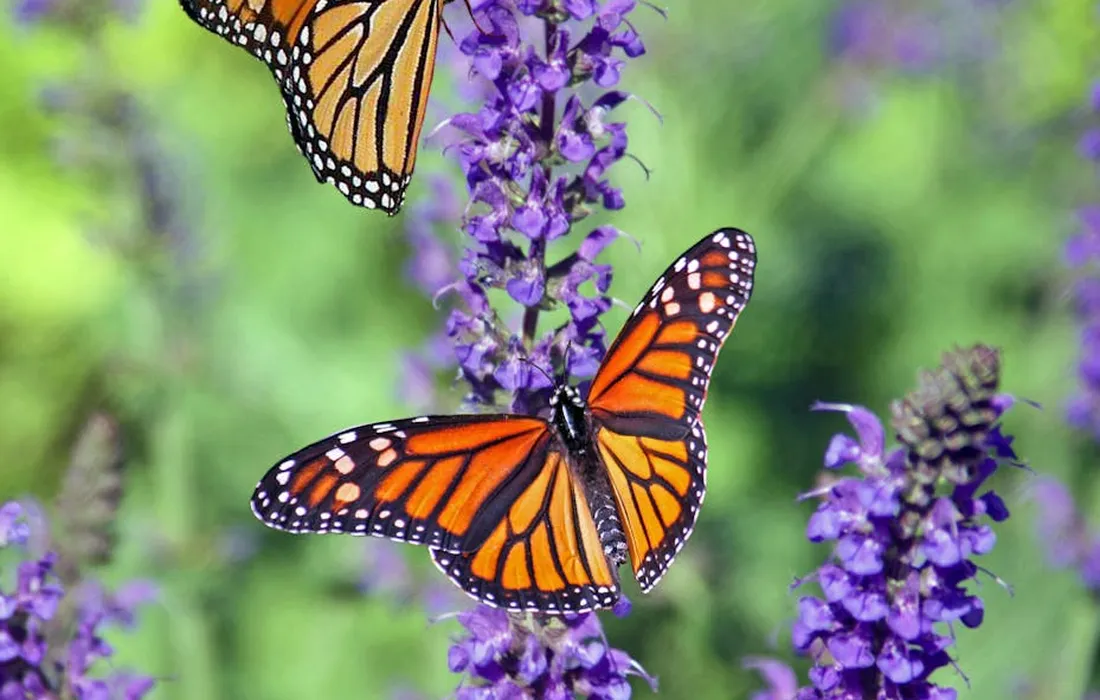
Just as some blooms can boost health, others carry a hidden threat for your scratching hens. I reckon knowing your poisonous plants is just as important as knowing your feed ratios, a lesson I learned when a neighbor’s lovely oleander clippings almost caused a tragedy. Stewardship means protecting your flock from harm, even when it comes from the prettiest petal.
Common Garden Plants to Avoid
Many ornamental favorites pack toxins in their leaves, stems, or roots. Chickens are naturally curious, and a single peck at the wrong plant can lead to droopiness, a halt in laying, or severe illness. Knowing which plants are chicken-safe and which are toxic helps keep your flock healthy. Here’s my list of common garden flowers that never get a place near my coop run.
- Azalea & Rhododendron: Every part of these shrubs is poisonous. Even a few leaves can cause weakness, vomiting, and leg paralysis in birds.
- Foxglove: Those tall, pretty spikes contain digitalis, which directly affects the heart. I don’t let it grow within sight of the barnyard.
- Lily of the Valley: Its sweet scent is deceptive. All parts, especially the red berries, contain cardiac glycosides that can cause an irregular heartbeat.
- Oleander: This is a hard and fast rule: every single part is toxic. Even the smoke from burning its trimmings is dangerous to all livestock.
- Daffodil & Narcissus: The bulbs are the biggest risk if your hens are digging. They cause severe vomiting, diarrhea, and tremors.
- Autumn Crocus: Don’t confuse it with the safe spring crocus. This fall bloomer contains colchicine, which leads to respiratory failure.
- Monkshood (Aconitum): Often called wolfsbane, it’s one of the most toxic plants you can grow. I treat it with the same respect as a rattlesnake.
A good rule of thumb is that plants with milky sap or bitter-tasting leaves are often trouble, but you should always check a reliable source before planting. I keep a worn poultry-plant guide right on my potting bench.
Managing Risk in Mixed Farm Gardens
Most of us want both a colorful flower bed and happy free-ranging chickens. With some simple design and daily habits, you can manage the risk without sacrificing your garden’s beauty. Here’s the strategy that’s worked on my farm for decades.
- Create Physical Barriers: Use affordable chicken wire or a low picket fence to cordon off beds containing toxic plants. It’s a clear boundary your flock will respect.
- Plant Protective Borders: Surround your vegetable garden or coop area with a thick hedge of chicken-safe herbs like rosemary, lavender, or bee balm. Hens often prefer these aromatic plants and will linger there instead.
- Time Your Free-Ranging: I let my birds out to forage when I’m outside working nearby. Supervised exploration, especially in spring when new plants emerge, prevents mishaps.
- Practice Diligent Weeding: Many toxic plants, like jimsonweed or larkspur, pop up as weeds. I spend a few minutes each morning patrolling the pasture and garden edges.
- Choose Raised Beds for Delicates: For my prized peonies or dahlias, I plant them in raised beds too high for a casual hop. It keeps the blooms safe from enthusiastic scratchers.
True thriftiness is found in preventing loss, and a proactive garden plan saves you heartache and vet bills down the road. Your land can provide for both the soul and the flock when you manage it with a watchful eye.
Growing a Chicken-Friendly Flower Garden
Now, I reckon the idea of a flower garden might seem purely pretty, but for us homesteaders, it’s a working part of the barnyard. I’ve spent many an afternoon watching my hens gleefully hunt bugs through the lavender stalks. Integrating flowers your chickens can eat transforms a simple patch of dirt into a thriving pharmacy and salad bar for your flock. It’s about getting double duty from every square foot-beauty for your soul and sustenance for your critters.
You don’t need a fancy landscape design. Start by eyeing the spaces your chickens already frequent. My first chicken garden was just a sunny strip along the run fence. The key is to plant with purpose, choosing varieties that offer more than just a peek of color, like those mentioned in this guide. Think of it as setting another place at the table for your birds, one filled with petals and leaves.
Planning Your Plot for Forage and Beauty
Before you turn a single shovelful of earth, take a walk with your chickens. See where they like to dust bathe and where the sun falls. Position your garden where it gets at least six hours of sun but has a bit of afternoon shade for those hotter days. I made the mistake of planting my first peonies in full, blistering sun, and they let me know they were unhappy.
Chickens are, bless their hearts, enthusiastic landscapers. They’ll scratch and dig. To keep some order, I use a few simple strategies:
- Low, sturdy fencing: A simple 18-inch tall wire fence around new plantings gives them time to establish. The chickens can still reach over to nibble, but their feet stay out.
- Designated forage zones: I aim for a loose rule of 10-15 square feet of planted flower space per hen. This keeps them from loving a plant to death in a single afternoon.
- Raised borders and tough perennials: Lavender and peony bushes are rugged once settled. Plant them along the edges where they can form a living barrier.
Your plant list should go beyond the stars. While peonies provide cover and lavender calms the coop, mix in these hardy, safe performers for a resilient garden:
- Nasturtiums: The entire plant is edible, packs a peppery punch, and trails beautifully.
- Calendula: Those bright orange petals are a powerhouse for skin and feather health.
- Sunflowers: Let the heads dry on the stalk; your flock will go wild for the seeds.
- Borage: Its fuzzy leaves and starry flowers are a favorite, and it self-seeds freely, saving you money.
Remember, the goal isn’t a pristine show garden. A little chicken-made chaos means your birds are engaged and finding their own nutrition. That’s the mark of a successful homestead plot. That said, there are garden risks to plants when chickens roam, so plan some protection for tender beds. We’ll cover how to balance chickens and crops in the next steps.
Seasonal Planting Guide for Continuous Blooms
Keeping something in bloom from spring to fall is easier than you might think. It just takes a pinch of planning. I keep a simple notebook by the back door to jot down what’s flowering and what the hens are enjoying most. Here’s a seasonal breakdown that’s served my farm well.
Early Spring (Plant as soon as the ground thaws):
- Sow seeds directly for hardy annuals like calendula and borage.
- Transplant established lavender and peony plants. This is the best time for them to settle in.
- This early buffet helps supplement their diet as the grass greens up.
Late Spring to Early Summer:
- Plant nasturtium and sunflower seeds after the last frost. They sprout quick in warm soil.
- This is when your lavender will start to perfume the air and your peonies will put on their grand show.
- The explosion of blooms corresponds with peak insect activity, creating a hunting paradise for the chickens.
Mid to Late Summer:
- Succession plant more calendula and nasturtiums for a fall show.
- Allow your sunflowers to mature and start drying on the stem.
- Herbs like basil and mint planted nearby can be shared treats, and they help deter flies.
Fall and Preparing for Winter:
- Let your chickens into the spent garden. They’ll clean up seeds and leftover greens, tilling the soil for you.
- Cut back lavender lightly, but leave peony foliage until it dies back naturally to feed the roots.
- Scatter seeds from your healthiest plants for a self-sowing surprise next spring.
This rotation ensures there’s always something new to peck at. Watching your hens migrate from the sunflowers to the nasturtium patch is a sure sign you’ve built a garden that works as hard as you do.
Beyond the Run: Flowers in Pasture and Forage Systems
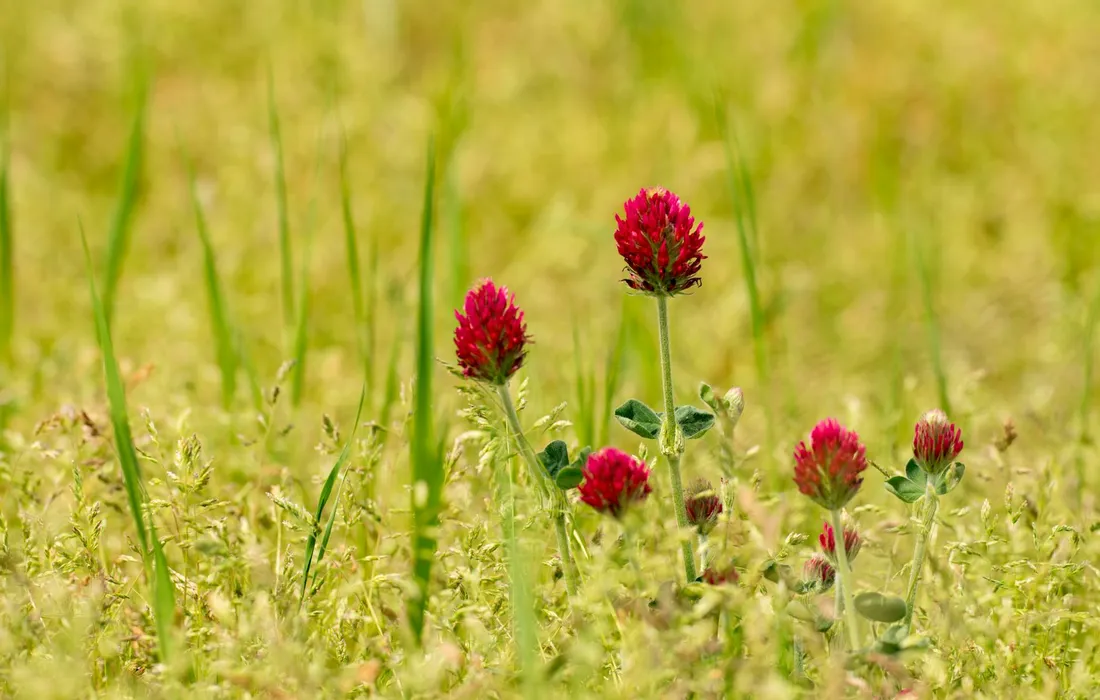
Now, let’s step outside the coop run and look at the bigger picture. Integrating flowers right into your pastures and forage areas isn’t just pretty-it’s smart husbandry. I’ve seen firsthand how a diverse pasture keeps critters healthier and cuts my feed bill. It’s about working with nature, not against it.
Enhancing Pasture with Beneficial Blooms
Think of your pasture as a living salad bar. The more ingredients you offer, the more balanced the diet. Scattering flower seeds into your existing grasses creates a polyculture that benefits the land and the livestock. This diversity builds resilience against pests and drought, something my granddad taught me watching his mixed fields thrive year after year.
You don’t need a perfect seed drill. I often just broadcast seeds by hand onto disturbed ground or lightly rake them in after the animals have rotated through a paddock. Here are some top performers for pasture integration:
- Sunflowers: These are a powerhouse. Their deep roots mine nutrients, and their leaves provide shade. Best part? The seeds are a high-protein, high-fat treat for chickens and pigs in the fall.
- Red Clover & Alfalfa: While technically legumes, their blooms are invaluable. They fix nitrogen in the soil and are highly palatable, nutrient-dense forage for geese and cows.
- Chicory: Don’t overlook its pretty blue flowers. The entire plant is a mineral-rich dynamo, with roots that break up compacted soil and leaves that are a tonic for digestion in all grazing animals.
- Nasturtiums & Marigolds: I let these spill into pasture edges. They act as a natural pest deterrent and their peppery, vibrant flowers are a sought-after snack by my flock.
But flowers aren’t just plant ’em and forget ’em. You must manage grazing rotation to let them establish. I use temporary electric netting to section off newly seeded areas until the plants are about six inches tall, ensuring they get a good start before the chickens discover them. This patience pays off with a self-sustaining forage system that yields for seasons to come.
Harvesting and Preserving Forage for Winter
Summer’s bounty doesn’t have to vanish with the first frost. Putting up floral forage is one of the thriftiest ways I know to bring summer’s goodness into the bleak winter months. It connects my animals to the cycle of the land, even when the ground is snow-covered.
My method is simple: harvest at peak bloom, dry thoroughly, and store away from light and moisture. Here’s how I handle specific plants:
- Lavender & Peony Leaves: I cut whole stems, bundle them with twine, and hang them upside-down in my dark, airy barn loft. Once crisp, I strip the leaves and flowers into glass jars. A handful in the winter nesting boxes does wonders for calming hens and keeping mites at bay.
- Calendula & Rose Petals: These are sun-dried single-layer on old window screens in the shade. Their bright color preserved, they become a vitamin-packed supplement I mix into warm mashes for poultry and pigs to boost vitality during molting or farrowing.
- Herbal “Hay”: Beyond just grass hay, I scythe patches of mixed chicory, clover in bloom, and plantain. I dry it slowly, turning it often to prevent mold. This herbal mix becomes a coveted treat I feed to my rabbits and goats in deep winter, providing trace minerals often lacking in dry grass hay.
Storing your harvest correctly is as important as the drying. I use airtight metal tins or dark glass jars, always labeled with the date. I reckon a cool, dry root cellar is perfect, but a cupboard away from the stove will do. Check your stores monthly for any sign of dampness-if you find any, spread that batch out to re-dry immediately to prevent spoilage. This little bit of summer, saved in a jar, is more than just food; it’s a testament to thoughtful, sustainable stewardship.
Closing Tips for a Blooming Barnyard
How many flowers can I safely feed my chickens each day?
Flowers should be a treat, not a main course. A good rule is that all treats, including flowers, should not make up more than 10% of your flock’s total daily food intake. Offer a few handfuls scattered in the run, and observe to ensure they are still eating their balanced layer feed.
Can I grow flowers that are safe for both my chickens and my other livestock?
Absolutely. Many safe flowers and herbs are excellent multi-species forage. Sunflowers, nasturtiums, calendula, and herbs like mint and oregano are generally safe for chickens, geese, pigs, and cows to nibble, providing shared nutritional benefits across your barnyard.
What’s the best way to introduce a new flower to my flock?
Start by offering a small amount of the new flower mixed with their favorite safe treats or regular feed. Scatter it in their run and watch their behavior closely for a day to ensure they accept it without any adverse effects before making it a regular offering.
Are dried flowers from the store safe for my chickens or nesting boxes?
Only if they are food-grade, organic, and guaranteed free from pesticides, dyes, or preservatives. It is often safer and more economical to dry your own garden-grown blooms. Never use craft-store dried flowers, as they are frequently treated with chemicals.
Which flowers are best for naturally freshening the chicken coop?
For coop freshening and nesting boxes, aromatic herbs like lavender, mint, and rosemary are top choices when dried. Their scents help mask odors and may gently repel pests, but they should be used as a supplement to, not a replacement for, good coop cleanliness and management.
If my chickens don’t eat the flowers I offer, should I be worried?
Not usually. Chickens have individual tastes and may ignore certain plants. Simply remove any uneaten fresh flowers after a few hours to prevent mold and try a different safe variety. If you’re curious about marigolds, they can fit as a small, occasional treat. Our flower safety feeding guide for marigolds explains which parts are safe and how to offer them. Their primary nutrition must always come from a complete feed, so a skipped floral snack is no cause for concern.
Shutting the Gate
My biggest piece of advice after all these years is simple: The most important tool in your husbandry kit isn’t a fancy feed scoop or a medicinal herb, it’s your own watchful eye, and you should use it every single time you introduce a new plant to your flock’s environment. Start with just a handful of petals or leaves, watch for a full day to see how your particular birds react, and let their behavior be your guide.
Seeing your hens scratch around a lavender bush or pluck a calendula petal is one of the quiet, fine rewards of this life. I reckon y’all will find your own favorites-maybe it’ll be the cheerful sunflower or the sturdy rose. So go on, plant a little extra beauty for your feathered crew this season, and then take a moment to lean on the fence and enjoy the simple joy of a happy, healthy flock. From my barn to yours, happy homesteading.
Further Reading & Sources
- Top 10 Flowers Chickens Can Eat – Grit
- Chicken Safe Plants List: Flowers, Herbs, Shrubs & Shade Ideas
- Best Herbs and Flowers to Grow for Chickens
Caroline Mae Turner is a lifelong farm girl raised on red clay, early mornings, and the sounds of a bustling barnyard. With hands-on experience caring for everything from stubborn goats to gentle dairy cows and mischievous pigs, Caroline shares practical, tried-and-true advice straight from the farm. Her goal is to help folks keep their animals healthy, well-fed, and living their best barnyard life. Whether you're wrangling chickens or bottle-feeding a baby goat, Caroline brings a warm Southern touch and plenty of real-world know-how to every bucket in the barn.
Herbal Supplements