Guinea Pig Feeding 101: The Homesteader’s Schedule for Healthy Herds
Published on: August 19, 2026 | Last Updated: August 19, 2026
Written By: Caroline Mae Turner
Howdy y’all. Let’s settle the big question first: keeping your guinea pigs fed right is less about strict mealtimes and more about ensuring they have a steady, unlimited supply of quality grass hay available around the clock, supplemented with measured pellets and fresh vegetables once or twice a day. Their little digestive systems are built for near-constant grazing, just like the sheep out in our pasture.
- An endless hay rack stuffed with timothy or orchard grass hay
- A small, heavy ceramic bowl for daily pellets
- A fresh chop of leafy greens and veggies
- A clean water bottle, checked twice daily
Stick with me, and we’ll turn this daily chore into a simple, clockwork routine that keeps your cavies content and lets you get back to the rest of your homestead duties.
The Foundation of a Guinea Pig Diet: Hay, Pellets, and Veggies
Now, I reckon you might be wondering what these little pasture puffballs have to do with a barnyard. Well, on our homestead, every creature has a purpose and a proper place at the table. Guinea pigs, or “cavies” as some call ’em, are no different. Their dietary needs are as specific as a chick’s need for grit or a pig’s love for mash. Getting this foundation right is the single biggest key to a healthy, chattering herd.
Unlimited Timothy Hay: The Bedrock of Digestion
Think of hay for a guinea pig like good, fibrous pasture for a cow-it’s what their system is built to process, day and night. Their teeth grow continuously, and constant chewing on long-strand hay keeps those choppers ground down and healthy. More importantly, it keeps their complex gut moving. Offering unlimited, high-quality grass hay is non-negotiable; it prevents lethal gut stasis and fuels their little bodies from the inside out.
Selecting High-Quality Hay for Your Herd
Not all hay is created equal. You want hay that smells sweet and faintly of a sun-dried meadow, not dusty or musty. Look for a greenish hue with plenty of long, leafy strands. I shake out a flake over my boot to check for excessive dust, which can cause respiratory issues. For adult cavies, timothy or orchard grass hay is perfect. For young pups or nursing sows, you can mix in some alfalfa for extra calcium and protein, but it’s too rich for everyday use for grown pigs.
Pellets: A Measured Source of Vital Nutrients
Pellets are your fortified supplement, not the main course. A common mistake is filling the bowl with pellets and letting the hay run low-that’s a sure path to an obese pig with dental problems. Look for a plain, timothy-based pellet formulated specifically for guinea pigs, with a guaranteed vitamin C level (they can’t make their own, just like us). Steer clear of colorful mixes with seeds and dried bits; those are just junk food that they’ll pick through, leaving the nutrition behind. A simple, uniform pellet ensures they get what they need with every bite.
Fresh Vegetables: Daily Greens for Vitamin C
This is where you get to be a chef for your critters! Fresh veggies provide essential moisture, nutrients, and that crucial vitamin C. A lack of it leads to scurvy, making them weak and prone to illness. I treat their veggie ration like I do the scratch grains for my chickens-a daily delight that’s measured and mindful. Introduce new greens slowly to avoid upsetting their delicate digestive balance, and always wash produce thoroughly to remove any pesticide residue.
Building a Safe and Varied Greens Menu
Stick to leafy greens and a few safe, colorful favorites. For leafy greens, knowing safe types, portions, and general feeding guidelines for rabbits helps keep this approach on track. I’ve found a rotation works best to keep them interested and nutritionally covered.
- Daily Staples: Romaine lettuce, green leaf lettuce, cilantro, and bell peppers (any color-they’re vitamin C powerhouses).
- Weekly Treats: Cucumber slices, zucchini, a small carrot, or a cherry tomato.
- What to Avoid: Iceberg lettuce (it’s just water), all varieties of cabbage and raw potatoes (cause gas), and anything from the onion family. If you wouldn’t feed it to your rabbit, don’t feed it to your guinea pig.
Fresh Water: The Non-Negotiable for Hydration
This seems obvious, but I’ve seen folks get lackadaisical about it. A heavy ceramic crock or a clean, leak-proof bottle must be checked and refreshed every single day, without fail. In summer, I check twice. Algae, old food, and bacteria can build up in a water source faster than you’d think, so a quick daily scrub is part of the ritual. I add a splash of vitamin C to their water only if I’m certain they’ll drink it all that day, as it degrades quickly in light.
Crafting Your Daily Guinea Pig Feeding Routine
Consistency is kindness on the homestead. These little fellows thrive on a predictable schedule, much like my geese waiting at the gate for their evening grain. A routine prevents overfeeding, lets you monitor each pig’s appetite (a key health indicator), and turns care into a bonding time.
Morning and Evening: The Twin Pillars of the Schedule
I follow the sun’s rhythm. At morning chores, I refresh their hay rack, ensuring it’s overflowing. I give them their measured daily portion of pellets in a clean dish. Then, I offer their first veggie ration. At evening chores, I remove any uneaten pellets (they can get stale), fluff up the hay again, and provide their second, smaller helping of fresh vegetables. This split feeding keeps their metabolism steady and gives them something to look forward to, breaking up the day.
Portion Control: How Much to Offer at Each Feeding
Overfeeding pellets is the most common error. An average adult guinea pig only needs about 1/8 cup of plain timothy pellets per day. Yes, that’s all! The bulk of their diet (80% or more) should be that unlimited hay. For veggies, aim for roughly one cup total per pig per day, split between the two feedings. Adjust slightly for very large or small breeds, and always watch their condition-a round, firm belly is good; a saggy, fat pad over the shoulders is not.
Step-by-Step Guide to Measuring Daily Food
- First, Hay: Fill a large, sturdy rack until it’s brimming. Top it off every time you walk by.
- Second, Pellets: Scoop 1/8 cup per adult pig into a communal bowl each morning. Discard any leftovers at night.
- Third, Veggies: Wash and chop your selected greens. In the morning, offer about 2/3 of their total daily cup. In the evening, offer the remaining 1/3.
- Always, Water: Empty, scrub, and refill both a bottle and a bowl daily. It’s a backup system that’s saved me more than once.
Stick to this simple plan, and you’ll have vibrant, active guinea pigs whose happy chirps will become a sweet part of your daily homestead melody.
Understanding Guinea Pig Eating Habits and Behavior
Constant Grazing: Why Hay Should Always Be Available
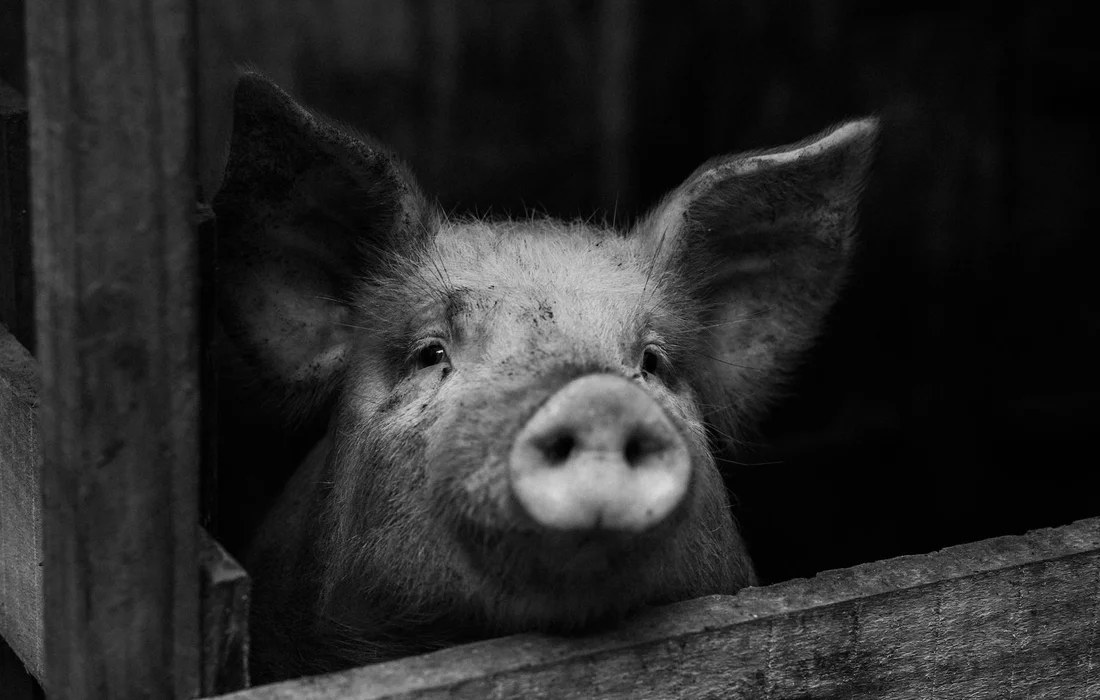
Watch a guinea pig for just an hour, and you’ll see they eat like a miniature dairy cow-slow, steady, and constant. Their digestive tract is designed for a near-continuous intake of roughage. I keep a hefty flake of timothy hay in every cage, day and night, because an empty hay rack is an invitation for gut stasis, a dangerous shutdown. Their teeth grow constantly, too, and chewing that fibrous hay keeps them ground down naturally. Luckily, it’s the right kind of fiber for them.
From my barn to yours, here’s what unlimited hay does:
- Maintains healthy gut motility, preventing bloat and discomfort.
- Wears down those ever-growing molars to prevent painful overgrowth.
- Provides the essential fiber that makes up over 70% of their diet, keeping everything moving smoothly.
Digestion and Cecotropes: The Cycle of Nutrient Recycling
Here’s a fascinating bit of barnyard biology: guinea pigs are coprophagic, meaning they eat some of their own droppings. Now, don’t fret-it’s a smart system. They produce special, soft pellets called cecotropes packed with B vitamins and protein. This is a built-in gut strategy to reclaim nutrients from fibrous food. Understanding this helps explain pig digestive system behavior—why they eat certain things to stay healthy. You might see your piggie curl around and nibble these directly from its nether end, which is a critical, healthy behavior for nutrient absorption. It’s their version of a cow chewing cud, a brilliant bit of nutrient recycling.
If this behavior stops, it’s a red flag. A disrupted cecotrope cycle often points to diet imbalance or illness, much like a scouring calf tells you something’s off.
Feeding as Enrichment: Encouraging Natural Foraging
A bored guinea pig is a lot like a penned chicken with nothing to peck at-it leads to fussiness and stress. In the wild, they’d spend hours foraging. I mimic this by scattering their daily handful of leafy greens throughout their bedding or hiding hay in simple toilet paper tubes. This turns a simple meal into a engaging activity that satisfies their natural instincts.
Try these thrifty enrichment ideas I use on the farm:
- Use a clean, shallow box filled with orchard hay and let them root around for dried herb snippets.
- Skewer thick veggie chunks like zucchini on a safe, horizontal wire for them to tug and nibble.
- Rotate between three types of grass hay (timothy, orchard, meadow) to keep their interest peaked with new smells and textures.
Special Feeding Considerations for Different Life Stages
Feeding Young, Growing Guinea Pigs
Pups grow faster than spring piglets, doubling their weight in weeks. Their building bodies demand more protein and calcium. From birth to about six months, I offer unlimited alfalfa hay alongside their grass hay, as alfalfa’s higher protein (around 16-18%) and calcium supports rapid bone and muscle development. Pair this with a quality juvenile pellet.
My step-by-step for growing pups:
- Provide free-choice alfalfa hay as their primary roughage source.
- Choose a pellet with a guaranteed 18-20% crude protein and added vitamin C.
- Introduce fresh veggies like cilantro and romaine slowly after three weeks of age.
Adjusting for Pregnant or Nursing Sows
A pregnant or nursing sow works harder than a broody hen with a dozen chicks. Her energy and nutrient needs skyrocket. I increase a sow’s pellet ration by a solid third and keep alfalfa hay available throughout lactation for that crucial calcium needed for strong bones and milk. Remember my sow, Bertha? She cleaned her plate twice a day while nursing her litter, and we kept her diet rich and consistent.
Keep her in top shape with these adjustments:
- Monitor her body condition; she should feel solid, not fat.
- Double up on vitamin C sources-a few extra slices of bell pepper or kale daily.
- Ensure constant access to fresh water, as milk production is dehydrating work.
Caring for Senior Guinea Pigs with Slower Habits
An older guinea pig, much like a senior goat, often deals with worn teeth and a slower metabolism. Chewing long-stem hay can become difficult. I switch my elders to softer, second-cut timothy hay and sometimes soak their pellets into a mash or offer grated vegetables to ensure they get enough calories without the hard chew. It’s a simple act of stewardship that respects their years.
Tailor their care with these practical steps:
- Schedule regular checks for elongated teeth, a common issue in seniors.
- Provide food in low, flat dishes so they don’t have to stretch or struggle.
- Consider slightly reducing high-calcium veggies like parsley if bladder stones have been a concern, focusing on vitamin C-rich, low-calcium options like cucumber.
Avoiding Common Feeding Mistakes and Health Risks
Just like a chicken that’ll gorge itself on scratch grain or a hog that’ll root up more than it needs, our smaller barnyard charges can get into dietary trouble if we aren’t mindful. Good stewardship means knowing not just what to feed, but also what pitfalls to sidestep for a critter’s long-term health. I’ve learned these lessons the hard way, so y’all don’t have to.
Obesity Risk: The Danger of Overfeeding Pellets and Treats
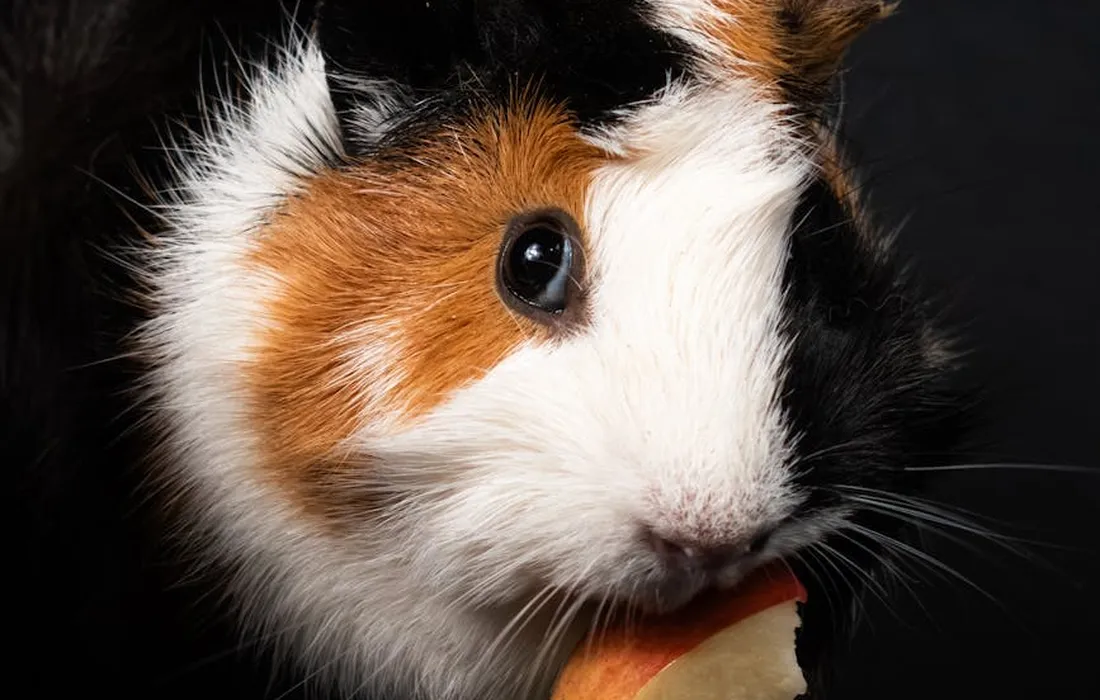
Think of commercial pellets like rich grain feed-it’s a concentrated supplement, not the main course. A belly full of pellets means a belly with no room for the long-stem forage it’s designed to process. An overweight guinea pig faces the same joint and heart strain as an over-conditioned show pig, but without any of the supposed payoff. Limit pellets to about 1/8 cup per pig per day, and see treats like carrot or apple slices not as a daily right, but as a rare privilege, no bigger than your thumbnail. Rabbits face the same concerns about pellet overfeeding and benefit from daily portion guidance and a simple refusal guide to help curb pellet intake while keeping hay and fresh greens as the main diet.
Foods to Avoid: Iceberg Lettuce and Sugary Fruits
Not all greens are created equal. Iceberg lettuce is the nutritional equivalent of empty straw—mostly water with little benefit, and it can lead to messy, unpleasant results. Stick with dark, leafy greens like romaine, kale, or the tops of radishes and carrots you grow yourself for substance and vitamins. Carrot greens—the leafy tops of carrots you grow yourself—can be a welcome option for guinea pigs in small amounts, and some pig owners include them as a crunchy treat. Just introduce any new greens gradually and in moderation. As for fruits, a blueberry or two is plenty. A bowl of grapes or a banana slice is a sugar bomb their systems aren’t built for, inviting digestive upset and weight gain. If you wouldn’t feed it generously to your laying hens for fear of affecting their eggs, don’t feed it to your guinea pig.
Spotting Spoilage: Keeping Veggies and Hay Fresh
We wouldn’t let the chickens’ feed mold in the trough, and we must afford the same care to our smaller stock. A damp, wilted piece of kale can spoil faster than you reckon.
- Hay is the Foundation: Store your timothy or orchard grass hay in a dry, breathable container like a clean trash can in the barn. It must smell sweet, like dried grass, not dusty or musty.
- Veggie Vigilance: Offer fresh veggies in a heavy ceramic dish (they’ll tip a light one) and remove uneaten portions within a few hours. This prevents bacterial growth and deters flies.
- The Sniff Test: Your nose knows. If the hay has lost its fresh scent or the veggies are getting slick, toss them straight to the compost. Feeding spoiled forage is a sure path to a sour stomach, and in a prey animal, that can go downhill faster than a calf on ice.
Emergency and Supportive Feeding Methods
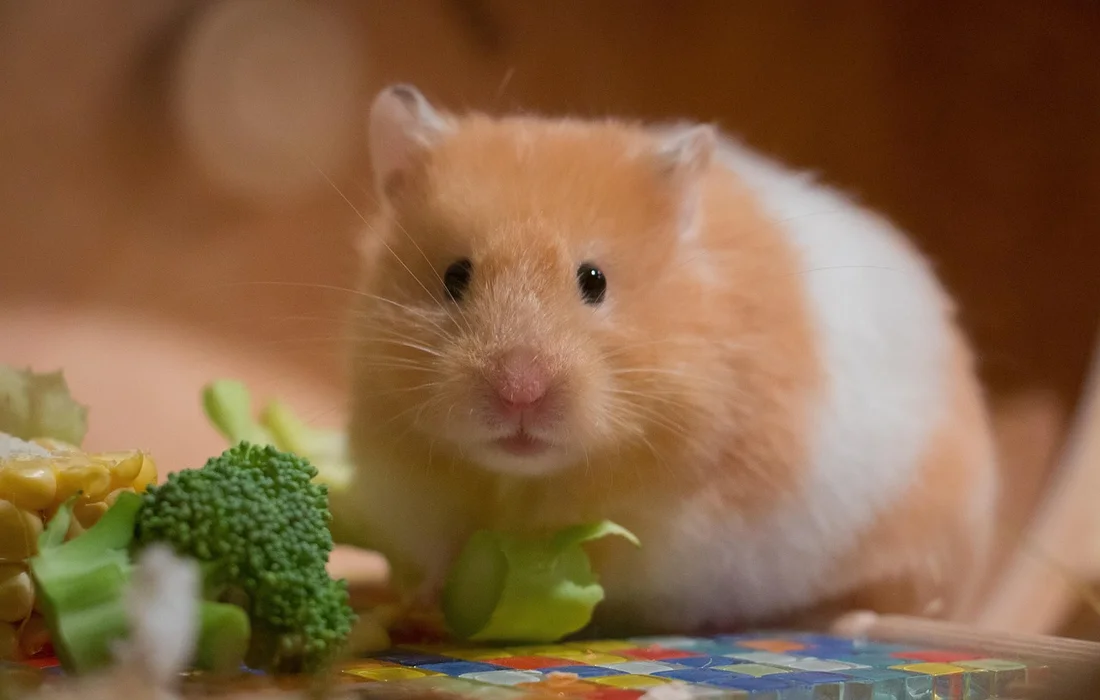
Sometimes, despite our best care, a critter takes a turn. Whether it’s from illness, dental problems, or post-operative recovery, knowing how to step in with nutritional support is a critical skill. It’s the same principle as bottle-feeding a weak lamb or helping a sick chick drink-you’re providing life-giving sustenance when they cannot get it themselves.
When and How to Use Syringe Feeding
Syringe feeding is not for the faint of heart, but it is for the compassionate and determined. You’ll need this if your guinea pig stops eating entirely-a true emergency. A sudden lack of appetite is as serious in a guinea pig as it is in a dairy cow; their gut motility depends on constant intake.
- Get the Right Supplies: Purchase a 1cc oral syringe (no needle) and critical care formula from your vet or farm supply. In a pinch, you can make a slurry from their pellets soaked in water.
- Mind the Mechanics: Hold the piggy securely, wrapped in a towel. Place the syringe tip gently behind the front incisors, aiming toward the cheek. Administer tiny amounts-0.2cc to 0.5cc at a time-letting them swallow between pushes.
- Patience is the Rule: This is not a race. The goal is to get enough slurry into them to keep their gut moving until they can see the vet. I’ve spent many an evening in the barn with a piggy in my lap, offering slow, steady encouragement one tiny syringe at a time.
Monitoring Weight and Appetite for Early Warning Signs
The best emergency feeding is the one you avoid by catching trouble early. These small animals hide weakness, so you must be a detective.
- Weekly Weigh-Ins: Use a simple kitchen scale. A loss of even two ounces can be a major red flag. I keep a little notebook by the scale, same as I do for tracking my goats’ condition scores.
- Observe the Pile: Notice how much hay is disappearing from the rack and how many pellets are left. A clean pellet dish with a full hay rack is a backwards situation that spells trouble.
- Know Their Normal: Does your guinea pig come running at the rustle of the greens bag? A lag in that response is often the very first sign something’s amiss. Catching a dip in appetite early is cheaper and kinder than a frantic syringe-feeding session at midnight. It’s the core of good, preventative husbandry.
Final Tips for the Homesteader
How does a guinea pig’s feeding schedule integrate with my other barnyard chores?
Their schedule aligns perfectly with a homesteader’s natural rhythm of morning and evening feedings. Tending to their hay, pellets, and veggies can be done right after you check your chickens’ water or before you turn the larger stock out to pasture, making it a seamless part of your daily stewardship.
Is there a simple feeding chart I can reference for portions?
Think of it as a simple three-part rule: provide a mountain of hay, a modest 1/8 cup of pellets per adult pig daily, and about one total cup of fresh veggies, split between two feedings. This easy formula ensures their nutritional needs are met without overcomplicating your routine. If you’re curious about how much pigs eat per day and the daily feeding requirements guidelines, you can adjust portions to suit age, size, and activity. These guidelines help you gauge daily intake and prevent over- or under-feeding.
What are the best times of day to feed my guinea pigs their veggies and pellets?
The most sustainable times are when you’re already doing your other animal chores, typically at dawn and dusk. This consistent, twice-daily routine provides mental enrichment and helps you monitor their health by observing who comes eagerly to eat at each feeding.
Can you give a quick-start feeding guide for a new homesteader?
Absolutely. First, install a full hay rack that never empties. Second, offer a small, measured amount of pellets each morning. Third, provide fresh greens twice daily, and finally, ensure pristine water is always available. This priority list keeps their core needs covered.
How does guinea pig feeding behavior differ from my rabbits or chickens?
Unlike chickens who peck at meals or rabbits that may eat more sporadically, guinea pigs are true constant grazers, requiring 24/7 access to hay. They also often eat as a social herd activity and practice coprophagy to recycle nutrients, which are key behavioral differences to understand, especially when considering cross-species feeding.
When is syringe feeding necessary, and how do I do it safely?
Syringe feeding becomes critical if a pig stops eating entirely, as their gut health depends on constant intake. Always consult a vet first, then use a critical care formula and administer tiny amounts slowly and to the side of the mouth to prevent aspiration, supporting them until professional help is available.
Back to the Hutch
When you strip it all back, a happy, healthy guinea pig life is built on the steady, reliable rhythm of a full hay rack and fresh greens twice a day. It’s the cornerstone that keeps everything else-from their digestion to their dental health-running smooth as a tractor on a flat field. I’ve kept these whistlin’ critters for years, and that consistent routine has never steered me wrong.
So, from my homestead to yours, I hope you find a real peace in the daily ritual of caring for your little herd. There’s nothin’ quite like the sound of a contented piggy munchin’ away to remind you of the good, simple things. Take care of your animals, and they’ll surely take care of your heart. Happy farming, y’all.
Further Reading & Sources
- Guinea pig feeding schedule and dietary needs
- Guinea pig feeding schedule: Tips for a balanced diet
- Guinea Pig Care: Ultimate Feeding & Diet Guide | GuineaDad
Caroline Mae Turner is a lifelong farm girl raised on red clay, early mornings, and the sounds of a bustling barnyard. With hands-on experience caring for everything from stubborn goats to gentle dairy cows and mischievous pigs, Caroline shares practical, tried-and-true advice straight from the farm. Her goal is to help folks keep their animals healthy, well-fed, and living their best barnyard life. Whether you're wrangling chickens or bottle-feeding a baby goat, Caroline brings a warm Southern touch and plenty of real-world know-how to every bucket in the barn.
Feeding Habits