Guinea Pigs and Insect Consumption: The Farmer’s Fix for a Protein Treat
Published on: September 5, 2026 | Last Updated: September 5, 2026
Written By: Caroline Mae Turner
Howdy y’all. Yes, your guinea pig can eat a few specific insects like dried mealworms or crickets as a very occasional snack, but their belly is built for hay and greens, not a bug-based diet. I’ve watched my own curious herd investigate a crawling critter in their pen, and it’s a common sight that brings up questions at the feed store.
What you’ll need:
- Dried mealworms or crickets from a pet supply store (never wild-caught)
- A small, heavy dish to offer the treat
- A watchful eye for the next hour
- The restraint to keep it a rare event-once a fortnight is plenty
Stick with me, and we’ll have this figured out faster than you can slop the hogs, so you can get back to your other chores.
Understanding Guinea Pig Digestion: Why Hay Comes First
Let me tell you, after years with guinea pigs in the barn alongside my chickens and goats, I’ve seen what keeps them thriving. Their whole digestive clock is set to the steady tick of hay moving through their gut, and ignoring that rhythm is a sure path to vet bills.
These little fellows are hindgut fermenters, much like rabbits. That means they need a constant supply of long-stem fiber to keep their digestive tract churning properly. I keep a simple wire rack stuffed with hay in every cage, and I check it twice a day, same as I do the water troughs for the cows.
Here’s my barn-tested approach to putting hay first:
- Offer unlimited, fresh hay. A guinea pig should eat a pile about the size of its own body daily.
- Choose timothy or orchard grass hay as the main staple. It’s affordable and mimics the dry grasses they’d forage in the wild.
- Use a heavy ceramic feeder to reduce waste. Thriftiness means using every stem, not buying less.
I reckon if you get the hay right, you’ve solved eighty percent of guinea pig husbandry before you even start.
The Role of Dietary Fiber and Calcium Balance
That dietary fiber isn’t just bulk; it’s functional. It prevents gastrointestinal stasis, a deadly condition where the gut slows to a stop. I’ve massaged more than one bloated belly in my time, and I can tell you, an ounce of prevention in the hay manger is worth a pound of cure.
Calcium balance is the other side of this coin. Too much, and you risk painful bladder stones. Too little, and you weaken bones. It’s a delicate dance, and your choice of hay leads the music.
Let’s look at the numbers so you can manage it smartly:
| Hay Type | Key Fiber Role | Calcium Level | My Barnyard Advice |
|---|---|---|---|
| Timothy Hay | High, coarse fiber for gut motility and tooth wear | Low (approx. 0.3-0.5%) | The go-to for all adult guinea pigs. Buy it by the bale for savings. |
| Orchard Grass Hay | Softer fiber, good for picky eaters | Low | A fine alternative if timothy is scarce. My herd does well on a mix. |
| Alfalfa Hay | Moderate fiber, higher protein | High (approx. 1.2-1.8%) | Reserve for youngsters under 6 months or nursing sows. For adults, it’s a treat, not a staple. |
I keep a separate bin for alfalfa and sprinkle it sparingly. Managing calcium is about stewardship-giving their bodies what they need without overburdening them.
The Insect Nutrition Debate: Protein Source or Unnecessary Risk?
Now, I know some folks see chickens gobble up bugs and wonder if their guinea pigs might benefit. It’s a fair question from a thrifty homesteader’s mind. But from where I stand, with a barn full of herbivores and omnivores, I see a fundamental mismatch in biology when it comes to feeding guinea pigs and chickens.
Guinea pigs are obligate herbivores. Their entire digestive system, from their teeth to their long cecum, is engineered to process plant matter. Introducing insect protein is an unnatural stress on a system built for hay and greens.
Let’s weigh the debate plainly:
- The Protein Promise: Yes, dried mealworms can be 50% protein. But a grown guinea pig only requires a diet of 16-20% protein, easily met with quality hay (12-14% protein in timothy) and a small portion of fortified pellets.
- The Real Risks: Their guts aren’t designed to digest chitin, the hard shell of insects. This can cause impaction. There’s also the risk of introducing pathogens or triggering allergic reactions.
I tried a few mealworms with a test group years ago, and the result was soft stools and uneasy critters. It taught me that respect for an animal means honoring its natural diet, not forcing ours upon it.
For sustainable protein, focus on excellent hay and a measured scoop of plain, timothy-based pellets. Sometimes the wisest, most economical choice is to feed the simplest diet nature intended.
Safe and Unsafe Insects for Your Herd
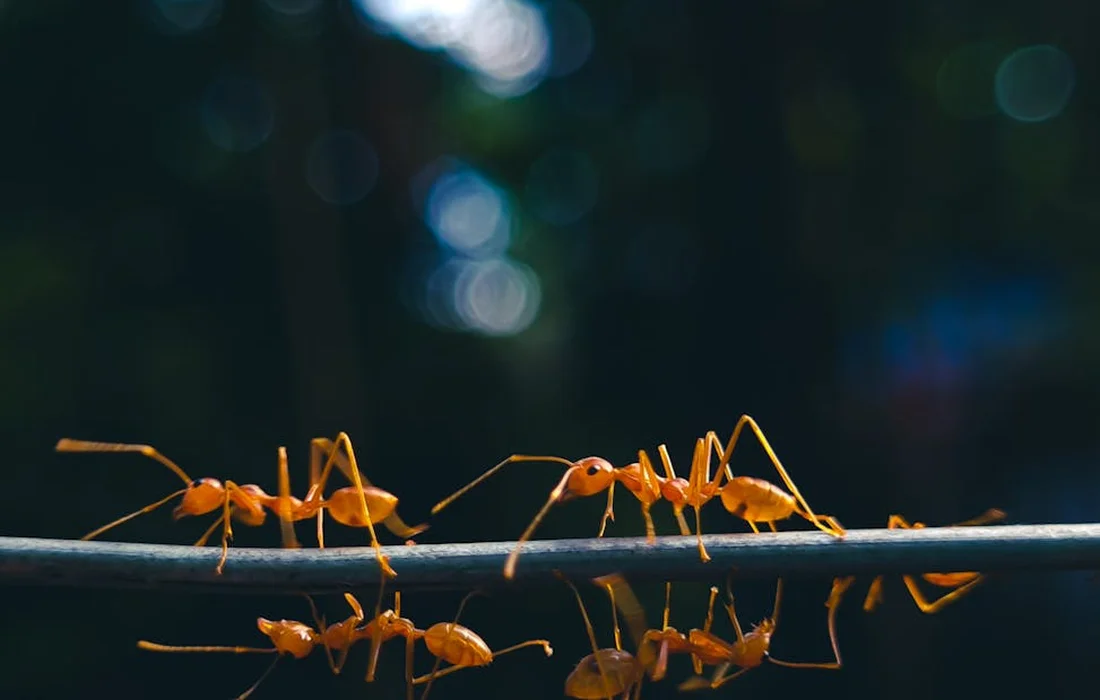
Now, I reckon y’all might be surprised to hear this, but not every bug that crawls or flies is a suitable snack for your guinea pigs. Knowing which insects are safe is a cornerstone of responsible, thrifty husbandry, turning a potential risk into a nutritious reward for your guinea pigs (unlike some human snacks). I learned this lesson early on when one of my first herds found a cluster of bright red beetles-a mistake we caught just in time. Let’s set the record straight so your critters can enjoy a safe forage.
Edible Insects: Crickets, Mealworms, and Black Soldier Fly Larvae
These three are the reliable workhorses of insect protein for small livestock. I keep a small tub of mealworms right in the barn for training and treats, and the pigs take to them like ducks to water. Here’s the down-low on each, from my experience:
- Crickets: A fine source, running about 60-70% protein. I find farm-raised crickets are best, as wild ones could carry parasites. They’re lively, which encourages natural foraging behavior.
- Mealworms: These are a fattier treat, around 50% protein, so I use them sparingly-maybe three or four per pig, twice a week. They’re dry and easy to store, perfect for winter when fresh greens are scarce.
- Black Soldier Fly Larvae (BSFL): My personal favorite for sustainability. These wrigglers pack a punch at roughly 40-45% protein and are rich in calcium, which is mighty good for bone health. I often cultivate a small batch in a compost bin out back, turning kitchen scraps into premium feed.
You can source these from reputable feed stores or start your own colony. Always ensure they’re raised for feed, not wild-caught, to avoid pesticides or disease.
On the other side of the fence, some insects are plain trouble. Fireflies, for instance, contain a toxin that can be fatal. I also steer clear of any brightly colored beetles, ants, and caterpillars from unknown plants. When in doubt, the old barnyard rule applies: if you wouldn’t recognize it on sight, don’t let your herd put it out of sight. A simple table helps keep it straight in your mind:
| Safe Insects | Why They’re Good | Feed Frequency |
| Farm-Raised Crickets | High protein (~65%), encourages activity | A few, 2-3 times weekly |
| Dried Mealworms | Protein & fat source, easy storage | 3-4 per pig, 1-2 times weekly |
| Black Soldier Fly Larvae | Balanced protein & calcium, sustainable | Small handful, 2-3 times weekly |
| Unsafe Insects | Why to Avoid | Risk |
| Fireflies (Lightning Bugs) | Contain lucibufagins, a potent toxin | Can cause fatal poisoning |
| Wild Beetles & Caterpillars | May carry parasites or plant toxins | Digestive upset, illness |
| Ants (especially fire ants) | Can bite or sting, causing pain and stress | Physical injury, allergic reaction |
Step-by-Step Guide to Introducing Insects
Introducing new food is like introducing a new animal to the pasture-you do it slow and with a watchful eye. Rushing this process can upset delicate stomachs and make your guinea pigs wary of a perfectly good meal. Here’s how I’ve done it for years without a hitch.
- Start with a Single Source. Pick one insect, like dried mealworms, for the first trial. This way, if there’s a reaction, you’ll know the culprit.
- Offer a Tiny Taste. On the first day, give one small insect to each guinea pig. I place it in their regular feed dish so it’s not too startling.
- Observe for a Full Day. Watch their behavior and droppings. You’re looking for normal activity and firm waste. Any sign of lethargy or loose stools means you should stop and try a different bug later.
- Gradually Increase Quantity. If all is well after two or three days, you can offer a bit more. For a standard guinea pig, a teaspoon of BSFL or a few crickets per feeding is a fine limit.
- Make It a Regular Treat. Once they’re accustomed, incorporate insects into their routine as a protein supplement, not a main course. I never let insects make up more than 5% of their overall diet.
- Rotate Your Sources. Just like with vegetables, variety prevents nutritional gaps and boredom. I might do mealworms one week and BSFL the next.
- Always Provide Fresh Water. This is non-negotiable. Eating drier insects like mealworms increases their need for hydration.
Remember, these steps honor the animal’s health and your stewardship. Thriftiness isn’t about cutting corners; it’s about wisely using every resource, including these little packets of protein, to build a resilient herd.
Health Impacts: Benefits, Hazards, and Infection Myths
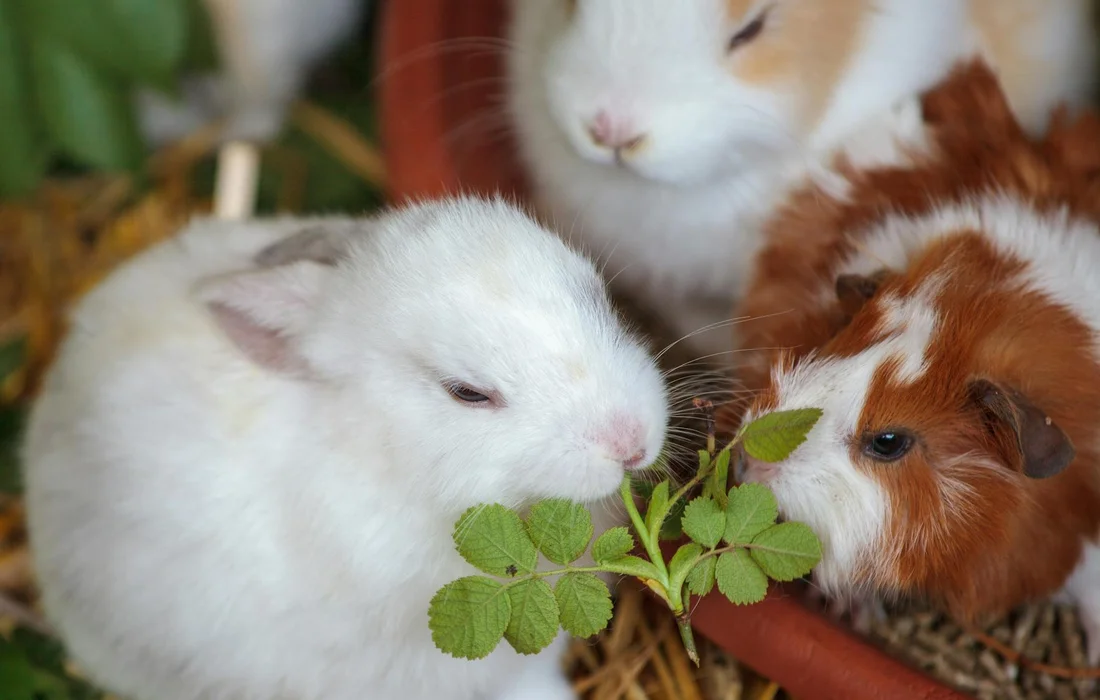
Now, let’s talk straight about what happens when a guinea pig nibbles on a bug. I’ve kept cavies for years, and while they’re marvelous at clearing veggie scraps, their design is for plants, not protein. Guinea pigs are strict herbivores with digestive systems built for fermenting hay, not processing chitin from insect shells.
The notion of a “benefit” from insects is a tricky one. In my barn, I’ve never seen a healthy guinea pig seek out a cricket. Their required protein, a mere 16-20% in pellets, comes from alfalfa or timothy hay. Introducing animal protein can unnecessarily strain their kidneys and disrupt the delicate gut flora they need to stay regular.
The real hazards are practical. A bug from the garden might carry trace pesticides, or a worm from the compost could harbor parasites. I recall a time one of my young boars got ahold of a sluggish beetle; it gave him a nasty case of the squirts for two days. Their sensitive digestion has no room for error, making any unknown insect a potential hazard.
Let’s squash a big myth right here: the idea that insects directly cause bacterial infections like salmonella in guinea pigs. It’s overstated. The risk is less about the bug itself and more about where it’s been. A clean, captive-bred insect is far different than a wild one crawling through manure, but for guinea pigs, the safest route is to avoid the question altogether.
Recognizing Signs of Trouble
If you suspect your guinea pig has ingested something it shouldn’t, watch like a hawk. Their health can turn quickly. The first sign is often a change in their droppings; small, misshapen, or absent pellets signal a gut slowdown.
Here’s what I look for in my herd:
- Lethargy: A pig that’s usually popcorning but now huddled in a corner.
- Loss of Appetite: Ignoring their morning hay is a bright red flag.
- Diarrhea or Soft Stool: This is an emergency, leading to dehydration fast.
- Unusual Posture: A hunched back often means belly pain.
Time is of the essence. For something like insect ingestion, withholding food is wrong; instead, ensure they have unlimited fresh hay and water to help their system move the irritant along. If symptoms persist more than a few hours, a vet visit is non-negotiable.
Insects on the Homestead: Feeding Guinea Pigs vs. Chickens and Pigs
On a working homestead, insects are golden, free protein for many critters-but you must know your audience. What’s a nutritional boon for an omnivore can be a digestive curse for an obligate herbivore like the guinea pig.
My chickens and pigs get the lion’s share of our insect harvest. Black soldier fly larvae from my composter pack a 42% protein punch, ideal for boosting egg production. That’s why black soldier fly larvae are my premium insect feed for chickens. I’ll scatter a handful for the hens, and they’ll scratch and peck, getting both food and enrichment. The pigs, meanwhile, will root for grubs in their designated pasture, turning pest control into free calories.
For guinea pigs, the equation is simple: their “insects” should be the beneficial microbes in their cecum that break down cellulose. Invest your effort in growing high-quality orchard grass or letting them graze a safe, chemical-free lawn instead of pondering insect supplements. Different grass types offer varying fiber levels and chewability that influence gut health and dental wear. Understanding these grass types’ benefits for guinea pigs can guide your feeding choices.
Let’s break down the differences clearly:
| Animal | Diet Type | Insect Role | My Homestead Practice |
|---|---|---|---|
| Guinea Pig | Strict Herbivore | None. Avoid. | Fresh hay always, daily vitamin C-rich veggies like bell pepper. |
| Chicken | Omnivore | Core protein source (up to 10% of diet). | Scatter mealworms or BSF larvae as supplement; let them free-range for ticks. |
| Pig | Omnivore | Valuable dietary supplement & natural behavior. | Allow rooting in rotated pastures; add dried soldier flies to ration in winter. |
Being thrifty means using resources wisely. Those mealworms you raise? A cost-saver for the flock, but keep them far from the guinea pig hutch where their primary currency is always, always fiber. It’s about respecting the natural design of each animal on your place.
Ethical Sourcing and Sustainable Insect Farming
Now, when we consider adding insects to the menu for your barnyard critters, from curious guinea pigs to eager chickens, where you get those bugs is a matter of good conscience. Ethical sourcing isn’t just a fancy term; it’s about knowing the journey your animal’s feed took, ensuring it aligns with a respect for all living things in your care. I’ve learned over years at the trough that what you feed today builds tomorrow’s health.
The Heart of Ethical Insect Procurement
Buying insects for feed? Treat it like picking out a new laying hen. You want to see the conditions for yourself, or at least trust a supplier who operates with openness and care for their tiny livestock. I recall a vendor at the county fair who showed photos of his clean, leafy cricket pens, and that transparency sold me more than any price tag could.
- Seek out farms that feed their insects plant-based waste, like unsold produce from markets, creating a virtuous cycle.
- Ask point-blank about population density; overcrowded bins are a red flag for disease and poor welfare.
- Prioritize suppliers who use humane harvest methods, like rapid chilling, to minimize suffering.
Setting Up Your Sustainable Bug Buffet
For the homesteader aiming for thrift and sustainability, farming your own insects is a powerful step. Black soldier fly larvae are nature’s little upcyclers, transforming your kitchen scraps into a protein-rich feed topping that can hit 45% protein-perfect for supplementing poultry or pig rations. For backyard chickens, it’s a sustainable protein boost that can cut feed costs. Turning kitchen scraps into feed keeps waste out of the bin and into their bowls. My own set-up, built from repurposed storage totes, sits right in the garden shed for easy tending.
- Select a dark, vented container and place it in a warm spot (around 80°F is ideal for most species).
- Prepare a bedding of moistened cardboard or peat moss to give larvae a place to pupate.
- Introduce your starter culture and add vegetable scraps daily, avoiding meats and oils.
- Harvest larvae as needed; a full cycle from egg to harvestable larva takes about two weeks in prime conditions.
Waste Not, Want Not: Closing the Loop
True sustainability means your insect farm should lighten your load, not add to it. Design your system so the frass (that’s insect manure, y’all) drops through a screen into a collection tray, where it becomes one of the finest garden fertilizers you’ll ever use. On my place, this rich byproduct goes straight to the tomato beds, closing the loop from scrap to soil.
While guinea pigs are classic herbivores, some folks ponder insects for extra protein. If you explore this, source or farm insects organically, and offer them only as a minuscule, occasional treat to avoid upsetting their delicate gut balance. For your chickens or hogs, sustainably farmed insects can directly replace a portion of costly commercial feed, cutting your costs and boosting animal vigor.
Key Metrics for a Thriving Mini-Farm
Let’s talk numbers, because good stewardship is specific. A single square foot of well-managed black soldier fly bin can produce nearly a pound of live larvae per week, enough to significantly supplement feed for a small flock of laying hens. They are a great addition to cost-effective homemade feed recipes for chickens and ducks. Keep your substrate moisture at about 70%-think a damp sponge-to keep larvae thriving without mold.
| Insect Type | Protein Content | Ideal For | Space Needed per 1lb/week |
|---|---|---|---|
| Mealworms | ~20% | Poultry, Treats | 2 sq ft |
| Black Soldier Fly Larvae | ~42-45% | Poultry, Pigs, Fish | 1 sq ft |
| Crickets | ~15-21% | Poultry, Reptiles | 3 sq ft |
Closing Tips for a Healthy Herd
Can guinea pigs eat any insects as part of their regular diet?
No, guinea pigs should not eat insects as a regular dietary component. Their digestive systems are designed as strict herbivores for processing fibrous plants and hay, not animal protein or chitin from insect shells, including spiders or crickets.
What is the biggest risk of feeding insects to my guinea pig?
The primary risk is digestive upset, including impaction or diarrhea, due to their inability to properly process insect matter. There is also a risk of introducing pathogens if the insects are not from a clean, captive-bred source.
Can guinea pigs get infections from human kisses?
Yes, it is possible. Guinea pigs can be susceptible to some bacteria, like certain strains of *Streptococcus*, that are carried harmlessly in the human mouth but can cause respiratory or other infections in them.
What are common symptoms if my guinea pig gets sick from a human-carried germ?
Watch for signs like sneezing, watery eyes, nasal discharge, lethargy, or loss of appetite. These respiratory symptoms require immediate veterinary attention, as illnesses can progress quickly in small animals.
How can I safely show affection to my guinea pig without risking their health?
Wash your hands before and after handling, and avoid kissing them on the face. Offer affection through gentle petting, hand-feeding safe veggies, or simply spending calm, quiet time near their enclosure.
Should I be worried if I see my guinea pig accidentally eat a bug in the yard?
Monitor them closely for the next 24 hours. Ensure they have unlimited hay and water to help their system pass the irritant. Contact a veterinarian if you observe any signs of illness, such as changes in droppings or behavior.
Back to the Hutch
So, can guinea pigs eat insects? The barnyard truth is they’re simply not built for it. Their entire system, from teeth to gut, is a finely-tuned plant-processing machine. The single most important thing you can do for your guinea pig’s health is to provide unlimited, high-quality grass hay, a steady portion of fresh veggies, and a proper fortified pellet, and then let their brilliant biology do the rest. Chasing protein from bugs is a solution in search of a problem they just don’t have.
I reckon the best part of caring for these gentle critters is the quiet contentment they bring. There’s a real peace in listening to them softly whirr as they munch their hay, knowing you’re providing exactly what they need. So here’s to happy, healthy pigs and the simple joy of getting it right. Enjoy your herd, friend.
Further Reading & Sources
- Meat Quality of Guinea Pig (Cavia porcellus) Fed with Black Soldier Fly Larvae Meal (Hermetia illucens) as a Protein Source
- Nutrient Requirements of the Guinea Pig – Nutrient Requirements of Laboratory Animals – NCBI Bookshelf
- Guinea Pig Diet: What Can Guinea Pigs Eat?
Caroline Mae Turner is a lifelong farm girl raised on red clay, early mornings, and the sounds of a bustling barnyard. With hands-on experience caring for everything from stubborn goats to gentle dairy cows and mischievous pigs, Caroline shares practical, tried-and-true advice straight from the farm. Her goal is to help folks keep their animals healthy, well-fed, and living their best barnyard life. Whether you're wrangling chickens or bottle-feeding a baby goat, Caroline brings a warm Southern touch and plenty of real-world know-how to every bucket in the barn.
Diet Requirements