
Hay for Sheep: Choosing the Right Feed for a Healthy Flock
Published on: October 13, 2026 | Last Updated: October 13, 2026
Written By: Caroline Mae Turner
Howdy y’all. Staring at a barn full of different bales, wondering what’s best for your ewes and lambs? The best hay for your flock isn’t a single type, but the right type for their age, stage, and what your pasture lacks.
- A mix of grass and legume hays (like timothy or fescue with a bit of clover or alfalfa).
- A sturdy feeder that minimizes waste.
- Clean, always-available water.
Let’s sort out your hay choices, from the lambing pen to the winter field, so you can feed with purpose and save your budget.
Getting to Know Sheep Hay: It’s Not Just Straw
Now, let’s clear up a common barnyard mix-up first: hay and straw are not the same. Straw is the hollow stalk left after harvesting grains like wheat or oats; it’s great for bedding but offers about as much nutrition as a cardboard box. Hay, on the other hand, is cut, dried, and baled forage plants-it’s the preserved pasture, the winter sunshine, the very thing that keeps your flock thriving when the grass is gone.
When we talk about a hay’s goodness, we’re really talking about three main things. Crude protein is the building block stuff, like the lumber and nails for growing lambs and producing milk. Fiber, particularly the good, long-stem kind, is what keeps the rumen’s fermentation vat churning properly. Energy is the fuel from all those digested nutrients that keeps the body warm and moving.
Every sheep has different needs based on its age, size, and whether it’s growing a lamb or making milk. Getting the right hay is the cornerstone of sustainable stewardship-it keeps your vet bills low and your animals content.
Why Hay is the Heart of a Sheep’s Diet
Picture a sheep’s rumen not as a stomach, but as a big, warm, constantly-churning fermentation tank. That tank is designed by nature to break down fibrous plants, and it requires a steady supply of long-stem forage to function correctly. Without it, the rumen pH gets out of whack, good bacteria die off, and problems like bloat or acidosis can set in mighty fast.
I learned this the hard way years back, trying to stretch hay with too much grain for my ewes. That cheap feed shortcut cost me more in worries and remedies than a few extra bales of good hay ever would have. Proper hay keeps that rumen wall healthy, promotes even chewing (cudding), and prevents a host of ailments. It’s the definition of thriftiness-spending a little more on quality feed to save a fortune on health issues down the road.
Breaking Down the Hay Bale: Common Types and Their Nutrients
Not all hay is created equal, and what you feed should match your flock’s life stage. Here’s a quick look at the common players in the hayfield.
| Hay Type | Crude Protein (Avg.) | Key Traits & Best For |
|---|---|---|
| Alfalfa (Legume) | 16-22% | Very high protein & calcium. For lactation, late gestation, growing lambs. |
| Timothy (Grass) | 7-11% | High fiber, balanced energy. A perfect maintenance hay for mature sheep. |
| Orchardgrass (Grass) | 8-12% | Soft, palatable, slightly higher protein than Timothy. Great all-purpose grass hay. |
| Mixed (Legume/Grass) | 12-16% | Blend like alfalfa/timothy. Offers a middle-ground boost without being too rich. |
| Clover or Bromegrass | 10-16% | Good alternatives; clover is a legume, brome is a coarser grass. |
Your local soil and climate will dictate what’s available, so build a relationship with a reliable hay farmer-they’re worth their weight in gold.
Legume Hay: The Protein Powerhouse
When we talk legume hay, we’re mostly talking about alfalfa, that deep-rooted green gold. This hay packs a serious punch, with protein levels that can soar over 20% and calcium content that outshines other forages. That makes it a superb choice for sheep with high nutritional demands.
I always reach for the alfalfa when my ewes are in the last six weeks of pregnancy and throughout lactation. Those mama sheep are building bones and making milk, and alfalfa gives them the extra reserves they need without me having to overdo it on expensive grains. It’s also my go-to for weaned lambs I’m trying to put a finish on. But a word to the wise: for your average dry ewe or maintenance ram, alfalfa can be too much of a good thing. The excess protein gets wasted, and it’s an expensive way to feed a couch potato sheep. For other situations, it’s good to know when to use alfalfa and when to be cautious, which is why I always refer back to the sheep nutrition alfalfa feeding guide and benefits to make informed choices.
Grass Hay: The Steady Backbone
If legume hay is the rich dessert, then quality grass hay is the hearty, wholesome bread and butter of your flock’s diet. Timothy and orchardgrass are the classic staples, providing the perfect balance of fiber and digestible energy for sheep that aren’t under extra stress.
My mature flock lives on a diet of good orchardgrass hay for about nine months of the year. Its softer stem and slight sweetness make it highly palatable, and the protein level sits right in that sweet spot for maintaining body condition without pushing excess weight. Timothy hay, with its slightly higher fiber, is excellent for sheep that might tend toward getting a bit too fat. Both types keep the rumen full and happily fermenting, which is the bedrock of sheep health on our homestead. You can’t go wrong building your feeding program around a reliable grass hay, especially when you’re considering feeding guidelines for safe grass types.
How to Spot Top-Shelf Hay: A Quality Check for Your Flock
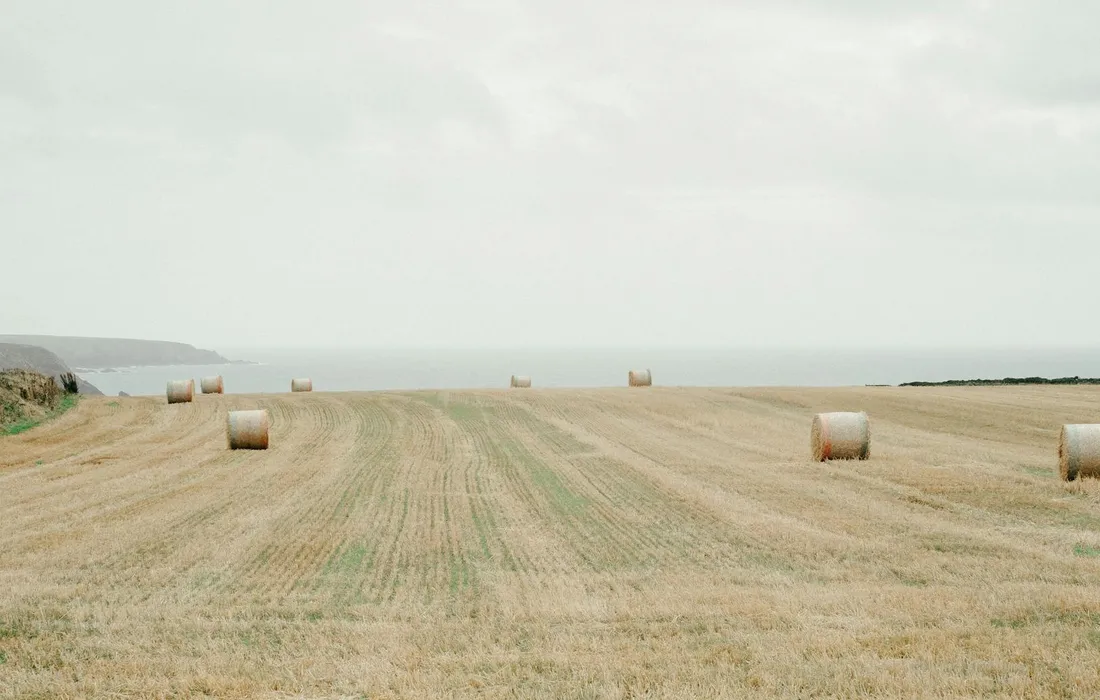
Buying hay sight unseen is a gamble I never take with my flock. Evaluating hay quality yourself is the only way to ensure your sheep get the nutrients they need without hidden hazards. For a balanced approach to sheep nutrition, understanding hay, grains, and supplements is essential as you plan your flock’s rations.
Follow this simple, five-point check every time you inspect a bale.
- Judge the Color: Look for a vibrant green or greenish-tan hue, which signals proper curing and high nutrient levels. Brown or gray hay has been weathered and lost much of its feed value.
- Assess the Smell: Quality hay should have a fresh, sweet aroma, like cut grass on a dry day. A musty, moldy, or sour smell means it’s spoiled and can cause digestive upset.
- Feel the Texture: Grab a handful and squeeze. Good hay feels soft and flexible, not coarse or brittle. The stems should bend, not snap.
- Analyze the Leaf-to-Stem Ratio: Gently shake a flake. More leaves than stems indicates higher protein and better digestibility for your sheep.
- Inspect for Contaminants: Pull the bale apart and look for dust clouds, mold patches (white or black fuzz), or toxic weeds like ragwort. These can lead to respiratory illness or poisoning.
The Nose Knows: Smell and Feel Tests
Your senses are your best tools in the barn. I’ve saved countless dollars and vet calls by trusting what my nose and hands tell me about a bale.
- The Sniff Test: Crack open a bale and take a deep breath. Prime hay smells clean and faintly sweet, like summer pasture. If it smells like a damp cellar or compost, it’s fermenting or moldy. I once sent back a whole truckload because it had that tell-tale sour odor.
- The Hand Test: Rub a section between your palms. It should feel dry and slightly soft, not damp, dusty, or hot. Heat in a bale means it’s still fermenting and can combust. Good hay retains a little springiness when you crush it.
- Signs of Bad Hay: Watch for excessive dust that makes you cough, a slimy texture, or the presence of unknown weeds. Feeding poor hay is an invitation for trouble like heaves, poor wool growth, and weak lambs.
Your Daily Feeding Guide: How Much Hay Do Sheep Really Need?
Throwing hay over the fence and hoping for the best wastes feed and money. The foundation of good feeding is providing hay as a percentage of your sheep’s body weight, adjusted for their life stage and the weather.
Use this table as your starting point. These figures come from decades of balancing my own flock’s rations.
| Sheep Class | Daily Hay Intake | Practical Notes |
|---|---|---|
| Dry Ewes (Maintenance) | 1.5% – 2% of body weight | On good pasture, this can drop to 1%. Keep them at a steady, healthy weight. |
| Pregnant Ewes (Last 6 weeks) | 2% – 3% of body weight | They need extra energy and protein. I often mix in some alfalfa to support those growing lambs. |
| Lactating Ewes | 3% – 4% of body weight | Milk production drains reserves. Splitting this into two daily feedings keeps their rumens working smoothly. |
| Growing Lambs | 2.5% – 3.5% of body weight | They need high-quality hay for development. Offer it free-choice alongside their creep feed. |
These numbers are guides, not gospel. You must adjust based on the hay’s quality, the available pasture, and most importantly, each animal’s body condition.
Step-by-Step: Calculating Your Flock’s Daily Ration
Let’s walk through the math so you can feed with confidence. Doing this quick calculation prevents overfeeding and underfeeding, saving your wallet and your sheep’s health.
- Weigh a Sample Sheep or Estimate Average Weight: I use a weight tape on a few representative animals. For a mixed group, find an average. My commercial ewes average around 160 pounds.
- Apply the Correct Percentage: Multiply the body weight by the percentage from the table. For a 160-pound dry ewe at 2%, that’s 3.2 pounds of hay per day.
- Factor in Life Stage and Pasture Access: Is it bitter cold with snow on the ground? Increase the amount. Are they on lush spring grass? Decrease it. A lactating ewe gets the full 4%.
- Measure and Adjust Based on How Quickly They Clean It Up: Put out the calculated amount in a rack. If it’s gone in a few hours with sheep still looking hungry, add a bit more. If there’s leftover hay after a day, you’re giving too much. It’s a simple feedback loop.
When the Pasture is Thin: Forage Alternatives to Hay
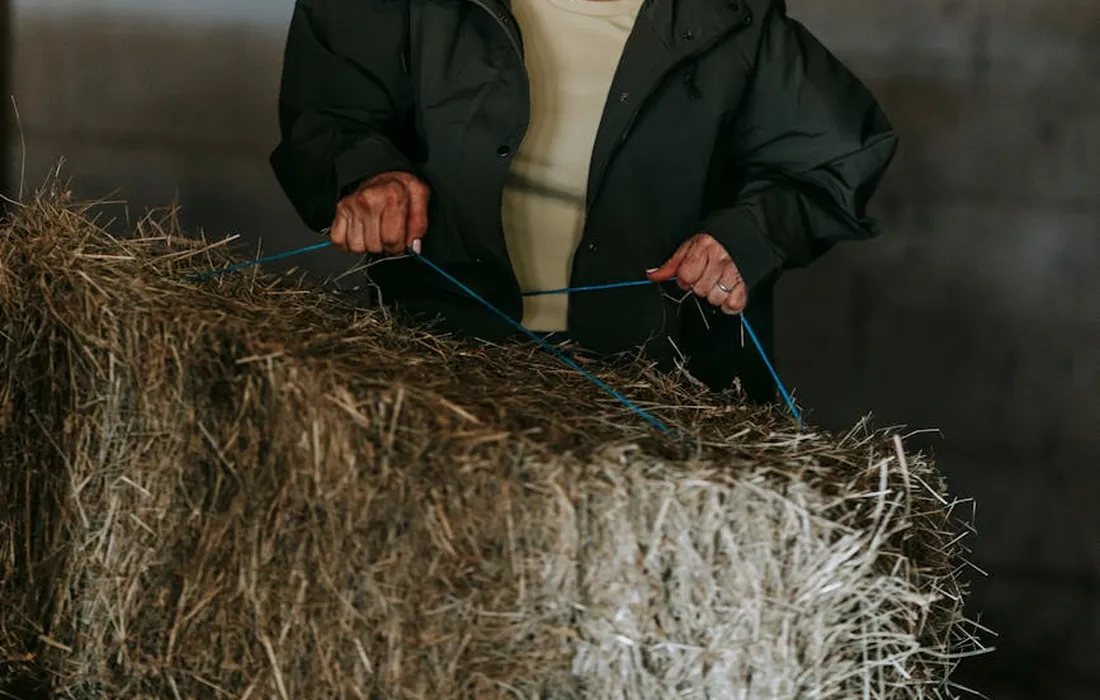
When the green grass starts to fade and the pasture looks more like a worn-out rug, it’s time to think beyond the hay bale. Offering a variety of forage keeps your sheep healthy and can save you money when hay prices climb or your fields are resting.
Here are some solid options to consider when hay is scarce or you just want to mix things up:
- Haylage and Silage: Fermented forages that preserve nutrients through a pickling process.
- Managed Grazing: Systematically moving your flock to fresh grass to prevent overgrazing.
- Other Fodder Crops: Plants like turnips, kale, or fodder beet can provide bulk and nutrition.
Managed grazing is the gold standard for sustainable flock management. By rotating sheep through smaller paddocks, you give grass time to recover and ensure your flock always has something fresh to nibble. I’ve seen pastures come back thicker after a season of careful rotation, saving me on bought feed.
For a quick boost, fodder crops are a thrifty choice. Planting a patch of brassicas in late summer can give you a fall and winter forage reserve that sheep eagerly dig up. Just be sure to fence it off and introduce it slowly to avoid bloat.
Haylage and Silage: The Fermented Feed Option
Haylage and silage are like pickles for your pasture-preserved through fermentation. Haylage is grass wilted to about 40-50% moisture and sealed in plastic, while silage is chopped finer and often wetter, fermenting more intensely. Both can be excellent feeds if handled with care. Knowing their nutritional differences helps shape practical feeding guidelines for cattle. This comparison guides you when planning rations based on forage quality and herd needs.
Let’s weigh the good and the bad of these fermented options:
- Pros: High nutrient retention, less weather risk than dry hay, and often more palatable to sheep.
- Cons: Requires airtight sealing, risk of spoilage and botulism if done wrong, and can be messy to feed.
Safety is paramount with fermented feeds. Improper fermentation can lead to botulism, a deadly poisoning that I’ve seen take down a healthy ewe in hours. Always inspect bales or bags for mold, a putrid smell, or excessive heat before feeding.
To introduce haylage or silage safely, start small. Mix a handful with their regular hay for a few days to let their rumens adjust slowly. Use feeders that keep it off the ground to prevent soil contamination and waste.
Special Care Feeding: Ewes, Lambs, and Winter Months
Sheep have different needs when they’re carrying lambs or nursing. During late pregnancy, ewes require about 50% more protein and energy to support growing lambs. Skimping here can lead to weak lambs and poor milk production.
For the last six weeks of gestation, switch to a legume hay like alfalfa. This provides the extra calcium and protein needed for healthy lamb development and prepares the ewe for lactation. After lambing, keep that quality hay coming to support milk production-aim for hay with at least 16% protein.
Winter demands a proactive feeding plan. Cold weather means sheep burn calories just to stay warm, so your feeding strategy must shift to meet that increased energy demand. Unlike the variations needed during other seasons, winter requires a specialized approach. Proper seasonal feeding ensures your flock remains healthy year-round.
Barnyard Wisdom: Storing Hay to Save Money and Nutrients
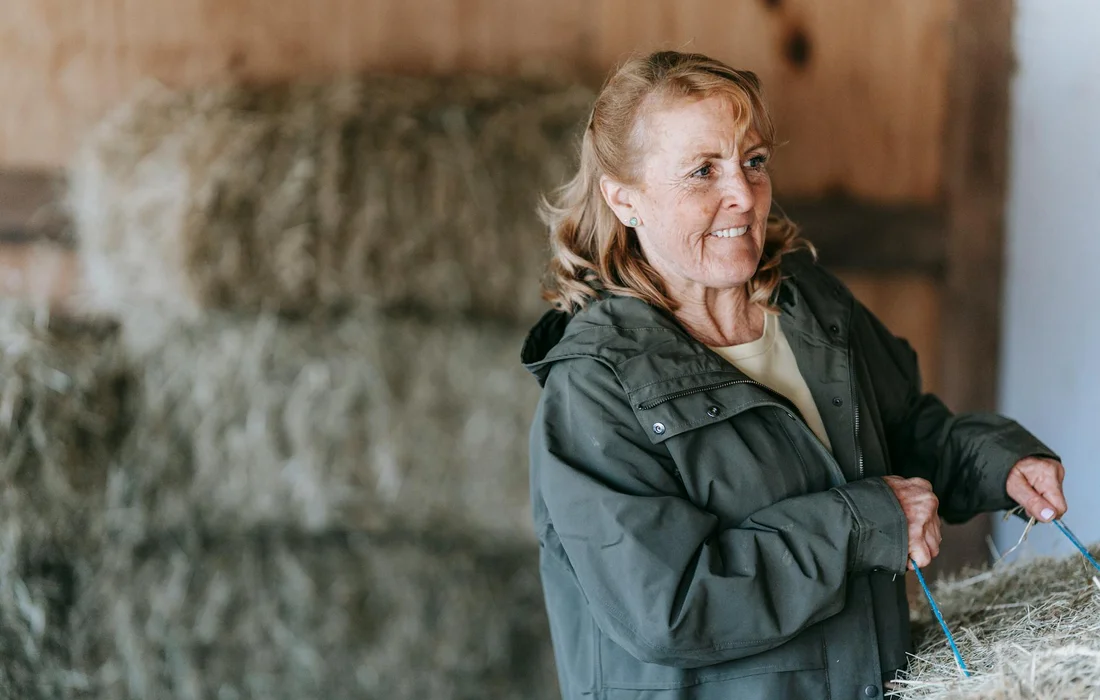
I reckon more good feed is lost to poor storage than to picky eaters in the flock. Proper hay storage isn’t just about saving money-it’s about honoring the summer’s work and the plant’s nutrients, so your sheep get every bit of good from it. I’ve learned this the hard way, losing a corner of a stack to mold after a leaky barn roof taught me a costly lesson.
The Golden Rule: Dry, Ventilated, and Up Off the Dirt
You can think of stored hay like a sleeping giant; it needs to breathe and stay dry or it’ll wake up rotten. The core trio for perfect hay storage is relentless dryness, constant air flow, and a firm barrier between your bales and the damp earth. Let that hay sit on concrete or soil, and it’ll wick moisture like a sponge, spoiling from the bottom up before you know it.
I use pallets for everything-they’re my thrifty homestead secret. A layer of wooden pallets creates that crucial air gap underneath, letting breezes circulate and preventing ground moisture from creeping in. If you don’t have a barn loft, even a gravel pad is worlds better than plain dirt.
Your Storage Options: From Lofts to Tarps
Not everyone has a classic red barn, and that’s just fine. Here are the main ways folks keep their hay in fighting shape.
- The Barn Loft: This is the dream, offering total weather protection and natural ventilation. Just ensure your loft floor is solid and you can get bales up there without busting your back.
- Tarped Outdoor Stacks: This is a common and workable solution. The key is in the details. You must shape your stack like a roof so water sheds off, and never let the tarp touch the hay sides, or condensation will soak it. Use poles or a frame to create an air channel.
- Hay Sheds: A three-sided shelter with a good roof is pure gold. It protects from rain and snow while allowing cross-breezes to whistle through and keep things dry. It’s worth the investment if you feed large amounts.
The Art of Stacking Bales: A Stable Foundation
How you stack is just as important as where. A tumbling hay stack is dangerous and wastes feed. Always start your first layer with the strings or wires running perpendicular to the direction of the stack for a stable, interlocking base. I like to think of it as weaving a solid mat of bales.
Here’s my tried-and-true method for a solid, ventilated stack:
- Place your first-layer bales tightly together on their flat sides, with all strings facing sideways.
- For the second layer, stack bales in the opposite direction, bridging the gaps below like brickwork. This cross-hatch pattern locks the stack together and creates internal air channels.
- Keep your walls vertical as you build up-don’t let the stack lean. A leaning stack is a future collapse.
- Leave a few inches of space between the back of your stack and any wall to encourage air movement.
For outdoor tarped stacks, always build a peak in the middle. Shape that top layer like a steep roof so rainwater has no choice but to run right off your tarp and onto the ground. I use old tires or more pallets to keep the tarp’s edges weighed down but lifted off the hay on the sides.
Closing Tips for a Well-Fed Flock
Can I mix different types of hay together for my sheep?
Absolutely, and it’s often a wise strategy. Mixing a grass hay like timothy with a legume hay like alfalfa allows you to tailor the protein and energy levels for different groups in your flock. This method provides balance and can be more economical than feeding straight alfalfa to sheep that don’t need that much richness.
How often should I evaluate the quality of my hay supply?
You should do a quick quality check every time you open a new bale, not just when you first buy it. Hay can spoil in storage due to moisture or pests, so a regular smell and visual inspection ensures you never accidentally feed moldy or degraded forage to your valuable animals.
My sheep are on pasture in spring. When should I re-introduce hay?
Begin offering hay again as soon as pasture quality declines or becomes overgrazed, typically in late summer or fall. You should also provide hay during periods of drought or when frost has killed the grass, as sheep still need long-stem fiber for proper rumen function even if some greenery is available.
What should I do with leftover or wasted hay from the feeders?
Waste hay can be repurposed as bedding for other animals or added to your compost pile. Avoid re-feeding it to the sheep if it has been soiled with manure or moisture, as this can spread parasites and cause health issues. Using well-designed feeders is the best way to minimize this waste in the first place.
Are there any supplements I should provide alongside hay?
Yes, a sheep-specific mineral supplement offered free-choice is essential, as hay alone doesn’t meet all their micronutrient needs. Always provide clean, fresh water, as digesting dry hay increases their water consumption. In some cases, a protein or energy block may be beneficial, but base this on your hay’s quality and your flock’s condition.
What’s the most economical hay choice for a mixed flock of different ages?
A good-quality mixed grass/legume hay or a palatable grass hay like orchardgrass often provides the best value for a diverse flock. You can then supplement pregnant or lactating ewes and growing lambs with small amounts of richer legume hay as needed, rather than feeding expensive alfalfa to everyone.
Back to the Pasture
When all’s said and done, the best advice I can give you is to let your sheep be your guide. Their condition, their energy, and the look of that wool will tell you more than any feed chart ever could. The single most important thing is to match the quality and type of your hay to the specific animal standing in front of you-a growing lamb, a hearty ewe, or an easy-keeping wether-and then adjust for the season under your own sky. Beyond that, their nutritional needs change with the seasons and weather. Let that guide your forage and supplement choices. I still walk my flock every evening, running a hand along a back to feel for fat cover and peeking in the feed bunk to see what’s left. It’s that daily habit of observation, more than any bag of grain, that keeps a flock thriving.
I reckon that’s about all from my fence line for today. I hope this talk of hay and forage helps your own pastures feel a little greener and your barn a bit more peaceful. There’s a mighty fine satisfaction in watching your sheep contentedly chew their cud, knowing you’ve provided well for them. Now go enjoy your critters and that beautiful, simple life. We’re all just learning as we go, neighbor. Y’all take care.
Further Reading & Sources
- Feeding the Flock
- r/sheep on Reddit: What hay to get for sheep?
- Feeding Sheep, A Guide To What Sheep Feed To Choose
Caroline Mae Turner is a lifelong farm girl raised on red clay, early mornings, and the sounds of a bustling barnyard. With hands-on experience caring for everything from stubborn goats to gentle dairy cows and mischievous pigs, Caroline shares practical, tried-and-true advice straight from the farm. Her goal is to help folks keep their animals healthy, well-fed, and living their best barnyard life. Whether you're wrangling chickens or bottle-feeding a baby goat, Caroline brings a warm Southern touch and plenty of real-world know-how to every bucket in the barn.
Feed Types