How Much Do Pigs Eat Per Day? Your Guide to Simple, Savvy Feeding
Published on: July 27, 2026 | Last Updated: July 27, 2026
Written By: Caroline Mae Turner
Howdy y’all. Welcome back to the barn. Figuring out your pig’s daily feed can feel like a moving target, but a good rule of thumb is to offer 2% to 4% of their live body weight in total feed each day, split into two meals. That simple starting point saves a heap of guesswork and keeps your hogs happy.
What you’ll need:
- A good scale for your feed, not your pig (we’ll get to that).
- A basic understanding of your pig’s life stage and purpose.
- A sharp eye on your wallet and your pasture.
Let’s walk through the numbers together so you can get this chore sorted and get back to the rest of your homestead.
The Fundamentals of Pig Appetite and Daily Feed
Figuring out a pig’s daily feed isn’t about one magic number. It’s a dance between the animal’s needs and what you’re providing. Seasonal shifts change those needs, too. A seasonal feeding guide helps you adjust their diet through the year. Getting this balance right is the difference between thrifty growth and watching your feed bill vanish into a black hole with little to show for it. I’ve stood at that feeder, scratchin’ my head, more times than I care to admit.
What Determines a Pig’s Daily Feed Amount?
Several key factors sway how much your hog will clean up each day. Think of it like us humans-a teenager working hay bales eats different than a grandparent shellin’ peas on the porch.
- Weight & Age: This is your biggest lever. A pig’s intake climbs steadily as it grows, but the rate of intake relative to its bodyweight actually decreases.
- Environment: A cold pig is a hungry pig. In winter, they burn extra calories just to stay warm, increasing their needs by 10-20%. Heat stress in summer can suppress appetite.
- Feed Type & Quality: A dense, pelleted complete feed is eaten in smaller quantities than a watery kitchen slop. Higher fiber content can also fill them up faster.
- Genetics & Health: A lean-breed heritage hog may eat less overall than a modern commercial breed geared for rapid gain. Any parasite load or illness will steal nutrients and skew appetite.
- Housing & Activity: A pig on pasture or in a spacious lot will forage and move, using more energy, compared to one in a tight confinement pen.
Calculating Dry Matter Intake and Feed Efficiency
Here’s where we get into the real brass tacks of feeding. All feed contains water. To compare apples to apples, we talk in terms of Dry Matter (DM).
If a feed bag says it’s 90% dry matter (10% moisture), and your pig eats 5 pounds of that feed, its Dry Matter Intake is 4.5 pounds (5 lbs * 0.90). Dry matter intake is the truest measure of the actual nutrients hitting the pig’s gut, cutting through the variability of moisture.
Now, Feed Conversion Ratio (FCR) is your report card. It tells you how efficient that pig is. An FCR of 3:1 means it took 3 pounds of feed to make 1 pound of gain on the pig. On my farm, with good management, I aim for between 2.8:1 and 3.5:1 on pasture for finishing hogs. A lower number is better. If that number starts creepin’ up, it’s time to check your feed quality, protein levels, or the pig’s health.
Tailoring Feed to Every Pig Life Stage
Feeding every pig the same ration is like puttin’ the same fuel in your tractor, your sedan, and your chainsaw. It just won’t work right. Precision in each life stage saves you money and builds a healthier animal from the inside out. That same thinking applies when you look at organic vs conventional pig feeds—the health benefits and cost implications can differ. Knowing the trade-offs helps you plan for healthier pigs and smarter budgets.
Nursery Pigs: From Weaning to Starter Feed
This is the most delicate time. Weaned at 3-4 weeks, their tiny gut is in shock. They need a feed that’s highly digestible and packed with the right stuff to avoid scours and a growth check. I use a 18-20% protein starter crumble for at least the first two weeks post-weaning. Little and often is the rule here-I offer fresh feed four times a day in shallow pans to encourage nibbling without waste. By 8-10 weeks (around 40-50 lbs), they’re ready to transition to a grower ration. The key is watching their bellies, not just the calendar.
Growing and Finishing Pigs: Building Muscle and Weight
This is the marathon, from about 50 lbs to your target butcher weight (often 250-300 lbs). Their diet shifts from building frame to laying down muscle and fat. I switch to a 16% protein grower ration until about 125 lbs, then a 14% finisher. The big question is: free-choice or measured? For efficient homestead finishing, I’m a firm believer in measured feeding twice a day. You offer what they’ll clean up in 20-30 minutes, which prevents the bully from overeating and the shy one from going hungry. As a rule of thumb, a finishing pig will eat 4-6% of its body weight in feed daily, but that’s in total pounds, not percent of a ration. A 200-lb hog on a good finisher might put away 7-9 pounds of feed a day.
Breeding Stock: Feeding Sows and Boars for Health
Your breeders are not finishing hogs. Overfeeding a sow leads to farrowing problems and crushed piglets; underfeeding hurts milk supply. It’s a cycle. My gestating sows get a restricted amount of a specialized 14% gestation sow feed-usually 4-6 pounds per day-to keep them at a healthy, lean body condition. Then, after farrowing, I switch them to a high-fat, 17%+ protein lactation feed free-choice, as she can need 12-15 pounds a day to feed that litter. The boar? He’s a maintenance animal. A steady 5-7 pounds of a standard 14-16% maintenance ration keeps him in breeding shape without getting so fat he can’t do his job. I once over-conditioned a boar named Gus, and let me tell you, his enthusiasm waned right along with his mobility. We fixed it with measured rations and more paddock space.
Selecting and Formulating Pig Feed
Choosing what goes in the trough is where your stewardship truly takes root. I’ve spent many an afternoon mixing rations in the old barn, and I reckon the right feed makes all the difference between a pig that thrives and one that merely gets by. Your goal is to match the feed to the pig’s purpose, whether that’s rapid growth for market or steady maintenance for breeding stock.
Commercial Feeds vs. Homemade Rations
Walking down the feed store aisle, you’ll see bags of complete pelleted feed. Back on the farm, you might be eyeing that bin of surplus garden squash. Both have a place. Commercial feed is convenient and scientifically balanced. It takes the guesswork out. I use it for my starter pigs without fail. Those first few weeks are critical, and a quality 18% protein starter ration gives them a leg up they can’t get from kitchen scraps alone.
Homemade rations, though, let you practice true thriftiness. You can use homegrown grains, garden surpluses, and even whey from cheesemaking. The key is knowing it’s not just about volume. I learned the hard way years ago feeding too much corn; my pigs got fat but their growth stuttered. A balanced homemade diet requires more than enthusiasm-it demands a commitment to learning about nutrients.
Let’s lay out your main options:
- Commercial Complete Feeds: Used right out of the bag. Ideal for beginners, busy homesteaders, or specific life stages like lactation. Look for brands that list protein sources clearly.
- Homemade Grain Mixes: You mill and mix corn, soybean meal, and oats. This is cheaper per ton if you grow your own. You must add a premium vitamin and mineral premix to avoid deficiencies.
- Pasture and Forage Supplementation: Pigs aren’t cows, but they love to root. Good pasture provides fiber and some nutrients, reducing grain needs by up to 20% in season. Plant turnips or clover for them.
For most folks, a hybrid approach works best. I use commercial feed for the first 60 days, then switch to a homemade mix based on cracked corn and roasted soybeans once they’re past 75 pounds. This blend saves money and lets me use homegrown crops, while still keeping those pigs on a steady path to finish.
Meeting Protein and Energy Requirements
Think of protein as the builder and energy as the fuel. Get this balance wrong, and you’ll waste feed or raise poorly developed animals. A growing piglet needs protein to build muscle-a lot of it. A finishing hog needs more energy to lay down that final bit of firm fat. Adjusting these ratios as your pig grows is the cornerstone of efficient feeding.
From my records, here’s a simple breakdown of needs for a market hog:
- Starter (Up to 75 lbs): 18-20% protein. Their tiny digestive systems need highly digestible sources like milk proteins or high-quality soybean meal.
- Grower (75-150 lbs): 16-18% protein. You can introduce more local grains like barley or oats here.
- Finisher (150 lbs to market): 14-16% protein. Energy from corn becomes paramount for marbling.
For energy, corn is the kingpin on many farms, but it’s low in protein. Barley and wheat offer a better protein kick. I often do a 70% corn, 25% soybean meal, 5% oats mix for my growers, with a scoop of mineral supplement. Always provide fresh, clean water; a pig will consume two to three gallons a day, and water is essential for digesting all that protein and energy.
Don’t forget the power of alternative proteins. For a unique twist, I’ve successfully used dried soldier fly larvae from my compost system as a 5% protein boost in summer rations. Peas and lentils from the garden can also offset soybean meal. Experimenting with local protein sources cuts costs and builds a resilient, closed-loop farm system. Just test any new feed gradually over a week to avoid upsetting their stomachs.
Daily Feeding Routines and Methods
How you serve the grub is just as important as what’s in the trough. A good routine keeps bellies full, waste low, and pigs content. I’ve tried nearly every method under the sun, and I’ve learned a peaceful pen often comes down to a predictable plate.
How Often to Feed: Ad Libitum vs. Scheduled Meals
You’ve got two main roads here: free-choice feeding or set feedings. Both have their place, and your choice depends on your pigs’ age, your schedule, and your goals. When you’re opting for set feedings, it’s crucial to follow feeding schedules and portion control for pigs.
For young, growing pigs-especially weaners and those up to about 150 pounds-I strongly favor ad libitum (free-choice) feeding. This means their feeder is never empty. They can eat small amounts many times a day, which is how their gut works best for rapid growth. It prevents the gorging and bullying you sometimes see with scheduled meals. I use sturdy, treadle-style feeders that minimize spillage from rain or playful snouts.
Scheduled meals, typically twice a day, are my go-to for finishing hogs and breeding stock. It lets me control intake precisely. For a market hog nearing weight, I might dial back slightly to firm up fat. For a gestating sow, I can measure her exact ration to keep her at a healthy body condition. Twice-daily feedings create a rhythm the whole farm feels, and it’s a prime time to check on each animal’s health and appetite. A pig that doesn’t come running for breakfast is a pig that needs a closer look, especially when compared to their usual eager scavenging behavior.
Here’s a quick comparison to help you decide:
- Ad Libitum (Free-Choice): Best for growers. Less labor. Supports maximum daily gain. Can lead to more waste if feeders aren’t designed well. Requires sturdy, weatherproof feeders.
- Scheduled Meals (Twice Daily): Best for finishers, sows, and boars. More hands-on management. Prevents over-conditioning. Allows for precise medication or supplement delivery. Fosters routine and human-animal bonding.
Adjusting Feed for Seasons: Summer Heat and Winter Cold
A pig’s metabolism doesn’t read the calendar, but it sure feels the temperature. Their feed needs swing with the seasons, and a good steward adjusts the menu accordingly.
During the dog days of summer, heat stress is your biggest enemy. Pigs eat less when they’re hot. To combat this, I shift feeding to the coolest parts of the day-very early morning and after sunset. I also make sure their mash or pellets are slightly dampened with cool water; it makes the meal more appealing and provides extra hydration. Sometimes I’ll even toss in some frozen watermelon or chilled whey from cheesemaking to spark their interest. The key is getting enough calories in them despite the heat.
Winter is a different story. Now, they’re burning calories just to stay warm. You must increase their daily energy intake, sometimes by 10-20% depending on your climate, as they are essentially running a furnace around the clock. I bump up the corn or other grains in their ration for that extra heat-producing energy. Feeding a warm, soupy mash in the evening helps them go to bed with a full, warm belly. Always ensure they have deep, dry bedding to nest in and a windbreak. A cold, hungry pig will never meet its potential.
Remember water year-round! A pig will drink nearly twice as much water as it eats feed. In summer, water keeps them cool; in winter, you must break ice twice daily to ensure they can drink. An automatic heater base for a water tub is worth every penny. No matter how perfect your feed ration is, without constant access to clean water, digestion falters and growth grinds to a halt.
Water Intake: Quenching Your Pigs’ Thirst
Now, let’s talk about something even more important than feed: water. If you remember one thing from our chat today, let it be this: a pig without constant, clean water is a pig in trouble. I’ve seen a hog walk away from a full feeder because its waterer was empty, and that tells you everything you need to know.
A pig’s water needs are mighty specific and change with their size and the weather. On a moderate day, a growing pig will drink about 2 to 3 gallons of water for every 10 pounds of feed they eat. In practical terms, you can reckon on a pig needing roughly 1.5 to 2.5 gallons of water per 100 pounds of body weight each and every day.
Daily Water Needs by the Numbers
Here’s a quick reference table I keep tacked up in my feed shed. It’s saved me more than once when setting up new watering systems.
| Pig Weight | Estimated Daily Water (Gallons)* |
|---|---|
| 50 lbs (Weaner) | 0.75 – 1.25 |
| 150 lbs (Grower) | 2.25 – 3.75 |
| 250 lbs (Finisher) | 3.75 – 6.25 |
| 400 lbs (Sow, dry) | 6 – 10 |
| Sow (Lactating) | Upwards of 8 – 12+ |
*Needs can double in hot weather. Always provide surplus.
Choosing and Maintaining Your Watering System
You’ve got two main paths here: nipple waterers and troughs. I’ve used both for decades and each has its place.
- Nipple Waterers: These are my go-to for pens. They keep water clean, reduce waste, and are easy on your back. You must check them twice daily-a stuck nipple is a dry pig. Install them at shoulder height for the pigs you’re watering.
- Troughs: Perfect for pasture setups or small groups. Pigs can submerge their snouts, which they love. The downside is you’ll be scrubbing algae and dumping muck frequently, as standing water becomes a soupy mess faster than you’d believe. A concrete block in the bottom can discourage them from turning it into a wading pool.
Freeze-proof bases and tank heaters are non-negotiable for winter in most climates. I learned that lesson the hard way one January morning with a frozen pipe and a very unhappy Berkshire gilt.
Water Quality is Everything
You wouldn’t drink from a muddy puddle, and neither should your livestock. Clean water directly impacts feed conversion and health.
- Scrub troughs with a brush and vinegar solution at least weekly.
- Ensure automatic systems have clean screens and aren’t leaking minerals.
- Test your well water annually for nitrates and bacteria-it’s cheap insurance.
Watch your herd. If they’re playing in their water more than drinking it, it’s probably stale or too warm. Fresh, cool water is the simplest, most effective health supplement you can offer your swine. Keep it flowing and watch them thrive.
Reading the Signs: Overfeeding, Underfeeding, and Common Errors
Now, feed charts and ratios are a mighty fine starting point, but they ain’t the whole story. A good stockman reads the animal, not just the scoop. Pigs will tell you everything you need to know, if you know what to look for. Your daily observation is the most crucial tool you have for dialing in the perfect ration.
Identifying Overfed and Underfed Pigs
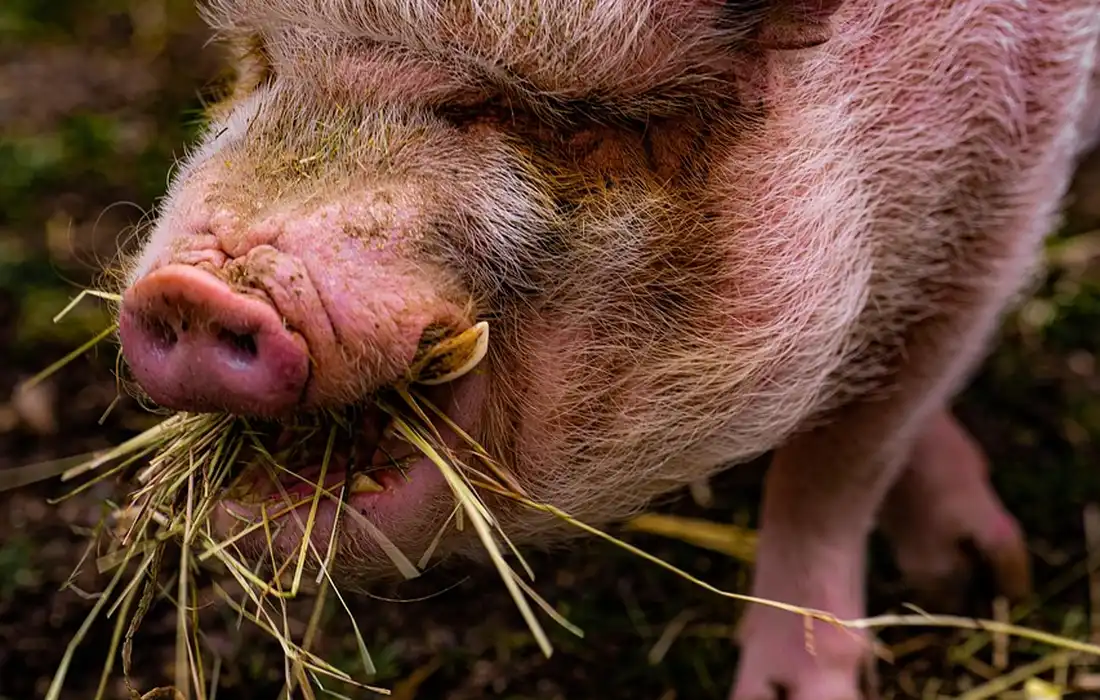
Let’s talk body language. An overfed pig is a sluggish pig. You’ll see a pronounced waddle, a belly that nearly scrapes the ground, and a general disinterest in rooting or exploring. They might pant excessively after minimal movement. The worst sign? Fat deposits over the eyes and shoulders that make them look “puffy.” I’ve seen folks pour the feed to a single hog destined for the freezer, thinking more is better, and end up with wasteful lard instead of beautiful meat.
An underfed pig, on the other hand, is all ribs and restless energy. You’ll see a clear outline of their ribs, hips, and spine. They’ll be constantly rooting, pacing the fence line, and vocalizing-not just at feeding time, but all day. Their coat might look dull or rough. A pig that’s always searching is a pig that’s telling you it’s still hungry.
My favorite hands-on check is the “tail pocket test.” Run your hand along the flank, right where the tail meets the body. If it’s a deep, clean pocket, you’re likely on target. If it’s flush with fat or so sunken you can feel sharp bone, you need to adjust their daily allowance.
A Simple Body Condition Score for the Homestead
- Too Thin (1-2): Ribs, spine, and hip bones are sharply visible. Animal is active and often noisy.
- Ideal (3): Ribs can be felt with slight pressure but not easily seen. Animal has a smooth, rounded appearance without a sagging belly.
- Too Fat (4-5): Ribs cannot be felt under a thick fat layer. Belly sways, eyes are sunken in fat, and movement is slow.
Steering Clear of Costly Feeding Blunders
We’ve all made mistakes. I once had a Duroc boar named Chester who taught me about sudden diet changes the hard way. A well-meaning neighbor dropped off a truckload of old bakery goods. Chester gorged himself, and let’s just say the resulting digestive upset was a spectacle I won’t forget. Any change in a pig’s diet must be made gradually over 7-10 days to avoid scours or worse.
Here are the pitfalls I see most often, and how to sidestep ’em:
- The “One Feeder” Fallacy: Using a single trough for a group of pigs guarantees the boss hog eats his fill and the shy ones go hungry. Provide enough feeder space for all animals to eat at once, or better yet, use individual feeding stalls for growing market hogs.
- Water as an Afterthought: Pigs need 2-3 gallons of fresh, clean water per day, minimum. Without it, feed intake plummets. I check waterers twice a day, without fail.
- Feeding Straight Corn: This is a classic error. Corn is great for energy but low in protein. A diet of just corn will produce a fat, poorly-muscled pig. Always balance with a proper protein source like soybean meal.
- Ignoring the Forage: If your pigs are on pasture, you can reduce their grain by 10-20%. Not adjusting for good forage is like paying for a meal they’re already getting for free. Monitor their condition and scale the bagged feed back accordingly.
- Feeding Mediocre Feed to the End: The last few weeks before processing are not the time to cheap out. This final phase is for finishing. Stick with your quality ration to ensure firm, flavorful fat and optimal yield.
Remember, feeding pigs ain’t about filling a bucket; it’s about growing an animal efficiently and humanely. Know that pig anatomy and feeding behavior guide what they eat. Their teeth, jaws, and digestive tract shape every feeding decision. Wasted feed is wasted money, but a stunted pig is a failed stewardship. Watch your pigs closer than you watch your ledger, and they’ll show you the right path.
Closing Tips on Pig Feeding
How much do pigs eat per day?
Pigs generally consume 2% to 4% of their live body weight in total feed daily, adjusted for life stage and conditions. This is typically split into two meals for efficient growth and health management. For a deeper understanding of what pigs eat and how to balance their nutrients, a comprehensive guide to pig nutrition covers the full diet spectrum. It also explains how diet changes with life stage.
What factors affect a pig’s daily food intake?
Key factors include the pig’s weight, age, environment, and feed quality. For instance, cold weather can increase intake by 10-20%, while heat stress may suppress appetite, requiring adjustments. Changes in intake or body condition can signal nutritional gaps. The troubleshooting guide for identifying and fixing nutritional deficiencies in pigs will be provided in the next steps.
What are the daily feeding requirements for different pig stages?
Piglets need high-protein starter feed (18-20% protein), growers thrive on 16% protein rations, and finishers require energy-dense diets (14% protein). Breeding sows and boars have specific needs for gestation, lactation, or maintenance.
What type of feed is best for pigs?
The best feed depends on your goals: commercial complete feeds offer balanced nutrition, while homemade rations can be cost-effective if properly formulated with grains and protein sources. Always ensure the diet meets the pig’s stage-specific needs, especially when considering natural versus commercial diets.
How often should pigs be fed each day?
Young, growing pigs often benefit from free-choice (ad libitum) feeding for constant access, while finishing hogs and breeding stock are typically fed measured meals twice daily to control intake and prevent overconditioning. Even well-planned programs can encounter hiccups like pickiness or obesity, and targeted troubleshooting can help restore balanced intake. These strategies guide adjustments to feeding regimens and diet compositions to keep pigs on track.
What are common feeding mistakes to avoid?
Avoid sudden diet changes, which can cause digestive issues, and always provide clean, ample water. Other mistakes include overfeeding leading to obesity, underfeeding resulting in poor growth, and using inadequate feeder space that causes competition.
Shutting the Gate
The most valuable tool in your feeding shed ain’t your scoop or your bucket-it’s your own two eyes. Learn to read your pigs’ condition and behavior daily, and let that be your final guide, more than any chart on a page. A perfect ration is useless if the animal standing in it is listless, thin, or bored.
I’m right grateful y’all took the time to walk this pasture with me. There’s a deep satisfaction that comes from hearing the contented grunts of a well-tended hog. May your pens be sturdy, your mud wallows be just right, and your heart be full with the simple joys of good stewardship. Now, I believe I smell supper on the breeze. Time to tend to my own.
Further Reading & Sources
- Show Pig Nutrition
- The Complete Pig Feeding Guide: From Wean to Finish
- Show Pig Nutrition – Livestock
Caroline Mae Turner is a lifelong farm girl raised on red clay, early mornings, and the sounds of a bustling barnyard. With hands-on experience caring for everything from stubborn goats to gentle dairy cows and mischievous pigs, Caroline shares practical, tried-and-true advice straight from the farm. Her goal is to help folks keep their animals healthy, well-fed, and living their best barnyard life. Whether you're wrangling chickens or bottle-feeding a baby goat, Caroline brings a warm Southern touch and plenty of real-world know-how to every bucket in the barn.
Feeding Guidelines