How Much Hay Should a Rabbit Eat? Your Daily Feeding Guide Solved
Published on: September 16, 2026 | Last Updated: September 16, 2026
Written By: Caroline Mae Turner
Howdy y’all. Wrestling with how much hay to toss in the hutch without ending up with more waste than full bellies? A healthy adult rabbit needs to eat a bundle of hay about the size of its own body each and every day. That’s the golden rule from my barn to yours.
What you’ll need:
- A steady supply of fresh, grassy hay like timothy or orchard grass
- A proper hay feeder that minimizes waste
- Less than a minute each morning for a visual check
Let’s get this sorted out quickly so you can move on to the rest of your chores with confidence.
Why Hay is Non-Negotiable for Your Rabbit’s Health
I learned this lesson the hard way with a Dutch doe named Petunia years back. She turned her nose up at her timothy hay for a few days, and quicker than you can say “boo,” she was hunched and still. A rabbit’s gut is a perpetual motion machine that absolutely requires the roughage of hay to keep moving properly. Without it, everything grinds to a dangerous halt.
That high-fiber content, aim for over 18% crude fiber in your hay, acts like a broom for their insides. Think of hay as the foundational scrub brush that sweeps their digestive tract clean and prevents deadly conditions like GI stasis. It’s the most effective and natural way to keep their complex system in working order.
Beyond the feed bucket, hay is nature’s toothbrush for your bunny. Their teeth never stop growing. Chewing long-strand hay creates the precise grinding wear needed to file those ever-growing teeth down and prevent painful, costly malocclusion. I’ve saved a fortune in vet bills over the decades just by never skimping on the hay rack.
Good hay also keeps their minds right. Foraging and nibbling is a full-time job for a rabbit. Providing a constant pile of hay satisfies their deep instinct to graze and prevents the boredom that leads to destructive chewing or stress. It’s the cornerstone of respectful, low-stress husbandry.
Now, not all hay is created equal. For most adult rabbits, I stick with grass hays like timothy or orchard grass for their balanced fiber and moderate protein (around 7-10%). Legume hays like alfalfa are richer, reserved for growing kits, nursing does, or as a very occasional treat for adults, as too much can lead to obesity. Choosing the right type is part of smart stewardship.
The Golden Rule: How Much Daily Hay Does Your Rabbit Need?
The rule on my farm is simple, and it’s never failed me. Your rabbit should have access to an amount of fresh hay each day that is roughly the size of their own body. Visualize a fluffy, loose pile as big as your bunny when they’re all balled up.
That translates to a continuous, unlimited supply. Hay should make up about 80-90% of what they consume daily. If you see the bottom of the hay rack before the day is out, you simply did not put enough in to start with. Their access should be relentless and replenished daily.
For different life stages, the focus shifts slightly, but the abundance remains. Here’s a quick guide:
- Growing Kits (under 7 months): They can have all the alfalfa hay they want for extra protein and calcium to build strong bones. I start mixing in grass hay around 4 months to transition them.
- Healthy Adults: Unlimited grass hay is the mandate. For a standard 5-pound rabbit, this means easily consuming over a quart-sized volume of hay daily.
- Seniors or Underweight Rabbits: Still unlimited grass hay. You can offer a small handful of alfalfa as a calorie booster, but monitor their weight closely. The key is keeping that fiber flowing.
To make this practice thrifty, buy your hay in bulk from a local farmer if you can. Storing a bale in a dry, ventilated spot saves you countless trips to the feed store and a good bit of coin over time. I keep my main bale in the loft and fill a galvanized trash can in the barn for daily use.
Watch how they eat. A good, high-quality hay is leafy, green, and smells sweet, not dusty or moldy. If your rabbits are wasting a lot, try a different feeder or offer the hay in a simple pile on clean bedding-sometimes they just want to root around in it like they would on pasture. Respect their natural behaviors, and you’ll see that hay disappear just as it ought to.
Choosing the Right Roughage: A Guide to Hay Types & Quality
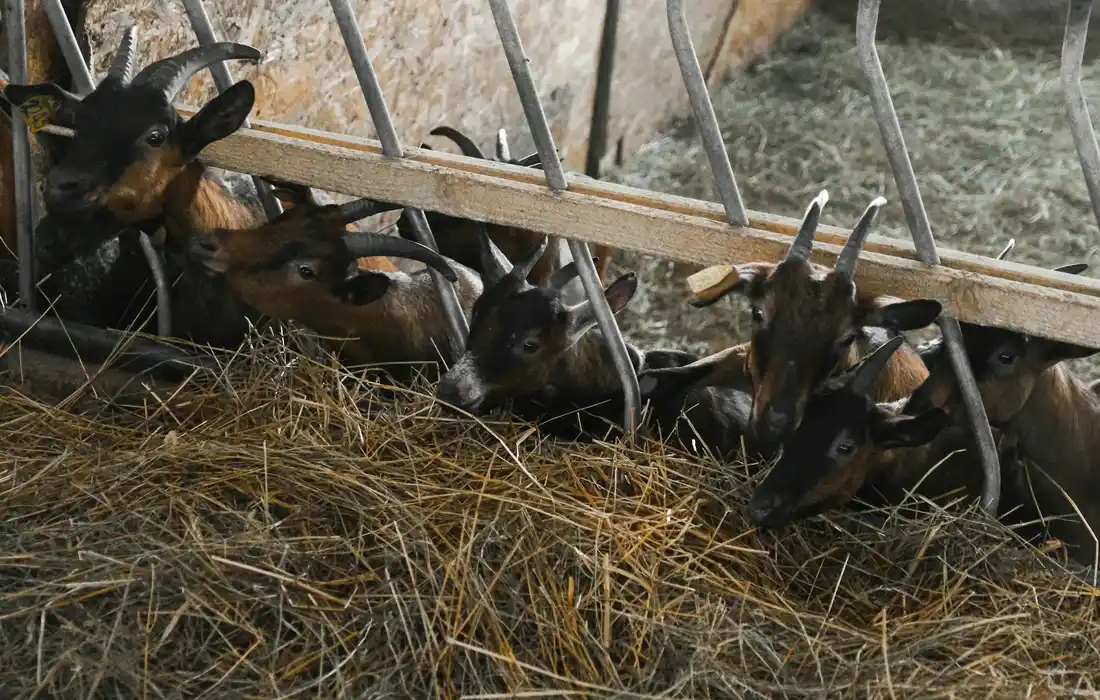
Think of hay as the main course for your rabbit, not just a side dish. Choosing the right type is the bedrock of good health. I’ve fed countless bales over the decades, and I reckon the smell and feel of good hay is as familiar to me as my own kitchen. For a deeper look, the ultimate guide on hay for rabbits covers types, benefits, and feeding tips.
Best Hay Varieties for Every Life Stage
Not all hay is created equal. The main thing you need to know is the difference between legume and grass hays. Legume hay, like alfalfa, is richer in protein and calcium, making it a powerful growth food but too much of a good thing for most adult rabbits, especially when compared to grass hays like timothy.
Here’s a simple table to keep in your back pocket:
| Hay Type | Best For | Protein/Ca Notes |
|---|---|---|
| Timothy Hay | All adult rabbits | Perfect balance, lower calcium |
| Orchard Grass | Adults, picky eaters | Softer, good alternative to Timothy |
| Meadow Hay | Adults, variety | Mixed grasses, good for interest |
| Oat Hay | Adults, healthy chewers | Stemmy, great for dental wear |
| Alfalfa Hay | Kits, pregnant/nursing does, underweight rabbits | High protein & calcium; limit for healthy adults |
My rule is simple: after about seven months old, switch your rabbits to a grass hay as their main staple. I keep a flake of alfalfa on hand for our senior doe when she needs a little extra weight on her bones, but it’s a treat, not her everyday meal.
Spotting and Avoiding Poor Quality Hay
Bad hay is worse than no hay at all. You must use your senses. Good hay smells sweet and fresh, like a sun-dried meadow. If it smells musty or like mildew, toss the whole bale out-it’s not worth the risk of respiratory trouble or digestive upset.
Run your hands through it. Here’s what to feel for:
- Dust: A cloud of dust means poor curing and can lead to sneezing.
- Heat: A bale that feels warm in the center is fermenting, a sure sign of moisture and mold.
- Texture: It should feel coarse and stalky, not soft and limp like old straw.
Look for a clean, green color with lots of seed heads and leaves. Brown, yellow, or gray hay has lost its nutrients. I once bought a cheap, faded bale out of sheer thriftiness and learned my lesson when the rabbits turned up their noses. Being frugal doesn’t mean cutting corners on quality feed.
Fine-Tuning Portions: How Age, Size, and Breed Change the Menu
The old saying “a body-sized pile” is a good start, but a Flemish Giant and a Netherland Dwarf have very different bodies! Fine-tuning is where your stewardship shines.
From Kits to Seniors: Adjusting Hay Intake
Their needs change just like ours do. A growing kit is a building a body, while a senior is maintaining one. Unlimited alfalfa hay is the fuel for a kit’s rapid growth from weaning until about 7 months, supporting bone and muscle development.
Here’s a quick life-stage guide:
- Kits (to 7 mos): Unlimited alfalfa hay, free-choice alfalfa-based pellets.
- Young Adults (7 mos – 1 yr): Transition to unlimited grass hay. Slowly introduce adult pellets.
- Healthy Adults (1-5 yrs): Unlimited grass hay. Measure pellets strictly (often 1/4 cup per 5 lbs).
- Seniors (5+ yrs): Unlimited grass hay. Watch weight; may need easier-to-chew hay like softer Orchard Grass.
I had an old buck, Chester, who lost a molar. I started moistening his timothy hay to make it softer for him. It kept him eating and his gut moving, which is everything for a senior rabbit.
When Pellets and Greens Compete with Hay
This is the balance every rabbit keeper must master. Pellets and garden greens are supplements, not the main event. If you overfeed pellets or treats, your rabbit will fill up on those and neglect the hay that wears down their ever-growing teeth and keeps their digestion ticking. Finding the right mix of pellets and fresh foods is essential for meeting their nutritional needs. A true diet balance means hay stays the main staple, with pellets and greens used to complement rather than dominate.
Think of it this way: pellets are a concentrated vitamin tablet, hay is the whole-grain bread. A rabbit fed too many pellets is like a child who fills up on candy before dinner. To keep hay as the star:
- Feed pellets in a measured amount once daily, not free-choice.
- Offer fresh greens after they’ve eaten a good amount of hay for the day.
- If hay consumption drops, cut back on the other foods first. Their hunger will drive them back to the hay rack.
A rabbit’s digestive system is designed to be constantly processing roughage. When you get the balance right, you’ll see less wasted feed, fewer health issues, and a content, busy critter.
Practical Barn Management: Feeding, Storage, and Problem-Solving
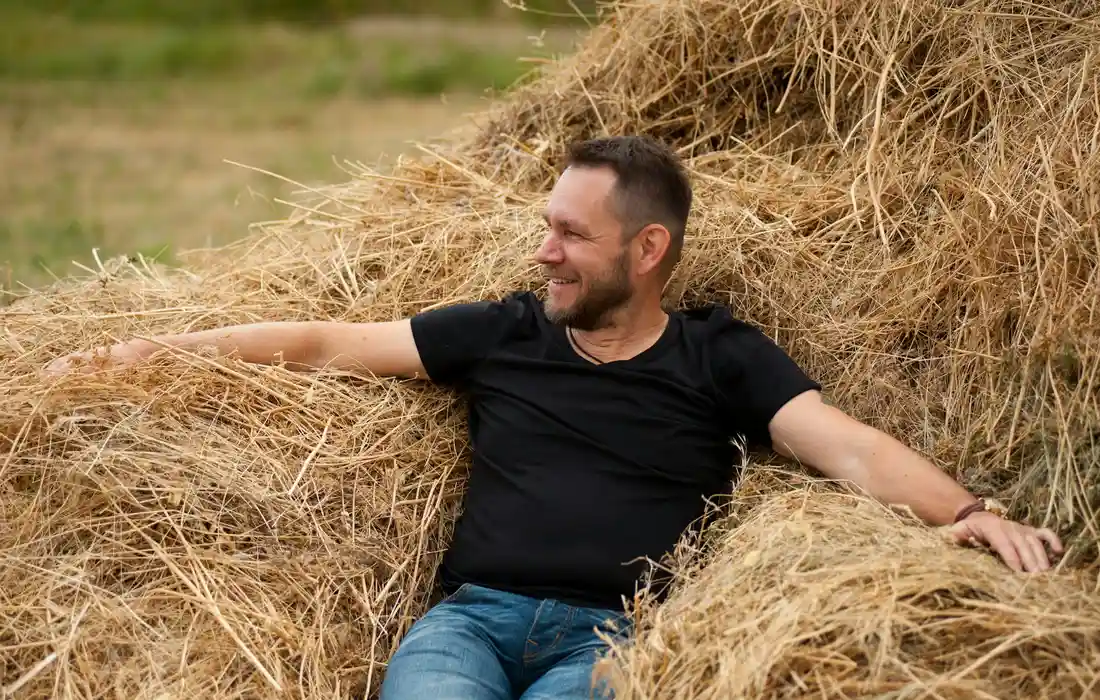
Now, let’s get our hands dirty. Knowing how much to feed is one thing, but managing the process efficiently is where the real homesteading wisdom shines. A good system saves you money, time, and ensures your bunnies always have the good stuff.
Smart Feeding Systems to Reduce Waste
Rabbits are masterful at turning expensive hay into a fluffy, soiled bed. We’ve got to outsmart them, gently. I’ve tried every contraption over the years, and here’s the plain truth on what works.
The classic hay rack mounted outside the cage is a solid starting point, as it keeps the hay clean and forces bunnies to pull out strands, mimicking natural foraging. Just be sure the gaps are wide enough they don’t get frustrated. My granddaddy always said, “A frustrated animal is a wasteful one,” and he was right.
For cages or pens, I’m a firm believer in using a simple hay manger. You can make one from a wire cube grid or a section of sturdy hardware cloth bent into a box. Place this directly over a litter box, as rabbits love to munch and poop simultaneously, and this clever trick encourages good habits while containing the mess.
For colony setups or large enclosures, I simply use a large, low-sided wooden box or a heavy ceramic dish. The key here is to only put in a day’s ration at a time. Dump in too much, and they’ll treat it like a playground. Limiting the amount, while ensuring constant access, is the golden rule for curbing waste without curbing consumption.
Storing Your Hay Bale to Keep It Fresh
Buying hay by the bale is the thrifty way, but a spoiled bale is money tossed to the wind. Proper storage is non-negotiable. I learned this the hard way one soggy spring, losing half a bale to must.
First, get it off the ground. Concrete pulls moisture, and dirt invites pests. I use old wooden pallets, which let air circulate underneath. Elevating your hay is the single most effective step you can take to prevent bottom-layer rot and discourage rodents from setting up camp.
Keep it under cover, but not smothered. A dry barn loft is ideal, but a simple tarp draped loosely over the top of the stack in a shed works wonders. Never wrap a bale tightly in plastic; it needs to breathe or it’ll sweat and mold. Think of it like a wool sweater-it needs air circulation to stay dry and sweet-smelling.
Always store hay away from your feed room or where you keep grain. Hay dust and chaff are incredibly flammable, and we don’t want any sparks near it. Use the oldest bales first, and get in the habit of breaking open a flake and giving it a good sniff before feeding. Your nose will tell you if it’s still good-it should smell like a clean, sun-dried field, not a damp basement.
What to Do When Hay Consumption Slows: Troubleshooting Guide
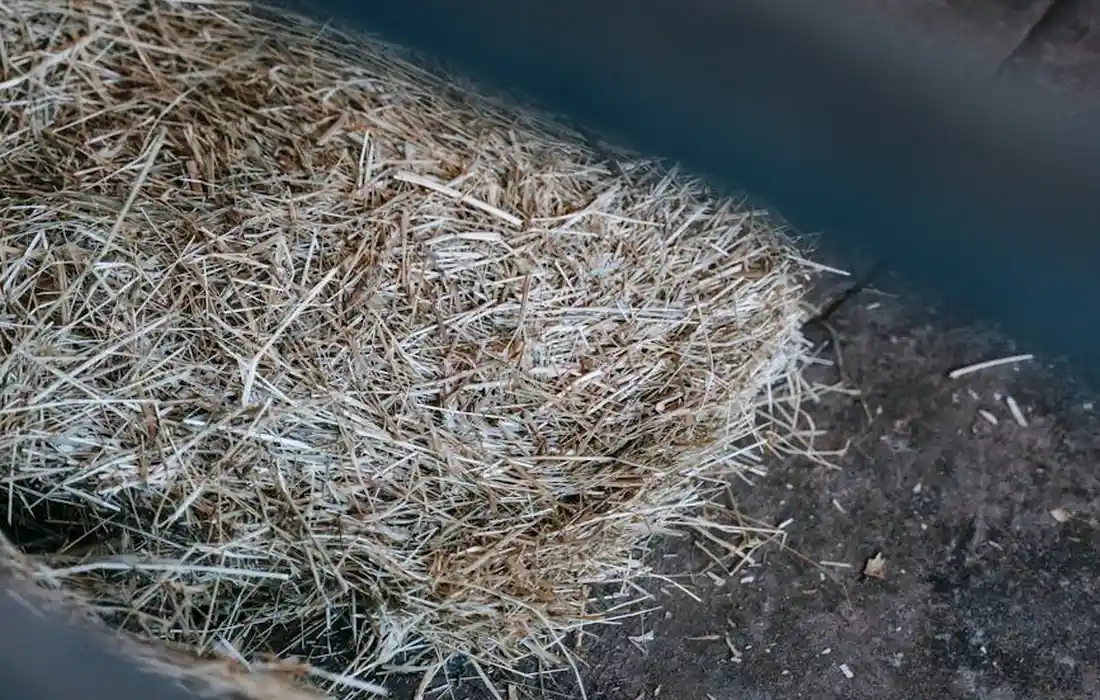
If you notice your rabbit isn’t eating its hay like usual, don’t panic, but do pay close attention. This is your first sign that something’s amiss. Here’s a step-by-step guide on how to reckon with the situation.
First, play detective with the hay itself. Has the brand, cut, or type changed recently? Rabbits can be surprisingly picky about texture and taste. Sometimes, they’re just not eating hay even when everything seems fine. A switch from soft, leafy Timothy to a coarser orchard grass might initially put them off their supper. Offer a bit of the old variety if you have it left, to test their interest.
Second, examine their environment and health. Is the rabbit showing any other signs? Look for:
- Dental Issues: Overgrown teeth make chewing painful. Listen for slow, hesitant chewing or watch for dropping pellets of half-eaten hay.
- GI Stasis: A slow gut means no appetite. Check for small, misshapen droppings or none at all, and a quiet, still belly.
- Stress or Boredom: A new predator nearby, a loud dog, or a barren cage can suppress appetite. Ensure they feel safe and have enrichment.
- Competition: In a group, a shy rabbit might be bullied away from the prime feeding spot. Provide multiple hay stations.
My go-to response is always to offer a fresh, fragrant handful of a different, high-quality hay. Sometimes that’s all it takes. If low consumption lasts more than 12 hours, or is paired with lethargy, consider it a veterinary emergency-a rabbit’s health declines rapidly when they stop eating. In the meantime, keep them warm and hydrated, and syringe-feed a critical care formula if you have it on hand. Stewardship means knowing when your own know-how ends and the vet’s expertise must begin.
Closing Questions
How much hay should a rabbit eat daily?
As a steadfast rule on the farm, a healthy adult rabbit needs to consume a daily pile of hay roughly equal to its own body size. This ensures unlimited access, supporting continuous digestion and preventing waste from overfilling the rack too soon. Be mindful, as overfeeding hay can also have its risks.
What type of hay is best for rabbits?
For most adult rabbits, grass hays like timothy or orchard grass are ideal due to their balanced fiber and moderate protein. Reserve richer legume hays like alfalfa for growing kits, nursing does, or as an occasional treat to avoid obesity. It’s important to understand the differences between timothy and alfalfa hay to make the best choice for your rabbit’s age and health.
How does a rabbit’s age affect hay consumption?
Young kits under seven months require unlimited alfalfa hay for growth, while adults thrive on unlimited grass hay. Seniors may need softer grass hay to ease chewing, but the key is maintaining constant fiber intake across all ages.
How do I measure the correct amount of hay for my rabbit?
Use the visual guide of a body-sized pile, but for practical barn management, ensure the hay feeder is never empty. Measuring by volume-about a quart per day for a standard 5-pound rabbit-can help track consumption without limiting access.
What are the signs my rabbit is not eating enough hay?
Watch for small, misshapen droppings, lethargy, or a hunched posture indicating GI distress. Dental issues like slow chewing or dropped food bits are also red flags that hay intake has dropped dangerously low.
Can a rabbit eat too much hay?
For healthy rabbits, overeating hay is uncommon due to its high-fiber, low-calorie nature. However, monitor weight closely, as excessive consumption of rich alfalfa hay can lead to obesity, so stick to grass hay for adults.
Back to the Hutch
When all’s said and done, the simplest rule is the best one. Your rabbit’s feeder should never run empty of grass hay; a constant, generous supply is the single most important thing you can do for their digestion, their teeth, and their peace of mind. Weighing portions has its place for pellets, but with hay, abundance is the goal. In the bigger picture, aim for fresh-food ratios that include lots of hay and leafy veggies. Include a modest amount of pellets and only occasional treats.
I reckon y’all have got this. There’s a profound contentment in watching a rabbit settled in, methodically munching on a flake of timothy or orchard grass, knowing you’re providing exactly what they need. Thanks for taking the time to care for the details. Now go enjoy the quiet company of your critters and the good rhythm of a day’s work done right.
Further Reading & Sources
- All About Hay – San Diego House Rabbit Society
- Hay for Rabbits
- Hay should make up 80-90% of a rabbit’s diet | Why is hay so important for rabbits?
Caroline Mae Turner is a lifelong farm girl raised on red clay, early mornings, and the sounds of a bustling barnyard. With hands-on experience caring for everything from stubborn goats to gentle dairy cows and mischievous pigs, Caroline shares practical, tried-and-true advice straight from the farm. Her goal is to help folks keep their animals healthy, well-fed, and living their best barnyard life. Whether you're wrangling chickens or bottle-feeding a baby goat, Caroline brings a warm Southern touch and plenty of real-world know-how to every bucket in the barn.
Feeding Guidelines