Rhubarb and Rabbits: The Straight Answer Every Homesteader Needs
Published on: October 4, 2026 | Last Updated: October 4, 2026
Written By: Caroline Mae Turner
Howdy y’all. That lush, leafy rhubarb patch can look like a fine treat for a foraging bunny, but you need to shut that gate right now. No part of the rhubarb plant is safe for your rabbits-the leaves are highly toxic, and the stalks are far too acidic for their delicate systems.
- A keen eye for identifying rhubarb in your garden or yard.
- A secure compost bin far from curious noses.
- A list of safe, leafy greens to offer instead.
Let’s get this sorted so you can relax, knowing your fluffle is safe and your chores are back on track.
The Short Answer on Rhubarb and Rabbits
Let me speak plain as the morning sun: rhubarb is flat-out unsafe for rabbits, and you should never feed it to them. I’ve raised rabbits for decades, and this is one fence you don’t cross. The trouble lies in a substance called oxalic acid, which their bodies just can’t handle.
Why Rhubarb Poses a Danger: The Science in the Stalk
The Trouble with Oxalic Acid and Oxalates
Think of oxalic acid like rust on a good tool-it binds up what you need and ruins the function. In your rabbit, this acid latches onto dietary calcium, forming sharp crystals called oxalates that the body can’t use. It steals the very mineral needed for strong bones and teeth. Those crystals then travel to the kidneys, a rabbit’s delicate filtration system, where they can accumulate and cause painful stones or damage. Now, a green like spinach has modest levels we manage with rare treats, but rhubarb leaves are in another league entirely. Their concentration is dangerously high for a bunny’s small size.
No “Safe” Parts: Stalks, Leaves, and Roots Are All Off-Limits
I hear this one at the feed store all the time: “Aren’t the stalks safe since we bake with ’em?” The hard truth is that every single part of the rhubarb plant harbors enough oxalic acid to risk your rabbit’s health. Their digestive and urinary systems are far more sensitive than ours. I remember one spring when a volunteer seedling came up near my hutches; I yanked it out root and stem, because even a curious nibble on a stalk isn’t worth the vet bill or the heartache. For sustainable stewardship, the only good rhubarb for rabbits is the kind that’s completely out of reach—unlike holly, raspberry, or columbine, which are also unsafe but often found in garden beds nearby.
Recognizing the Signs of Rhubarb Poisoning
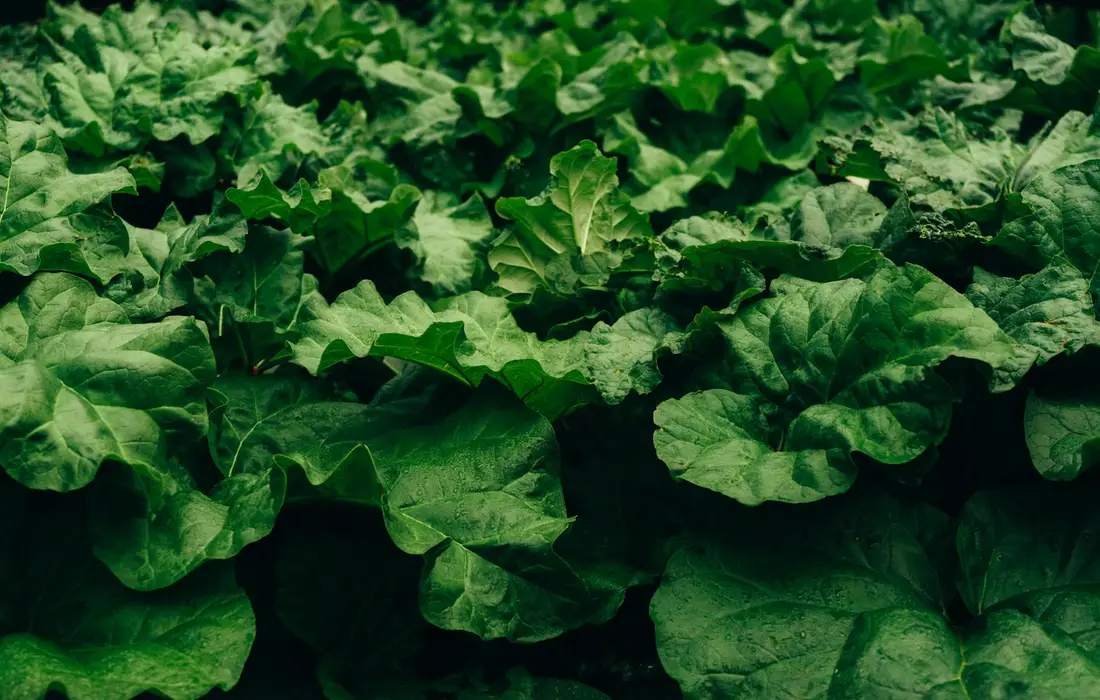
If your bunny snuck a bite of rhubarb, you might see trouble brewing faster than a summer storm rolling over the pasture. Rhubarb contains soluble oxalates, which can bind to calcium in a rabbit’s body and cause poisoning, with signs often appearing within a few short hours. I recall one time my niece’s pet lop got into the garden, and the swift change in that animal was a sobering lesson for us all.
Early Signs (Digestive Upset)
These are the first clues your rabbit’s system is in distress, usually starting with their gut.
- Increased drooling or a noticeably wet chin and front paws.
- Diarrhea or the production of misshapen, mucus-covered cecotropes.
- A sudden disinterest in food, even their favorite treats.
- Mild bloating or a hunched posture indicating belly pain.
Severe, Urgent Signs
When poisoning advances, symptoms become critical and require immediate veterinary attention.
- Profound lethargy or weakness; the rabbit may not want to move.
- Muscle tremors, stumbling, or seizures.
- Changes in urination, like red-tinged urine or straining with no output.
- Collapse or a dramatic drop in body temperature.
You must understand that rhubarb toxicity can progress from uneasy digestion to a life-threatening crisis in a matter of hours, so never adopt a wait-and-see approach. For pig owners, the rhubarb safe pigs complete feeding guide offers clear, practical safety tips. It details safe amounts, alternatives, and what signs warrant immediate veterinary attention.
What to Do If Your Rabbit Ate Rhubarb: Emergency Steps
Finding your rabbit in this situation calls for calm, deliberate action. Having a pre-planned response is as crucial as knowing how to mend a fence before the cows get out. Follow these steps exactly; time is the most critical factor you have.
- Remove All Plant Material Immediately take any remaining rhubarb leaves or stems away from the rabbit. Gently check its mouth and cage for stray pieces to prevent further ingestion.
- Observe and Note Symptoms Quickly assess your rabbit’s condition. Mentally note the specific symptoms, their severity, and when they started, as these details are gold for your veterinarian.
- Contact Your Veterinarian Immediately Call your vet or an emergency animal clinic without delay. Clearly state that your rabbit consumed rhubarb and report all the symptoms you observed. If you can, estimate how much was eaten.
- Follow Vet Instructions Precisely Your vet may instruct you to bring the rabbit in or give specific first aid. Do not attempt any home remedies like giving water, food, or over-the-counter medications, as these can complicate treatment and waste precious minutes. Listen carefully and execute their directions.
In a poisoning event, swift professional care is the only path to giving your rabbit a fighting chance, a principle that has guided my husbandry for decades.
Rhubarb and Other Barnyard Critters: A Quick Rundown
Y’all might be curious if your other animals face the same risk as rabbits. In my barnyard experience, rhubarb is generally unsafe for most livestock, from horses to chickens, due to those same oxalic acid crystals. They can lead to kidney trouble and weakness across the board. This risk also applies to cows, goats, and sheep. Keep rhubarb out of reach of all livestock.
I once watched a pig root too near the garden edge, a reminder that curiosity can get the best of them. A universal rule of good stewardship is to keep all your critters away from garden trimmings and fallen leaves, rhubarb being top of the list. It’s a simple, thrifty habit that prevents a world of worry.
Building a Safe and Thriving Rabbit Diet: Better Alternatives
The Cornerstones: Hay, Pellets, and Fresh Water
Let’s set the table right before we discuss dessert. Every healthy rabbit diet I’ve managed rests on three non-negotiable staples: unlimited grass hay, measured pellets, and fresh water changed daily. This foundation keeps their digestion humming and teeth in check. If you’re curious about a practical domestic rabbit diet guide, I share exactly what I give my rabbit to eat in the next section.
In my hutches, timothy hay fills the racks morning and night. I measure pellets strictly-a quarter cup per five pounds of body weight-and scrub water bowls with vinegar each refill to outsmart algae. It’s basic care that yields robust animals.
Rabbit-Safe Garden Vegetables and Occasional Treats
Now for the garden goodness your bunnies can truly enjoy. Rotating a variety of safe greens and veggies prevents boredom and boosts nutrition, a trick I learned over many growing seasons. Start with these reliable options.
Daily leafy greens for robust health:
- Romaine lettuce (never iceberg)
- Cilantro and carrot tops
- Spring mix or escarole
- Bok choy in moderation
Occasional treat veggies for a sweet bite:
- Carrot rounds (one or two)
- Bell pepper strips, any color
- Broccoli florets, a small piece
- Thin zucchini slices
Herbs to add flavor and enrichment:
- Mint and basil leaves
- Dill fronds and flat-leaf parsley
- A sprig of oregano or thyme
Introduce any new food slowly, offering just a teaspoon-sized piece at first to monitor their droppings. I’ve seen a sudden change upset a bunny’s belly, so patience is part of the recipe.
Closing Advice for Rabbit Stewards
Is rhubarb safe for rabbits to eat?
No, rhubarb is not safe for rabbits. Every part of the plant contains oxalic acid, which is harmful to their delicate digestive and urinary systems. It should never be intentionally offered to them, especially when there are many safe and toxic foods to consider.
What parts of the rhubarb plant are toxic to rabbits?
All parts are toxic. While the leaves have the highest concentration of oxalic acid, the stalks and roots are also dangerous and should be considered entirely off-limits for your rabbit’s safety, similar to tomato plant leaves and stems which can also pose risks.
What are the symptoms of rhubarb poisoning in rabbits?
Early signs include drooling, diarrhea, and loss of appetite. Severe symptoms, which require immediate veterinary care, are lethargy, tremors, changes in urination, and collapse. Symptoms can escalate rapidly.
What should I do if my rabbit eats rhubarb?
Remove any remaining plant material and contact your veterinarian immediately. Do not wait for symptoms to appear or attempt any home remedies. Be prepared to describe what and how much was eaten.
Are there any safe parts of the rhubarb plant for rabbits?
There are no safe parts. The common belief that the stalks might be safer is incorrect for rabbits. For their well-being, the entire plant must be kept out of reach at all times. It’s crucial to be aware of safe and unsafe plants and foods for rabbits.
What are some safe alternatives to rhubarb for rabbits?
Excellent alternatives include leafy greens like romaine lettuce, cilantro, and carrot tops. For occasional treats, offer small amounts of bell pepper or broccoli, always introducing new foods slowly to avoid digestive upset.
Shuttin’ the Gate
When it comes to our rabbits, the simplest rule is often the safest one. Stick to the proven, leafy greens and quality hay, and you’ll sidestep a whole pasture of potential trouble with your herd. Understanding safe leafy greens portions is a key part of feeding guidelines. Getting the greens right supports digestion and hydration. My barnyard principle has always been that if I have to question it, it’s best left out of the feed bucket. A rabbit’s health is built day by day with consistent, proper care, not by risky treats.
I sure am grateful y’all stopped by to chew on this with me. There’s nothin’ finer than sittin’ on the porch at dusk, watchin’ your happy rabbits graze their safe patch of clover. Here’s to many more peaceful evenings just like that for you and your critters. Take care now.
Further Reading & Sources
- rhubarb and Rabbits – Selfsufficientish.com
- r/Rabbits on Reddit: Rhubarb
- Can a rabbit eat Rhubarb? | Rabbit Hole Hay
Caroline Mae Turner is a lifelong farm girl raised on red clay, early mornings, and the sounds of a bustling barnyard. With hands-on experience caring for everything from stubborn goats to gentle dairy cows and mischievous pigs, Caroline shares practical, tried-and-true advice straight from the farm. Her goal is to help folks keep their animals healthy, well-fed, and living their best barnyard life. Whether you're wrangling chickens or bottle-feeding a baby goat, Caroline brings a warm Southern touch and plenty of real-world know-how to every bucket in the barn.
Diet Requirements