Rabbit Diet Safety: Your Practical Guide to Mushrooms and Fungi
Published on: August 11, 2026 | Last Updated: August 11, 2026
Written By: Caroline Mae Turner
Howdy y’all. When it comes to mushrooms and your rabbits, the only safe choice is to exclude all wild fungi from their diet-no exceptions. That gnawing worry about a curious bunny nibbling a toxic toadstool ends right here on this page.
What you’ll need:
- A reliable field guide for mushroom identification in your area
- Five minutes each morning for a visual sweep of their space
- A steadfast commitment to “when in doubt, pull it out”
Let’s break this down clearly, so you can secure your pens and get back to the rest of your daily rounds with confidence.
The Straight Talk on Fungi and Rabbit Digestion
Let’s have a neighborly chat about that rabbit gut of yours. It’s a dedicated hay-processing plant, not designed to handle the complex chemistry of mushrooms and fungi. I’ve managed rabbits for decades, and their digestion is a marvelous but delicate thing, built for breaking down fibrous stems and leaves, not decomposing forest matter.
Why a Forager’s Delight is a Rabbit’s Dilemma
What’s a tasty treat for you is a real puzzle for your bunny’s insides. Rabbits are hindgut fermenters, relying on a specific balance of bacteria in their cecum to extract nutrients, and fungi can wipe out those crucial microbes in no time. It’s like pouring weed killer on your best pasture grass-it disrupts the whole system. Do rabbits’ chewing and eating habits reveal how their digestive system works? Understanding this digestive behavior can guide safer feeding choices.
I recall a damp autumn where wild mushrooms sprouted in a penned area. Even non-toxic varieties caused bloating and soft cecotropes in my group, because the simple act of eating them altered their gut pH and flora. You’re not just risking poison; you’re risking a nutritional shutdown that requires careful, costly intervention to fix.
The Store-Bought and Cooked Mushroom Question
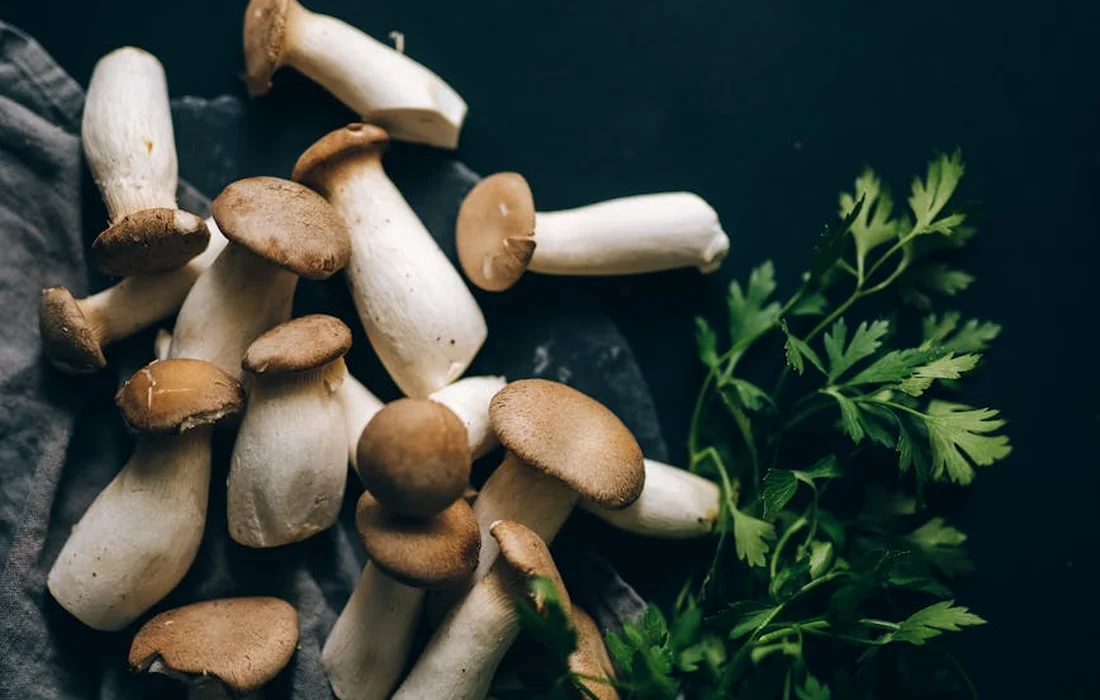
I reckon this is the most common question I get at the feed store. No matter how you slice, dice, or sauté them, mushrooms offer zero nutritional benefit to a rabbit and present a very real risk of digestive harm. Cooking breaks down some compounds for us, but it doesn’t remove the chitin or potential mycotoxins that trouble a rabbit.
Think of it as a thriftiness issue. Feeding store-bought mushrooms is a waste of good money and a gamble with your animal’s health, when a handful of oat hay or dandelion greens would be a safe, welcomed feast. Stewardship means knowing what not to feed, as much as knowing what to provide.
Identifying the Danger: Toxic Mushrooms in Your Pasture
Your pasture is a buffet, and you need to be the bouncer. Toxic fungi love the same environments your critters do: shaded, moist areas with rich organic matter. After a good rain, I make a slow walk around my runs, looking for any new, suspicious growths pushing through the grass.
You don’t need to be a mycologist, but you should know the usual suspects. Species like the Death Cap (Amanita phalloides) or the Fool’s Conecap (Conocybe filaris) are responsible for most livestock poisonings and can be found in grassy areas. When I find one, I remove it with gloves and note its features for my garden journal.
The Most Potent Parts: Caps, Gills, and Spores
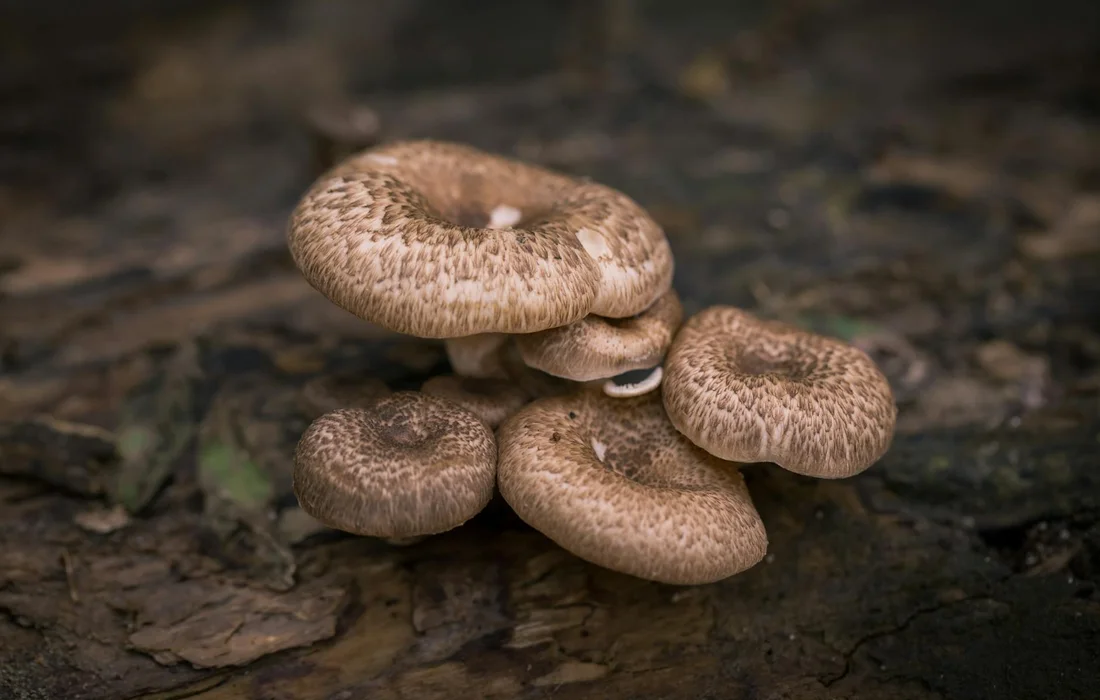
The poison isn’t spread evenly through the mushroom. Toxins are often most concentrated in the cap flesh, the gills, and the spores themselves, making these the most dangerous parts for a curious nibble. A single bite of a toxic cap can deliver a fatal dose to a medium-sized rabbit.
When you’re scanning your land, pay special attention to these features. Here’s a quick checklist I use:
- Cap: Note the color and shape. Many toxic types have distinctive umbrellas, knobs, or convex caps that can be white, yellow, or reddish.
- Gills: Look underneath. White, yellow, or greenish gills are a common warning sign in poisonous pasture mushrooms.
- Spores: These are the dusty powder they release. If you see a mushroom that looks like it’s dusting the grass around it, keep your animals away-those spores can be harmful if ingested while grooming.
Your best defense is a good offense. Regularly mowing your pasture and improving drainage in low, wet spots will significantly reduce the friendly conditions mushrooms need to fruit. It’s a simple, sustainable practice that protects your herd and saves you a world of worry.
Reading the Signs: Symptoms of Mushroom Poisoning
Spotting trouble early can make all the difference for your bunny, and I reckon that starts with knowing what to look for in those wise, watchful eyes. Symptoms can sneak up fast or come on slow, all depending on the nasty little fungus that got eaten. From my years in the barnyard, I’ve seen that gastrointestinal upset is usually the first unwelcome guest.
You might notice your rabbit turning its nose up at supper or hunching in a corner, which is a sure sign something’s amiss. Any sudden change in appetite or posture is your first red flag that internal distress is brewing. That’s when a rabbit not eating emergency guide can be a lifesaver. Acting quickly to monitor changes and seek veterinary advice can prevent serious complications.
Here’s a list of the specific signs that should have you reaching for the vet’s number:
- Excessive drooling or wetness around the mouth.
- Diarrhea or unusually soft, foul-smelling cecotropes.
- Lethargy or a pronounced lack of interest in movement.
- Visible tremors, shaking, or a wobbly, uncoordinated gait.
- Abdominal bloating or signs of pain when touched.
- Changes in breathing, either too rapid or too labored.
I remember one spring when a curious Jersey Wooly got into a damp corner of the run. Within hours, she was listless and off her feed, a clear lesson that wild fungi and domestic rabbits are a dangerous mix. Neurological signs like those tremors are particularly urgent, pointing to toxins that attack the nervous system directly.
Emergency Barnyard Protocol: If Your Rabbit Ate a Mushroom
Don’t panic, but do move with purpose. Your calm, quick action is the best medicine your rabbit has until you get professional help. First, secure the scene to prevent any other critters from sampling the same dangerous snack.
Follow these steps in order, just like I do when trouble hits the hutch:
- Remove the Rabbit: Gently place your bunny in a clean, familiar carrier or a spare cage with no food or bedding. This lets you monitor them closely and prevents them from hiding symptoms.
- Identify the Culprit: If it’s safe, collect a sample of the mushroom, including the base and any nearby ones. Place it in a paper bag, not plastic, to prevent rotting. A picture of the fungus where it was growing can also be a huge help for the vet.
- Do Not Induce Vomiting: Unlike dogs, rabbits cannot vomit. Trying any home remedy can cause more harm than good. Your job is to stabilize, not treat, until you get expert guidance.
- Offer Fresh Water: Have clean water available in a shallow dish. Hydration is key, but never force water into your rabbit’s mouth, as this can lead to aspiration.
Gather your rabbit’s recent diet history and any changes in their environment before you call. This thrifty habit of keeping good notes will save precious minutes when every second counts. For a practical feeding plan, refer to a domestic rabbit diet guide.
When to Call the Vet: No Questions Asked
In matters of potential poisoning, hesitation is not your friend. If you even suspect your rabbit has taken a bite of a wild mushroom, consider that your cue to make the call. It’s always better to be the cautious homesteader than the regretful one.
Here are the situations where you pick up the phone immediately, no debating:
- You saw the rabbit eat the mushroom, no matter how small the bite.
- Any of the symptoms from the list above are present, even mildly.
- You cannot identify the fungus as a 100% safe, cultivated variety.
- The rabbit is very young, old, or already has a health condition.
I’ve made that call in the middle of the night more than once, and not one vet ever made me feel foolish for it. A true steward knows that respecting these animals means acting first on their behalf, even when you’re worried you might be overreacting. Have your vet’s emergency number and the contact for an animal poison control center saved in your phone right now-don’t wait for the crisis to go looking for it.
The Foundation of a Safe Rabbit Diet
Y’know, a rabbit’s curiosity is a blessin’ and a curse. I’ve watched my herd nibble on everything from dandelion crowns to my boot laces, but when it comes to mushrooms, we can’t afford guesswork. The bedrock of safe rabbit keepin’ is controllin’ what goes in their mouths, plain and simple. I learned this the hard way years back when a sudden rain brought up a flush of toadstools in the grow-out pen. We were lucky, but it sure set my heart to poundin’.
Rabbits thrive on predictability. Their delicate gut flora is a finely tuned engine, and foreign fungi are like pourin’ sand in the gas tank. Your best defense is a steady diet built on trusted staples, not the unpredictable buffet of the wild. It’s about bein’ a good steward by providin’ plenty of the good stuff, so they ain’t tempted to go foragin’ for trouble. Understanding their general diet and foraging habits helps guide care decisions. This knowledge keeps them healthy and less inclined to stray in search of food.
Healthy Alternatives to Foraged Temptations
Now, let’s talk about fillin’ those feed bowls with safe, satisfyin’ choices. The goal is to offer such variety and abundance that a wild mushroom holds no appeal. Start with a mountain of grass hay-timothy or orchard grass are my year-round anchors-which should make up about 80% of their daily intake. It keeps their teeth worn and their digestion movin’.
For the rest, think fresh, clean, and known. Here’s my go-to list for keepin’ rabbits happy and healthy without risk:
- Leafy Greens: Romaine lettuce, carrot tops, kale stems, and cilantro. I give a handful per rabbit daily.
- Herbal Treats: Mint, basil, and dill. These are powerful aromatics that distract from wild scents.
- Quality Pellets: Choose a brand with 16-18% protein for adults, and limit to 1/4 cup per 5 pounds of body weight. This prevents pickiness.
- Woody Branches: Apple, willow, or ash twigs. They satisfy chew instincts better than any fungus ever could.
I mix my own pellet blend with a touch of rolled oats for my breedin’ does, but for most folks, a plain pellet is perfect. Remember, a busy rabbit with a full belly of good food is your first and best line of defense against dietary mishaps. It’s the homesteader’s version of “an ounce of prevention.” Beyond pellets, house rabbits thrive on hay, leafy greens, and a variety of vegetables. A fiber-rich, varied diet supports digestion and dental health.
Proactive Pasture Management: Keeping Fungi at Bay
Beyond the feed bucket, your pasture management plays a huge role in safety. Fungi love shade, moisture, and decay. Our job is to make the run as inhospitable to mushrooms as we can. Good pasture management ain’t just about grass; it’s about creatin’ a clean, sun-drenched environment where fungi struggle to take hold.
Start with your ground. I aim for well-drained soil, and if I see a soggy spot, I’ll add a wheelbarrow of sand to fix it. Here are the steps I follow every season:
- Mow and Sun: Keep grazing areas trimmed short. Sunlight is a natural disinfectant that discourages fungal spores.
- Rotate Religiously: Move your tractors or pens every few days. This prevents soil compaction and breaks up pest cycles.
- Remove Debris: Clear away wet hay, fallen leaves, and old manure piles promptly. These are fungal incubators.
- Inspect Daily: Make a mornin’ walk with your coffee to scout for any mushroom caps. Pluck ’em with gloves and dispose of ’em off-site.
Fencin’ matters, too. I use 14-gauge welded wire with 1×2-inch openings to keep rabbits in and larger critters out. A tight fence line also lets you control their access, preventin’ them from reachin’ wooded edges where wild fungi thrive. It’s a simple, rugged barrier that pays for itself in peace of mind.
I reckon the most sustainable trick is to encourage a diverse, hardy grass stand. I overseed with clover for nitrogen, which strengthens the turf. A thick, vigorous sod leaves little room for mushrooms to push through, while providin’ excellent forage for the rabbits themselves. It’s a win-win that comes from workin’ with the land, not against it.
Closing Tips for the Cautious Steward
Are mushrooms safe for rabbits?
No, mushrooms are not considered safe for rabbits. Their digestive systems are not designed to process fungi, and ingestion can lead to serious digestive upset or poisoning, even from non-toxic varieties.
Which mushrooms are toxic to rabbits?
Many common wild mushrooms are toxic, with species like the Death Cap (Amanita phalloides) being particularly dangerous. Since identification is difficult, all wild fungi should be treated as a threat to your rabbit’s health, just like some wildflowers.
Can rabbits eat store-bought mushrooms?
It is not recommended. Store-bought mushrooms offer no nutritional benefit to rabbits and still pose a risk of digestive disruption. Your resources are better spent on safe, species-appropriate foods like quality hay and leafy greens.
Are there any safe mushrooms for rabbits?
There are no mushrooms that are recommended as a safe dietary component for rabbits. The risks of digestive issues and potential toxicity far outweigh any unproven benefits, making complete avoidance the only responsible policy. My ultimate rabbit food safety guide covers the complete list of safe and toxic foods to help keep your bunny healthy and safe.
Can rabbits eat cooked mushrooms?
No, cooking does not make mushrooms safe for rabbit consumption. The process does not eliminate the components that are hard for rabbits to digest and does not neutralize all potential toxins that could harm them.
How can I prevent my rabbit from eating wild mushrooms?
Proactive pasture management is key. This includes regular mowing to allow sunlight in, removing organic debris, improving drainage in wet areas, and conducting daily visual sweeps of their space to remove any fungi before your rabbits can find them. While rabbits do eat grass, ensuring it’s safe and clean is crucial for their health.
Shutting the Gate
When all’s said and done, the wisdom from my barn is straightforward. The absolute safest practice for your rabbits is to consider all wild mushrooms and fungi off-limits, without exception. I’ve seen a curious nibble lead to a sorrowful outcome, so I stick to the basics: endless timothy hay, a balanced pellet, and leafy greens I know by name. It’s the thrifty, stewarding way to ensure your herd thrives. Many readers wonder: do rabbits eat safe or unsafe plants and foods? We’ll cover which common plants are safe and which to avoid in the next section.
There’s a mighty satisfaction in knowing your animals are safe, fed, and content. Hold tight to the simple rhythms of care, and you’ll find the real reward isn’t just in the doing, but in the peaceful life it builds. I’m grateful we could chat about this. Now, go on and enjoy those rabbits of yours-here’s to many more sunny days in the yard together.
Further Reading & Sources
- Can Rabbits Eat Mushrooms? Complete Safety Guide 2025 – Wild vs Store-Bought
- Can Rabbits Eat Mushrooms? Safety Facts & FAQ | PangoVet
- Can a rabbit eat Mushrooms? | Rabbit Hole Hay
Caroline Mae Turner is a lifelong farm girl raised on red clay, early mornings, and the sounds of a bustling barnyard. With hands-on experience caring for everything from stubborn goats to gentle dairy cows and mischievous pigs, Caroline shares practical, tried-and-true advice straight from the farm. Her goal is to help folks keep their animals healthy, well-fed, and living their best barnyard life. Whether you're wrangling chickens or bottle-feeding a baby goat, Caroline brings a warm Southern touch and plenty of real-world know-how to every bucket in the barn.
Diet Requirements