Squash and Zucchini: The Thrifty Homesteader’s Guide to Chicken Feed
Published on: April 26, 2026 | Last Updated: April 26, 2026
Written By: Caroline Mae Turner
Howdy y’all. Staring down a mountain of summer produce and wondering what to do with it all? You can absolutely feed squash and zucchini to your chickens, and it’s a brilliant, cost-effective way to enrich their diet and reduce your feed bill. I’ve been supplementing my flock with garden goods for decades, and I reckon there’s nothing a hen loves more than pecking at a fresh, soft chunk of zucchini.
What you’ll need:
- A handful of fresh squash or zucchini
- A reliable knife for chopping
- A clean feeding area or scratch tray
- Five spare minutes before evening chores
We’ll have your birds enjoying their garden treat safely and efficiently before you can say “scratch grain.”
Why Feed Squash and Zucchini to Your Flock?
Now, I reckon some folks might wonder why you’d share your garden bounty with chickens when they’ve got their feed. Well, from my porch to yours, it’s about more than just cleaning out the fridge. Offering squash and zucchini turns kitchen scraps into powerful nutrition, boosting your flock’s health from the inside out. These cucurbits pack a punch where it counts, and your hens will thank you with vigor and better eggs.
Key Nutrients in Cucurbits
Let’s talk about what’s inside these curved vegetables. I’ve seen a difference in my birds’ plumage and egg yolks since I started adding these to their scratch. The vitamins and minerals in squash act like a daily tonic for your poultry, supporting everything from strong shells to shiny feathers.
- Vitamin A: This is a champion for vision and immune health. It helps your birds spot bugs better and fight off everyday barnyard challenges.
- Vitamin C: While chickens make their own, an extra boost during summer heat or stress can keep their immune systems running smooth.
- Potassium & Magnesium: These minerals are unsung heroes. Potassium aids nerve and muscle function, while magnesium helps with bone strength and egg production.
But that’s not all! The fiber in the flesh keeps their digestion regular, preventing pasty vents and other troubles. That high water content, especially in summer squash, is a blessing during hot spells, helping keep your hens hydrated without extra work for you. I often toss in chunks on a July afternoon and watch them peck happily.
Summer vs. Winter Squash: What’s the Difference?
You might have both types in your garden, and they’re not created equal for your flock. Here’s the lowdown from my own feed bucket experiences.
Summer squash, like zucchini and yellow crookneck, are tender and grow quick. Their higher water content makes them a refreshing, hydrating snack, but they’re less nutrient-dense per bite compared to their winter cousins. They’re perfect for using up surplus straight from the vine.
Winter squash, such as butternut, acorn, and spaghetti, are the long-keepers. They develop a richer, drier flesh and a tougher skin after curing. This storage process concentrates their sugars and nutrients, making them a more potent source of vitamins A and C for your birds during the leaner months. I’ve stored butternut squash in my root cellar and fed it well into February.
The key takeaway? Use summer squash for immediate, hydrating treats and winter squash as a stored, nutritional supplement. Both have a proud place in a thrifty homesteader’s plan.
Understanding Safety: Every Part of the Plant Examined
Before you start tossing whole plants into the run, let’s walk through what’s safe and what’s not. Good stewardship means knowing your offerings, ensuring every bite benefits your birds without harm. I’ve learned this through trial and error over many seasons.
Safe Parts: Flesh, Seeds, and Skin
You can breathe easy here-most of the fruit itself is perfectly fine for your chickens to enjoy.
- Flesh & Pulp: Whether raw or cooked, the soft inside is a winner. Cooked squash is easier for them to eat, especially for younger birds or bantams, but raw works just fine if you chop it. I often steam or bake leftover pieces with my own meals and share the softened results with the flock.
- Seeds: Don’t you dare throw those away! Squash seeds are a protein-rich treasure. My hens go wild for them, and it’s a fantastic way to reduce waste while giving them a nutritious scratch. You can feed them fresh, dried, or even roasted without salt.
- Skin: The skin is edible and safe, but use common sense. Tender zucchini skin can be fed as is. For tougher winter squash skin, I recommend chopping it into small pieces or cooking it first to prevent any choking hazard and ensure your birds can access the goodness.
Parts to Avoid: Vines, Stems, and Bitter Fruits
Now, here’s where you need to be careful. Not everything from the squash patch belongs in the coop.
Avoid the vines and stems altogether. They’re far too fibrous and tough for chickens to digest properly, and they can easily cause crop impaction. On top of that, those tangled vines often harbor pests like squash bugs or mildew, which you don’t want introducing to your birds’ space.
The most critical warning is against bitter-tasting squash or zucchini. A bitter flavor signals high levels of cucurbitacin, a natural toxin that can cause severe digestive upset and even be fatal to poultry. This usually happens in homegrown crops from cross-pollination or stress.
How do you spot it? Always taste a small piece of your garden scraps before feeding. If it has an unpleasantly sharp, bitter taste-different from a mature, earthy flavor-toss it in the compost, not the run. When in doubt, remember the old barnyard rule: if it tastes off to you, it’s not for them. I once had a volunteer squash come up bitter; thankfully, a quick taste test saved my girls from a bellyache.
From Garden to Coop: How to Prepare and Serve Squash and Zucchini
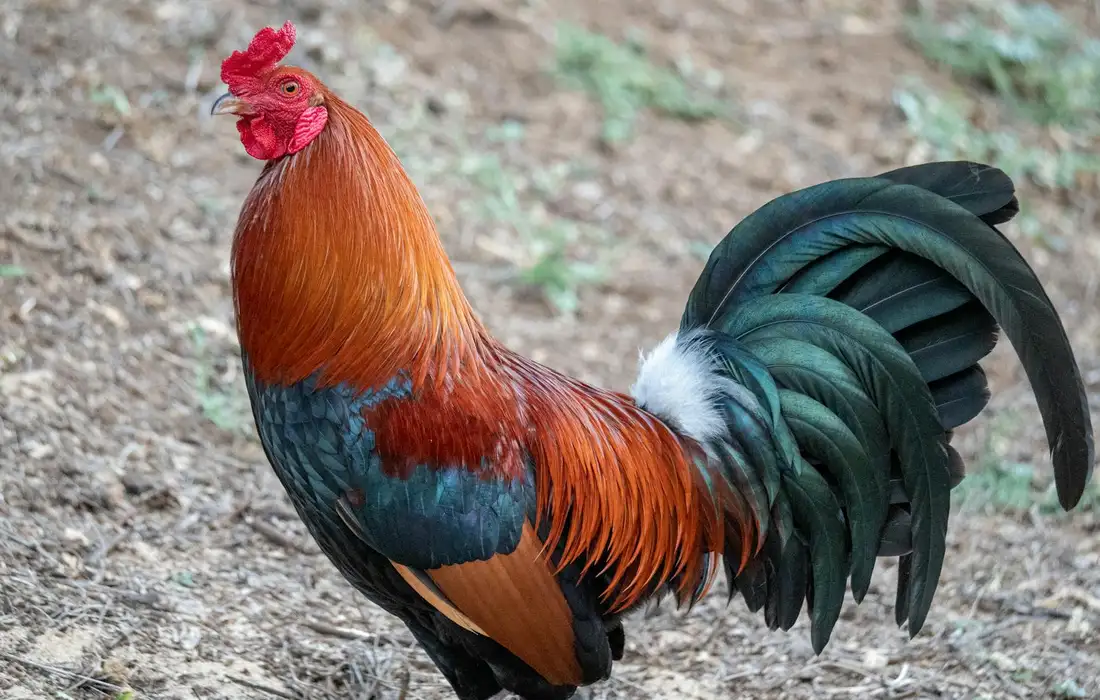
You’ve got a bounty on the vine, and your flock is clucking with anticipation. Getting that summer squash from your patch to their beaks is simple, but a few mindful steps make all the difference for their health and your peace of mind.
Step-by-Step Preparation Guide
Treatin’ your chickens isn’t complicated, but good preparation is a sign of respectful stewardship. Here’s how I’ve done it for years.
- Give ’em a Good Scrubbing: Rinse that squash under cool water and use your hands to scrub off all the garden dirt. We don’t want that grit in their crops, and it keeps the coop cleaner, too.
- Play Quality Inspector: Take a sharp knife and cut away any soft spots, gashes from bugs, or signs of mold. If a section looks questionable to you, it’s not fit for your birds. I compost those bits for the garden later.
- Chop to the Right Size: Dice the flesh into pieces about the size of a nickel or a one-inch cube. This prevents choking and makes it easy for every hen, from the bossy Rhode Island Red to the timid bantam, to get her fair share.
- Consider a Warm Meal: For very young chicks, older hens with fewer teeth, or on a bitter cold morning, lightly steam or boil chunks until just tender. Mash it with a fork and let it cool completely. This softens the fibrous skin and creates a comforting, warm mash that’s easier to digest when their energy is going toward staying warm.
Raw vs. Cooked: Which is Better?
There’s no single right answer here-it depends on your flock and the season. I keep both methods in my rotation.
- Raw squash is a powerhouse of fresh vitamins and provides a satisfying crunch that’s great for beak health and boredom. The nutrients are in their most natural state, and it’s the quickest, no-fuss way to serve.
- Cooked squash has its own special place. The gentle heat breaks down tough cellular walls, making those same nutrients a tad easier for your hens to absorb. More importantly, a warm mash in the winter is like serving them a cozy bowl of oatmeal. It’s a welcome change from cold feed and icy water.
My one non-negotiable rule? Never, ever serve them squash prepared for your human table. Butter, oils, salt, garlic, and onions are absolute no-gos for chickens and can cause serious harm. Their treat should be pure and simple.
Creative Serving Ideas to Reduce Waste
Don’t let a single squash go to waste! Getting creative saves money and keeps your birds entertained. We’ve all faced those overgrown zucchinis hiding under a leaf-the ones as big as a baseball bat. Being attentive to the types of squash you feed them is crucial.
- The Hanging Feast: Take a small, whole yellow squash or a thick round from a giant zucchini, drill a hole through the center, and hang it with twine in the run. Watching them peck and swing at it is better than television and lasts for days.
- Coop Casserole: In a spare dish, mix your chopped squash with other flock-safe veggie scraps like chopped leafy greens, bell pepper cores, or a few scratch grains. This “everything but the kitchen sink” mix encourages natural foraging behavior and ensures a variety of nutrients.
- The Blended Boost: For a nutrient-dense feed topper, puree raw or cooked squash and stir it directly into their regular layer feed until it’s just moistened. It’s a fantastic way to use up over-mature squash with larger seeds, and the hens gobble it right up.
- The Frozen Summer Treat: On a scorching day, I’ll freeze chunks of raw zucchini in a block of water. The icy block provides cooling entertainment and a hydrating snack as they peck at it. It turns waste into a heat-beating remedy.
Finding the Balance: How Much and How Often to Feed
Now, let’s talk practicality. Y’all can’t just toss a whole squash into the run and call it a day. Feeding treats like squash is all about rhythm and proportion, keeping the main feed as the star of the show. I reckon it’s like seasoning a good stew-too little and you miss the flavor, too much and you ruin the pot.
Recommended Serving Sizes
From my porch to yours, here’s a tried-and-true system. I always chop or grate the squash, making it easier for the girls to eat and digest. A uniform chop prevents bullying and ensures every hen gets her fair share of the goodness. Winter squash like butternut or acorn is denser and richer, so I serve a bit less compared to watery summer zucchini.
This table has been my barnyard bible for years. It’s based on a flock that’s also eating a quality complete feed free-choice.
| Flock Size | Squash Type | Chopped Amount per Feeding | Frequency per Week |
|---|---|---|---|
| 5 chickens | Summer (Zucchini, Yellow Squash) | 1/2 cup | 2 to 3 times |
| 10 chickens | Summer (Zucchini, Yellow Squash) | 1 cup | 2 to 3 times |
| 20 chickens | Summer (Zucchini, Yellow Squash) | 2 cups | 2 to 3 times |
| 10 chickens | Winter (Butternut, Acorn, Spaghetti) | 3/4 cup | 1 to 2 times |
| 25 chickens | Winter (Butternut, Acorn, Spaghetti) | 2 cups | 1 to 2 times |
I treat squash as a midday snack, offered a few hours after they’ve had their fill of layer feed. This schedule encourages them to eat their nutritionally complete meal first, which is non-negotiable for health and egg production.
Signs You’re Feeding Too Much
Chickens have a way of telling you when the menu’s off. You just have to listen with your eyes. Overdoing the squash, especially the high-moisture summer kinds, throws their delicate digestion out of whack. I learned this one damp spring when my hens turned their beaks up at good feed.
Watch for these signs in your flock:
- Watery or overly loose droppings around the coop. That’s a direct signal of too much moisture from veggies.
- Leftover layer feed in the trough. A sudden drop in appetite for their balanced ration is a bright red flag.
- Eggshells that feel thin, brittle, or rubbery. This hints at a calcium imbalance, as fillin’ up on squash can mean they eat less of the oyster shell or feed that provides it.
- Lingering piles of uneaten squash in the run. If they’re walkin’ away from it, you’re offerin’ too much.
If you spot any of this, don’t fret. Just pull back on the squash for a week. Let their systems reset by ensuring free-choice feed and crushed oyster shell are the only items available for a few days. Then, reintroduce the squash slowly, starting with half the amount you used before. Your thrifty stewardship and keen observation keep the flock right as rain.
Seasonal Squash: Making the Most of Your Harvest
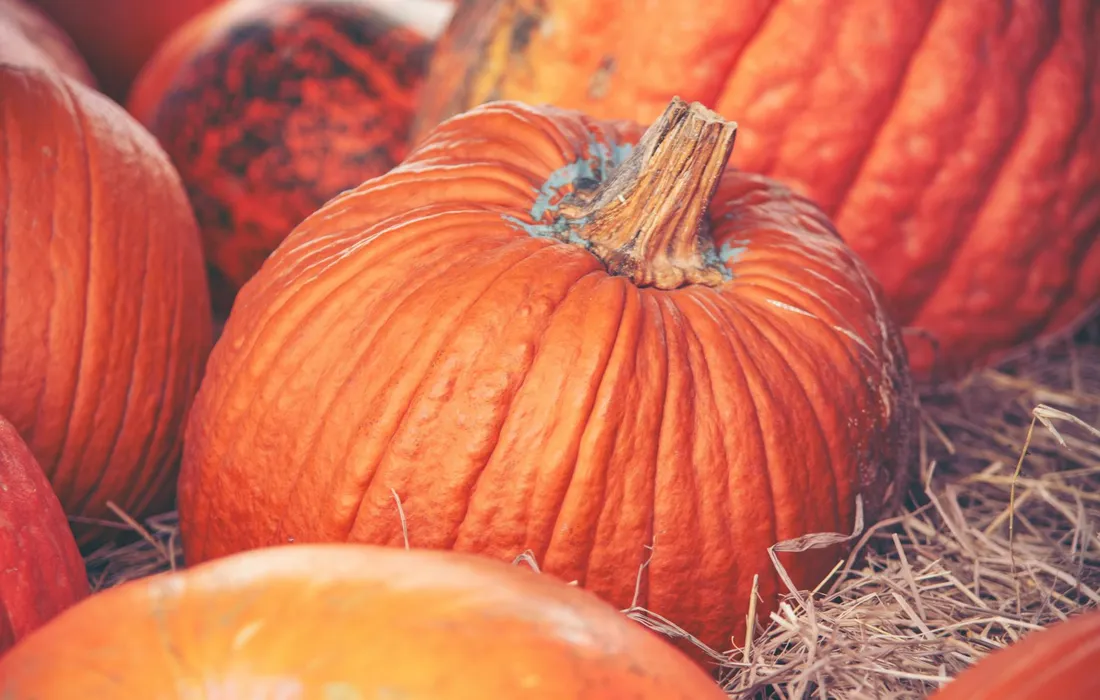
Summer Abundance: Fresh Zucchini Daily?
When your garden is bursting with zucchini, it’s natural to want to share that bounty with your flock every afternoon. I made that mistake early on, and I saw my hens’ egg production dip because their diet got out of whack. Chicken feed is carefully formulated to be their mainstay, and too many treats can dilute those essential nutrients. A comprehensive guide on vegetables in a chicken’s diet covers safe, healthy feeding, explaining which vegetables are best, proper portions, and how to avoid overfeeding while maintaining egg quality.
Think of zucchini as a delightful supplement, not the main course. To keep your chickens healthy and eager, I recommend a simple rotation of treats straight from the homestead. This prevents boredom and ensures a broader range of vitamins. For a practical list of the best vegetables to offer—safe and nutritious for chickens—see our feeding guide. It helps you choose poultry-friendly greens and plan portions.
- Rotate with other garden goods: Offer zucchini only two or three days a week. On other days, try Swiss chard, chopped cucumbers, or a handful of sunflower seeds.
- Preserve your surplus with thrift in mind: Chop excess zucchini into chunks, blanch them briefly, and freeze in reusable containers. Dehydrating thin slices into chips is another fine option for a shelf-stable treat.
That frozen zucchini has saved me money more than once. Come January, it feels right good to pull a bag from the freezer and give the girls a taste of summer.
Winter Storage: Keeping Squash for Cold Months
Hard-skinned winter squash like butternut or acorn is a homesteader’s treasure for the lean season. If you cure and store them properly in a cool, dark corner around 50°F, they can last you deep into spring. I keep mine on wooden shelves in the cellar, checking every few weeks for any soft spots.
When the pasture is brown and kitchen scraps are slim, a warm squash mash is a welcome comfort food for the coop. Steaming or baking a squash until it’s fork-tender, then mashing it up, provides a hydrating, energy-rich treat that helps your flock weather the chill. It’s a small act of stewardship that reinforces their well-being.
- Create a simple warm mash: Mix the cooked squash flesh with a bit of warm water or broth. For a more substantial meal, stir in a cup of rolled oats or a sprinkle of their regular crumbles.
- Maintain balance even in cold weather: This mash should remain a treat, making up no more than 10% of their daily food intake. Their complete feed is still what keeps them thriving when resources are scarce.
I’ve found our stored squash makes the winter feeding routine a tad more colorful and joyful. It’s a mighty fine feeling to use your own harvest to care for your animals year-round.
Beyond Squash: Other Garden Treats for Chickens
Similar Cucurbits: Pumpkins and Cucumbers
Your garden’s bounty doesn’t end with squash, and your chickens’ delight shouldn’t either. Pumpkins and cucumbers, being kin in the cucurbit family, make mighty fine offerings with a little know-how from the barnyard.
I’ve fed pumpkins to my flocks every fall since I was knee-high, using everything from pie pumpkins to those giant jack-o’-lanterns after the season. The orange flesh is rich in vitamin A, but the real prize is in the seeds. Crushing a cup of raw pumpkin seeds and sprinkling them over your flock’s feed once a week provides a frugal, natural support for intestinal health.
Cucumbers are a different story, mostly water and crisp refreshment on a scorching day. My hens cluck with joy for a cool slice, but I mind the quantity. Overfeeding cucumbers can dilute digestive enzymes and lead to messy, watery droppings that nobody wants to clean up. A few thin slices per bird, twice a week, is a good rule of thumb.
- Pumpkins are excellent, nutrient-dense treats; their seeds are valued for natural deworming properties when fed raw and crushed.
- Cucumbers are very high in water content; feed them in strict moderation-a few slices per bird weekly-to prevent digestive upset.
Balancing the Treat Menu
Think of your chicken’s diet like a patchwork quilt-each colorful scrap adds warmth and strength. Relying only on squash or pumpkins leaves holes in their nutritional blanket. Chickens also eat beyond their daily feed—think greens, kitchen scraps, and small insects as safe supplementary foods and treats. These extras help fill nutritional gaps and keep their diet interesting.
I walk my garden rows with a basket, gathering a variety: dark leafy greens like kale for calcium, beet tops for iron, and even a few comfrey leaves for extra protein. This rotational grazing with garden treats mimics natural foraging and prevents dietary boredom and deficiencies.
Always anchor their diet with a complete commercial feed, which is formulated for their needs. All treats combined, from zucchini to leafy greens, should never make up more than 10% of their total daily food intake to keep them in prime laying condition. I measure by volume: for every ten scoops of layer feed, one scoop of treats is the limit.
- Encourage variety by rotating garden treats like leafy greens, herbs, and other vegetables to provide a broad spectrum of vitamins and minerals.
- All treats, including cucurbits, should not exceed 10% of the total poultry diet to ensure primary nutrition comes from balanced feed.
Closing Tips
Can I make a squash and zucchini casserole for my chickens?
Absolutely, you can create a simple, chicken-safe “casserole.” Just bake or steam chopped squash and zucchini with other flock-safe veggies like chopped greens or bell peppers until soft, then cool and serve. Remember to never add butter, oils, salt, garlic, or onions meant for human recipes.
Is it okay to feed my chickens squash and zucchini with onions?
No, you should never feed onions to chickens. Onions contain compounds that can cause anemia and damage red blood cells in poultry. Always keep squash and onion dishes separate; your birds’ treat should be pure, unseasoned squash.
What’s a good way to make a healthy baked treat with these vegetables?
For a nutritious baked treat, simply place chunks of squash and zucchini on a tray and bake until tender. You can mix in a handful of rolled oats or a sprinkle of their regular feed crumbles for extra texture. Ensure it’s fully cooled before offering it to your flock.
Can I mix cooked squash and zucchini with rice for my flock?
Yes, you can mix cooked, plain squash and zucchini with plain, cooked brown or white rice for a filling treat. This combination is especially useful for creating a warm mash in colder weather. Keep the rice portion small to ensure their primary nutrition still comes from their complete feed.
Are fried squash or zucchini safe for chickens?
No, fried foods are not safe for chickens. The cooking oils, batter, breading, and high fat content are harmful to their digestive systems. Only feed them squash that is raw, steamed, baked, or boiled without any added fats or seasonings. It’s important to be cautious about what you feed them.
What’s a simple sauce I can make with squash for their feed?
A great “sauce” is a simple puree. Steam or bake squash and zucchini until very soft, then blend or mash them into a smooth consistency. Stir this puree into their regular layer feed just to moisten it, creating a nutrient-dense feed topper they’ll love.
Shutting the Gate
The biggest gift you can give your flock is a varied table. Let squash be the welcome side dish to their main course of complete feed, ensuring they get the steady protein their bodies demand for eggs, feathers, and health. A happy hen is one whose diet isn’t a boring chore.
I reckon my own garden is calling me right now, and yours likely is too. There’s a deep satisfaction in stepping from the squash patch straight to the coop, sharing the bounty with your eager feathered crew. Here’s to full baskets, contented clucking, and the simple joy of a fresh egg earned from the ground up. Y’all take care of those critters, and enjoy every minute of it.
Further Reading & Sources
- Best Way to Feed Chickens Zucchini / Squash ? | BackYard Chickens – Learn How to Raise Chickens
- Can Chickens Eat Zucchini? – The Happy Chicken Coop
- Summer Sheet Pan Chicken and Veggies – Averie Cooks
Caroline Mae Turner is a lifelong farm girl raised on red clay, early mornings, and the sounds of a bustling barnyard. With hands-on experience caring for everything from stubborn goats to gentle dairy cows and mischievous pigs, Caroline shares practical, tried-and-true advice straight from the farm. Her goal is to help folks keep their animals healthy, well-fed, and living their best barnyard life. Whether you're wrangling chickens or bottle-feeding a baby goat, Caroline brings a warm Southern touch and plenty of real-world know-how to every bucket in the barn.
Feed Recommendations