
How to Stop Chickens from Eating Their Own Eggs: The Homesteader’s Fix
Published on: May 22, 2026 | Last Updated: May 22, 2026
Written By: Caroline Mae Turner
Howdy y’all. Finding a shattered, empty shell where a fresh egg should be is a special kind of morning frustration. You stop egg-eating by removing the temptation immediately-collect eggs at least twice daily and ensure your hens’ diet isn’t lacking in key nutrients. It’s a behavior we can correct with some simple changes to our routine and their environment.
What you’ll need:
- Five minutes, twice a day, for egg collection
- A reliable layer feed (16-18% protein)
- A separate container of oyster shell or crushed eggshells for calcium
- Good eyes to spot the culprit hen
Let’s get this sorted right quick, so you can mend that fence or weed the garden with peace of mind.
Understanding the Why: Root Causes of Egg Eating
Y’all, the first time I caught one of my hens snacking on her own egg, I was fit to be tied. It was a humid summer morning with my Rhode Island Reds, and I found a broken shell with yolk smeared everywhere. That messy sight taught me egg eating is a symptom, not the disease itself, and we must dig for the root cause.
Hens develop this costly habit for a handful of primary reasons, usually tangled together.
- Nutritional Deficiencies: When feed falls short, eggs become a convenient supplement.
- Environmental Triggers: A cramped, stuffy, or dull coop stresses birds and sparks mischief.
- Behavioral Origins: A simple accident can start a bad habit, and chickens are quick to learn from each other.
Nutritional Shortfalls: The Calcium and Protein Connection
Your flock’s dinner plate dictates their egg quality. I’m mighty particular about my layer feed. You need a crumble or pellet with 16% to 18% protein to support proper egg production and keep hens from seeking protein elsewhere. Consider pellet feed—types, sizes, and nutrition to tailor the ration. That keeps egg production steady.
Calcium is the cornerstone of a strong shell. Without enough, shells turn paper-thin and crack at the slightest bump. A fragile, broken egg is an irresistible curiosity that quickly becomes a tasty habit. I always offer crushed oyster shell free-choice so each hen can take what she needs.
Don’t overlook other players like phosphorus, vitamin D for calcium absorption, and vitamin K for shell strength. A balanced diet covers all these bases.
Coop Stress and Boredom: Environmental Culprits
Chickens thrive on routine and room. Crowd them, and trouble follows. I stick to a minimum of 4 square feet per bird inside the coop to prevent the pecking order from turning into egg poaching. Signs of stress include ragged feathers, loud squawking, and fewer eggs in the basket.
Poor ventilation lets ammonia fumes from manure pile up. That stink irritates their eyes and lungs, making them jittery and prone to vice. Good airflow is as important as fresh water for a calm, content flock.
A chicken with nothing to do is a chicken inventing trouble. Without scratching and foraging, boredom sets in. Boredom turns those busy beaks toward exploring-and eventually eating-their own eggs. I toss in a flake of hay or hang a head of cabbage to keep their minds occupied.
Break the Cycle: Immediate Steps to Halt Egg Eating
When you discover the crime scene, you must act before the whole flock gets a taste for it. Here is my numbered plan for quick intervention.
- Gather eggs at least twice daily, more if you can, to leave no opportunity.
- Place dummy eggs, like ceramic or wooden ones, in every nesting box to frustrate pecking attempts.
- Employ the mustard egg trick: carefully empty a broken shell, fill it with yellow mustard, and return it to the nest.
- Inspect boxes thoroughly for any cracks or leaks and remove damaged eggs instantly.
These steps work in concert to break the cycle fast. Consistency here is your greatest ally against this expensive habit.
Step 1: Identify the Offender Through Vigilant Monitoring
You’ve got to catch ’em in the act. I set myself an old milking stool in the run for a spell each afternoon. Watch for hens that loiter near the boxes after laying or have dried yolk on their feathers and beaks.
If you have a suspect, isolate her for a day or two with feed and water. A temporary timeout in a dog crate or separate pen confirms the culprit and prevents her from teaching others. I’ve solved many a coop mystery this way.
Step 2: Deploy Deterrents Like Fake Eggs and Unpleasant Tastes
Making eggs unpleasant or pointless to peck is a surefire tactic. Golf balls are cheap and hard, but wooden eggs painted white look more convincing. In my experience, a mix of ceramic and wooden eggs left permanently in the nests works best to train hens that eggs are inedible objects.
The mustard trick is a staple of thrifty husbandry. Hens detest the sharp vinegar taste. One or two sour experiences with a mustard-filled shell can cure a hen of her craving for good. Just be sure to use plain yellow mustard, not a spicy variety that could harm them.
Fortify from Within: Nutritional Management for Prevention
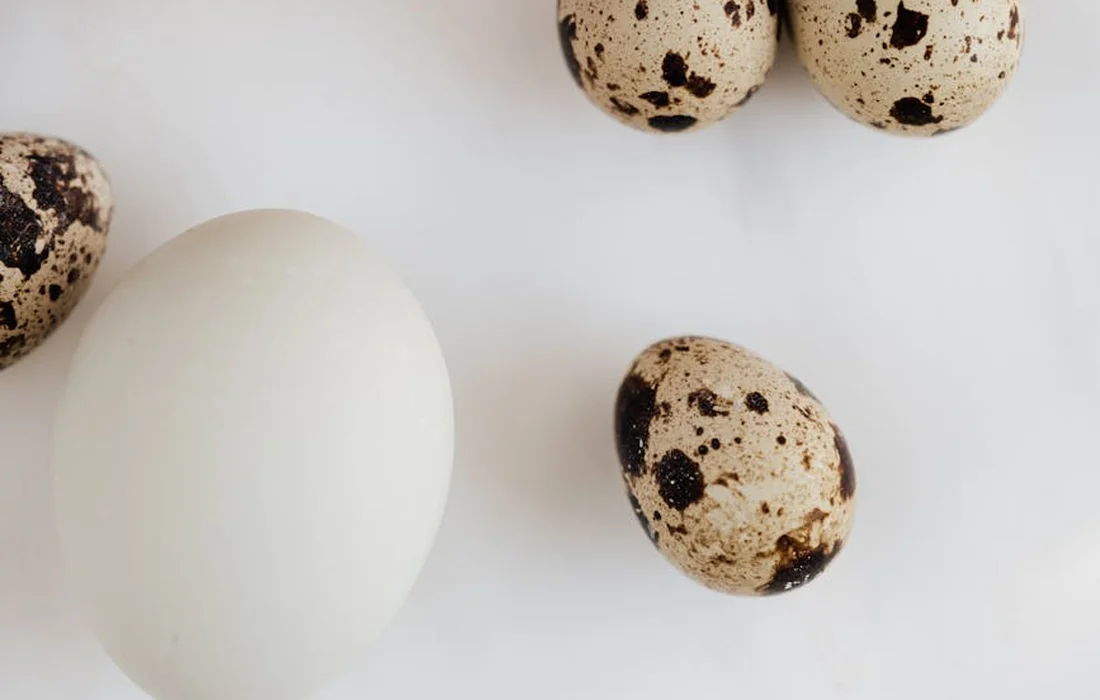
Stopping egg eating starts long before a hen ever taps a shell. You build a strong flock from the inside out, with good feed and smart management. Think of it as building a sturdy fence around their instincts, using nutrition as your posts and wire. My granddaddy always said a well-fed hen is a content hen, and a content hen is less likely to go looking for trouble in the nesting box. Proper feeding behavior helps chickens self-regulate, reducing the chances of egg eating.
A 100% complete layer feed is your non-negotiable foundation. This isn’t just chicken food; it’s a balanced diet formulated for the immense nutritional demand of egg production. When you rely on this complete ration, you’re guaranteeing your girls get the precise blend of protein, vitamins, and minerals they need daily. I keep a large galvanized feeder full of it, free-choice, so they can eat what their bodies require.
Calcium is the cornerstone of strong shells. Offer free-choice oyster shell or your own sterilized, crushed eggshells in a separate container. This allows each hen to self-regulate her calcium intake, which is crucial because not every bird needs the same amount at the same time. I bake my cleaned eggshells at 250°F for 20 minutes to kill any scent, then crush them to a grit-like consistency so they don’t resemble a tasty egg.
Beyond the feed bucket, consider fermenting your layer ration. I keep a crock going all summer. This simple process boosts vitamin levels, makes minerals more available, and fills their crops with beneficial probiotics. Fermented feed improves nutrient uptake so dramatically that you’ll often see richer yolk color and noticeably stronger shells within a few weeks. It’s a thrifty homesteader’s secret for superior flock health.
Never, ever underestimate the power of clean water. Dehydration is a silent thief, robbing your hens of the liquid needed to form proper eggs and leading to weak, easily broken shells. A thirsty chicken is far more likely to investigate the liquid contents of a broken egg, and that’s a habit you cannot afford to start. I check waterers twice a day, without fail, scrubbing them weekly with vinegar to keep algae at bay.
Choosing the Right Feed: Layer Rations and Supplements
Not all feed is created equal, and using the wrong type is like building a coop with rotten lumber. You need the right protein for the job.
- Starter/Grower (18-20% protein): For chicks up to laying age. Too high in protein for laying hens long-term.
- Layer Feed (16-18% protein): The gold standard for your egg-laying flock. Formulated with extra calcium (~4%) for shell production.
- All-Flock or Flock Raiser (18-20% protein): Good for mixed flocks but must be supplemented with free-choice calcium for layers, as it lacks sufficient amounts.
Scratch grains and kitchen scraps are the fun part of dinner, not the main course. Overfeeding these tasty distractions dilutes the careful nutrition in their layer ration, creating gaps that can lead to poor shell quality and nutritional curiosity. I follow the 90/10 rule: 90% of their diet is complete feed, 10% or less is treats and scraps, offered only in the afternoon after they’ve filled up on the good stuff.
Water and Treats: The Supporting Cast
Water is the most critical “nutrient” in your coop. A hen uses nearly every ounce she drinks for digestion, temperature regulation, and egg formation. In winter, I use a heated base for the waterer; in summer, I add a splash of apple cider vinegar to encourage drinking and support gut health. The lesson was learned hard one July when a faulty waterer led to the first and only egg pecking incident I’ve ever had.
For protein treats, think strategic supplementation. A handful of dried mealworms or black soldier fly larvae scattered in the run provides a boost, especially during molt or cold weather. This targeted protein can satisfy their cravings without unbalancing their core diet, keeping their minds off their own eggs as a source of nutrients. Moderation is your guiding principle here-a small handful per flock, not a free-for-all buffet.
Coop Confidence: Housing and Environmental Tweaks
Your coop is more than just a roof over their heads; it’s the cornerstone of flock harmony. A poorly designed space invites all sorts of mischief, including the expensive habit of egg-eating. Think of your coop as a sanctuary, and a few thrifty modifications can transform it from a problem spot into a place of peace.
Start with the basics. I’ve seen coops so cramped the hens could barely turn around, and friend, that’s a recipe for stress and broken eggs. In the run, aim for a minimum of 10 square feet per bird to let them express their natural foraging behavior without constantly bumping into each other.
Ventilation is your silent partner in this. It’s not about drafts on the birds, but a steady, high exchange of air to whisk away dampness and ammonia fumes. Proper ventilation above perch level reduces respiratory issues and keeps the flock calmer, making them less prone to frantic pecking. I use simple adjustable soffit vents on my own coop-cheap as can be and they let me control the airflow with the seasons.
Nesting Box Setup for Success
A good nesting box is a private, inviting retreat. You need one box for every four or five hens, placed in the darkest, quietest corner of the coop. Darkness encourages that feeling of seclusion they crave for laying. Line those boxes deep with soft bedding-I’m partial to pine shavings-to cushion every egg as it’s laid.
The single best modification you can make is to prevent egg roll-out and breakage. A broken egg in the box is an open invitation to a tasty snack. I build my boxes with a solid floor and a generous 4-inch lip across the front. Some folks add a curtain of burlap over the opening to deepen the shadow and add privacy, and I’ve found my girls take to those boxes first, every time. If you’re using store-bought boxes, a simple wooden strip nailed across the front can create that crucial lip to keep eggs safely inside.
Flock Enrichment to Curb Boredom
A bored chicken is a destructive chicken. Pecking order squabbles and exploratory pecking at eggs often stem from having nothing better to do. Enrichment isn’t a luxury; it’s a necessary distraction that keeps their busy minds and beaks occupied on appropriate things. Here’s a list of my go-to, penny-wise solutions:
- The Classic Cabbage Pinata: Hang a whole cabbage or a block of suet from a piece of twine just above head height. Watching them jump and peck at it is pure entertainment.
- Dust Bath Salon: Provide a designated area filled with a mix of dry dirt, sand, and a bit of wood ash. They’ll spend hours grooming and socializing here.
- Scratch and Sniff: Instead of just tossing scratch grains in a pile, scatter them deep into their bedding or across the run. This triggers hours of intense, natural foraging behavior.
- Perch Paradise: Install secure perches at varying heights in the run, not just the coop. They love to survey their kingdom, and different levels help reduce ground-level crowding.
- Treat Ball: Repurpose a plastic bottle with holes punched in it, fill it with crumble, and let them roll it around to get the food out.
I reckon a hen busy working for her supper is a hen not eyeing her neighbor’s freshly laid egg. By investing a little time in their environment, you’re building their coop confidence and safeguarding your breakfast.
When Prevention Fails: Managing Persistent Egg Eaters
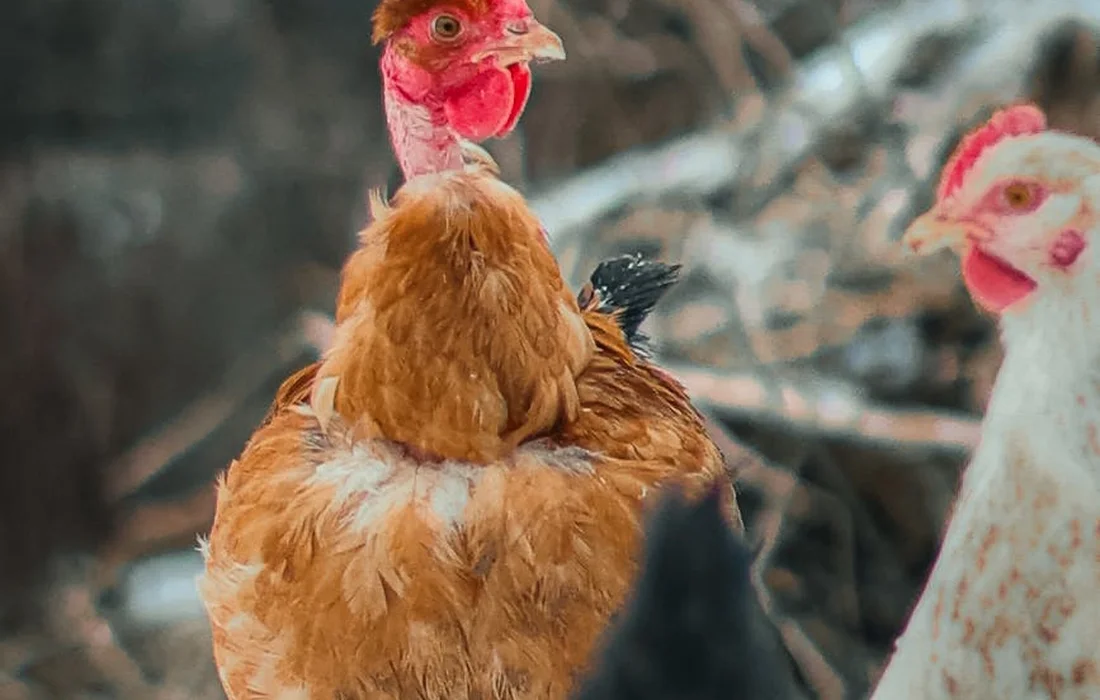
Y’all, sometimes you do everything right and still find a hen with yolk on her beak. It’s a vexing situation that tests your patience. Understanding why chickens eat eggs and how cooked eggs fit into protein recycling and safety can guide your next steps. This understanding helps protect the rest of your flock’s eggs and well-being. When a hen becomes a habitual egg eater, you must act decisively to protect the rest of your flock’s eggs and well-being.
Here’s how I approach the stubborn cases in my coop:
- Face the tough choices. You have to decide if a hen’s value as a layer outweighs her damage. I reckon a young pulpit might be worth retraining, but an older hen set in her ways may not be.
- Isolate to break the cycle. Removing the offender is the most effective retraining tool. A temporary separation from eggs and flockmates can reset her behavior.
- Consider rehoming or culling as a final option. If she won’t stop, rehoming her as a pet is a kind alternative. Culling is a last, somber resort for the flock’s overall health. It’s a stewardship duty I never enjoy, but sometimes it’s necessary.
- Dig for health root causes. A hen that won’t quit might be trying to tell you she’s unwell. Always investigate for underlying issues like parasites or pain.
- Believe in reform. I had a Rhode Island Red named Clem who was the worst offender. After two weeks in a separate pen and a diet change, she rejoined the others and never broke another egg. Persistent, kind management can work.
Isolation and Retraining Techniques
A “time-out” pen isn’t about punishment; it’s about creating a fresh start. Proper isolation removes all temptation and lets you control the hen’s environment completely.
Set up a temporary pen right:
- Use a sturdy dog crate or build a small pen in a well-lit area, giving her at least 4 square feet of space.
- Provide constant access to clean water and a high-protein layer feed (18% or higher) to satisfy nutritional cravings.
- Use plain pine shavings as bedding and avoid any enclosed spaces that feel like nest boxes.
- Remove any eggs she lays the instant you find them-check multiple times a day.
Follow a clear timeline for success. Keep her isolated for a solid two to three weeks. Only reintroduce her to the flock after she’s consistently laid and ignored eggs for a full week. Slip her back into the coop at roosting time to ease the transition and watch her closely for a few days.
Evaluating Flock Dynamics and Health
An egg-eating habit can be a cry for help stemming from social stress or sickness. Often, the problem hen isn’t being naughty; she’s responding to pressure or deficiency in her world. Similar dynamics can show up in ducks, where egg-eating often signals stress or nutritional gaps. Understanding why ducks eat their own eggs is a key step in prevention.
Watch your flock’s interactions like a hawk:
- See if lower-ranking hens are chased from feed or water. Bullying can create stress-induced bad habits.
- Listen for frequent squawking or notice hens hiding, which signals pecking order turmoil.
Then, put your hands on the bird and check her health:
- Part feathers around the vent and under wings to look for scurrying mites or lice.
- Feel her breast bone; if it’s sharp like a razor, she’s underweight and likely protein-starved.
- Observe her walking and perching for signs of injury or bumblefoot that make nesting painful.
A thorough check for parasites and social stress can solve the egg eating without you ever needing to set up a isolation pen. Good stewardship means looking beyond the broken shell to the whole chicken.
Closing Tips & Common Curiosities
Does the mustard-in-an-egg trick really work to stop chickens?
Yes, the mustard trick is a classic and effective deterrent. Hens find the sharp vinegar taste highly unpleasant, and one or two sour experiences can break the habit of pecking into eggs.
Could a snake be eating the eggs instead of my chickens?
Absolutely. Snakes, especially rat snakes, are common egg predators. Before blaming your flock, look for clues like no yolk residue, eggs completely missing, or a shed snakeskin in the coop. Understanding chicken predators and their prey helps you plan better defenses, including how snakes fit into the bigger picture. In some environments, turtles can also be part of the broader predator-prey dynamics around poultry.
Is a chicken eating its own eggs considered cannibalism?
Technically, no. Cannibalism in poultry refers to eating flesh, feathers, or tissue of other birds. Egg eating is a separate destructive habit, though it can sometimes escalate from or coincide with feather pecking.
Why are there so many memes and Reddit posts about chickens eating eggs?
It’s a frustrating yet oddly relatable homesteader problem. The sight of a guilty hen with yolk on her beak is both maddening and humorous, making it perfect for sharing online as a form of commiseration and advice.
Why would a chicken only eat the yolk and leave the white?
The nutrient-dense yolk is the most rewarding part, packed with fat and protein. A hen may start by pecking at a broken egg and selectively consume the yolk first, often leaving the less-palatable, runny albumen behind.
Why are chicken eggs such a big deal for bodybuilders?
Bodybuilders prize eggs as a nearly perfect, affordable protein source. The high biological value of egg protein provides all the essential amino acids needed for muscle repair and growth, making them a dietary staple.
Shutting the Gate
When you find a broken egg in the nest, treat it like a fire in the barn-put it out fast before it spreads. The single most important thing you can do is break the habit the very first time you see it, by cleaning up every speck of shell and yolk before another hen gets a taste for it. Most of the time, this puzzling behavior is a fixable puzzle of our own making: a nest box without enough padding, a diet missing key minerals, or a bored bird with too little to do.
I reckon the best part of this life is learnin’ from our critters and from each other. I’m right grateful y’all stopped by the digital fence line today. Now go enjoy your flock, and if you solve a mystery in your coop, I hope you’ll share the story. There’s always more to learn out here in the sunshine.
Further Reading & Sources
- r/BackYardChickens on Reddit: Help! Can’t stop them eating eggs
- How to Stop Your Chickens from Eating Their Own Eggs – Silver Fox Farm
- Chickens Eating Eggs: 10 Ways to Stop or Prevent It – Backyard Poultry
Caroline Mae Turner is a lifelong farm girl raised on red clay, early mornings, and the sounds of a bustling barnyard. With hands-on experience caring for everything from stubborn goats to gentle dairy cows and mischievous pigs, Caroline shares practical, tried-and-true advice straight from the farm. Her goal is to help folks keep their animals healthy, well-fed, and living their best barnyard life. Whether you're wrangling chickens or bottle-feeding a baby goat, Caroline brings a warm Southern touch and plenty of real-world know-how to every bucket in the barn.
Feeding Habits