
Fish and Seafood Safety Guide for Chickens: A Homesteader’s Handbook
Published on: July 17, 2026 | Last Updated: July 17, 2026
Written By: Caroline Mae Turner
Howdy, friends. You’re standing at the fence with a plate of last night’s salmon scraps, eyeing your flock, and wondering if this is a brilliant treat or a barnyard blunder. Good news is, chickens can safely eat many fish and seafood bits, turning your kitchen scraps into fantastic protein-packed feed, but you’ve got to follow a few simple rules to keep your birds hale and hearty.
- A sharp eye for freshness.
- An old skillet or pot for cooking.
- A dash of plain white vinegar.
- Five minutes for prep.
Let’s get this sorted right quick, so you can get back to the important work with a clear mind and a happy flock.
Can Chickens Eat Fish and Seafood? The Barnyard Truth
Well, y’all, the straight answer is yes, chickens can eat fish and seafood, but you must mind some critical precautions to keep your flock thriving. This kitchen scrap can be a powerful protein boost, but it demands respect and careful handling.
I recall a time after a big family fish boil, we had a bowl of cooked, unseasoned perch scraps. Tossing those to my Rhode Island Reds taught me that while they adore fish, it’s a treat that requires a steward’s eye for detail.
Let’s set the table right now with three non-negotiable rules: safety first, hygiene always, and moderation above all. Introduce fish slowly and sparingly to avoid digestive upset and maintain balanced nutrition.
Sorting the Catch: Safe vs. Dangerous Fish for Poultry
You’ve got to sort your scraps quicker than a rooster crows at dawn. Here’s my practical breakdown.
Generally Safe Options (When Prepared Properly):
- Cooked white fish fillets like cod, tilapia, or flounder.
- Canned sardines packed in water with no salt added.
- Cooked shrimp meat and finely crushed shells for grit.
- Flaked, cooked salmon or tuna, offered rarely as a rich supplement.
Always Avoid These-No Exceptions:
- Any raw fish or shellfish, due to parasites and bacteria.
- Fried, battered, or breaded seafood from your dinner plate.
- Fish cooked with sauces, butter, garlic, onions, or high salt.
- Old, spoiled, or pungent fish scraps that smell off.
What Makes a Fish Safe? It’s All in the Prep
That fish must be cooked through, plain and simple. Heat destroys common pathogens like salmonella that raw fish carries, safeguarding your birds’ health.
Bones and shells need special attention. I always mash or finely chop cooked fish to ensure small, soft bones or shell fragments don’t pose a choking risk-think the consistency of coarse cornmeal.
Seasoning is where many folks stumble. Absolutely avoid any salt, spices, oils, or aromatics; chickens’ systems are delicate, and these additives can cause toxicity or severe digestive issues, especially when they contain salt. Can chickens eat salt and salty foods? Spices and oils can be harmful to their sensitive digestive systems.
Toxic Fish and Hidden Contaminants
Some fish species are inherently dangerous. Never feed chickens pufferfish, blowfish, or large predatory fish like shark, swordfish, or king mackerel, as they can contain natural toxins or high mercury levels. Meat safety also matters for poultry, including items like tuna, bacon, and ham.
Spoilage is a silent threat. Mold or bacterial growth on old fish can lead to botulism poisoning, so discard any questionable scraps immediately.
Cross-contamination risks your whole operation. Always use a dedicated dish for fish treats and clean the feeding area promptly to prevent attracting rodents or spreading bacteria to other animals.
- Fish from polluted waters: Can harbor heavy metals like lead or cadmium.
- Processed fish products: Like surimi or fish cakes, often contain harmful preservatives.
- Unidentified scraps: If you don’t know the fish type or how it was prepared, err on the side of caution and compost it.
Preparing Your Seaside Supper for the Flock
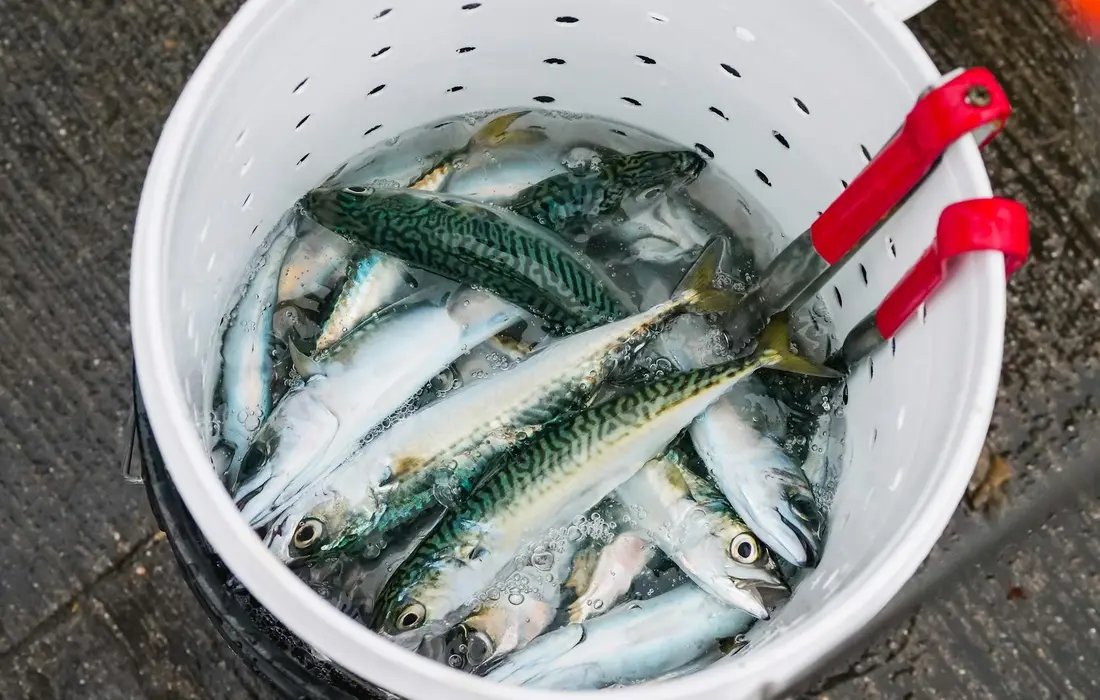
Alright, let’s get that ocean bounty ready for your hens. I’ve been doling out fish scraps to my chickens for years, and I reckon a mindful approach makes all the difference between a healthy snack and a muddy situation. Treating this like you’re fixin’ a meal for your own table is the golden rule for safety and stewardship.
Your Trustworthy Prep Steps
Follow this order like you would a favorite recipe, and you’ll have a safe, nutritious feed supplement. I still do it this way every time, just like my daddy taught me.
- Source with Sense: Use only fresh scraps from your kitchen or fish you’ve cleaned yourself that day. If it’s been frozen solid since catchin’, that’s fine too. I never use anything that’s turned or has a strong, off-puttin’ odor-trust your nose.
- The Cleanliness Covenant: Scrub your hands, knives, and any surfaces with hot, soapy water before you start. I keep a dedicated bowl and cutting board just for flock food prep to avoid mix-ups. This ain’t just about the chickens; it’s about keepin’ your whole homestead kitchen sanitary.
- Cook Without Question: Every bit of fish or shellfish must be cooked thoroughly. Bake, boil, or steam it until the flesh is flaky and fully opaque. This step isn’t optional-it destroys parasites and bad bacteria that could sicken your birds. I simply simmer scraps in a pot of water for a good ten minutes.
- Cool It Down Right: Spread the cooked seafood on a flat pan or plate to cool completely to air temperature. Feedin’ it warm can cause crop issues. I let mine sit on the counter ’til no steam rises, often while I’m doin’ other chores.
- Size It for Their Beaks: Once cool, break or chop the seafood into beak-sized pieces. For most treats, a rough chop with a knife does the job. But for anything with a bone structure, you need a specific plan.
Navigating the Needful: Bones and Shells
Small, soft bones can be a fine calcium source, but you must prepare them correctly to prevent harm. Here’s my barn-tested method.
- Crush Cooked Small Bones: For species like smelt or sardines, after cookin’ and coolin’, place them in a burlap feed sack. Use a smooth stone or a mallet to gently crush them into a crumbly texture. The heat from cookin’ makes the bones brittle and safe to crush.
- Debone Larger Finds: For a fish like a pan-sized trout or bluegill, take the time to remove the main spine and rib bones after cookin’. It’s a simple, careful process with your fingers. I find this meditative work best done on the porch swing.
- Handle Shellfish Shells: For shrimp tails or crab shells, crush them thoroughly into tiny fragments. Whole shells can be tough and sharp. A few minutes with a hammer on a solid stump turns potential peril into a perfect mineral supplement.
I recall one season where we had a surplus of creek fish; takin’ the time to prep ’em right meant shiny feathers and strong eggshells all winter. It’s a practice in respect for your animals and your resources.
How Much and How Often: The Moderation Rule
Think of fish for your chickens like a rich dessert-a delightful treat, not the main course. Overdoing it can cause more harm than good, upsetting their delicate digestive balance. The golden rule on my farm is a scant tablespoon of prepared fish per hen, offered no more than once a week. For a handful of birds, that might be one sardine shared amongst them. Chickens enjoy a variety of treats, including healthy snack ideas and favorites to rotate. If you’re looking for more options, there are many chicken-safe treats to consider beyond fish.
- Treat Ratio: Aim for fish to constitute less than 5% of their total weekly dietary intake. A handful for the whole flock weekly is a safe, thrifty measure.
- Protein Comparison: Your standard layer feed runs about 16-18% protein, perfectly formulated for daily needs. A piece of cooked salmon, by comparison, can be over 20% protein-powerful stuff! That’s why a little goes such a long way.
- Life Stage Frequency: Active laying hens can enjoy this monthly treat for an omega-3 boost. Chicks and growing pullets should stick to their starter/grower feeds exclusively. I hold off on any treats until they’re at least 16 weeks old and their systems are robust.
Nutritional Benefits: Why a Little Fish Goes a Long Way
Beyond the feed bucket, a bite of fish offers specific perks that complement a homestead diet beautifully. It’s about targeted nutrition, not just filling their crops.
The omega-3 fatty acids in seafood are the real prize. I’ve seen the yolks of my hens turn a deeper, sunset orange after they’ve enjoyed some mackerel scraps, a sure sign of those healthy fats at work. These nutrients wind up in the eggs, boosting their nutritional value for your kitchen.
- Molting Aid: When your birds look like they’ve been through a feather pillow fight, they need extra protein to rebuild. A bit of fish during a molt provides a high-quality protein punch to support fast, healthy feather regrowth.
- Thrifty Supplement: Using well-preserved scraps from your own kitchen or a successful fishing trip is the ultimate in sustainable stewardship. It turns potential waste into a valuable resource, honoring the animal by using every part we can.
Recognizing and Avoiding Health Risks
Even with the best intentions, things can go sideways. Knowing the signs of trouble lets you act fast and protect your flock. Trust your eyes and your instincts-you know your birds best.
Digestive upset is the most common issue. If you notice runny stools, a sudden drop in egg production, or lethargy in the coop after a fish treat, you’ve likely overdone it. An allergic reaction, though rarer, can show as swelling around the eyes or beak.
- Seek Veterinary Advice: If multiple birds show severe symptoms like difficulty breathing, total appetite loss, or obvious distress, don’t wait. Call your vet. It’s better to be safe and get a professional opinion.
- Spoilage is the Enemy: The link between spoiled seafood and serious illness like botulism is absolute. I store scraps in a sealed container in the freezer until treat day, thaw only what I’ll use immediately, and remove any uneaten portions within an hour. Heat and poultry leftovers are a dangerous mix.
Handling Scraps: From Kitchen to Coop Safely
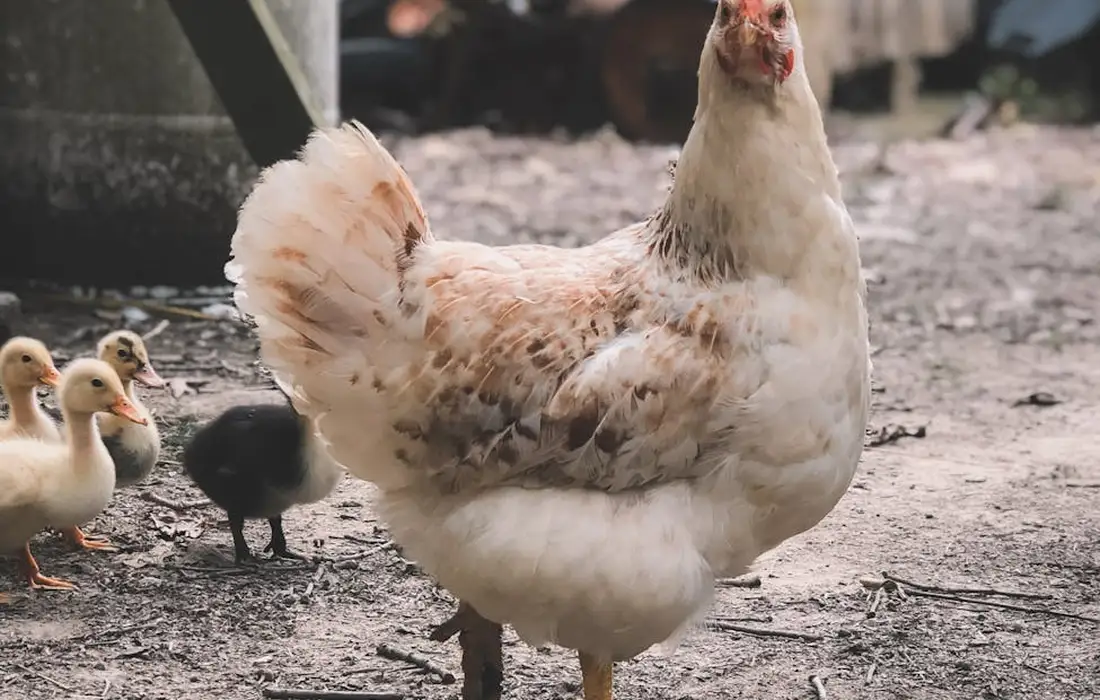
Now, let’s talk about gettin’ those fish scraps from your supper plate to your hens without causin’ a ruckus in their digestion. Proper handling is the linchpin that separates a nutritious treat from a troublesome bellyache for your flock. I keep a dedicated, lidded container in my icebox just for this purpose, and it’s saved me more than one headache.
Your Rulebook for Storing Fish Scraps
Fish turns quicker than a summer squall, so you gotta be swift. After dinner, I collect all the bits-skin, bones, leftover flesh-right away. Don’t let ’em sit on the counter. Get those scraps into a sealed container and into the refrigerator within one hour, and aim to feed them out within 24 hours. That’s your golden window for freshness.
- Refrigeration is Non-Negotiable: Keep your container at 40°F or below. My old fridge has a thermometer in it, and I check it regular.
- Contain It Tightly: Use a glass jar or a bowl with a tight-clamp lid. This keeps the smell in and prevents any drips from contaminating other foods.
- Spot Spoilage from a Mile Away: If your scraps develop a slick, slimy feel, a sour or putrid smell beyond the usual fishy aroma, or any odd discoloration like a grey or greenish tinge, they’re past their prime. Your nose is your best tool here.
When in Doubt, Toss It Out
I reckon we’ve all been tempted to stretch a leftover just one more day, but with fish, that’s a gamble you don’t want to take. Feeding rotten seafood invites harmful bacteria like Salmonella or botulism into your coop, and it can knock your birds flat. I learned this the hard way years back with some dubious tuna ends; my hens were off their feed and lethargic for two days. Now, if I wouldn’t eat it myself, my chickens don’t get it either.
What To Do With the Scraps You Can’t Feed
So you’ve got a portion that’s gone over? Don’t just chuck it in the trash where it’ll stink up the place. A well-managed compost pile is a homesteader’s best friend for dealing with spoiled protein scraps, but you’ve got to do it right to keep pests away. Bury those fishy bits deep in the center of a hot, active compost pile where the heat can break ’em down properly. Never just leave them on top or add them to a lazy compost bin near your animals.
- Hot Composting: This is my go-to. The high temperatures help neutralize pathogens.
- Burying in a Garden Row: If you’re rotating crops, you can bury spoiled scraps deep in a future planting area far from the coop. The worms will thank you.
- Absolute No-Gos: Never place spoiled fish in your chickens’ run or near their living area. It attracts rats, raccoons, and flies, which bring nothing but trouble.
Special Seafood Cases: Canned Fish and Shellfish
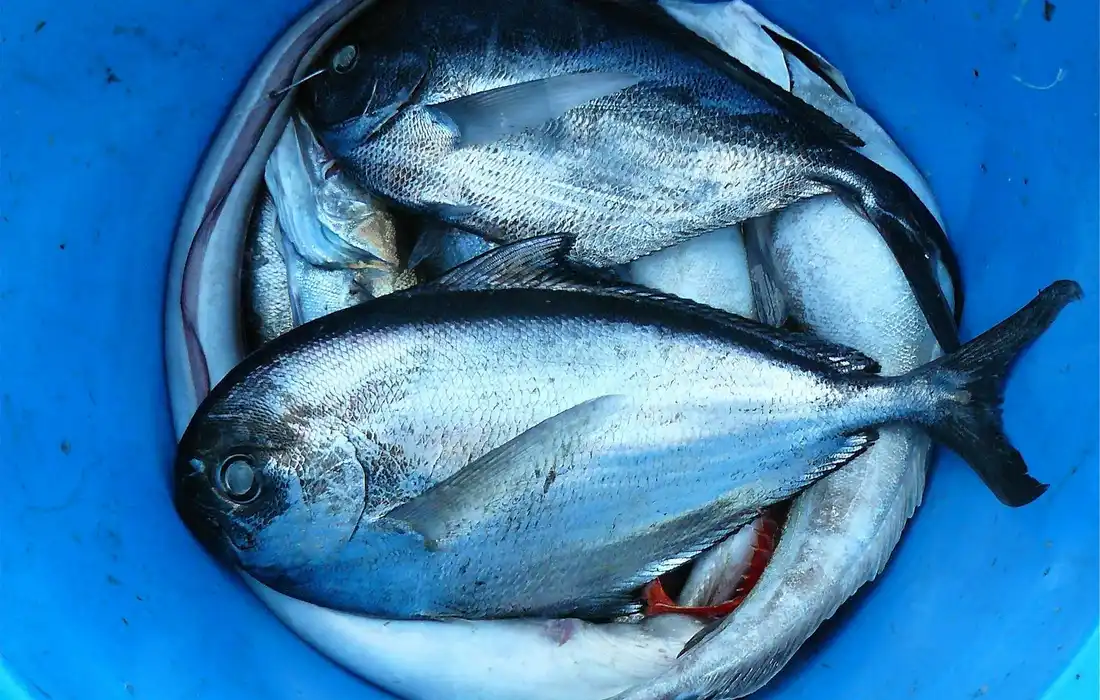
Now, let’s talk about the convenient stuff from the pantry shelf. I keep a few cans in the feed shed for a quick protein boost during molting season or on a bitter cold morning. Your flock will go wild for canned fish, but you’ve got to be picky about what you pop open for them.
Navigating the World of Canned Fish
Canned tuna, sardines, and mackerel are all fine choices in a pinch. I’ve found the key is in the liquid they’re packed in. You want the simplest option you can find.
- Water-Packed is Winner: Always choose fish canned in water. It’s the purest form, giving your birds the lean protein and omega-3s without any unnecessary extras.
- Skip the Oil-Packed: Avoid fish packed in oil, especially salted or seasoned oils. That added fat isn’t good for their systems, and the seasonings can be harmful.
- Mind the Sodium: Even water-packed versions can be high in salt. Look for “no salt added” or “low sodium” on the label. If that’s not available, drain the fish and give it a good rinse under cool water before serving.
I’ll sometimes mash a single can of low-sodium sardines (bones and all, for extra calcium) into a pan of scrambled eggs for my laying hens. This creates a power-packed treat that supports feather regrowth and strong eggshells, but I only do this once a week at most.
Preparing Shellfish for the Flock
Shrimp, crab, and mussels from your own boil or a simple store-bought pack can be a fun diversion. The rules here are even stricter than with fish.
- Cook It Thoroughly: You must only offer cooked shellfish. Raw shellfish carry a much higher risk of harboring harmful bacteria and parasites that can make your chickens seriously ill.
- Remove All Shells: While crushed oyster shell is a staple for calcium, the hard shells of shrimp, crab, and mussels are a different story. They can be sharp and pose a choking hazard. Peel shrimp completely and pick the meat from crab and mussels.
- Keep It Plain: Serve the shellfish meat plain. That means no butter, no Old Bay seasoning, no cocktail sauce, and certainly no garlic or onion from your leftover boil. Plain, boiled, or steamed is the only way.
A few leftover plain shrimp tails mixed into their scratch grains will keep them busy for an hour. Observing your chickens work for these tasty morsels provides both enrichment and a high-value reward during training. It’s important to ensure the shrimp is safe and beneficial for them.
The Golden Rule of Gourmet Treats
Whether it’s fancy canned fish or succulent crab meat, you must remember its place. These seafood items are rich, occasional treats, not a cornerstone of their diet. A tablespoon of flaked fish or shellfish per bird, once a week or less, is more than sufficient. Their main nutrition must always come from a balanced layer feed, forage, and grit. Think of it like this: you wouldn’t feed your family lobster every night, no matter how much they begged. The same sensible thrift and care applies to your feathered family.
Closing Tips
What types of fish and seafood are toxic or dangerous for chickens?
Never feed chickens large, predatory fish like shark, swordfish, or king mackerel due to mercury accumulation. Also avoid any fish from polluted waters and all raw, fried, or heavily seasoned seafood, as these pose serious health risks. Understanding chicken diet safety helps prevent accidental toxin exposure. It also clarifies which foods are toxic or harmful to chickens.
How much fish or seafood can be fed as part of a chicken’s diet?
Fish should be a minor treat, constituting less than 5% of their weekly diet. A good rule is about one scant tablespoon of prepared fish per hen, offered in a single serving to the flock. It’s just one of the healthy snacks for chickens.
Are there any specific health benefits for chickens from eating fish or seafood?
Yes, the omega-3 fatty acids in fish can lead to richer, more nutritious egg yolks. The high-quality protein is also excellent for supporting hens during stressful periods like molting, aiding in feather regrowth.
Can chickens eat canned fish (e.g., tuna, sardines)?
Yes, but only choose varieties packed in water with no salt added. Always drain and rinse the fish to remove excess sodium before mashing it, bones and all, for your flock.
Can chickens eat shellfish (e.g., shrimp, crab, mussels)?
Yes, but shellfish must be thoroughly cooked and served plain, with all hard, sharp shells removed. The soft, cooked meat is a safe and protein-rich occasional treat. For pigs, seafood like shrimp, crawfish, and crabs can be an occasional treat when prepared safely for pigs.
What should be done with spoiled or leftover fish/seafood scraps?
Spoiled scraps must be discarded immediately. Bury them deep in an active, hot compost pile far from animal areas, or dispose of them securely in the trash to avoid attracting pests and spreading disease. Feeding spoiled scraps to chickens can be harmful and should be avoided.
Shutting the Gate
When all’s said and done, offering fish to your chickens boils down to mindful moderation and proper prep. I’ve fed my flock cooked scraps for years, and it’s a splendid way to boost their protein without breaking the bank. The single most important rule is to always serve fish fully cooked, boneless, and in small, infrequent portions – no more than a few tablespoons per bird, once a week. This turns a potential risk into a safe, nutritious supplement that supports feathering and egg production without upsetting their delicate digestion. And when combining with other foods, always check the overall safety, like with amaranth grain mixed with fish.
I reckon y’all are now set to handle those ocean treats with confidence. There’s a deep satisfaction in turning what might be waste into a resource for your thriving animals. At the end of the day, good stewardship is about observing your flock, trusting your hands-on experience, and finding joy in the daily rhythms of care. So, here’s to happy hens, wholesome eggs, and the simple, good life we’re building out here together.
Further Reading & Sources
- Can Chickens Eat Fish? How To Feed Your Chickens Fish Safely
- Can chickens eat fish, and if so which is best?
- Meat, poultry, fish and seafood safety – Canada.ca
Caroline Mae Turner is a lifelong farm girl raised on red clay, early mornings, and the sounds of a bustling barnyard. With hands-on experience caring for everything from stubborn goats to gentle dairy cows and mischievous pigs, Caroline shares practical, tried-and-true advice straight from the farm. Her goal is to help folks keep their animals healthy, well-fed, and living their best barnyard life. Whether you're wrangling chickens or bottle-feeding a baby goat, Caroline brings a warm Southern touch and plenty of real-world know-how to every bucket in the barn.
Diet Requirements