
How to Protect Peonies and Oxalis From Hungry Rabbits
Published on: August 2, 2026 | Last Updated: August 2, 2026
Written By: Caroline Mae Turner
Howdy y’all. Been watching those adorable, fuzzy little critters mow down your prized blooms? While no green thing is ever completely rabbit-proof, you can outsmart them by planting tougher, less palatable varieties like established peonies and certain types of oxalis, giving your garden a fighting chance.
- A sturdy shovel for planting
- Knowledge of your specific oxalis type
- A good fence for brand-new peony roots
Let’s get this sorted so you can stop playing full-time guard and get back to the rest of your chores.
Why Rabbit-Proof Blooms are a Smart Choice for the Homestead
On a busy homestead, every plant has to earn its keep, and losing your flowers to hungry rabbits feels like pouring money down the drain. Planting rabbit-proof blooms like peonies and oxalis is a thrifty, strategic move that saves your time, your wallet, and your peace of mind. I’ve watched rabbits nibble a row of tender seedlings to the ground overnight, but they’ll walk right past these sturdy flowers. That means you get reliable beauty without the need for fences or chemicals near your livestock areas.
These resistant flowers offer more than just pretty faces. They can provide safe, decorative borders around chicken runs or garden plots without attracting pests that might bother your other animals. From my own experience, a line of peonies along the fence line adds a splash of color that the geese ignore and the rabbits avoid, making it a dual-purpose planting for beauty and barrier. Peonies are particularly effective in this role because they are safe around poultry and other livestock.
The Sturdy, Rabbit-Resistant Nature of Peonies
Peonies are the old-fashioned guardians of the farmyard border, with stems as tough as boot leather and blooms as big as your fist. Their legendary resilience isn’t just about surviving winter; it’s about standing up to foraging rabbits season after season. I’ve had the same clumps blooming by the barn for twenty years, and not once have the rabbits made a meal of them. They’re a homesteader’s heirloom investment.
What Makes Peonies Unappetizing to Rabbits?
Rabbits have sensitive tastes, and peonies play a clever defensive game. The plant contains natural compounds, like paeonol, that create a bitter, slightly toxic taste that rabbits find downright disagreeable. It’s the plant’s own built-in repellent. Beyond chemistry, the foliage is thick and leathery, not the tender, juicy green that bunnies crave. This makes peonies one of the unsafe plants for rabbits to eat.
I reckon it’s like offering a critter a choice between a crisp lettuce leaf and a tough old leather strap. They’ll always go for the easy meal, leaving your peonies to grow tall and flower profusely. This built-in resistance is why peonies are such a steadfast choice in areas where cottontails are plentiful.
Ideal Growing Conditions for Rabbit-Resistant Peonies
Getting peonies established is straightforward, but doing it right ensures they thrive for decades. The key is to plant them once with care, and then let them be the low-maintenance anchors of your landscape. Avoid planting them too deep; their “eyes” or buds should be no more than two inches below the soil surface. I learned that lesson the hard way with a batch that took years to bloom!
Sun and Soil Requirements for Healthy Peonies
Peonies demand good drainage more than anything else. They crave a full six to eight hours of sun daily and soil that doesn’t hold water around their roots. A soggy spot will rot them faster than you can say “jackrabbit.” I aim for a slightly raised bed or a slope with loamy soil amended with a bit of compost.
- Sunlight: Full sun is best for strong stems and maximum blooms.
- Soil Type: Well-drained, fertile loam. They tolerate clay if it’s not waterlogged.
- pH Level: Neutral to slightly alkaline soil (around 6.5-7.0) suits them fine.
- Feeding: A handful of bone meal or a balanced, low-nitrogen fertilizer in early spring does the trick.
Top Rabbit-Proof Peony Varieties for the Farm
All peonies are generally rabbit-resistant, but some varieties are tougher homestead workhorses. Look for types with strong, woody stems that stand up to wind and weather without staking. That same logic works for rabbit-resistant plant flowers you might add next. They pair well with peonies for a resilient, nibble-free display. Here are my tried-and-true favorites that have flourished without a nibble in sight.
- Sarah Bernhardt: A classic pink double that’s fragrant and prolific. Its stems are strong, and it comes back reliably.
- Karl Rosenfield: A deep crimson double bloom on sturdy stems. It’s a bold color that rabbits ignore year after year.
- Festiva Maxima: This white peony with crimson flecks is an old heirloom. It’s vigorous and forms a large, robust clump.
- Bowl of Beauty: A single-form peony with a unique look. It attracts pollinators but not rabbits, and its structure is very hardy.
Plant a mix for a long bloom season and a tapestry of color. Choosing these resilient varieties means you’re investing in perennial beauty that won’t end up as rabbit salad like those rabbit-proof gardening plants. Trust me, watching them burst open each spring never gets old, especially knowing the wildlife left them alone.
Oxalis: A Delicate but Effective Rabbit Deterrent
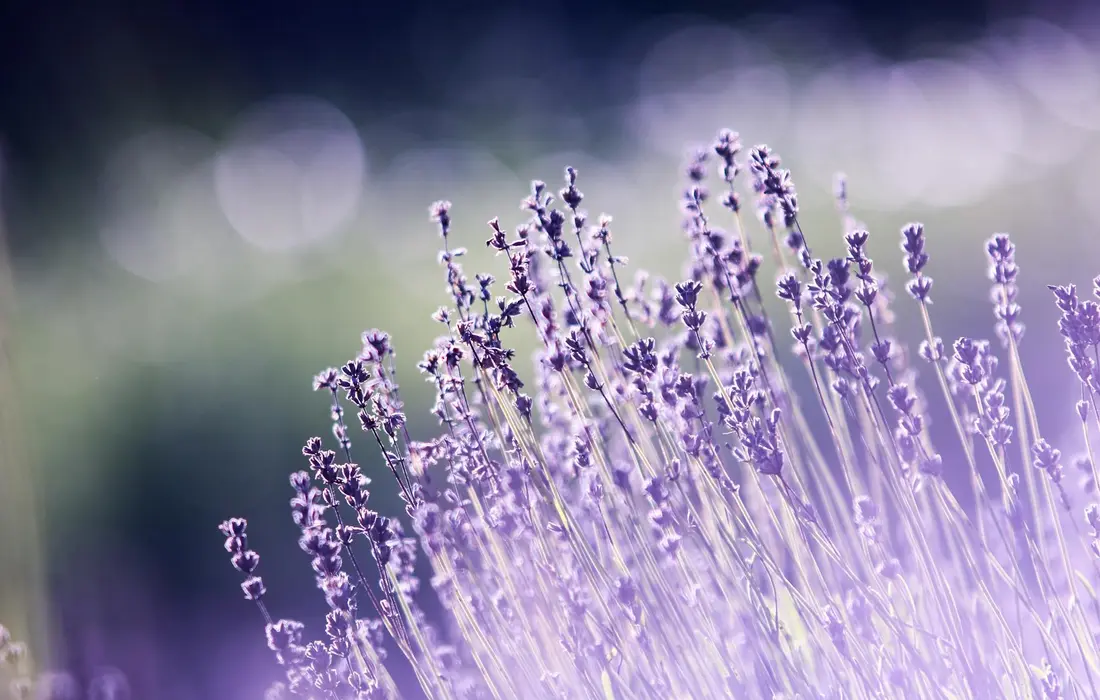
Now, if peonies are the sturdy, steadfast guardians of your sunny beds, then oxalis is their clever, shade-loving cousin. I reckon a lot of folks see its clover-like leaves and delicate flowers and think it’s just a pretty face. But don’t let its dainty look fool you. This little plant packs a punch that sends rabbits hopping in the other direction.
How Oxalis Keeps Rabbits at Bay
The secret lies in the leaves. Most oxalis species contain oxalic acid, which gives them a sharply sour, tangy taste. To you or me, it might be a zesty nibble, but to a rabbit’s sensitive palate, it’s downright unpleasant. Rabbits are creatures of habit and comfort, and they’ll quickly learn to bypass a patch of oxalis for sweeter, more agreeable greens elsewhere in your yard or pasture. This is in contrast to other garden herbs that rabbits might be tempted to nibble on, such as sage, comfrey, or sorrel. It’s a brilliant, passive defense that works day and night without you lifting a finger. I’ve seen it work around my own tool shed, where a volunteer patch of oxalis has kept the groundcover untouched for seasons.
Cultivating Oxalis in Shady Farmyard Corners
This is where oxalis truly shines for us homesteaders. We all have those awkward spots-the north side of the barn, under the drip line of a big oak, that damp corner by the well house. Oxalis sees those not as problems, but as prime real estate.
Perfect Environment for Oxalis to Thrive
You want to mimic the woodland edge. Think cool roots and dappled light. Well-draining soil is a must, even in the shade, as they don’t like soggy feet. A simple mix of garden soil with a handful of compost will make them happy. Plant the little bulb-like corms about an inch deep and three to four inches apart in the fall or early spring, and they’ll steadily multiply, forming a lush, living mat that rabbits find distasteful. Water them in to get established, then they’re remarkably drought-tolerant for a shade plant.
Recommended Rabbit-Resistant Oxalis Types
Not all oxalis are created equal, and some are more persistent than others. For a reliable, perennial barrier, stick with these hardy types:
- Oxalis triangularis (Purple Shamrock): Those dramatic, deep purple leaves are a stunning visual deterrent, and they’re tough as old boots in the right spot.
- Oxalis regnellii (Green Shamrock): The classic green form is just as effective and spreads cheerfully in deep shade where little else will grow.
- Oxalis crassipes ‘Rosea’: This one offers a lovely bonus-a long season of pink flowers above clover-like leaves, proving prettiness and practicality can go hand-in-hand.
Avoid the common yellow-flowered oxalis (Oxalis stricta or corniculata), as it can be weedy and invasive in garden beds, though even the rabbits tend to leave it alone.
Side-by-Side: Peonies vs. Oxalis for Farm Use
Choosing between these two isn’t about picking a winner; it’s about placing the right soldier in the right post. Here’s how I see their roles on a working homestead.
| Consideration | Peonies | Oxalis |
|---|---|---|
| Best For | Sun-drenched borders, foundation plantings, visible perimeter defense. | Shady nooks, under trees, north-side building borders, damp but well-drained corners. |
| Rabbit Deterrent | Foliage and flowers are avoided; bitter taste. | Leaves contain oxalic acid; sour taste is unpalatable. |
| Establishment & Care | Long-lived perennial. “Sleep, creep, leap” growth. Needs good sun and deep planting. Low care once established. | Grows from corms, spreads readily. Thrives on neglect in perfect (shady) conditions. Dies back in heat or cold, often returns. |
| Homesteader’s Bonus | Spectacular, long-lasting cut flowers. A timeless, sturdy plant that defines a space. | Excellent, rabbit-proof groundcover for problematic shady areas. Some varieties are edible in small quantities for humans. |
| Potential Drawback | Requires patience and full sun. Ants on buds are harmless but can startle new growers. | Can be too vigorous in ideal conditions, spreading into areas you might not want it. |
The thriftiest, most effective strategy is to use both plants, letting each one excel in the environment it was made for. Anchor your sunny spaces with the hearty, bold presence of peonies, and let oxalis quietly guard those forgotten shady spots. Together, they form a beautiful, living fence that respects the land and your labor.
Livestock Safety: Understanding Toxicity for Barnyard Animals

When you’re planting around the barnyard, you gotta think like a caretaker first and a gardener second. I’ve seen a curious heifer take a nibble of something she shouldn’t, and it’s a scare you don’t forget. Knowing what’s safe and what’s suspect in your flower beds is just as important as knowing your feed ratios. It’s all part of that good stewardship we talk about.
Peonies and Potential Risks to Chickens, Pigs, and Cows
Now, those big, blowsy peonies are a sight for sore eyes in late spring. Their roots and seeds contain a compound called paeonol. For our larger critters, a tiny taste likely won’t cause more than a bit of stomach upset. I’ve had peonies bordering my pig pasture for years without issue, as the sows generally ignore them for tastier greens. But with chickens, I’m more cautious, as they’ll scratch and peck at anything novel, and a large enough dose could lead to droopiness or digestive trouble. Here’s my rule of thumb for placement:
- For Cows & Pigs: Plant them outside the fence line or in a raised bed well away from where they graze and root. These animals are big, but their curiosity can be bigger.
- For Chickens & Geese: Keep peonies inside a separate, fenced ornamental area. A determined flock can make short work of tender plants, and it’s best not to tempt them.
- General Vigilance: Watch for any signs of nibbling. If you see it, a simple movable fence panel can redirect curiosity quick.
It’s about thrifty prevention. A bit of strategic planning saves you a worry and the vet bill.
Oxalis and Animal Health on the Homestead
Oxalis, that clover-like plant with the cheerful yellow or pink flowers, is a different kettle of fish. It’s the oxalic acid in the leaves that’s the concern. In small amounts, it’s not a crisis, but if your sheep or goats decide to gorge on a whole patch, it can bind with calcium and cause problems. I reckon oxalis is one for the “observe and manage” category, as it often pops up wild in pastures, unlike clover which is often intentionally cultivated. Here’s how I handle it:
- For Ruminants (Cows, Sheep, Goats): I don’t actively plant oxalis in grazing areas. If it appears, I monitor their intake. Lush pasture is the best defense-they’ll choose the good grass first.
- For Monogastrics (Pigs, Poultry): The risk is lower, but pigs in particular might root it up. I’ve found my pigs leave it alone if their pen is well-stocked with turnips or comfrey to dig into.
- The Bottom Line: A few plants here and there won’t hurt, but don’t cultivate it as a primary ground cover where your animals forage. Good pasture management is your strongest ally against any unwanted plant toxicity.
Planting a Beautiful and Functional Rabbit-Proof Garden
So, we’ve picked two flowers that bunnies tend to snub. That’s a fine start, but making it work on a working homestead takes a mite more thought. You want beauty that holds its own without coddling. I design my flower spaces like I do my coop runs: for durability, easy access, and simple beauty that don’t fuss. I also make sure to consult my comprehensive guide to rabbit-safe flowers, to keep things safe for all my critters.
Designing Your Barnyard Flower Beds and Borders
Think of your flower beds as a pretty, productive fence. I like to use peonies as anchor plants. Their thick, shrubby base in summer and fall is a natural barrier. Here’s my step-by-step approach for a bed that works hard:
- Location is Key: Plant your rabbit-proof flowers along the sunny side of a building or a well-traveled path. The human and animal traffic helps deter pests naturally. I put mine between the house and the chicken run.
- Layering for Defense: Place peonies at the back of the border. In front, use a low carpet of oxalis or other rabbit-resistant herbs like lavender. This creates a textured wall that’s unappealing for a bunny to hop through.
- Incorporate Practical Borders: Edge the bed with something unmistakable. I use leftover field stones or even a single strand of low, decorative wire fencing staked with reclaimed posts. It ain’t about building Fort Knox, but about sending a clear “this is not a salad bar” signal.
- Mind the Roots: Remember, peonies hate to be moved. Choose their forever home carefully, with at least three feet of space from other plants and a good view from your kitchen window.
Seasonal Care for Lasting, Lush Foliage and Blooms
These plants are tough, but a little mindful care ensures they’re lush enough to be both beautiful and an effective deterrent. Here’s my seasonal rhythm:
Spring: As peony shoots emerge, I side-dress the plants with a shovelful of well-rotted manure from our own barn. This thrifty fertilizer feeds the plant and improves the soil structure without a trip to the garden store. For oxalis, just let it be; it’s already growing.
Summer: After peonies bloom, deadhead the spent flowers but leave all the foliage. Those leaves are solar panels for next year’s display. Water deeply during dry spells, but only at the base-wet leaves invite fungus.
Fall: This is the most important time. After the first frost, cut peony stems down to about 3 inches tall. Clear away all debris to prevent disease. I never mulch peonies heavily; a light dusting of straw is plenty.
Winter: The oxalis will die back, and the peony roots are sleeping. My job is to keep heavy livestock from trampling the beds. A few temporary stakes with bright yarn remind me and the animals where the line is. Good care in the fall means come spring, you’re rewarded with vigor, not a cleanup chore.
Closing Questions
What are the rabbit-proof characteristics of peonies?
Peonies have thick, leathery foliage and contain natural bitter compounds like paeonol. This combination makes them physically and chemically unappealing to rabbits, who prefer tender greens.
What are the rabbit-proof characteristics of oxalis?
Oxalis leaves are rich in oxalic acid, giving them a sharp, sour taste that rabbits dislike. Despite its delicate appearance, this chemical defense effectively deters foraging in shaded farmyard areas, especially from rabbits that tend to seek out tender leaves of various plants.
What are the ideal growing conditions for rabbit-resistant peonies?
Plant peonies in full sun with well-drained soil to ensure strong, healthy growth that rabbits avoid. Proper planting depth and good air circulation further enhance their resilience and blooming potential. While peonies are resistant, it’s also worth considering other rabbit-resistant plants for your garden.
What are the ideal growing conditions for rabbit-resistant oxalis?
Oxalis thrives in shady, well-drained spots with cool roots, such as under trees or along north-facing buildings. This environment allows it to form a dense, rabbit-resistant ground cover with minimal care.
Are there any specific varieties of peonies that are more rabbit-resistant?
All peonies are generally rabbit-proof, but sturdy varieties like ‘Sarah Bernhardt’ or ‘Festiva Maxima’ are top choices. Their robust stems and vigorous growth make them reliable, long-term deterrents in homestead borders.
What are the main differences in rabbit resistance between peonies and oxalis?
Peonies rely on bitter taste and tough foliage for sun-drenched areas, while oxalis uses sour oxalic acid for shady ground cover. Both are effective, but peonies offer showy blooms, and oxalis fills difficult shaded spaces.
Shutting the Gate
At the end of the day, the best fence you can build is the one between your critter’s curiosity and a bellyache. Your most vital tool isn’t a fancy spray or a taller fence, but the simple, daily habit of watching your animals and knowing what’s growing where they roam. A peaceful garden and content rabbits are both signs of a steward paying good attention.
Well, friends, my coffee’s gone cold and I see the sun dipping behind the old pine. I reckon it’s time for me to amble back to the barn for evening chores. I hope this little chat helps your peonies bloom proud and your bunnies stay busy with the good greens you provide for them. There’s a special kind of satisfaction in seeing a healthy flock, a tidy garden, and a porch swing waiting at the end of the day. Y’all take care out there, and enjoy the quiet rewards of this life we’ve chosen.
Further Reading & Sources
- Can a rabbit eat Peony? | Rabbit Hole Hay
- 19 Beautiful Rabbit-Resistant Plants for Your Flower Garden
- Basics of Peony Pests and Diseases | American Peony Society
Caroline Mae Turner is a lifelong farm girl raised on red clay, early mornings, and the sounds of a bustling barnyard. With hands-on experience caring for everything from stubborn goats to gentle dairy cows and mischievous pigs, Caroline shares practical, tried-and-true advice straight from the farm. Her goal is to help folks keep their animals healthy, well-fed, and living their best barnyard life. Whether you're wrangling chickens or bottle-feeding a baby goat, Caroline brings a warm Southern touch and plenty of real-world know-how to every bucket in the barn.
Forage Options