Sharing Cherries with Guinea Pigs Safely: Your Guide to Pits and Leaves
Published on: August 5, 2026 | Last Updated: August 5, 2026
Written By: Caroline Mae Turner
Howdy y’all! I recall a hot July afternoon when my guinea pigs’ squeals matched the kids’ pleas for a fruity snack, leaving me to puzzle over what was safe. Yes, your guinea pigs can eat the fresh, ripe flesh of cherries, but the pits are a choking hazard and contain cyanide, and the leaves are outright toxic, so they must be completely removed every single time.
What you’ll need:
- A handful of fresh, ripe cherries (I always wash mine, even if they’re from my own tree)
- A sharp paring knife for precise pitting
- A steady cutting board
- A discard bowl for pits and stems to keep them far from curious mouths
- Your piggies’ usual feeding dish
Let’s get this sorted right quick so you can return to your day with one less worry on your mind.
The Straight Answer on Cherries for Your Cavies
Yes, your guinea pig can have a taste of cherry, but the rules are stricter than a rooster’s crow at dawn. You must serve only the fresh, pitted flesh of the fruit as a very rare treat, and never, ever offer the pit, stem, or leaves. I treat cherries like I do a rich dessert-a tiny bit on a special occasion, not a regular part of the meal. Unlike some other stone fruits, cherries carry risks if fed improperly.
What’s Safe and What’s Poison: Breaking Down the Cherry
Think of a cherry like a wild mushroom in your pasture; you have to know exactly which part you’re pickin’. One wrong piece can turn a treat into tragedy. For these small critters, the line between a snack and a hazard is razor-thin and non-negotiable.
Why Cherry Pits and Leaves Are a Hard No
Those discarded pits and pretty leaves harbor a hidden danger: cyanogenic compounds. When chewed or digested, these can release cyanide. Now, a large animal like my old draft horse might not bat an eye at a stray pit, but for a guinea pig’s tiny system, it’s a serious toxic threat.
Beyond the poison, the pit itself is a physical hazard. It’s a choking risk and can cause painful intestinal blockages. I reckon it’s the same principle as keeping hardware nails out of the barn aisle-you just don’t leave dangerous little items where curious creatures can find them.
- The Pit: Contains cyanide-releasing compounds and is a choking/blockage hazard.
- Leaves & Stems: Also contain those toxic compounds. Never toss a branch into their space.
- Processed Cherries: Canned, dried, jarred, or baked cherries are all off-limits. They’re loaded with sugars, syrups, and preservatives that will upset your pig’s delicate gut.
The Right Way to Serve the Fruit Flesh
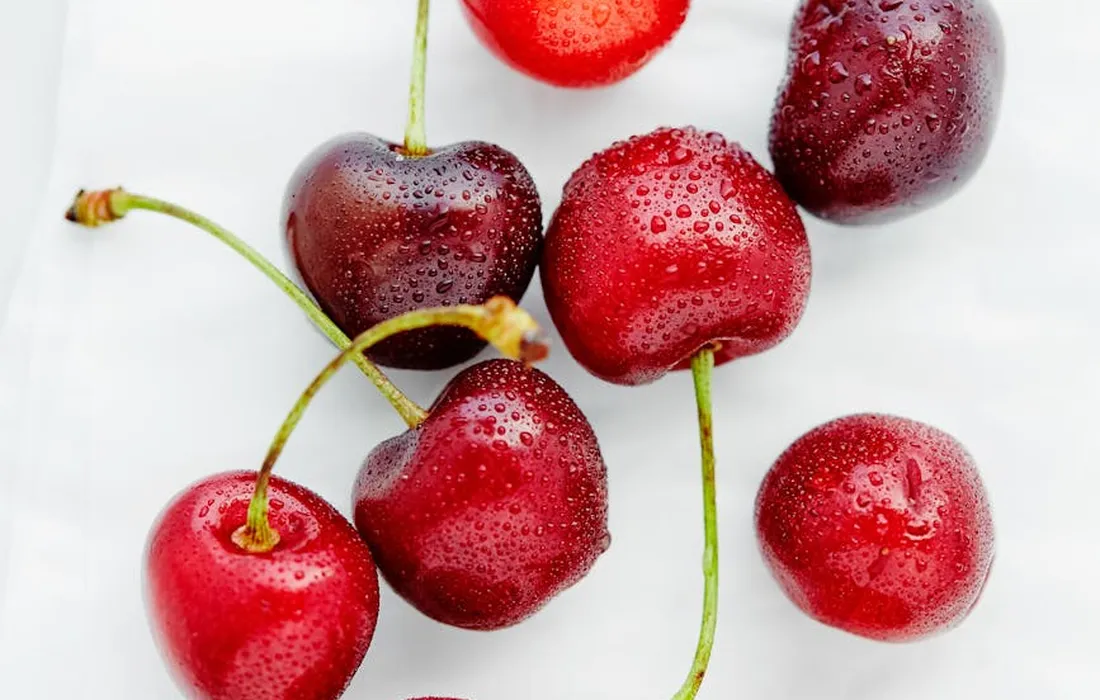
Safety first means preparation is everything. Start with a fresh, ripe, sweet cherry. Wash it like you would your garden lettuce to remove any pesticide residue. Then, get a good grip and twist that fruit right off the stem.
Here’s my barnyard method: I slice the cherry in half around the pit, just like a tiny avocado. Then I pop the pit out with the tip of my knife. I give the halved flesh one more check for any pit fragments before dicing it up. A serving for one guinea pig should be no more than one small cherry half, diced, and only once every week or two at most.
- Select a fresh, sweet cherry (not tart).
- Wash it thoroughly under cool water.
- Remove the stem and pit completely.
- Dice the flesh into tiny, bite-sized pieces.
- Serve a single teaspoon-sized portion per pig as a rare treat.
Watch them closely the first time. If you see any sign of soft stools, skip the cherries in the future. Their main diet must always be unlimited grass hay, quality pellets, and a daily plate of safe leafy greens. A cherry bit is just a fleeting summer pleasure, not a staple, and that’s how we keep our little herds thriving.
The Good and the Bad: Benefits and Risks of Cherry Treats
Nutritional Perks in a Small Package
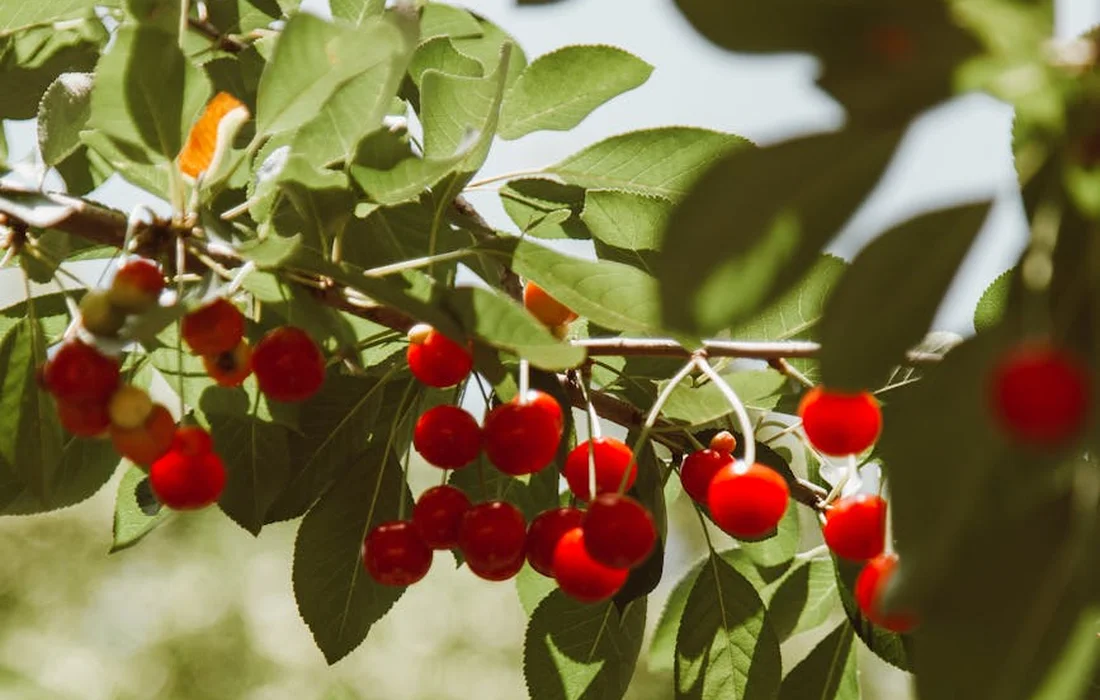
Now, I reckon a ripe cherry might seem like a mighty small thing, but for your guinea pig, it’s a little burst of goodness. These juicy morsels pack a respectable punch of Vitamin C, which is downright critical for your piggies since their bodies can’t make it on their own. I’ve seen a bright cherry perk up a lethargic fellow faster than you can say “boo.” Beyond that, they offer a mix of antioxidants for immune support and a bit of fiber to keep things moving smoothly in that delicate digestive tract. Just be sure to introduce them as part of a varied diet with other unusual fruits and veggies so they get a range of nutrients.
Here’s what you’re really givin’ ’em in a couple of pitted cherries:
- Vitamin C: Supports overall health and prevents scurvy.
- Potassium: Aids in proper muscle and nerve function.
- Dietary Fiber: Promotes healthy gut motility.
- Antioxidants (like anthocyanins): Help combat cellular stress.
I always think of it as a seasonal supplement, not a staple. Offering a cherry is a thrifty way to use garden surplus while adding variety to their hay-heavy diet.
Potential Pitfalls to Watch For
But bless your heart, the risks are real and demand your respect. The single biggest danger is the pit, stem, and leaves, as they contain cyanogenic compounds that can release cyanide when ingested. I learned this lesson early on when a neighbor’s rabbit got hold of some peach pits; we don’t take chances with stone fruits around here anymore. If you plan to offer peaches, proper preparation is essential: remove the pit and cut the fruit into small, bite-sized pieces. Even then, feed peaches sparingly and watch for any signs of distress.
You must be vigilant about these hazards:
- Cyanide Poisoning: Cherry pits, stems, and wilted leaves are toxic. Always remove the pit entirely.
- Digestive Upset: The natural sugars, while tasty, can cause bloating or diarrhea if overfed.
- Pesticide Residue: Always wash store-bought cherries thoroughly, as I do with all my garden produce before it goes to the critters.
- Choking Hazard: A whole pit is an obvious risk, but even a large piece of fruit can be troublesome for a small mouth.
Stewardship means knowing that a treat isn’t just about joy, but about safety first and foremost. If you wouldn’t eat the pit yourself, don’t let it near their cage.
Portion Control: How Much and How Often
Figuring the right amount is where many well-meanin’ folks slip up. Guinea pigs are small, and their primary food should always be high-quality hay. Think of cherries like a rich dessert-a rare delight, not daily bread. From my barnyard experience, moderation keeps ’em healthy and eager for the next special bite. Make sure they have plenty of fresh hay to nibble on.
Here’s a simple guide I follow for my own herd:
- Frequency: No more than once or twice a week. This prevents sugar overload and ensures they eat their core diet.
- Serving Size: One to two pitted cherries per adult guinea pig per serving is ample. For a younger or smaller pig, start with half a cherry.
- Preparation: Always wash, pit, and cut the cherry into small, manageable quarters to prevent choking.
I keep a mental chart for treat rotation, and cherries have their specific slot. Portion control is the heart of thrifty, sustainable feeding-it avoids waste and safeguards your animal’s health. If you notice soft droppings after a treat, scale back immediately; their system is telling you it was too much of a good thing.
Beyond the Bowl: Integrating Treats into a Balanced Diet
Now, on the homestead, we never feed just for the sake of feedin’. Every bite, from the hay bale to the cherry treat, should have a purpose in your animal’s well-being. I reckon thinkin’ of their diet like a sturdy barn: treats are the decorative trim, not the load-bearin’ beams.
A guinea pig’s main sustenance comes from three simple sources you likely already have on hand.
- Timothy or orchard hay should fill their rack constantly for gut health and tooth filing.
- Offer a plain, fortified pellet-about 1/8 cup per pig daily-to cover core vitamins like C.
- Provide a daily cup of dark, leafy greens such as romaine or kale for moisture and variety.
Fruits like cherries enter the picture as a scant condiment. I limit sweet treats to a few small pieces, twice a week at most, to avoid weight gain and digestive slowdown. My rule of thumb is no more than one pitted cherry quarter per adult pig per servin’.
Timin’ is your best friend for integratin’ these sweet morsels. I hand-feed treats in the late afternoon, after they’ve grazed on hay but before their evening greens. This routine prevents them from holdin’ out for sweets and turns the offerin’ into a trust-buildin’ moment.
When I introduce any new food, I follow the same old reliable steps I use for all my barnyard critters.
- Serve a piece no bigger than a pea on the first occasion.
- Watch their droppings closely for the next 24 hours; any softness means slow down.
- Only incorporate it into the rotation if it passes the test, keepin’ the portions tiny.
Remember, a treat’s value ain’t just in its sugar. Usin’ seasonal fruit, like spare cherries from your tree, is the heart of thrifty, sustainable stewardship. It reduces waste and connects your animals’ diet to the land’s rhythm. Just wash it as well as you would your own supper.
Rotate cherries with other safe options like a sliver of strawberry or a wedge of orange. This burst of different flavors and nutrients keeps your guinea pigs engaged and prevents a stubborn preference for just one thing. Variety in the treat bowl mirrors the diversity we aim for in our pastures and gardens. Peas, in particular, come with their own safety considerations that are important to understand.
Your vigilance pays off in vibrant health. By mindin’ the ratio and seein’ treats as a supplement, you honor the animal’s needs without spoilin’ the steady diet that keeps ’em runnin’. It’s a simple practice that yields a world of good, right there in the cage.
Closing Questions
Can guinea pigs eat cherries?
Yes, guinea pigs can safely eat the fresh, pitted flesh of ripe cherries as an occasional treat. Always ensure it is given in small amounts to avoid digestive issues. Similar guidance also applies to rabbits, and our complete safety guide on whether rabbits can eat cherries offers species-specific tips.
Can guinea pigs eat cherry pits?
No, cherry pits are strictly off-limits as they contain cyanide and pose a choking risk. Always remove pits completely before offering any cherry to your guinea pig, especially when you are considering other citrus or exotic fruits which also require caution.
Can guinea pigs eat cherry leaves?
No, cherry leaves are toxic due to cyanogenic compounds and should never be fed to guinea pigs. This applies to stems and wilted leaves as well, especially when foraging for pets or pigs. Identifying safe forage in the garden is important to prevent any accidental poisoning.
How many cherries can a guinea pig eat?
A serving should be limited to one or two pitted cherries per guinea pig. Cut the fruit into small, bite-sized pieces to prevent choking and overconsumption. Unlike strawberries for rabbits and guinea pigs, cherries should be considered an occasional treat.
How often can guinea pigs eat cherries?
Cherries should be offered sparingly, no more than once or twice a week. This frequency helps maintain a balanced diet focused on hay and greens.
What are the benefits of cherries for guinea pigs?
Cherries provide essential Vitamin C, antioxidants, and dietary fiber. These nutrients support immune health and digestion when given as a rare treat.
Shutting the Gate
The sweetest part of this whole talk is simple: your little critters can enjoy a cherry’s juicy flesh, but you must be the one to remove every single pit and stem. That moment of vigilance before handing over the treat is your single most important act of care-it turns a potential hazard into a safe, joyful snack. A clean, pitted cherry wedge is a tiny treasure for them, and a healthy choice you can feel good about.
Well, friend, that about covers it from my feed room to yours. There’s a special kind of peace that comes from sharing the good, safe fruits of your labor with your animals. I reckon that careful stewardship-taking the extra minute to prepare a treat properly-is what fills our homestead days with quiet satisfaction. Now, go enjoy those happy chirps from a well-loved holler. We’re all learning together out here.
Further Reading & Sources
- GuineaDad Food Blog: Can guinea pigs eat cherries?
- Can Guinea Pigs Eat Cherries? Expert Advice on Cherry Consumption for Guinea Pigs
- Can Guinea Pigs Eat Cherries, Rose Hips, and Other Vitamin C Sources?
Caroline Mae Turner is a lifelong farm girl raised on red clay, early mornings, and the sounds of a bustling barnyard. With hands-on experience caring for everything from stubborn goats to gentle dairy cows and mischievous pigs, Caroline shares practical, tried-and-true advice straight from the farm. Her goal is to help folks keep their animals healthy, well-fed, and living their best barnyard life. Whether you're wrangling chickens or bottle-feeding a baby goat, Caroline brings a warm Southern touch and plenty of real-world know-how to every bucket in the barn.
Diet Requirements