
From Mats to Mobility: Your Rabbit Grooming Fix-It Guide
Published on: August 23, 2026 | Last Updated: August 23, 2026
Written By: Caroline Mae Turner
Howdy y’all, you can beat matted fur and sore hocks with a simple twice-weekly brushing schedule and by swapping out that hard wire floor for a solid resting board. Nothing takes the wind out of your sails like finding a grumpy bunny with a tangled coat or tender feet, a chore that always seems to pop up when you’re already behind on weeding the garden.
- A fine-toothed pet comb or slicker brush
- Blunt-end grooming scissors for safety
- Plain cornstarch or a vet-approved antiseptic
- A quiet corner and ten steady minutes
Let’s walk through this together, and I’ll have you and your rabbits back to peaceful coexistence before the coffee gets cold.
Why Rabbit Grooming Matters on the Homestead
I learned the hard way that a rabbit’s coat is more than just its Sunday best. It’s the first line of defense against the elements and a clear bill of health you can see with your own two eyes. Good grooming prevents a world of hurt and saves you a heap of trouble and vet bills down the road. A clean, well-groomed rabbit is a productive rabbit, whether you’re raising them for meat, fiber, or as a barnyard companion.
Think of it like maintaining a piece of your farm equipment. You wouldn’t let your tractor’s engine get clogged with mud, would you? A rabbit’s fur is its climate control and protection. When it gets matted, that system breaks down. Skin can’t breathe, moisture gets trapped, and before you know it, you’ve got a case of dermatitis or a full-blown infestation of pests. Regular hands-on checks during grooming sessions are your best chance to catch problems early, when they’re small and fixable. Some owners also notice unusual eating habits—fur, dirt or gravel—and coprophagy, which have explanations. Understanding these can help you keep your rabbit’s coat and digestion healthier.
Spotting Common Rabbit Grooming Troubles
Most rabbit issues aren’t sneaky. If you make a habit of running your hands over your herd every few days, you’ll feel trouble brewing long before you see it. Your fingers will find the lumps, the damp spots, and the tender areas that your eyes might miss. If you notice appetite changes, unusual stool, or a bloated abdomen, that could signal GI stasis. Understanding its causes and at-home care steps can help you act quickly.
Understanding and Fixing Matted Fur
Mats aren’t just unsightly tangles. Underneath that felted fur, skin gets angry, inflamed, and prone to flystrike-a nasty, fast-moving condition no homesteader wants to face. Mats often form on the chest, under the chin, and around the hindquarters. The cause is usually a combination of diet, housing, and the rabbit’s own inability to self-groom in those tricky spots, which can sometimes be related to issues like coprophagy.
To fix a mat, never, ever just pull or cut it out with scissors flat against the skin. You will slice your rabbit. Instead, gently work the mat apart with your fingers or the blunt end of a flea comb. For bad ones, I’ve carefully used small, sharp blunting-tip scissors to *vertically* snip into the center of the mat several times, making it easier to tease apart sideways. If it’s a total loss, shave it off carefully with clippers, holding the skin taut.
Stopping Fur Mats Before They Form
Prevention is pure husbandry, and it starts with what’s in the feed bucket and on the cage floor.
- Diet is Key: Too much protein (over 16-17% for most adults) or too many sugary treats can make urine scalding more likely, which glues fur together. Stick to a balanced ration, unlimited grass hay, and go easy on the fruits.
- Bedding Choice: Sawdust or shavings can stick to damp fur. I’ve had better luck with large-flake pine shavings or a layer of straw over paper. Change it frequently.
- The Brushing Habit: For long-haired breeds, daily brushing is non-negotiable. For my Rex or New Zealand herds, a good twice-weekly going-over with a slicker brush keeps loose hair and early tangles at bay. Consistent brushing is the single most effective tool you have to keep mats from ever getting started.
Recognizing and Remedying Sore Hocks
Sore hocks, or ulcerative pododermatitis, is exactly what it sounds like: painful, raw, or callused sores on the bottom of a rabbit’s back feet. It’s a cage and flooring disease. You’ll first notice a lack of fur on the heel, then red skin, and finally open sores. The rabbit may shift its weight constantly or be reluctant to move. This condition is a direct signal that your housing setup needs an immediate rethink.
For early stages, the remedy is a soft, dry, and clean resting surface. I’ll move the rabbit to a hospital cage with a thick layer of clean, soft hay over a towel. You can gently clean mild sores with a saline solution and apply a vet-approved barrier cream. Severe cases need a veterinarian for antibiotics and pain management.
Long-Term Care for Healthy Hocks
Curing sore hocks is one thing; preventing their return is the real goal. It boils down to distributing pressure and keeping things dry.
- Flooring Overhaul: Wire flooring is the biggest culprit. If you must use it, ensure it’s 14-gauge or thicker (½” x 1″ mesh is good) and provide a solid resting platform that covers at least a quarter of the cage. My go-to is a piece of untreated pine plank or a ceramic tile.
- Deep Bedding System: In hutches or pens, a deep litter method with absorbent pine shavings and lots of straw encourages digging and gives that heel a soft, varied surface. It needs to be kept dry, though.
- Genetics & Weight: Large, heavy breeds and those with thin foot fur (like Rex) are more prone. Keep your breeding stock at a healthy weight-a plump rabbit is a rabbit with extra pressure pounding on those delicate hocks with every hop.
Essential Grooming Tools for Rabbit Care
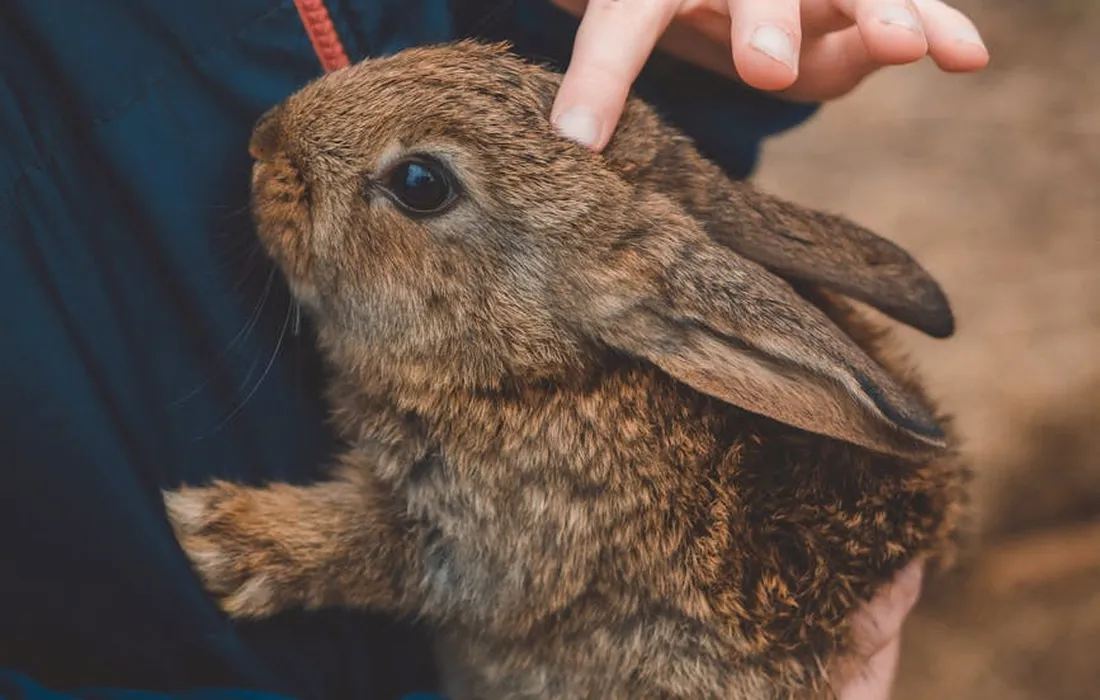
Gatherin’ the right tools before you start is half the battle won, I always say. Havin’ a dedicated kit saves you time and fuss, makin’ grooming a calm ritual instead of a chase around the coop. I keep mine in an old oatmeal canister right by the hutch.
You don’t need fancy, store-bought solutions for most tasks. A thrifty homesteader can repurpose many items from the human medicine cabinet or sewing basket with great success. Here’s what I’ve relied on for a healthy, shiny coat and happy feet.
- A Fine-Toothed Comb and a Slicker Brush: This duo is your first line of defense. The comb teases out loose fur and finds tiny mats before they grow, while the slicker brush follows up to remove that undercoat. For my long-haired Angoras, I use a comb every other day without fail.
- Blunt-Tipped Scissors: Essential for carefully snipping out mats you can’t comb through. Never cut blindly into a wad of fur-you might pinch skin. I slide my fingers between the mat and the skin as a barrier, then clip slowly.
- Small Animal Nail Clippers: Overgrown nails throw off a rabbit’s posture and can lead to sore hocks. Guillotine-style clippers give me the most control. A flashlight behind the nail helps you spot the quick, that pink vein you must avoid.
- Cornstarch or Styptic Powder: Accidents happen. If you nick the quick, a pinch of cornstarch stops the bleeding quick as a wink. It’s cheaper than branded powders and works just as well.
- A Soft Towel and a Mitt: An old, clean towel provides a secure surface for handling. A rubber grooming mitt is marvelous for short-haired breeds like Californians-it grabs loose hair during a gentle petting session.
- Plain, Unscented Baby Wipes: Perfect for a quick clean-up of soiled fur around the backend, which is a common spot for mats. Preventin’ this “poopy butt” is a key part of stewardshin’ your rabbit’s comfort and health.
Your touch is the most important tool you own. Regular handling with these simple aids lets you check for early signs of trouble, like reddened hocks or hidden mats, long before they become serious. I found a pea-sized mat behind my buck’s ear last week, and a minute of care fixed it right up.
Setting Up a Simple Rabbit Grooming Routine
Consistency is your friend here. A predictable, gentle routine builds trust and makes your rabbit easier to handle over time. Feeding timing matters too. Wild rabbits graze at dawn and dusk, while domestic rabbits often adapt to human meal schedules. I do my full check every Sunday afternoon, rain or shine.
Start by placin’ your rabbit on a non-slip surface, like that towel on your lap or a stable table. Talk to them in a low, steady voice. Offer a sprig of parsley or a basil leaf as a distraction-it works wonders. Make sure the food is safe for your [rabbit to eat](https://thebarnyardbucket.com/what-can-i-give-my-rabbit-to-eat-domestic-rabbit-diet-guide).
- Fur Inspection and Brushing: Begin by petting along the grain of the fur, feelin’ for any lumps or tangles. Use your comb first, then the brush, always workin’ in the direction the hair grows. Pay extra mind to the chest, behind the ears, and under the legs-mat hotspots all.
- The Bottom Check: Gently lift your rabbit to inspect its underside and rear. Use a baby wipe if needed to clean any mess. This prevents flystrike and keeps fur from matting with waste.
- Foot and Nail Care: Look at the bottoms of the feet. Pink skin is good; red, bare, or calloused spots mean sore hocks are startin’. Check nail length. If they tap on a hard surface, it’s time for a trim.
- Overall Wellness Scan: While you’ve got ‘em, glance at eyes, ears, and teeth. Clear eyes, clean ears, and evenly worn teeth round out a proper grooming session.
Frequency depends on your breed. My short-haired Rex rabbits get a thorough go-over once a week. Long-haired breeds demand daily attention to their coat-skip a day, and you’re askin’ for a tangled mess. For sore hocks, beyond grooming, ensure your cages have solid resting boards and plenty of soft, dry bedding.
Turn this routine into a bonding time. End each session with a favorite treat and some calm petting, so your rabbit learns to associate grooming with positive outcomes. I’ve seen skittish bunnies become downright eager for their weekly brush once they figure out the dandelion green that follows.
Keeping Grooming Issues at Bay: Proactive Tips

An ounce of prevention is worth a pound of cure, and that’s doubly true in the barnyard. Most grooming troubles stem from things we can manage before they ever become a problem. It’s about setting your rabbits up for success from the ground up.
The Daily Once-Over
Make a habit of a quick, gentle check during feeding time. Run your hand along their back and sides. You’re feeling for any snags, loose tufts, or damp patches. This simple thirty-second connection lets you catch minor issues before they spiral into painful mats or skin infections. I glance at hock pads and toenail length every time I refill a hay rack.
Tailored Grooming by Breed
Not all rabbit coats are created equal. Your approach must match their fluff factor.
- Short-Haired Breeds (Rex, Californian): A weekly rub-down with a damp hands or a slicker brush is plenty. It’s more about bonding and checking for parasites.
- Long-Haired & Wool Breeds (Angora, Lionhead): This is a commitment. They need thorough brushing every other day, without fail. For Angoras, I use a slicker brush followed by a fine-tooth comb, always being gentle over the bony hips and belly.
- Molting Rabbits (All Breeds): When they’re shedding, increase brushing to daily. You can gently pluck loose tufts or use a grooming tool made for shedding pets. Ingesting too much loose fur during self-grooming is a primary cause of dangerous GI stasis.
Building a Fortress of Flooring
Sore hocks are a housing problem, not a grooming one. The floor is your first defense.
- Solid Resting Surfaces: At least 70% of the cage or pen should be solid. I use full sheets of sanded plywood or marine board.
- Proper Padding: Cover solid areas with a deep, clean layer of soft grass hay. Straw is too rough. Change it out regularly when it gets soiled.
- Wire Guard: If you must use wire flooring for a litter area, ensure it is 14- or 16-gauge, with openings no larger than ½ inch by 1 inch. It should only cover the smallest area necessary.
The Diet Connection
What goes in affects what grows out. A rabbit on a poor diet will have a dull, brittle coat that mats easily. Unlimited, high-quality grass hay (timothy, orchard, meadow) makes up 80-90% of their diet and provides the fiber needed for healthy skin and fur. I supplement with a measured portion of plain pelleted feed (16-18% protein) and the occasional dark leafy green. Good nutrition from the inside makes your outside job much easier.
When to Call the Vet: Serious Signs Not to Ignore
We homesteaders are a self-reliant bunch, but part of good stewardship is knowing when a situation is beyond the feed store salve. Some conditions need a professional’s eye and tools.
Foot and Hock Emergencies
Check those feet daily. If you see any of the following, it’s time to make the call.
- Open Sores or Ulcers: Not just redness, but broken skin, bleeding, or visible pus.
- Swelling & Heat: The entire foot or hock area is puffy, warm to the touch, and the rabbit is clearly avoiding putting weight on it.
- Odd Toenail or Foot Growth: Lumps, distorted nails, or a foot that looks mis-shapen could signal a serious infection or bone issue.
Deep pyoderma (a skin infection) or joint involvement requires prescription antibiotics and proper wound care you can’t get over the counter. I learned this the hard way with an old Rex doe; delaying cost her a lot of pain and me a bigger vet bill.
Skin and Coat Red Flags
Sometimes a mat isn’t just a mat.
- Mats Glued to the Skin: If a mat is so tight and close it’s pulling the skin, or the underlying skin is raw, do not try to cut it out yourself. You risk a severe cut.
- Bald Patches with Flaky or Crusty Skin: This isn’t normal molting. It points to fur mites, ringworm (which is a fungus), or another dermatitis.
- Parasites You Can See: Fleas, lice, or excessive dander accompanied by scratching need vet-prescribed treatment. Rabbit-safe options are limited.
Behavioral Tells of Pain
The rabbit will tell you they’re hurting, if you know the signs. A vet visit is urgent if you notice:
- Sudden, dramatic loss of appetite or water intake.
- Hiding constantly, grinding teeth (a sign of pain, not contentment), or aggressive behavior when a usually gentle rabbit is touched.
- Inability to get comfortable, repeated shifting, or a total reluctance to move.
Appetite loss can be the first sign of trouble, even when other symptoms aren’t obvious. For not eating emergencies, our quick guide on rabbit appetite loss and related health concerns can guide you on what to do next.
Rabbits are prey animals that hide illness; by the time they show clear pain, the problem is often advanced. Trust your gut. If your barnyard experience is whispering that something’s “just not right,” pick up the phone. Your vet will appreciate the early heads-up.
Closing Tips
How often should I groom my rabbit to prevent matted fur?
Short-haired breeds benefit from a thorough brushing once a week, while long-haired varieties need daily attention to avoid tangles. Consistent grooming removes loose fur and catches small mats early, keeping the coat healthy and manageable.
What are the key signs of sore hocks I should watch for?
Monitor for hair loss on the heel, red or inflamed skin, and the development of open sores. You might also notice your rabbit shifting weight often or being reluctant to move, which indicates discomfort. Also monitor your rabbit’s eating habits and satiety cues, as changes can signal digestive issues.
What type of flooring is best to avoid sore hocks?
Prioritize solid resting surfaces like untreated pine planks or ceramic tiles over wire flooring. If wire is used, ensure it’s thick-gauge with appropriate mesh and provide ample soft, dry bedding to distribute pressure.
Can diet affect my rabbit’s fur and hock health?
Absolutely, a diet centered on unlimited grass hay and controlled protein prevents urine scalding that leads to mats. Keeping rabbits at a healthy weight reduces pressure on the hocks, minimizing soreness risks. Beyond hay, understanding grass consumption matters. Our essential grass consumption guide explains do rabbits eat grass and how to balance it with hay.
What should I do if I find a severe mat in my rabbit’s fur?
Avoid cutting mats flat against the skin; instead, gently tease them apart with your fingers or a comb. For tough mats, carefully snip vertically into the center with blunt-tipped scissors to loosen them before working sideways.
When is it necessary to call a vet for grooming issues?
Contact a vet for open sores, swelling, or signs of infection on the hocks, or if mats are tightly glued to raw skin. Behavioral red flags like appetite loss or evident pain also require professional assessment promptly.
Shutting the Gate
When all’s said and done, keeping your rabbits right isn’t about fancy tricks; it’s about showing up with a watchful eye and a gentle hand. The single most valuable practice you can adopt is a daily, hands-on check-feeling for snarls in the fur and inspecting footpads for redness during your normal feeding or petting time. This simple routine builds trust and lets you spot trouble when it’s just a whisper, long before it becomes a shout.
I’m mighty grateful y’all stopped by to talk rabbit care. Now, head on out to your hutch with a little more know-how in your pocket. There’s a deep, quiet joy in tending to these creatures well. I wish you many peaceful evenings watching your contented bunnies and the satisfaction of a job done right. Happy homesteading, friend.
Further Reading & Sources
- Rabbit Grooming Basics | The Rabbit Haven
- EnrichMat™ – Safe Snuffle Mat for Rabbits & Small Pets | Well …
- rabbit brush, bunny brush, rabbit bed, bunny bed, Bunny Rabbit Grooming Aids 2, peter brush, Grooming Glove, Slick N Easy, Brushes, Rubber Brushes, cord protector, self cleaning brush, rolling pin brush, rolling teeth brush, rotating pin brush, rotating p
Caroline Mae Turner is a lifelong farm girl raised on red clay, early mornings, and the sounds of a bustling barnyard. With hands-on experience caring for everything from stubborn goats to gentle dairy cows and mischievous pigs, Caroline shares practical, tried-and-true advice straight from the farm. Her goal is to help folks keep their animals healthy, well-fed, and living their best barnyard life. Whether you're wrangling chickens or bottle-feeding a baby goat, Caroline brings a warm Southern touch and plenty of real-world know-how to every bucket in the barn.
Best Practices