
A Homesteader’s Guide to Rabbit-Resistant Flowers and Foliage
Published on: October 18, 2026 | Last Updated: October 18, 2026
Written By: Caroline Mae Turner
Howdy y’all. Welcome back to the barn. If you’re tired of seeing your tender seedlings and prized blooms vanish overnight, the farmer’s fix is straightforward: you need to outsmart them by planting things they naturally find unappetizing.
- What you’ll need:
- A good shovel and a pair of worn-in gloves
- A list of proven, resilient plant varieties
- A bit of mulch and some determination
Let’s walk through the best greenery to put in the ground so you can have a beautiful, productive space without resorting to a constant battle.
Understanding Rabbit Pressure on Your Homestead
Now, let’s talk about what “rabbit pressure” really means on your land. It ain’t just a few cute bunnies hopping around. It’s when those hungry critters start treating your vegetable garden and forage plots like an all-you-can-eat buffet. I reckon I lost a whole row of young Swiss chard to them one damp April, and that was meant for the laying flock’s greens. You’ll know rabbit pressure is building when you see clean-cut nibbles on tender stems, pea-sized droppings near the damage, and plants that seem to vanish overnight right down to the ground.
This pressure hits your barnyard animal food supply direct. Those rabbits are competing with your chickens, geese, and pigs for valuable greens and roots. Managing it isn’t about eradication; it’s about smart, thrifty stewardship. Creating a landscape with plants rabbits naturally avoid is one of the most sustainable fences you’ll never have to build.
Rabbit-Resistant Plant Profiles for the Practical Homestead
Plantin’ things rabbits turn their noses up at is a strategy as old as dirt. I think of it as gardening with a quiet, green confidence. These profiles focus on workhorse plants that serve multiple purposes-some can even be foraged or used for your livestock in moderation, while others simply protect the more vulnerable crops. You might also want to know what rabbits can safely eat and what to avoid. We’ll cover safe versus unsafe plants and foods for rabbits so you can plan accordingly.
Sturdy Herbs That Earn Their Keep
Herbs are my first line of defense. Their strong essential oils and fuzzy or tough leaves send rabbits packing. Many of these are dual-purpose on a working homestead. I always plant a thick border of lavender around my chicken run; the girls enjoy dust baths near its roots, and the scent keeps the rabbits from venturing too close. Even so, it’s important to be mindful of which herbs are safe for rabbits to nibble.
- Lavender: Tough, aromatic, and drought-tolerant. Rabbits despise it. Dried, it can make a nice nesting box herb for hens.
- Rosemary: Those needle-like leaves are too much for rabbits. A few fresh sprigs can be offered to goats or rabbits (ironically) as a healthy occasional treat.
- Mint: It spreads like wildfire and smells too strong for rabbit tastes. Be sure to plant it in containers to control it! I dry mint for wintertime teas for the family.
- Oregano & Thyme: These low-growing, pungent herbs form a mat rabbits won’t bother. They’re excellent for ground cover and pollinator attraction.
- Sage: With its pebbly, textured leaves, sage is rarely touched. We use it in our cooking and sometimes add a little to the poultry’s dust bath area.
Perennial Flowers That Stand Their Ground
Perennials come back year after year, saving you money and time. The ones rabbits skip often have milky sap, tough foliage, or a bitter taste. I’ve watched cottontails hop right past my peonies to mow down the tender clover, which shows you how particular their palates can be.
- Peony: Their glossy, divided leaves and thick stems are unappealing. They provide glorious blooms and structure to the garden.
- Russian Sage: Airy and drought-proof, its fragrant silvery leaves are a rabbit deterrent. It’s a magnet for bees, which helps your vegetable yields.
- Coreopsis & Echinacea (Coneflower): Both have somewhat rough foliage and a resilient nature. They provide long-lasting color and seeds for wild birds.
- Bleeding Heart: The foliage and roots are reportedly toxic, so wildlife gives it a wide berth. It thrives in shadier spots where other plants might struggle.
- Salvia (Perennial Sage): Spiky flowers and often fragrant leaves make this a rabbit-resistant winner. It blooms for ages with little care from you.
Ornamental Grasses and Robust Shrubs
This is where you build the backbone of your landscape. Grasses and shrubs add form, windbreaks, and privacy, and the best part is they’re usually left alone by foraging rabbits. Planting a hedge of rugged shrubs is like putting up a living, growing fence that asks for nothing but sunshine and rain.
Ornamental grasses, with their sharp-edged blades and dense growth, are seldom browsed. Maiden grass or fountain grass can create beautiful, swaying barriers. For shrubs, focus on those with leathery leaves or strong scents.
- Boxwood: Its dense, evergreen foliage contains alkaloids that make it unpalatable. Perfect for formal edges or hedges.
- Butterfly Bush (Buddleia): While beloved by butterflies, the leaves are not preferred by rabbits. It grows fast and blooms profusely.
- Potentilla: A tough, long-blooming shrub with small leaves. I’ve never seen a bite taken out of mine, even with rabbits living in the nearby brush pile.
- Junipers: Their prickly, scale-like foliage and strong resinous smell are excellent rabbit repellents. They provide year-round cover for birds.
- Barberry: Those thorns are a formidable physical deterrent. It’s a hardy choice for a protective border, but handle it with good gloves.
Why Do Rabbits Avoid These Plants?
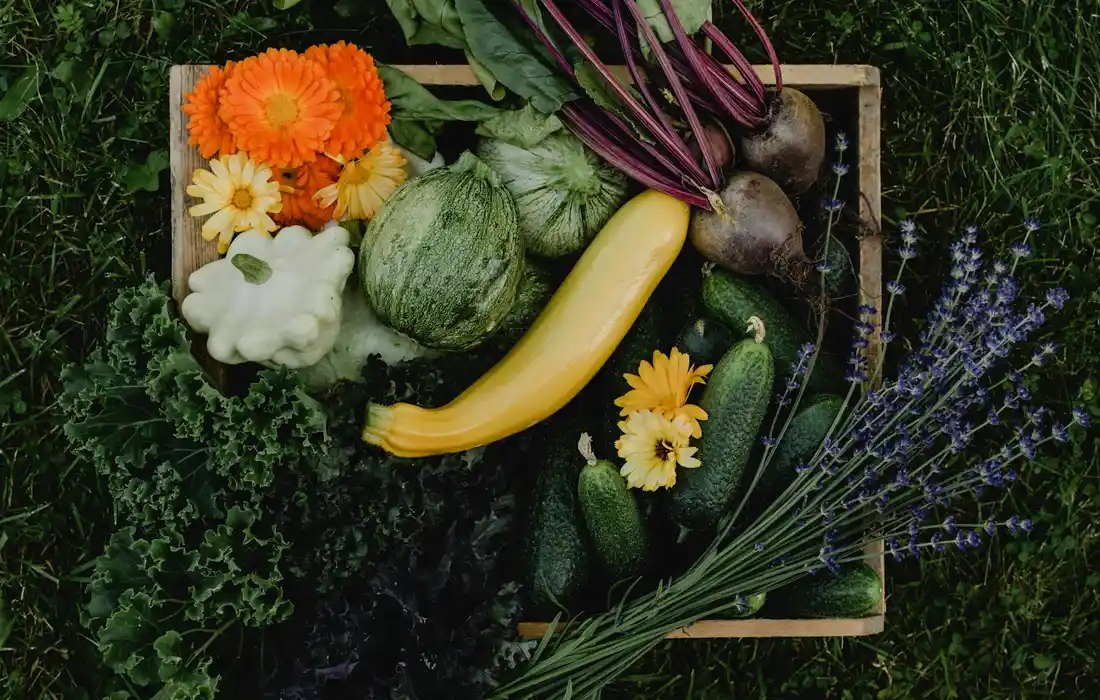
Now, I reckon if you’ve watched a cottontail nibble your bean sprouts to the ground, you’ve wondered what makes some greens irresistible and others downright ignored. It ain’t magic, friends-it’s clever plant defense, and understanding it is your first step to a peaceful garden.
A Matter of Taste and Texture
Rabbits, much like a picky toddler, judge their supper by mouthfeel and flavor. Plants have evolved some mighty clever tricks to be less than tasty. Many rabbit-resistant varieties are downright bitter or carry a sharp, peppery note that makes a bunny’s nose wrinkle. I’ve watched them bypass my arugula for sweeter clover every time.
Texture plays a huge role, too. Leaves that are fuzzy, like lamb’s ear, or tough and leathery, like some types of ornamental grass, are simply unpleasant for them to chew. Think of it like choosing between a tender biscuit and a stale cracker; the rabbit will always hop towards the easier, more palatable meal.
From my own rows, I’ve noted a few consistent winners in the texture department:
- Hairy or Fuzzy Stems: Plants like borage or Russian sage feel wrong in a rabbit’s mouth.
- Thick, Waxy Leaves: Think peonies or sedum; they’re like trying to eat a wax paper wrapper.
- Grasses with Saw-Edged Blades: Many ornamental grasses are simply too rough on a delicate tongue.
Powerful Scents and Oils
Beyond taste, a plant’s perfume is its best armor. Rabbits rely heavily on their keen sense of smell to find food and avoid danger. Strong aromatic oils that we find delightful signal “keep away” to them. It’s the same principle as hanging a strong-scented soap in your chicken coop to deter mites.
I plant lavender and rosemary not just for my kitchen, but as a fragrant fence around my chicken run. The rabbits give that whole area a wide berth. Those potent essential oils, like thymol in thyme or camphor in rosemary, literally smell like trouble to a foraging rabbit.
My grandmother called these her “stinky beauties,” and she was right. Here’s a short list of powerful scents that do the work for you:
- Alliums (onions, garlic, chives)
- Most herbs (mint, oregano, sage, dill)
- Marigolds (their pungent smell masks more tempting crops)
- Catmint (though it might attract some feline friends!)
The Homesteader’s Benefits of Rabbit-Resistant Planting
Choosing these sturdy plants ain’t just about saying “no” to rabbits; it’s about saying “yes” to a heap of practical benefits for your whole operation. It’s a thrifty, smart way to steward your land.
Protecting Your Animal’s Supplemental Forage
When you raise livestock, every scrap of intentional forage counts. I can’t tell you how frustrating it was to grow a beautiful patch of kale for the chickens, only to find it mowed down by wild jacks before the hens got a bite. Planting a border of rabbit-deterring flowers like snapdragons or coreopsis creates a living barrier.
This means more of the good greens-the comfrey, the alfalfa, the tender shoots-are saved for the animals you’re meant to feed. By directing rabbit traffic, you ensure your pigs, geese, and cows get the full nutritional benefit from the supplemental crops you’ve worked hard to grow. It’s a simple matter of respect for your animals and your own labor.
Consider these strategic planting tips from my own barnyard:
- Ring your pumpkin or squash patch with a row of pungent marigolds; the vines will shade them out later, but the scent protection lasts.
- Use a hedge of Russian sage or butterfly bush along the fence line where rabbits typically enter.
- Interplant chives among your strawberry plants; the rabbits dislike the onion smell, and your berries stay fuller.
Building a Low-Maintenance, Beautiful Farmstead
Let’s be honest, a homestead needs to be functional, but there’s no law says it can’t be pretty too. Many rabbit-resistant plants are drought-tolerant perennials that come back year after year with minimal fuss. That saves you time, money on replanting, and water—a true win for sustainable stewardship.
I’ve used clumps of feather reed grass and swaths of yarrow to create lovely, textured borders that need no coddling and zero worry from browsers. You’re building beauty that doesn’t beg for constant protection, freeing you up for the million other tasks a farm demands. It’s about working smarter, not harder.
Here are a few of my favorite dual-purpose, low-care champions:
- Catmint: Spreads nicely, clouds of purple flowers, and rabbits truly dislike it.
- Salvia: Long-blooming, attracts pollinators, and its strong scent is a major deterrent.
- Peonies: Those luxurious blooms sit atop tough, bitter foliage that rabbits won’t touch.
- Ornamental Onions (Alliums): Architectural and striking, with that built-in rabbit-repelling power.
Strategic Planting to Outsmart Rabbits
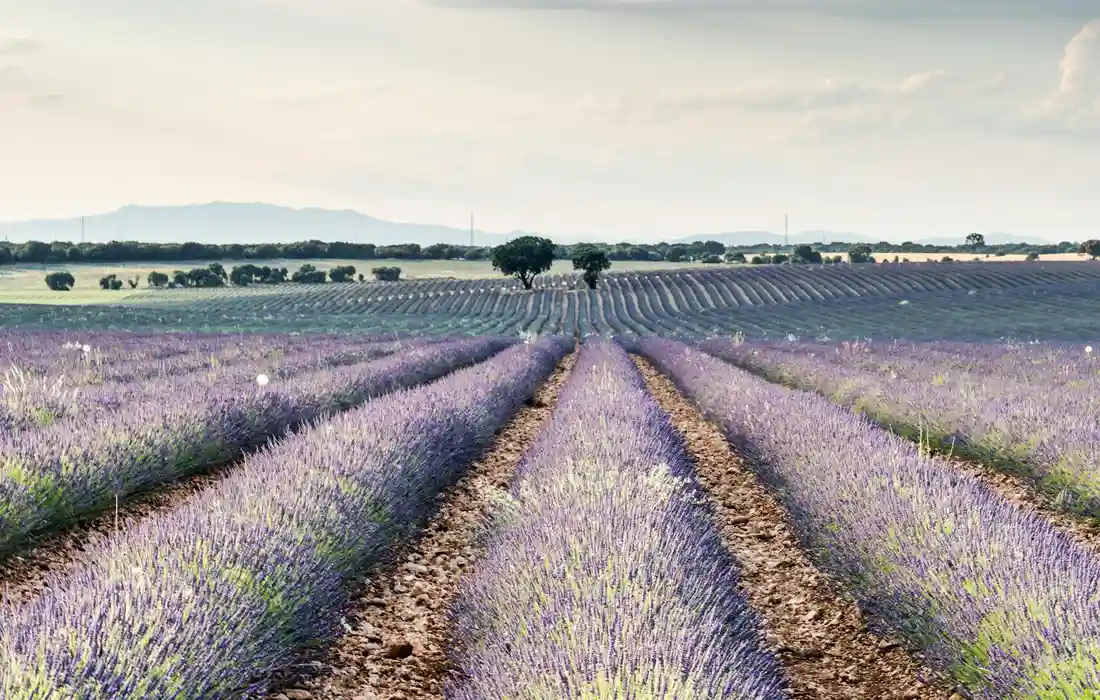
You can’t just toss plants in the ground and hope for the best. You’ve got to think like a general planning a defense. My strategy has always been to layer my defenses, using plants not just as solitary soldiers but as a coordinated army that supports my garden and my barnyard. It saves my back and my wallet in the long run.
Companion Planting for Defense and Yield
This is where we get clever. Companion planting is about placing plants together so they help each other grow or, in our case, so the strong protect the vulnerable. I use it around my vegetable plots that feed my family and my chickens.
- The Aromatic Guard: Ring your tender lettuce or bean patch with a thick band of rosemary, sage, or lavender. Rabbits turn their noses up at these potent herbs, but my hens go wild for the fresh sage I toss them.
- The Tall Neighbor: Plant a row of sunflowers or tall, rabbit-resistant corn on the side where rabbits usually approach. It acts as a visual screen and physical barrier they’re reluctant to cross.
- The Spiky Moat: I always sow alyssum or low-growing, prickly-leaved portulaca around the base of my young fruit trees. It’s a charming, flowering ground cover that discourages nibbling on the tender tree bark.
This method turns your garden into a productive ecosystem where every plant has a job, beyond just bearing fruit.
Creating Protective Borders and Hedgerows
Think bigger than the garden bed. A well-planned border is your homestead’s first line of defense. I planted mine years ago, and it’s now a thriving, self-sustaining wall of green.
- Map the Battle Lines: Identify where rabbits enter your property-often along fence lines, wooded edges, or drainage ditches.
- Choose Layered Plants: Start with a backbone of sturdy shrubs like juniper or rugosa rose. In front, add mid-height perennials like catmint or salvia. Let creeping thyme or oregano sprawl at the front edge.
- Plant Densely: Don’t give them an inch. Crowd the plants together so a rabbit sees a solid, impenetrable wall of unappetizing foliage.
A living hedgerow does double duty, providing shelter for beneficial birds and insects that help control other pests.
The Unbeatable Pair: Fencing and Flora
Never rely on plants alone where your livestock or primary food garden is concerned. The most effective system I’ve used pairs a physical fence with a planted barrier.
- Install a standard 1-inch mesh wire fence around your chicken run or main garden.
- Immediately on the outside, plant a dense, rabbit-resistant hedge. I’m partial to barberry for its thorns and Russian sage for its tough, fragrant resilience.
- This duo is mighty. The fence stops the initial breach, and the thorny, aromatic plants discourage any long-term loitering or digging attempts. It reinforces the fence’s purpose beautifully.
I patched fewer holes in my coop run after I planted that spiky barberry hedge outside it; the rabbits found easier dining elsewhere.
Choosing Rabbit-Resistant Plants for Your Region
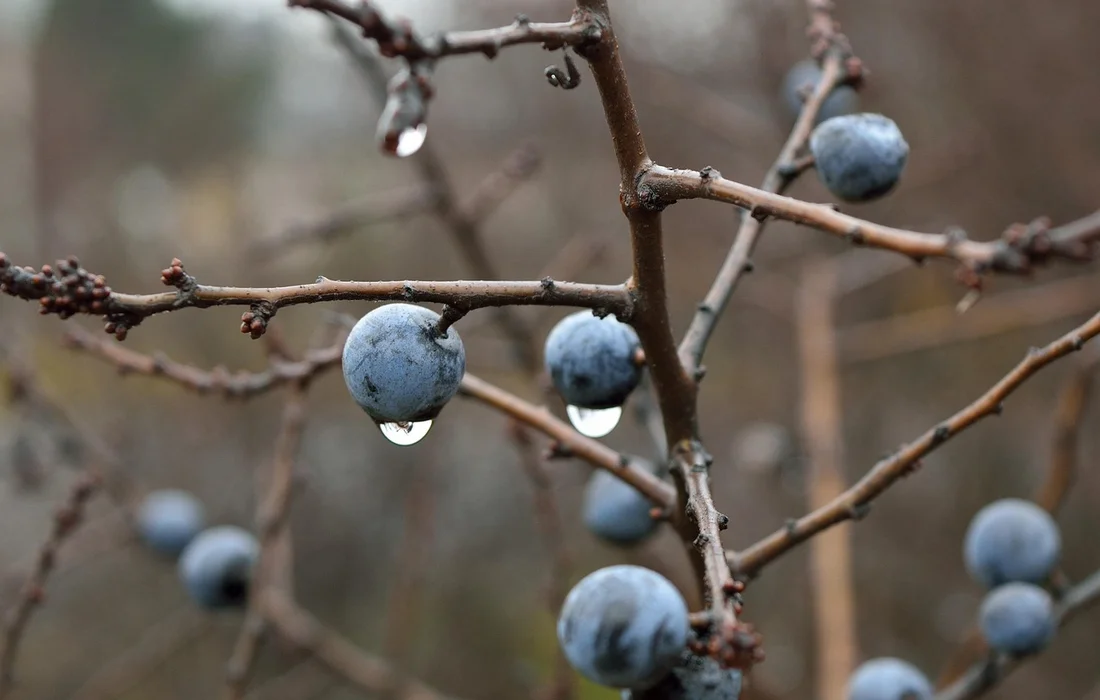
What thrives for me in my Tennessee clay might fry in Arizona or freeze solid in Minnesota. Choosing plants suited to your climate means they’ll be robust enough to withstand a curious rabbit’s investigation.
Guidance for Arid Climates (Arizona, Texas)
Heat and drought are your main challenges. Fortunately, many native, water-wise plants are also rabbit-resistant due to their tough, leathery, or fuzzy leaves.
- Desert Classics: Agave, yucca, and prickly pear cactus are fortress-like. Plant them well away from where animals or children play.
- Silver Foliage Stars: Lavender, Russian sage, and lamb’s ear thrive in sun and heat. Their gray, aromatic leaves are rabbit kryptonite.
- Drought-Tolerant Shrubs: Texas sage and lantana are brilliant choices. They bloom profusely with little water and are consistently left alone.
These plants have evolved to survive harsh conditions, making them naturally less palatable and more resilient to casual browsing.
Guidance for Cold Winters (Minnesota, Zone 5)
You need plants with woody stems or evergreen foliage that can take a deep freeze and still look unappetizing come spring.
- Evergreen Foundation: Boxwood, juniper varieties, and Oregon grape holly provide year-round structure and color. Rabbits rarely touch them.
- Tough Perennials: Peonies, iris, and baptisia have hardy crowns and foliage that rabbits disdain. Once established, they’re there for the long haul.
- Ornamental Grasses: Feather reed grass or switchgrass add beautiful winter texture. Their sharp-edged leaves are a powerful deterrent.
Focus on building a backbone of woody shrubs first; they’ll stand guard through the toughest snowdrifts.
Guidance for Humid Regions (Florida, Pacific Northwest)
Fungal disease and soggy soil are your foes. Select plants that enjoy good drainage and have natural fungal resistance.
- Fungal-Fighting Herbs: Rosemary, oregano, and thyme love well-drained soil and humid air. Their essential oils protect them from pests and rot.
- Moisture-Loving Natives: Ferns like autumn fern or Christmas fern are excellent for shady, damp spots and are not preferred by rabbits.
- Sturdy Southerners: For the Southeast, consider wax myrtle or Indian hawthorn. For the Pacific Northwest, mahonia and sword fern are classic, rabbit-proof choices.
In humidity, proper spacing for air circulation is as important as plant selection to keep your defenses healthy and strong.
Guidance for Shady Spots and Small Spreads
Not everyone has full sun acreage. For those damp, shadowy corners or petite urban plots, you still have excellent options.
- Shade Champions: Bleeding heart, hellebores (Lenten rose), and pulmonaria (lungwort) are stunning perennials that bloom beautifully in shade and are consistently avoided by rabbits.
- Compact Powerhouses: Dwarf varieties of boxwood or holly fit in tight spaces. Heuchera (coral bells) offers incredible, rabbit-resistant foliage color in tight borders or containers.
- Container Strategy: For patios or small yards, plant pots with a centerpiece of a small, spiky yucca or agave, surrounded by trailing rosemary or silver mound artemisia.
Even a small, well-defended patch can provide immense joy and a bouquet of cuttings without feeding the local wildlife.
Closing Questions for the Rabbit-Resistant Homesteader
What rabbit-resistant plants can I grow that also benefit my barnyard animals as forage or shelter?
Plants like comfrey or chicory are excellent choices; rabbits avoid their rough or bitter foliage, and they offer nutritious, leafy greens for chickens or pigs when harvested carefully. Always ensure any forage is introduced slowly and confirmed non-toxic for your specific livestock, especially if you plan to include garden herbs like sage or sorrel.
What rabbit-resistant options work well in shady spots where my animals like to rest?
For damp, shaded areas near barns or coops, consider hellebores or astilbe; these perennials thrive in low light and are consistently ignored by rabbits due to their toxic or tough leaves. They provide lush ground cover that animals can enjoy without risking overconsumption.
In Florida’s humid climate, what rabbit-resistant plants can I use that won’t harm my livestock?
Opt for native shrubs like wax myrtle or firebush; they resist rabbits with their aromatic or leathery leaves and thrive in humidity, offering shade and wind protection for your animals. Ensure they are planted away from direct grazing areas to prevent accidental ingestion. Curious whether rabbits eat verbena? Our rabbit-resistant plant guide covers verbena and other garden-safe options.
For my Arizona homestead, what drought-tolerant, rabbit-resistant plants can border my animal enclosures?
Desert-adapted plants such as red yucca or Texas sage are ideal; their spiky or fuzzy foliage deters rabbits, and they need little water, making them low-maintenance barriers. Position them to avoid contact with curious animals, but they effectively define spaces without inviting pests. Unlike other shrubs, they are less likely to be nibbled by rabbits.
What rabbit-resistant plants are suitable for a Massachusetts farm to protect crops meant for my animals?
In Massachusetts, hardy shrubs like rugosa rose or viburnum are reliable; their thorny stems or bitter berries repel rabbits, safeguarding nearby vegetable patches for your chickens or geese. These plants also provide habitat for beneficial insects that support a healthy farm ecosystem.
Are there rabbit-resistant plants with a small spread that are safe near coops or stables?
Compact options like dwarf fountain grass or hens-and-chicks are perfect; they resist rabbits with their textured leaves and minimal spreading, fitting neatly in small plots or containers near animal shelters. They add visual interest without overcrowding or requiring frequent maintenance.
Shuttin’ the Gate
When all’s said and done, creatin’ a beautiful yard that your rabbits can safely enjoy comes down to good boundaries. The very best fence is the one made of knowledge, plantin’ rabbit-resistant varieties on your side of the wire and savin’ the tender treats for controlled grazing or harvest. It keeps your flowers bloomin’ and your bunnies from a bellyache, which is a win for every creature on the homestead.
I hope this list gets your own plans growin’. There’s a real peace that comes from sittin’ on the porch, watchin’ those furry critters binky in the run, knowin’ your lupines are safe just a few feet away. Thanks for lettin’ me share a bit of what we’ve learned out here. Y’all take care, enjoy the simple joy of a well-tended patch of earth, and I’ll see you down the pasture road.
Further Reading & Sources
- Deer and Rabbit Resistant Perennials | Walters Gardens, Inc.
- 20 Plants and Flowers Rabbits Don’t Eat
- 19 Beautiful Rabbit-Resistant Plants for Your Flower Garden
Caroline Mae Turner is a lifelong farm girl raised on red clay, early mornings, and the sounds of a bustling barnyard. With hands-on experience caring for everything from stubborn goats to gentle dairy cows and mischievous pigs, Caroline shares practical, tried-and-true advice straight from the farm. Her goal is to help folks keep their animals healthy, well-fed, and living their best barnyard life. Whether you're wrangling chickens or bottle-feeding a baby goat, Caroline brings a warm Southern touch and plenty of real-world know-how to every bucket in the barn.
Forage Options