Rabbit-Proofing Your Garden: A Homesteader’s Guide to Toxic Plants
Published on: May 11, 2026 | Last Updated: May 11, 2026
Written By: Caroline Mae Turner
Howdy y’all. A garden full of blooms and a yard full of happy rabbits can feel like two dreams at odds, but the best fence is the one you don’t have to build, starting with knowing exactly which common ornamentals to keep far from your curious bunnies.
- What you’ll need:
- A keen eye for your existing flower beds and landscaping
- A notepad to sketch your garden zones
- Thirty minutes for a deliberate walk-around inspection
Let’s get this sorted, so you can get back to the good part-enjoying both your garden and your animals in peace.
Why Barnyard Stewards Must Mind the Garden Fence
Well now, you might be thinking your garden and your grazing pastures are two separate worlds. I’ve learned through hard-won experience that on a homestead, everything is connected. A rabbit nibbling on toxic azalea clippings you tossed over the fence doesn’t just affect that rabbit. That little critter could be the barn cat’s favorite playmate or, in a darker turn, become a toxin-filled meal for a foraging pig or watchdog. Our job as stewards is to manage the entire web of life on our land, and that means protecting all creatures, even the wild ones, from hidden dangers we might have planted ourselves.
I reckon it’s also a matter of pure practicality. A poisoned rabbit won’t just vanish; it’ll likely succumb in a hiding spot near your barn or coop, creating a sanitation issue and attracting flies or other scavengers. Furthermore, many plants toxic to rabbits, like ivy or certain bulbs, can also cause mild to severe distress in chickens, goats, or pigs if they root them up. By creating a rabbit-proof garden barrier, you’re not just saving bunnies-you’re building a stronger line of defense for your whole menagerie.
Know Your Enemy: Common Garden Plants That Harm Rabbits
Let’s walk the garden rows together, side-by-side, and I’ll point out the usual suspects. This isn’t about fancy Latin names, but about recognizing the leaves and flowers you likely have planted right now.
The Top Offenders in My Neck of the Woods
- Azaleas & Rhododendrons: Every part of this pretty bush is trouble. They contain grayanotoxins that mess with an animal’s sodium channels. Just a few leaves can cause a world of hurt.
- Lantana: Those cheerful clusters of flowers are a siren song with a toxic secret, especially the unripe berries. It causes liver failure in rabbits, and it’s a slow, cruel process.
- English Ivy: That ground cover you planted for easy landscaping? Its leaves are packed with triterpenoid saponins, leading to excessive drooling, stomach cramps, and weakness.
- Foxglove & Lily of the Valley: Heart-stoppers, literally. These contain cardiac glycosides that directly attack the heart muscle. Even the water in a vase holding these cuttings can become poisonous.
- Nightshades: This family includes common veggies like tomato plants (their vines and leaves) and potatoes (the green parts and eyes), along with ornamental like bittersweet nightshade. They contain solanine.
- Daffodils, Tulips, & Hyacinths: The bulbs are the most toxic part, but all of it can cause severe salivation, tremors, and cardiac issues. A rabbit digging in a flower bed is in real peril.
My rule of thumb is simple: if a plant is known for being deer-resistant, I give it a mighty suspicious look, as the compounds that deter deer are often toxic to lagomorphs, too. I keep a printed list tacked right to the inside of my garden shed door for a quick reference when I’m weeding or pruning.
Spotting Trouble: Symptoms of Plant Poisoning in Rabbits
Rabbits are prey animals, bred by nature to hide weakness. By the time you see clear signs, the situation is often dire. You must become a keen observer. Learning to spot early GI stasis symptoms and their possible causes can guide quick, practical home care. This sets the stage for troubleshooting tips you can find in the next steps.
- The First Whisper: A sudden loss of appetite. A rabbit that turns its nose up at a favorite green is sounding a major alarm bell.
- Gut Trouble: Either a sudden lack of droppings or the onset of diarrhea. Their delicate digestive system is usually the first to crash.
- Neurologic Signs: This is serious. Look for head tilting, stumbling as if drunk, noticeable tremors, or seizures.
- Physical Distress: Excessive drooling or foaming at the mouth, visible abdominal bloating or pain (they may press their belly to the ground), and labored breathing.
- The Tragic Turn: Lethargy progressing to collapse and paralysis. Time is not your friend when you see these symptoms; you are in a flat-out race to the vet.
Immediate Actions If You Suspect Poisoning
Now, don’t panic, but do move with purpose. I’ve had to go through these steps more than I care to admit, once with a beloved barn kitten who chewed on a lily.
- Separate and Secure: Immediately move the rabbit to a safe, quiet, and confined space like a carrier lined with a towel. This prevents further injury if seizures occur and lets you monitor them closely.
- Identify the Culprit: Grab a sample of the plant you suspect. Take a whole piece-leaf, stem, flower, berry. Your vet needs to see it. Take a picture of the plant in the ground, too, for context.
- Call for Backup: Contact your veterinarian or an emergency animal poison control hotline *on your way*. Do not wait to see if they “get better.” Have your plant sample ready to describe. Do not try to induce vomiting unless explicitly instructed by a professional; you can cause more harm.
- Provide Supportive Care: Keep the animal warm and hydrated. Offer fresh water. Do not force-feed any food. Your vet may instruct you to administer activated charcoal, but only do so under their direct guidance.
Prevention is always, always cheaper and kinder than the emergency vet bill and heartache that follows a poisoning. A sturdy, well-maintained garden fence that extends below the dirt line is your best investment for peace of mind.
Building Fortresses: Physical Barriers and Deterrents

Crafting Rabbit-Resistant Containers and Planters
Now, I’ve seen rabbits treat a low garden bed like an all-you-can-eat buffet, and your carefully sown feed crops for the chickens or pigs disappear overnight. Getting your plants up off the ground or into a fortified box is your first line of defense, and it’s a method I’ve relied on for decades. You can find more tips on what to plant and how to protect them in our rabbit foraging guide.
You can’t just use any old pot. I once lost a whole planter of beet tops for the geese to a persistent bunny that gnawed through a thin wooden side. The goal is to use materials that are either impenetrably hard, uncomfortably smooth, or simply too tall for a rabbit to scale.
My go-to solution involves repurposing what’s already around the homestead. I took some retired galvanized stock tanks, drilled drainage holes, and now they grow lush greens for the laying flock. Those metal sides are slick and high, creating a perfect, reusable fortress that cost me nothing but a little elbow grease.
Here are the container materials that have proven themselves rabbit-proof on my place:
- Galvanized Metal Troughs: At least 18 inches tall, they’re durable, and their smooth surface offers no purchase for climbing.
- Vertical Cedar Plank Beds: Built from 2×12 lumber, this aromatic wood deters insects and, at that height, discourages jumping.
- Half-Cut Oak Wine Barrels: The thick, hard staves are tough to chew, and their natural curvature lacks flat edges rabbits can grip.
- Solid Concrete Blocks: Stacked two high for planting, they’re heavy, permanent, and utterly unappealing to nibble on.
Building one yourself is straightforward if you mind the details. First, select a sunny spot for your animal fodder-think Swiss chard or pumpkins for the pigs. Line the entire bottom and the lower inner walls with ½-inch hardware cloth before adding soil; this stops both chewing and any ambitious digging from below. For wooden boxes, I always seal the interior with a non-toxic, water-based sealant to prolong life.
One of my most successful penny-pinching tricks was wrapping the base of my planters with leftover aluminum flashing. That metallic layer confuses rabbits and protects the wood, turning potential waste into a durable shield for your plants.
Your planter is only as strong as its foundation. I learned this after a varmint tunneled right under a beautiful raised bed to get at the roots. Always place your container on a layer of compacted gravel or securely stapled wire mesh to eliminate that underground access point. It’s a final, critical step that guarantees your harvest makes it to your animals’ troughs, not a rabbit’s belly.
Planting Peace of Mind: Selecting Safe and Unappetizing Flora
Now, if you’re like me, you want a yard that’s both pretty and practical. The good news is, you can have a flourishing garden that rabbits will turn their noses up at. It’s all about choosing plants they find downright distasteful. Strategic planting is your first and most beautiful line of defense, creating a living barrier that protects itself.
Ornamentals Rabbits Typically Avoid
For those flower beds and borders, lean on these rugged characters. I’ve watched bunnies hop right past these in my own yard for years.
- Lantana: A sunny spot superstar with clusters of bright flowers. Rabbits hate its strong scent and fuzzy, rough leaves. It’s a perennial in warm zones, and let me tell you, it can take the heat and the drought.
- Salvia: From vibrant reds to deep purples, these spiky flowers are a pollinator paradise. Their potent aromatic oils are a major turn-off for cotton tails.
- Catmint (Nepeta): Smells lovely to us, but it’s a powerful rabbit deterrent. It forms lovely mounds of grey-green foliage and blooms profusely. The cats might roll in it, but the rabbits won’t touch it.
- Peonies: Those glorious spring blooms come with thick, leathery stems and leaves that rabbits find unappealing. Once established, a peony is a fortress.
- Lamb’s Ear: Those famously soft, velvety leaves? Rabbits don’t appreciate the texture one bit. It’s a wonderful, drought-tolerant ground cover or border plant.
Herbs and Vegetables They’ll Snub
You can still grow a mighty fine kitchen garden. Focus on plants with strong scents—rabbits rely heavily on smell, and a powerful aroma often signals “keep away” to them.
- Onions, Garlic, and Leeks: Your allium family is a rabbit’s nightmare. Interplant these among your vulnerable crops. I often run a row of onions around my lettuce patch as a fragrant guard rail.
- Potatoes: The foliage of potato plants contains solanine, which is toxic. Rabbits seem to know this instinctively and leave the plants alone.
- Rhubarb: Those big, dramatic leaves contain oxalic acid, making them poisonous. No sensible rabbit will take a bite.
- Mint: It’s wonderfully invasive for us, but that strong menthol smell sends rabbits packing. Best grown in containers unless you want a mint field!
- Rosemary and Thyme: These woody, fragrant herbs are rarely bothered. They’re perfect for sunny, well-drained spots right along the garden’s edge.
Remember, a hungry rabbit might sample almost anything, especially young, tender shoots. A combination of these plant choices, plus the physical barriers we’ll talk on about, builds a system of security for your garden. It’s about working with nature’s own rules to keep your harvest where it belongs-in your basket, not in a bunny’s belly. That also raises the question: do rabbits eat garden-foraging plants? Knowing this helps you plan plant safety and how to guard beds while coexisting with wildlife.
Designing a Dual-Purpose Garden for Animals and Kitchen
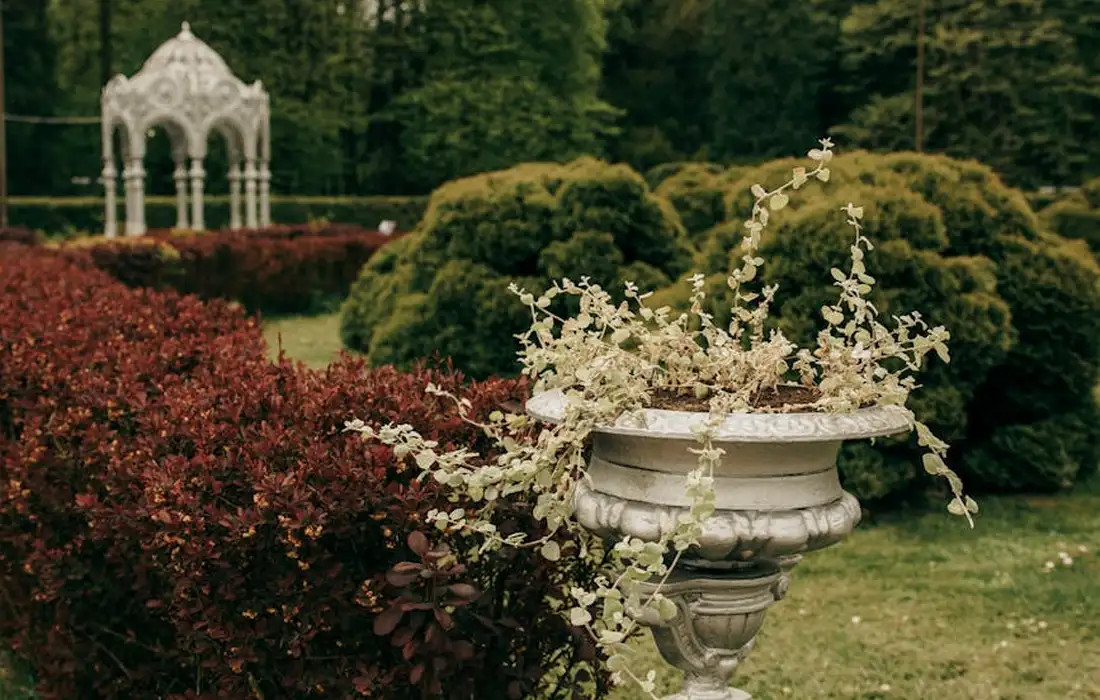
Now, I reckon the smartest path forward isn’t just fencing things out, but planning what you fence in. A well-laid garden can feed your family and your flock, turning potential problems into productive partnerships. My own kitchen garden sits just a stone’s throw from the chicken run, a setup I’ve refined after years of trial and plenty of error. For anyone keeping chickens, a chicken safe plants garden planning guide can make it easier to pair edible greens with safe perennials—without the guesswork. I’ll expand on that approach in the next steps.
Strategic Layout & Zoning
Think of your space in zones, not just rows. You want a clear buffer between your animal areas and any ornamental beds with risky plants like azaleas or ivy.
- The Inner Sanctum: This is your core vegetable and herb plot for your table. Fence this securely with 1/2-inch hardware cloth buried at least 6 inches deep to deter all burrowers.
- The Perimeter Buffer: Plant a border of animal-safe, unpalatable herbs like rosemary, lavender, or thorny raspberries around your inner garden. Critters typically give these a wide berth.
- The Sacrificial or “Salad Bar” Zone: Designate an area near your runs for plants you *want* to share. This satisfies their foraging instinct and keeps them busy away from your prime veggies.
Prime Picks for Your Dual-Purpose Plots
Choosing the right plants is where thriftiness and good husbandry shake hands. Focus on hardy, regenerative crops that offer multiple harvests.
For You AND The Flock:
- Kale & Collards: These are absolute champions. They survive frost, regrow after cutting, and provide vital greens packed with vitamins for chickens. I let the birds clean up the stems after I take the leaves.
- Winter Squash & Pumpkins: After you enjoy the flesh, split open the tough shells for your pigs or cows. They adore the seeds and stringy guts-it’s a fantastic fall enrichment.
- Sunflowers: Let the flower heads dry, then offer them whole to your chickens or geese. They’ll peck out the seeds for hours, a great source of healthy fats and protein (around 25%).
Animal-Specific “Salad Bar” Stars:
| Plant | Best For | Notes & Nutritional Tip |
|---|---|---|
| Comfrey | Pigs, Chickens (chopped) | High in protein. I chop leaves finely for chickens and toss whole stalks to the pigs-they devour them. |
| Sweet Potato Vines | Pigs, Cows, Goats | Fast-growing and highly palatable. Excellent forage that’s different from their standard pasture. |
| Nasturtiums | Chickens, Ducks | Entire plant is safe. Adds a peppery kick to their diet and helps deter pests in your garden. |
| Beet Tops & Carrot Greens | Rabbits, Geese, Pigs | Don’t toss these kitchen scraps! They’re perfect, nutrient-dense treats straight from your harvest. |
Maintenance as Stewardship
Your garden’s hygiene is part of animal health. I make it a habit to walk the fence lines every Sunday evening, just like checking on the livestock.
- Prune with Purpose: When you trim back your ornamental ivy or lantana, gather every clipping immediately. Do not compost these where animals could access them; burn or bag them.
- Manage the Fall: Wind blows leaves and petals. A brisk fall day can send azalea leaves sailing into a paddock. Keep the area directly downwind of toxic plants clear, or consider a simple windbreak fence made of poultry netting.
- Water Wisely: Runoff from watering toxic plants can carry residues. Water at the base, not with overhead sprinklers that might spray into adjacent animal zones.
This approach isn’t about building a fortress, but about creating a harmonious, productive space where everything has its purpose. By intentionally planting for both your pantry and your pastures, you reduce waste, enrich your animals’ lives, and naturally minimize their interest in the dangerous greenery on the other side of the fence.
Closing Tips & Planter Pointers
Are “rabbit-proof garden plants” the same as “barnyard animal-safe” plants?
Not necessarily. A plant like lantana may deter rabbits but is highly toxic if ingested by them or your chickens. The goal is to select plants that are both unpalatable to rabbits and non-toxic to your specific livestock, creating a safe zone for all.
What’s the most important feature of a rabbit-proof garden planter for a farm setting?
Impenetrable material and secure foundation are key. Use smooth, hard materials like galvanized metal that rabbits can’t chew or climb, and always place the planter on wire mesh or compacted gravel to prevent digging from underneath. This is especially important when you’re trying to protect shrubs and delicate plants from rabbit damage.
What’s the best rabbit-proof garden planter advice you’ve seen on Reddit or homesteading forums?
Community wisdom heavily favors upcycling. The most praised DIY ideas involve using old livestock watering tanks, half whiskey barrels, or building cedar boxes lined with hardware cloth, as these are cost-effective and proven by experience.
Can I build a simple rabbit-proof garden planter myself?
Absolutely. A simple DIY plan involves constructing a wooden frame from 2×12 lumber and lining the entire interior, including the bottom, with ½-inch galvanized hardware cloth before filling it with soil. This creates a chew-proof barrier within the planter itself.
Where can I find reliable rabbit-proof garden planter plans?
Look for plans labeled as “livestock-tough” or “varmint-proof” raised beds. Reliable sources include agricultural extension university websites and homesteading blogs that specify using materials like hardware cloth, buried wire aprons, and smooth exterior surfaces.
How do I make my existing garden planters more secure?
Retrofit them by wrapping the base with aluminum flashing or hardware cloth to block chewing. For height, add a smooth, outward-angled lip to the top edge, or elevate the planter onto a secure stand to make jumping more difficult.
Shuttin’ the Gate
After all this talk of Lantana and Azalea, the most important thing to wrangle is your own routine. Make a habit of checking the safety of every plant, bush, and clipping before it enters your rabbit’s domain, and you’ve built a fence nothing can breach. Good husbandry is less about grand gestures and more about the quiet, daily diligence that keeps our animals safe. A comprehensive guide to rabbit-safe flowers can help you identify safe options as you plan future plantings. It’s a practical next step for thoughtful garden planning.
I reckon that’s about the size of it. I’m headin’ back out to the pasture to check on my own flock. May your garden grow wild and your bunnies grow fat on the good, safe greens you provide for ‘em. Take care, neighbor.
Further Reading & Sources
- Rabbit Resistant Plants | Rabbit Resistant Flowers | Rabbit Proof Plants
- 25+ Rabbit-Resistant Plants: Flowers, Shrubs & More | Garden Design
- Rabbit-Resistant Garden and Landscape Plants (Pike County)
Caroline Mae Turner is a lifelong farm girl raised on red clay, early mornings, and the sounds of a bustling barnyard. With hands-on experience caring for everything from stubborn goats to gentle dairy cows and mischievous pigs, Caroline shares practical, tried-and-true advice straight from the farm. Her goal is to help folks keep their animals healthy, well-fed, and living their best barnyard life. Whether you're wrangling chickens or bottle-feeding a baby goat, Caroline brings a warm Southern touch and plenty of real-world know-how to every bucket in the barn.
Best Practices