Beets and Sugar Beets for Chickens: Your Practical Feeding Guide
Published on: May 23, 2026 | Last Updated: May 23, 2026
Written By: Caroline Mae Turner
Howdy y’all. Got a pile of beets from the garden and questions about tossing them to the hens? Both garden beets and sugar beets are a perfectly safe, vitamin-rich treat for your chickens, but the golden rule is to always grate or chop them finely to avoid any choking hazard and to feed them as a supplement, not a main course.
What you’ll need:
- Raw or cooked beets (plain, no salt or spices)
- A sharp knife and cutting board, or a coarse grater
- Just a few spare minutes before chore time
We’ll have this whole beet situation figured out directly, so you can get back to the rest of your homestead tasks.
Can Chickens Eat Beets? Sorting the Greens from the Roots
Well, y’all, the short answer is a resounding yes. Chickens can absolutely eat beets, and they’ll often peck at them with gusto. But just like sorting good eggs from bad, you need to know which parts of the beet are best and how to serve them safely, especially when it comes to honey and other related products.
Every part of the beet plant has something to offer your flock, but they’re not all created equal. Here’s a breakdown from top to bottom:
- Beet Greens (The Tops): These leafy tops are a powerhouse treat. They’re packed with vitamins and are tender enough for chickens to eat raw. I always toss my thinnings from the garden right into the run. The girls go wild for them, and it cuts down on feed costs.
- Beetroot (The Bulb): The deep red root itself is safe and nutritious. It’s tough when raw, so I recommend chopping or grating it to prevent choking. Some folks swear by cooking it lightly to soften it up, which we’ll get to in a minute.
- Sugar Beets: Now, sugar beets are a different beast. They’re bred for sugar content, not for the table. While not toxic, they’re extremely hard and starchy. I’ve found that if you have a way to pulp or cook them thoroughly, they can be used, but for most backyard flocks, standard garden beets are a simpler, better choice.
When it comes to how you serve beets, form matters. Raw beets are fine if chopped small, but cooking them briefly softens the tough cellulose, making nutrients easier to absorb. Steaming or boiling without salt is my go-to method. You’ll want to steer clear of pickled or canned beets from the store. Those are loaded with salt, vinegar, and sugar that can upset a chicken’s delicate digestion.
Don’t forget about beet pulp, a by-product from sugar beet processing. It’s often sold dried as livestock feed. It’s high in fiber and can be a good bulk filler when soaked and mixed with their regular feed, but it’s low in protein, so it shouldn’t replace their main ration.
The Barnyard Benefits: Why Beets are Good for Chickens
Feeding beets isn’t just about using up garden leftovers; it’s about giving your birds a health boost. These humble roots are a treasure trove of nutrients that support your flock from the inside out. Let’s look at what’s in them that does the good work. Goat keepers may wonder how beets fit into their goats’ diets. Our goats eat beets guide covers safe ways to feed both roots and greens.
The nutritional profile of a beet is something to admire. It’s rich in dietary fiber, which aids in digestion and keeps the gut moving smoothly. They’re a good source of vitamins A and C, along with minerals like iron for blood health and potassium for nerve and muscle function. These nutrients are part of the essential vitamins and minerals that support pig health. Understanding their roles helps in formulating diets for healthier pigs. Here’s a quick list of the key players:
- Fiber: Keeps their digestive system regular, preventing issues like impacted crops.
- Vitamin A: Vital for good vision, healthy skin, and vibrant feather growth.
- Vitamin C: An antioxidant that bolsters the immune system, especially helpful during molting or stress.
- Iron: Supports hemoglobin production, ensuring your girls have the energy to scratch and forage.
- Potassium: Helps maintain proper fluid balance and muscle contractions, including that all-important heart muscle.
I’ve watched my own hens during molt season, and after introducing beets to their diet, I see fewer broken feathers and a quicker return to a glossy plumage. That deep red color in the beets even seems to enhance the rich tones in my Rhode Island Reds’ feathers, though that might just be this old farmer’s pride talking.
Now, about cooking: lightly steaming beets can break down cell walls, making some minerals more available for absorption. However, heat can degrade water-soluble vitamins like vitamin C. My rule of thumb is to feed them raw and grated for maximum vitamin punch, or cooked and mashed if I’m dealing with older birds or tougher roots. Either way, you’re not wasting nutrition.
Remember, beets are a supplement, not a staple. They should make up no more than 10% of your chickens’ daily diet. Think of them as a seasonal bonus from the garden, a way to add variety and vital nutrients to a balanced base of quality layer feed or grains. It’s this kind of thoughtful, varied feeding that leads to a resilient and thriving flock.
How to Feed Beets to Your Flock: Practical Steps and Methods
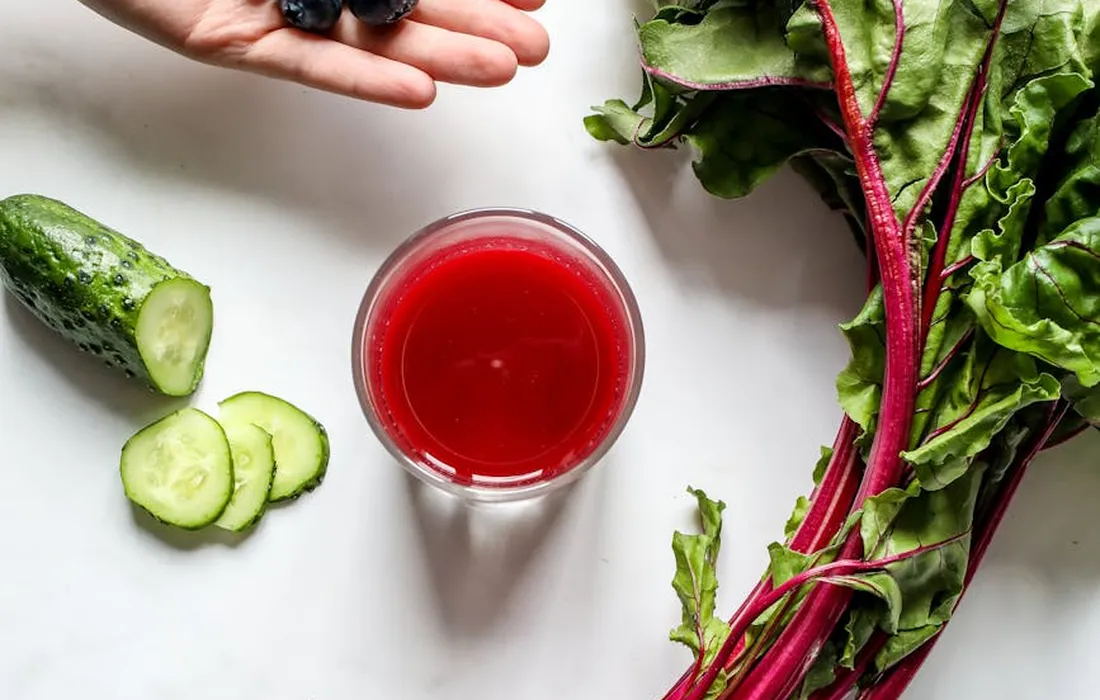
Once you’ve got a few beets from the garden or the market, a little prep makes all the difference for your birds. I’ve found a simple routine keeps things safe and lets every hen get her fair share.
Step-by-Step Preparation
- Wash Thoroughly: Scrub those roots under cool running water to remove any dirt, grit, or residual soil. We don’t want grit in the grit, if you catch my meaning.
- Remove the Greens: Twist off the leafy tops. While chard and beet greens are fine in moderation, the root is our focus here. You can compost the tops or share a few sparingly.
- Chop or Grate: This is the key. A whole beet is a tough, slippery soccer ball to a chicken. For most hens, I chop them into chunks about the size of a blueberry or a grape. For younger chicks or bantams, I’ll pull out the box grater and make a pile of shreds. A sharp knife or a quick grate prevents frustration and ensures every bird, from the top hen to the timid pullet, can enjoy this treat.
Serving Methods to Keep Things Interesting
You’ve got options here, and I like to rotate them to stave off boredom in the coop.
- Scattered as Scratch: Toss those chopped bits right onto the run floor. This encourages natural foraging behavior and keeps them busy. It’s a wonderful distraction on long rainy afternoons.
- Mixed into a Wet Mash: On colder mornings, I’ll stir my grated beets into their layer feed with a splash of warm water or broth. It makes a hearty, warm meal and gets the beet juice into every bite.
- Offered Whole for Pecking: For a major boredom buster, hang a whole, washed beet from a string or place it in a sturdy holder. They’ll peck and shred at it for hours, which is great for their beaks and their brains.
No matter your method, always start slow. Introduce any new food, beets included, over several days to allow their digestive systems to adjust without upset. A tablespoonful for the whole flock on the first day is plenty.
Getting the Amount Right: Safe Feeding Quantities
Beets are a supplement, not the main course. Their complete feed is what keeps them laying strong and staying healthy. Beet products, including beet greens and other beet byproducts, also appear in cattle feeding programs as sources of fiber and energy when used appropriately. Used wisely, they complement a complete ration and support herd performance.
My long-held rule is that treats, including vegetables like beets, should not make up more than 10% of their total daily food intake. For a typical backyard flock of five laying hens, a medium beet, chopped, is a generous treat a couple times a week.
- Visual Cue: Think of a loose handful of chopped beet per three standard-sized birds.
- For Bantams & Silkies: Halve that amount. Their tiny systems are efficient but can be overwhelmed easily.
- For Large Fowl & Roosters: You can be a bit more liberal, but still stick to the handful rule. Observe their droppings-if things get loose, scale back.
Frequency matters more than a single large dose. Offering beets two or three times a week provides variety without risking nutritional imbalance from overconsumption. I like to make Tuesday and Saturday my “treat days” to keep a simple rhythm.
Raw Beets vs. Cooked Beets for Chicken Digestion
You might wonder if cooking is necessary. From my experience, both have their place in the barnyard.
Raw beets are my usual go-to. They provide maximum enrichment, require more pecking and work, and help keep beaks in good trim. The crunch is satisfying. Chopping them finely mitigates most digestibility concerns for healthy, active birds.
Cooked beets have their own advantages. Steaming or boiling until just tender softens the cellulose, making the sugars and nutrients a bit easier to access. Light cooking can slightly reduce oxalate levels, which is a consideration if you’re feeding beets very frequently to birds prone to kidney issues. The trade-off is some loss of heat-sensitive vitamins, like vitamin C.
I save cooked beets for my older girls, like my arthritic heritage hen, Mabel. The softer texture is easier for her to eat, and she seems to relish the sweetness. For a vigorous, young flock, I prefer raw, finely chopped. A mix of both methods is perfectly fine, too. Just avoid adding any salt, butter, or seasonings during cooking-plain is perfect for poultry.
Understanding Sugar Beets: A Special Consideration for Poultry
Now, let’s chat about sugar beets, a root that demands respect in the chicken yard. First off, you need to know that sugar beets and the red beets from your garden patch are as different as a workhorse and a pony. I’ve grown both for decades, and while they’re kin, their purpose and makeup set them apart clear as day.
Your common table beet is bred for eating, with a earthy-sweet flavor and that vibrant color. A sugar beet, on the other hand, is a pale, tough root bred specifically for its incredibly high sucrose content, often hovering near 20% compared to a table beet’s 5-10%. They’re the raw material for sugar factories, not your supper plate.
Feeding with Care: The Sugar Spike
That concentrated sugar changes everything about how you offer it. You must practice even stricter moderation with sugar beets than with garden varieties to prevent digestive upset and unhealthy weight gain in your flock. I reckon a too-liberal hand with these is like giving candy to toddlers-it spoils their appetite for proper feed and can cause problems.
Making Those Tough Roots Tender
A raw sugar beet is mighty hard for a hen to peck through. Proper preparation isn’t just helpful; it’s essential to make the nutrients accessible and prevent waste. Here’s how I get them ready for my birds:
- Shredding: I run them through a coarse grater or a feed shredder. This creates perfect, bite-sized strands the girls can gobble up.
- Cooking: Boiling or steaming softens the cellular structure, much like a potato. Always let them cool to room temperature before serving, and remember, cooking concentrates the sweetness, so adjust portions down.
- Fermenting: For a probiotic boost, you can shred and ferment them in water for a few days. This pre-digests the fibers, making it easier on their systems.
The Best Job for a Sugar Beet: Winter Fuel
Given their nature, sugar beets find their best use as a occasional, high-energy supplement. I view them primarily as a cold-weather treat to help birds generate body heat, not a year-round menu item. A small handful of shredded beet per bird, offered no more than once a week in the deep winter, is my rule of thumb. It’s a special boost, not a replacement for their balanced ration.
Risks and Moderation: Keeping Your Chickens Healthy

Y’all, I’ve watched my hens go plumb crazy for a pile of grated beets, but a responsible keeper knows treats need limits. Feeding with a mindful hand prevents problems and keeps your flock thriving for years to come.
-
Oxalates in beets can impact kidney function if fed in extreme excess over time. These natural compounds bind with minerals like calcium. In my barnyard, I limit beet treats to avoid any slow build-up that might strain their systems, much like I wouldn’t eat rhubarb leaves from the garden.
-
The sugar content, particularly in sugar beets, is a direct link to obesity and unbalanced nutrition. Sugar beets are mighty sweet, and that’s a lot of empty calories for a bird. I reckon it’s like giving a child soda instead of milk-it fills ’em up without giving ’em what they really need.
-
You must reinforce the concept of beets as a supplement, never a replacement, for a complete commercial or home-mixed feed. That balanced ration is the backbone of their health. A good rule from my coop is to let treats like beets make up no more than 10% of their daily intake.
Do Beets Change Egg Yolk or Dropping Color?
This question comes up regular as clockwork when folks start feeding garden roots. Let me give you the plain truth so you don’t fret.
-
Egg yolk color sees minimal to no effect from feeding beets. The pigments in beets simply don’t transfer to the yolk the way pigments from greens or flowers do. Your baskets will still hold eggs with the same beautiful yellows and oranges.
-
Droppings can show a temporary red or pink hue after eating beets, which is perfectly normal. I’ve seen it dozens of times and it always gives new keepers a start. This colorful surprise is just the beet pigment passing through and is no sign of illness when the birds are otherwise perky and eating well.
Feeding Beets to Other Barnyard Animals: Pigs, Cows, and Geese
Now, just because we’re focused on chickens doesn’t mean your other critters have to miss out. It’s wise to know how each animal on your place handles beets, as their digestion and needs differ as much as their personalities. Here’s a quick rundown from my own barnyard experiences.
-
For pigs, think of beets as a robust bonus feed. My sows and barrows can consume a fair bit more volume than the hens, and they relish both the greens and the roots. To get the most from them, I often feed beets cooked or fermented. Beets and beet pulp are a safe and nutritious supplement for pigs. A bucket of fermented beet pulp softens up nicely and provides a welcome, probiotic-rich change to their diet.
-
For cows, sugar beets are a traditional ruminant energy source. You’ll most often find sugar beets fed as dried shreds or pressed slices, which fit perfectly into a cow’s complex digestive process. As ruminants, cows rely on a multi-chamber stomach where the rumen ferments feeds to meet their nutritional needs. Choosing beet products that fit these needs helps support steady energy and healthy digestion. I’ve mixed beet pulp with hay for my herd on cold days; it’s a thrifty way to add calories and keep them content.
-
For geese and ducks, the principles are close to chickens but demand more prep. Always chop or grate the beets finely for your waterfowl, as their bills aren’t made for breaking apart tough, round roots. My gaggle goes wild for a scatter of chopped beet greens and grated beet, which gives them a fine vitamin lift.
Thrifty Stewardship: Storing and Using Beets Year-Round
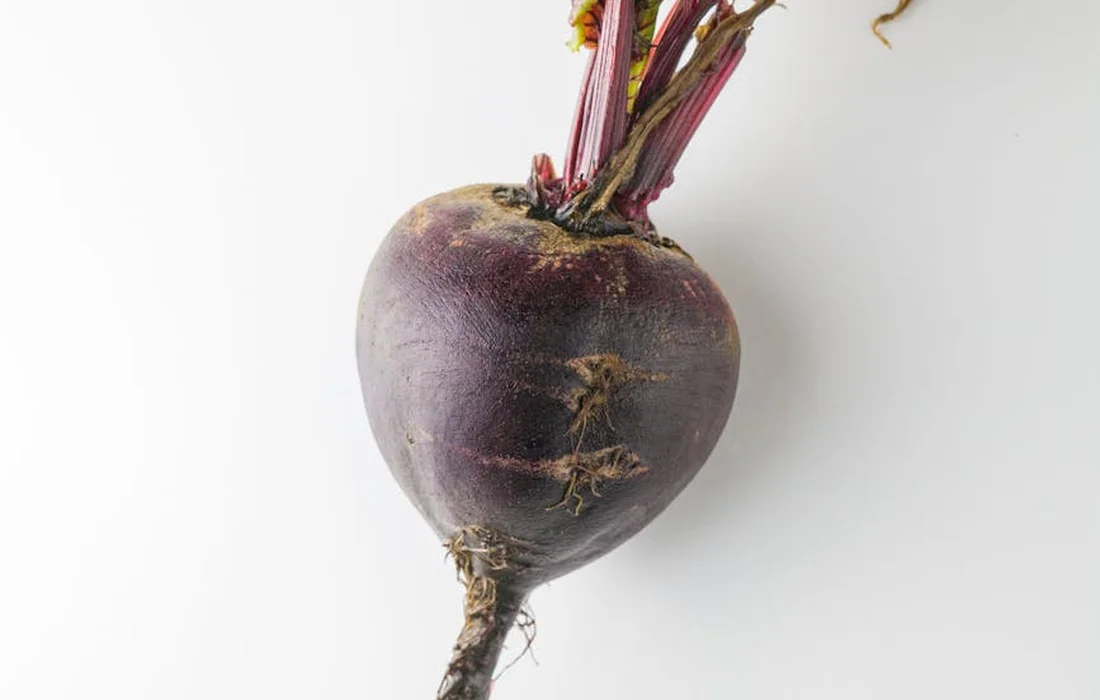
When that autumn harvest comes in heavy, a savvy homesteader looks at a bushel of beets and sees more than just supper-they see January’s chicken feed, waiting patiently. Proper storage turns a seasonal windfall into a year-round asset, cutting your feed bill and keeping your flock engaged even when the pasture sleeps. I’ve kept roots crisp through March and greens vibrant past frost by sticking to a few simple methods born from necessity right here on our farm.
Handling the Harvest: Cellars, Crispers, and Greens
For the roots themselves, think cool, dark, and damp-a good root cellar mimics the very soil they grew in. I’ve had the best success storing beets in wooden crates or buckets filled with slightly moist sand or sawdust, which keeps them from shriveling or rotting. Aim for a space right around 32°F to 40°F with high humidity, and check every few weeks for any soft spots. Don’t you dare toss those tops! Beet greens are a powerhouse of vitamins for your birds.
- Root Cellar Basics: Trim the tops to about an inch above the root to prevent moisture loss. Never wash them before storage; just brush off loose soil. Layer the roots in your damp medium so they aren’t touching.
- Blanching & Freezing Greens: For a glut of greens, a quick blanch is your friend. Dunk them in boiling water for two minutes, then straight into ice water. Drain, pack into freezer bags, and you’ve preserved their nutrition for a warm mash on a cold day.
Fermenting: Your Winter Probiotic Powerhouse
Beyond the feed bucket, fermentation is a game-changer for flock health. Turning beet chunks, peels, or pulp into a tangy, fermented treat introduces beneficial bacteria to your chickens’ guts, aiding digestion and boosting their immune system during stressful winter months. I always keep a crock going in the barn come November-the birds line up for it. For a simple, step-by-step guide to prepping fermented feed, look for the upcoming fermentation benefits preparation guide. It covers timing, ratios, and safe storage to keep your flock thriving all winter.
- Chop your beet scraps into uniform pieces, about the size of a dime.
- Pack them tightly into a clean jar or fermentation crock.
- Create a brine with one tablespoon of non-iodized salt per quart of clean water. Pour it over the beets until they are completely submerged.
- Weight the beets down with a clean stone or glass weight to keep them under the brine. Cover the container with a cloth to keep dust out.
- Let it sit at room temperature for 5-7 days. You’ll see bubbles and smell a sour, pickled aroma when it’s ready. Start by offering a few spoonfuls mixed into their regular feed.
Planting a Purposeful Patch
The thriftiest path of all is to grow your own. Beets are a forgiving, dual-purpose crop that yields a kitchen staple for you and a valuable, homegrown supplement for your critters. I reckon we save a fair bit of money each year by dedicating a couple of rows to varieties like ‘Detroit Dark Red’ or ‘Cylindra,’ knowing nothing will go to waste.
- For You & The Flock: Harvest the younger, tender greens for your table and leave the mature ones for the chickens. The birds will gladly eat any smaller or misshapen roots you thin out.
- Simple Growing Tips: Plant seeds directly in well-worked soil as soon as it can be worked in spring. Thin seedlings to about 3 inches apart for good root development. They appreciate consistent moisture but aren’t fussy.
- Sustainable Cycle: After harvest, use the spent plants and trimmings as a base for your compost pile, which will later feed the soil for next year’s crop. It’s a beautiful, closed loop of stewardship.
Closing Tips for Your Flock
Can chickens eat beet greens?
Absolutely. Beet greens are a tender, vitamin-rich treat that chickens love. Other greens like kale, spinach, collards, and lettuce are also safe for chickens when offered in moderation. You can feed them raw straight from the garden, just rinse them off first.
Can chickens eat beet pulp?
Yes, dried beet pulp from sugar beet processing is safe and high in fiber. Always soak it in water before feeding to prevent choking and offer it only as a supplemental filler, not a main meal.
Can chickens eat cooked beets?
They can. Lightly steaming or boiling beets (without any salt or seasoning) softens them, which is helpful for older birds. Just ensure they are fully cooled before serving.
Can chickens eat pickled or canned beets?
No, you should avoid these. The high vinegar, salt, sugar, and preservatives in store-bought pickled or canned beets can seriously upset a chicken’s digestive system, especially when compared to pickles and other pickled foods that contain vinegar and salt.
Do beets change chicken egg color?
No, the pigments in beets do not transfer to the yolk. Your eggs’ yolk color will remain unaffected by feeding beets.
Do beets change chicken poop color?
Yes, temporarily. Don’t be alarmed if you see red or pink droppings; it’s just the beet pigment passing through their system harmlessly.
Shutting the Gate
At the end of the day, those beets from your garden are a fine addition to the pecking order, a splash of color and nutrition in the daily scratch. The true secret is seeing them for what they are: a hearty supplement and a wonderful treat, not a substitute for a balanced layer ration or a well-managed pasture. Your hens thrive on variety, but they rely on your good judgment.
I’m right grateful y’all stopped by the virtual fence line to chat about this. There’s a deep satisfaction in taking what you’ve grown and sharing it with your flock. Trust your eyes, watch your birds, and enjoy the simple joy of a happy hen hustling across the yard with a beet top in her beak. Here’s to your garden bounty and your feathered flock. Take care of yourselves out there.
Further Reading & Sources
- Beets | BackYard Chickens – Learn How to Raise Chickens
- Can Chickens Eat Beets? Benefits and Precautions
- Growing Root Vegetables for your Chickens – Grit
Caroline Mae Turner is a lifelong farm girl raised on red clay, early mornings, and the sounds of a bustling barnyard. With hands-on experience caring for everything from stubborn goats to gentle dairy cows and mischievous pigs, Caroline shares practical, tried-and-true advice straight from the farm. Her goal is to help folks keep their animals healthy, well-fed, and living their best barnyard life. Whether you're wrangling chickens or bottle-feeding a baby goat, Caroline brings a warm Southern touch and plenty of real-world know-how to every bucket in the barn.
Feeding Guidelines