What Do Geese Eat? Your Complete Guide to a Healthy Flock Diet
Published on: June 8, 2026 | Last Updated: June 8, 2026
Written By: Caroline Mae Turner
Welcome back to the barn. If you’re puzzling over your gaggle’s grub, the straight talk is this: Geese are champion grazers built for pasture, but a balanced diet of fresh greens, grain, and clean water keeps them hearty and healthy.
What you’ll need:
- Access to a grassy pasture or lawn
- A basic poultry or waterfowl grain ration
- A reliable, clean water source
- Five minutes daily for a feed check
I’ve fed many a flock on my place, and I promise we’ll sort this feed question out quick so you can mosey on to your next chore.
The Natural Diet: What Wild Geese Eat
If you’ve ever watched a gaggle of Canadas working a field or a pond’s edge, you’ve seen master foragers in action. Their day is a slow, deliberate walk punctuated by enthusiastic grazing. Understanding this wild menu is the single best thing you can do to raise healthier, more content domestic geese.
Their primary obsession is tender, young grass. They’ll nip it off clean, almost like a living lawnmower with a discerning palate. In and around water, they tip up to pull succulent submerged vegetation and skim the surface for protein-rich duckweed. Sedges, rushes, and the roots of aquatic plants are all fair game. While they can nibble on grass and grass seeds, it’s essential to monitor the lawn. Come harvest season, they’ll gladly glean fallen wheat, oats, or corn from harvested fields.
This wild diet is high in roughage, varied, and changes with the seasons. It teaches us that a goose’s digestive system is built for processing vast amounts of fibrous greenery, not dense concentrates. Their “core” isn’t a bag of feed; it’s a pasture. Everything we provide for our homestead flocks should support that natural design.
Feeding Your Flock: The Core Diet for Domestic Geese
Feeding your geese right isn’t complicated, but it does require a shift from how we often feed chickens. Think of their diet resting on three sturdy pillars: fresh greens, sensible grains, and vetted kitchen scraps. Getting this balance right means less feed bill for you and more vibrant health for your birds. Knowing what to feed your geese is crucial in achieving this balance.
Leafy Greens and Garden Bounty
This is the cornerstone, making up the bulk of what they should consume daily. My flock’s eyes light up when I come from the garden with thinnings or spent plants.
- Kale & Swiss Chard: Nutrient powerhouses they devour.
- Lettuce (especially romaine): A hydrating, leafy treat.
- Beet tops and carrot greens: Don’t toss ’em, share ’em.
- Lawn Grasses: The simplest, cheapest feed. A secure, rotated pasture is best.
I often chop larger leaves for goslings or mix varieties into a “salad” to encourage eating. Controlled pasture access is the ultimate goal, letting them harvest their own greens just as nature intended.
Grains and Seeds for Sustained Energy
Grains are the fuel supplement, not the main engine. I offer them in the evening to ensure the birds go to bed with full crops, especially in colder weather when fresh forage is sparse.
- Cracked Corn: A great winter energy source, but use sparingly in heat.
- Oats (whole or rolled): Excellent fiber, less heating than corn.
- Wheat & Barley: Good all-around grains for maintenance.
- Peas (field or whole): A wonderful protein bump, perfect for breeders before laying season.
A handful per bird per day is usually ample. If your geese have good pasture, grains are a treat, not a necessity. I reckon an over-reliance on grain leads to fat geese and poor foraging instinct, which can be harmful to their health.
Smart Use of Kitchen Scraps
Scraps are a fine way to reduce waste and add variety, but you must be the gatekeeper. If you wouldn’t eat it plain, don’t give it to your geese.
- Vegetable peels & ends (potato peels are fine cooked).
- Apple cores, melon rinds, and berry hulls.
- Cooked plain beans, rice, or quinoa.
- Crushed eggshells (baked first) for extra calcium for laying hens.
The absolute rule is to avoid anything processed, salty, sugary, or moldy. No bread, no chips, no leftover casserole. That stuff does more harm than good, messing up their delicate digestive balance.
Nutritional Needs: Building Blocks for Goose Health
Feedin’ geese right ain’t just about fillin’ a trough. It’s about knowin’ what their bodies are buildin’ at that very moment. Think of it like this: you wouldn’t give a growin’ teenager the same plate as a grandparent, would you? Their needs are different. Your flock’s diet must shift with their life stage and purpose, whether that’s rapid gosling growth, sturdy maintenance, or prolific egg production.
The Big Three: Protein, Calcium, and Vitamins
Let’s break down the pillars of a goose’s dinner plate.
Protein: The Muscle and Feather Maker
Protein is the builder. It’s for muscles, feathers, and overall growth. A gosling on poor protein will look stunted and ragged, and I’ve seen it happen with a neighbor’s batch fed only lawn clippings. Goslings require a hefty dose of protein to fuel their incredible growth from fluffy yellow to full-sized fowl in just a few months. Adults, especially those not breeding, need far less to simply maintain their impressive frames.
Calcium: For Strong Bones and Pristine Eggshells
While geese are hardier layers than chickens, a laying goose pulls calcium directly from her reserves to form those tough, porcelain-like shells. Without enough, she’ll pull it from her own bones, weakening herself. Free-choice calcium, like oyster shell, is a non-negotiable safeguard for your laying hens’ long-term health and skeletal strength.
Vitamins: The Invisible Spark Plugs
These come easy to a goose with access to good greens and sunshine. Vitamins A, D, and E are crucial for vision, strong bones, and a robust immune system. A vibrant, varied pasture does most of this work for you, turning sunlight and greenery into the essential vitamins your flock needs to thrive.
| Life Stage | Recommended Protein % | Primary Focus |
|---|---|---|
| Goslings (0-8 weeks) | 18-20% | Explosive growth, feather development |
| Growers (8 weeks to maturity) | 14-16% | Steady development, filling out frame |
| Maintenance Adults (Non-breeding) | 12-14% | Weight upkeep, general health |
| Breeders & Active Layers | 15-16% | Egg production, fertility, stamina |
Detail Natural Sources: Work With Nature’s Pantry
You don’t always need a bag from the feed store to meet these needs. Nature provides splendidly if you know where to look.
- For Protein: Field peas and chopped garden beans are fantastic boosts. I often toss a handful of black oil sunflower seeds into their scratch; the protein and fat are perfect for winter conditioning.
- For Calcium: Always keep a separate dish of crushed oyster shell available. They’ll take what they need, when they need it. Clean, crushed eggshells from your kitchen work too, baked to dry them out.
- For Vitamins: This is the easiest. Dark leafy greens like kale, chard, and even the weeds they adore-dandelion, chickweed, and plantain-are vitamin powerhouses. A goose on a rich pasture is supplementing its own diet better than we ever could from a bag.
Life Stage Feeding: From Goslings to Mature Geese
Just like you wouldn’t feed a newborn calf the same hay as a milk cow, a goose’s diet must evolve with its age and purpose. Getting the nutrition right at each phase is the single biggest factor in raising robust, productive birds that thrive for years. We’ll walk through the four key stages: those delicate Goslings, the gangly Growers, maintenance-ready Adults, and hard-working Breeding stock.
Gosling Care: The Critical First Weeks
Those first fluffy days are all about building a strong foundation. I keep my goslings on a high-quality starter crumble with 20-22% protein for their first six weeks of life-this non-negotiable protein level fuels their incredible growth spurt and proper organ development.
Fresh, clean water is paramount, but I always use shallow bowls with rocks in them to prevent tragic drownings. By day three or four, I introduce their first tastes of green. Finely chopped tender grass, chickweed, or dandelion greens get them imprinted on the goodness of pasture. For a protein-packed treat that mimics what a mama goose might regurgitate, I offer them finely chopped hard-boiled egg once or twice a week.
Here’s my gosling starter checklist:
- Feed: 20-22% protein medicated or unmedicated starter crumble, freely available.
- Greens: Introduce finely chopped at 3-5 days old. Romaine lettuce or soft grass works wonders.
- Treats: Hard-boiled egg, a sprinkle of brewer’s yeast for vitamins.
- Absolute No-Nos: No bread, no cracked corn, no access to deep water dishes.
Feeding Breeding and Laying Geese
When your geese shift from lawn ornaments to farm partners, their diet must shift too. A breeding goose, especially a laying female, is an athlete. I increase their protein intake to about 16-18% a good month before I expect the first egg, switching them to a quality layer or flock raiser ration.
The real game-changer is calcium. While the layer feed contains some, I provide a separate side dish of crushed oyster shell. This lets the hen self-regulate her calcium intake for strong eggshells, saving her from depleting the minerals in her own bones. I’ve seen the difference it makes in shell quality and a hen’s post-laying vitality.
For geese breeding in colder climates, they need extra calories just to stay warm. I add a hearty evening scratch of whole oats or black oil sunflower seeds. This energy-dense snack helps them maintain body condition through frosty nights, ensuring they have reserves for egg production come morning. In winter, wild Canadian geese rely on a calorie-dense winter diet to weather the cold months. Understanding that pattern helps us support them. It’s a simple, thrifty act of stewardship that pays off in a healthy, reliable flock.
Foods to Avoid: Toxic and Problematic Items
Now, let’s have a frank chat about the pantry items and garden scraps that don’t belong anywhere near your goose’s beak. I’ve seen well-meaning folks cause real harm by offering “treats” they didn’t know were dangerous. Good stewardship means knowing what to withhold as much as knowing what to provide.
Absolutely Toxic: The No-Go List
Some foods are outright poison to waterfowl. Keep this short list posted on your refrigerator:
- Avocado: Every part-skin, pit, and flesh-contains persin, a toxin that can cause rapid heart failure. I learned this the hard way years ago when a neighbor’s gander got into some guacamole scraps.
- Chocolate & Caffeine: The theobromine and caffeine in these are highly toxic to most animals, geese included, affecting their heart and nervous system.
- Onions & Garlic: In large quantities, these can cause anemia by destroying red blood cells due to their thiosulfate content. A tiny bit in cooked scraps likely won’t hurt, but I never risk it.
- Nightshade Plants: This includes the leaves and vines of tomatoes, potatoes, and eggplants. The green parts contain solanine. The ripe tomato fruit itself is fine, but never the plant.
- Dried or Uncooked Beans: They contain hemagglutinin, which is poisonous to birds. Always cook beans thoroughly if you ever share them.
The Problem with Common “Treats”
This is where I get on my soapbox, because I’ve spent years rehabilitating birds with a preventable condition called angel wing. Feeding bread, crackers, or chips to geese is an act of malnutrition, not kindness. These foods are pure empty carbs, like feeding a child nothing but candy.
They fill the goose’s crop but provide none of the protein, vitamins, or minerals needed for proper bone and feather development. This nutritional deficit can cause the carpal joint in the wing to twist, rendering the wing useless. A goose with angel wing cannot fly, making it vulnerable and stripping it of a core part of its nature.
Moldy or Spoiled Kitchen Scraps
Your geese have tough constitutions, but mycotoxins from mold are a different beast. Mold on bread, nuts, or leftover grains can cause aspergillosis (a fatal respiratory fungus) or liver damage. If you wouldn’t feel safe eating it yourself, don’t slide it into the scrap bucket for the flock. When in doubt, throw it out-or better yet, add it to your hot compost pile where it can break down safely.
Other Problematic Items
- Salty Foods: Geese can’t process excess salt. Avoid feeding them processed snacks, salted nuts, or cured meats.
- Very Fatty or Greasy Foods: These can cause digestive upset and don’t align with their natural diet.
- Fruit Pits & Apple Seeds: While the fruit flesh is great, pits from cherries, plums, and peaches contain cyanide compounds, and apple seeds contain trace amounts. It’s best to remove them.
Stick to the good, clean stuff you know is right, and your geese will thrive for years on end. A thrifty, mindful approach to their diet is the cornerstone of keeping any backyard flock robust and healthy.
Practical Feeding: Amounts, Schedules, and Seasons
Feeding geese ain’t about filling a bowl to the brim. It’s about balance and observation. For a standard goose on decent pasture, a scant handful of whole grains-like oats or wheat-per bird each day is plenty as a supplement. Their main job is to graze, so your primary role is to provide them the space and security to do it.
Confined birds need a more managed approach with constant access to greens and about a half-cup of balanced pellet per goose daily. My free-rangers might only get that cup of grain tossed in the late afternoon, purely to bring ’em home and keep ’em tame.
Their diet must dance with the seasons. Spring and summer offer a lush buffet, letting you cut back on grains. Come fall and winter, when the grass sleeps and bugs are scarce, you’ll lean harder on your stored grains and roughage to keep the flock fueled.
Creating a Daily Feeding Routine
A simple rhythm makes for happy geese and a simpler life for you. I’ve followed this three-step pattern for years.
- Morning Check: First light is for fresh, clean water and a visual scan of their grazing area. If they’re penned, I offer a flake of alfalfa or fresh clipped greens.
- Afternoon Scatter: Mid to late afternoon, I take that handful of grain per bird and scatter it wide on the ground. This encourages natural foraging behavior and gives ’em a reason to wander back toward the coop.
- Evening Assessment: At dusk, I take a slow walk. Are there piles of grain left? That means I’m overfeeding. Is the pasture clipped dirt-close? Time to move them or supplement more. This quiet minute of observation is your best tool for getting the amounts just right.
Seasonal Diet Adjustments
Working with the seasons saves money and aligns with nature’s intentions for your flock. Here’s what my calendar looks like.
- Spring: This is salad season! The geese feast on tender clover, young grasses, and dandelion greens. Grain is barely a sprinkle, just for taming.
- Summer: Pasture remains the staple. I often toss them garden trimmings-cucumber ends, lettuce bolters. If you have a pond, duckweed is a protein-packed delicacy they’ll adore.
- Fall: As grass growth slows, I increase grain to about that full handful per bird. This is when I let them into the harvested garden to clean up leftover corn stalks, squash vines, and any missed root vegetables.
- Winter: The diet shifts to stored foods: more grain, good-quality hay for nibbling, and hardy vegetables like chopped carrots or beets. Winter feeding is where your stewardship shows, ensuring they enter breeding season in robust condition.
The Role of Grit and Digestive Health
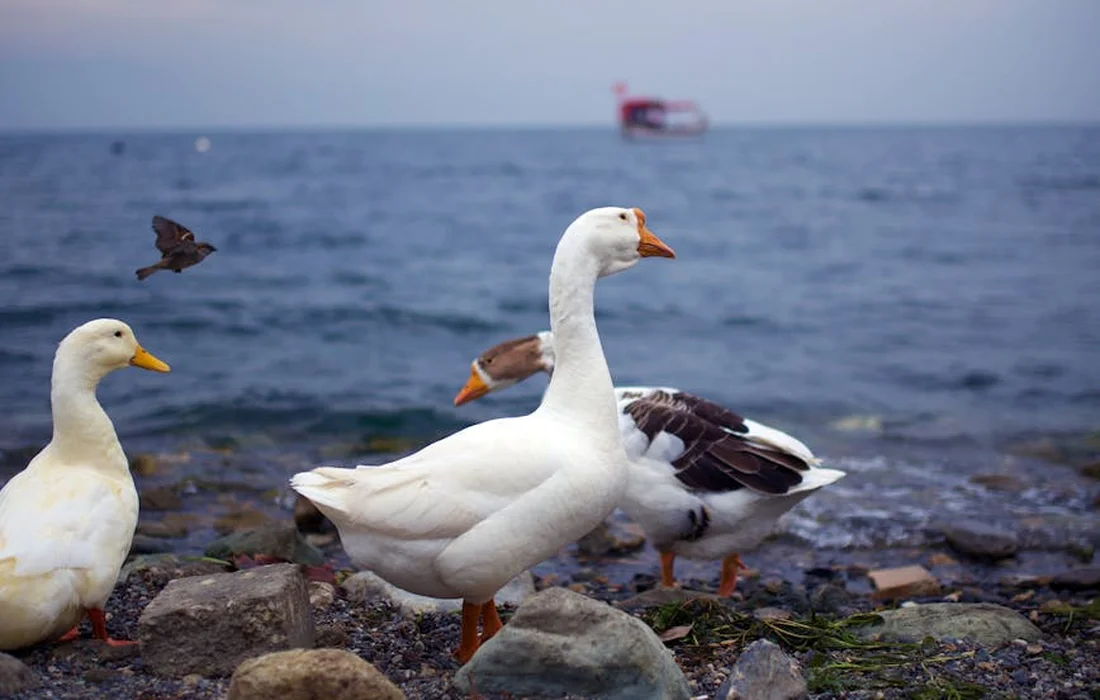
Y’all, a goose’s dinner isn’t done when it hits the beak. What happens next in that unique digestive tract makes all the difference. Geese lack teeth, so they depend on a muscular pouch called the gizzard to physically pulverize their food, and that’s where grit becomes non-negotiable. These small, hard particles act as internal grindstones, turning tough stems and whole grains into a digestible mush.
I learned this lesson early when my flock seemed lackluster despite plenty of pasture. The culprit was an empty grit feeder. Providing grit free-choice is as fundamental as offering fresh water, ensuring your birds can efficiently process every bite they take. You’ll want to offer it in a separate, sturdy container that’s always accessible.
- Coarse Sand or Chick Grit: Clean, coarse builder’s sand or a commercial insoluble granite grit works perfectly. I often use a mix from a trusted feed store.
- How to Offer: Simply keep a hopper or pan filled in their run or shelter. They’ll take what they need, and you’ll replenish it every few weeks.
Beyond grit, consider fermenting your grains-an old barnyard practice that supercharges nutrition. Soaking whole grains like wheat or oats in water for a day or two lets beneficial bacteria pre-digest the feed. Fermentation breaks down phytic acid, increases B vitamins, and makes minerals more bioavailable, which means your geese get more fuel from the same amount of feed. I’ve seen it add a noticeable bloom to feathers and improve flock energy, especially in winter. Start with a small batch in a glass jar to see how your birds thrive, especially when combined with proper vitamins and minerals.
Common Feeding Mistakes and Stewardship Tips
We’ve all been there, figuring things out as we go. I’ve made my share of blunders in the barnyard, and feeding geese is no exception. Learning from these common slips will save you money and keep your gaggle in top condition for years to come.
Frequent Errors to Sidestep
Avoid these pitfalls I’ve stumbled into myself. Your geese and your wallet will thank you.
- Over-Reliance on Grain or Layer Feed: It’s easy to just toss out a scoop of corn or chicken feed and call it a day. Geese aren’t chickens. Too much grain leads to fat, lazy geese and can cause angel wing in developing goslings. Their main dish should always be good pasture.
- Forgetting the Grit: These birds don’t have teeth! If you offer them any whole grains or pellets, they need insoluble grit in their gizzard to grind it up. A simple pan of coarse sand or small pebbles available free-choice is non-negotiable.
- Feeding Inappropriate Kitchen Scraps: Not all scraps are created equal. I learned the hard way that salty, sugary, or heavily processed foods can upset their delicate systems. Moldy bread or spoiled produce is a firm no.
- Assuming All Greens Are Safe: While they are superb foragers, some common garden plants are toxic. Always double-check before tossing garden trimmings over the fence.
- Neglecting Fresh Water with Their Meals: Geese need water to swallow their food properly. A dry feeder far from their waterer is a recipe for trouble.
| Common Scrap | Verdict | Why |
|---|---|---|
| Lettuce, Kale, Spinach | Excellent | Great greens, loved by all. |
| Bread, Crackers, Chips | Avoid | Empty calories, can cause malnutrition. |
| Potato Peels (Raw) | Avoid | Contain solanine, which is harmful. |
| Citrus Rinds | Avoid | Too acidic, can cause digestive upset. |
| Apple Cores, Berry Hulls | Good (in moderation) | Sweet treats they’ll enjoy. |
Practical Steps for Sustainable Feeding
Good stewardship is about working smarter, not harder, and building a system that cares for the land and the animals upon it.
- Master Pasture Rotation: Don’t let them turn their run into a mud pit. Use temporary fencing to section off fresh grass. Move them every few days to a new patch. This controls parasites, gives grazed areas time to recover, and ensures a constant supply of their favorite food-for free.
- Grow Your Own Greens: Thriftiness is a virtue. Dedicate a small garden row or even a kiddie pool to fast-growing greens like kale, Swiss chard, or perennial comfrey. Cut-and-come-again plants provide a relentless supply of fresh fodder with minimal effort from you.
- Monitor Body Condition Religiously: Get hands-on with your birds. A healthy goose should feel solid, not bony and not soft like a stuffed pillow. Run your hand along their breastbone (keel). You should feel it with a nice padding of muscle over it. Adjust feed rations with the seasons-more calories in bitter winter, less when lush spring grass is abundant.
- Let the Geese Guide You: They are your best teachers. If they’re leaving their supplemental feed to go graze, you know the pasture is good. If they’re frantically cleaning out the feeder, it’s time to move them to fresh grass or offer more greens. Watch their behavior, their droppings, and the sheen on their feathers.
- Store Feed Like a Pro: Invest in metal trash cans with tight-sealing lids. This keeps feed dry, safe from rodents, and prevents waste. I lost a whole bag of pellets to a raccoon once, and I don’t aim to repeat that lesson.
Remember, a well-fed goose is a productive and contented creature. The goal is a balanced, thoughtful approach where observation and a little pre-planning replace guesswork and waste. It’s about building a rhythm with your land and your flock. My old gander, Gus, tells me everything I need to know if I just take a moment to watch him. Yours will do the same for you.
## Closing Questions on Goose Care
How much should you feed a goose?
For a goose on good pasture, a scant handful of grain per bird daily is a sufficient supplement. If they are confined, they need constant access to greens and about a half-cup of balanced feed, but always monitor their body condition and adjust.
Can geese eat bread?
No, feeding bread is strongly discouraged. It offers empty calories, contributes to malnutrition, and is a primary cause of the developmental disorder angel wing in growing waterfowl.
What is the role of grit in a goose’s diet?
Grit acts as essential internal grindstones in a goose’s gizzard, as they lack teeth. Providing insoluble grit like coarse sand or granite free-choice is crucial for them to properly digest fibrous greens and whole grains.
How does a goose’s diet change with the seasons?
In spring and summer, lush pasture should be the majority of their diet with minimal grain. In fall and winter, you must supplement heavily with grains, hay, and hardy vegetables to replace the missing fresh forage.
What should you feed domestic geese?
The core diet is ample fresh pasture or greens, supplemented with a small amount of sensible grains like oats or wheat. This should be occasionally varied with safe kitchen scraps like vegetable peels and fruit cores.
How to provide a balanced diet for geese?
Balance is achieved by focusing on pasture as the main component, providing a protein-appropriate grain supplement, and ensuring free-choice access to both grit and (for layers) a calcium source like oyster shell.
Shutting the Gate
When all’s said and done, feeding a goose is less about a complicated recipe and more about honoring what it is: a magnificent, feathered mower with a hearty appetite for simple greens. In many residential areas, that appetite shows up on lawns and gardens. Are geese eating your yard? The single most important thing you can do for your goose’s health and your feed bill is to provide it with abundant, safe pasture or fresh forage every single day. A beak kept busy on grass is a beak that won’t develop picky habits or nutritional deficiencies.
I thank you for spending this time with me, and I hope you step out to your paddock with a fresh bit of confidence. There are few sights more satisfying than a flock of contented geese, heads down in the clover, doing exactly what they were meant to do. May your goslings grow strong, your honkers stay hearty, and your simple joys be plentiful. I’m always right next door if you need me. Now, get on out there and enjoy your birds.
Further Reading & Sources
- What Do Geese Eat? A Guide to Feeding Geese
- Daily Diet, Treats And Supplements For Geese – The Open Sanctuary Project
- What Do Geese Eat in the Wild: A Complete Guide to Their Diet – Dive Bomb Industries
Caroline Mae Turner is a lifelong farm girl raised on red clay, early mornings, and the sounds of a bustling barnyard. With hands-on experience caring for everything from stubborn goats to gentle dairy cows and mischievous pigs, Caroline shares practical, tried-and-true advice straight from the farm. Her goal is to help folks keep their animals healthy, well-fed, and living their best barnyard life. Whether you're wrangling chickens or bottle-feeding a baby goat, Caroline brings a warm Southern touch and plenty of real-world know-how to every bucket in the barn.
Diet Requirements