
Can Chickens Eat Cucumbers? A Quick Guide to Safe Snacking
Published on: June 17, 2026 | Last Updated: June 17, 2026
Written By: Caroline Mae Turner
Howdy y’all, welcome back to the barn. You can absolutely share those extra garden cucumbers with your flock-they’re a safe, hydrating treat your hens will gobble right up. I reckon every homesteader has stood at the sink with a pile of peelings and wondered what to do with them, trying to avoid waste.
What you’ll need:
- Your leftover cucumbers, peels, or ends.
- A knife for chopping (for larger birds).
- Your eager flock at the ready.
Let’s get this sorted quick so you can get back to the rest of your chores.
The Short Answer: Are Cucumbers Safe for Chickens?
Yes, indeed! Your chickens can absolutely eat cucumbers. This crisp, green vegetable is not only safe for your flock but is a genuinely beneficial treat when offered correctly, just like other leafy greens such as kale, spinach, collards, and lettuce. I’ve been tossing cucumber ends and slices to my birds for years and have watched them scramble for this cool snack on hot afternoons.
Treats like cucumbers should be viewed as the delightful supplement to a main course, not the meal itself. A good rule of thumb I follow is the 90/10 rule: ninety percent of their diet should be their complete layer or grower feed, with no more than ten percent coming from treats and scraps. That balanced feed is formulated to give them every nutrient they need, so cucumbers are the tasty bonus on top.
Safety comes down to a few simple, common-sense practices. Always offer cucumbers in moderation, ensure they are fresh (never moldy or slimy), and for larger pieces, a rough chop can prevent any squabbling or potential choking hazards. It’s that straightforward.
Why Cucumbers Are a Healthy Treat for Your Flock
Cucumbers pack a surprising nutritional punch for something that’s mostly water. Their high moisture content is a brilliant source of hydration, especially during summer heat waves when your girls might not be drinking enough. The fiber in the flesh and skin supports a healthy, moving digestive system, which is key for any productive bird.
Beyond water and fiber, cucumbers contain useful vitamins and minerals like Vitamin K for blood health, Vitamin C for immune support, and minerals like magnesium and potassium. Offering this kind of fresh, whole food supports their overall gut health and vitality in a way a bag of scratch grains simply cannot match. You’re not just filling them up; you’re nourishing them.
Here’s a quick look at how cucumbers stack up against other common yard treats:
| Treat | Key Benefit | Note |
|---|---|---|
| Cucumber | Extreme hydration, low calorie | Great summer coolant. |
| Watermelon | Hydration & Lycopene | High in sugar, offer sparingly. |
| Spinach Leaves | Iron & Vitamin A | Oxalates can block calcium if fed in huge amounts. |
| Apple Slices | Fiber & Vitamin C | Always remove seeds. |
Breaking Down the Benefits: Hydration and Nutrients
Let’s talk about that water content. A cucumber is roughly 95% water. On a scorching day, I’ve seen my hens panting in the shade, and a handful of chilled cucumber slices perks them up faster than anything. It’s a natural, refreshing electrolyte boost that encourages them to keep foraging and stay active.
As for nutrients, Vitamin K is a quiet superstar in cucumbers. This vitamin plays a crucial role in blood clotting and bone metabolism, helping your hens stay resilient after a minor pecking injury or while forming strong eggshells. It’s one of those behind-the-scenes nutrients that makes a real difference in their sturdiness.
Pair that with a bit of Vitamin C for immune function and minerals like magnesium, and you’ve got a treat that supports their body from the inside out. Feeding cucumbers is a simple act of stewardship that says you care about their well-being beyond just egg production. It’s good for the flock and deeply satisfying for the keeper, too.
Feeding Cucumber Skins, Peels, and Seeds: A Detailed Look
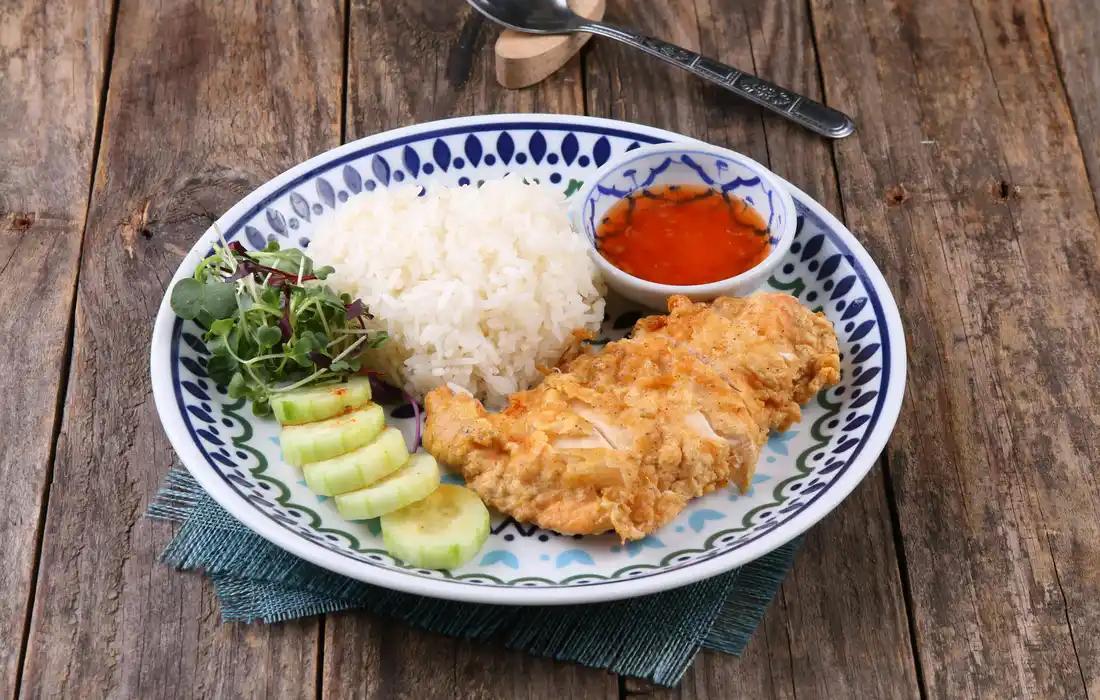
Let’s settle those questions rattlin’ around your henhouse. Yes, your chickens can eat cucumber skins and peels, and they make a mighty fine, coolin’ snack when the sun beats down on the run. I’ve been tossin’ these scraps to my flock for decades, and they always come runnin’. If you’re curious about carrot peels and other veggie scraps, our vegetable waste guide has the details.
You must always wash store-bought or garden cukes under cool, runnin’ water. A good scrub with a vegetable brush removes pesticide residue or dirt, makin’ every bit from the waxy skin to the inner peel safe for your birds. It’s a simple act of stewardship I never skip.
Those soft seeds in the center? They’re not a concern. Cucumber seeds are perfectly safe for mature chickens and present no choking hazard whatsoever; my girls digest them without a blink. It’s all part of the fruit’s good design.
Here’s my straightforward method for gettin’ cucumber scraps coop-ready:
- Wash the whole cucumber vigorously to eliminate any surface contaminants.
- Inspect the skins and peels closely, discarding any sections with mold or soft, spoiled spots.
- Chop the material into small, bite-sized pieces to minimize waste and help your hens eat with ease.
Preparing Skins and Peels: Your Action Plan
Follow these steps every time, and you’ll turn kitchen scraps into chicken joy. Consistency here protects your flock’s health and makes your job easier in the long run.
- Always wash cucumbers thoroughly under running water, just as you would for your family’s table.
- Inspect for any signs of spoilage or mold and discard affected parts without a second thought.
- Chop or slice into manageable pieces to prevent waste and ensure easy eating for every bird in the yard.
How to Feed Cucumbers to Chickens Correctly
Now, let’s get down to the practical how-to, straight from the coop side. Feeding cucumbers isn’t just about tossing scraps; it’s about offering a treat in a way that’s safe and fun for your birds. Carrots, too, can be a crunchy crowd-pleaser for ducks and chickens alike. I’ve learned a thing or two after watching my flock for many a season. We’ll cover how to feed them safely in the steps to come.
First things first, you always want to start with cucumbers that are fresh and washed. I make it a habit to give ’em a good rinse to remove any garden dirt or residue, because what you don’t want is your chickens ingesting something unpleasant. If I’m using store-bought, I might even give ’em a quick peel if the skin seems waxy, though my homegrown ones go out skins and all.
You’ve got to remember the golden rule of chicken treats: moderation. Cucumbers are a refreshing supplement, but they should never replace a balanced layer feed that provides the crucial 16-18% protein your hens need for egg production. I treat cucumbers like a Saturday special. For a standard backyard flock of six hens, I’d offer about half a medium cucumber, total, two times a week. That’s plenty.
There are a few methods I swear by, and each one adds a little something to the chickens’ day. Choosing the right method can turn snack time into enrichment, keeping your birds active and entertained.
- Hanging Whole: This is my favorite for a hot afternoon. Take a smaller cucumber, poke a hole through it, and run some baling twine through. Hang it just above head height in the run. It becomes a pecking toy, and watching them jump for it always brings a smile.
- Chopping into the Run: Simple and effective. I’ll chop cucumbers into rough chunks or thick slices and scatter them in the run. This encourages natural scratching and foraging. It’s a great way to spread the snack out so every bird, even the lower ones in the pecking order, gets a bite.
- Mixing with Feed: On scorching days, I’ll dice a cucumber up fine and mix a cupful into their regular crumbles. It creates a cool, moist mash that helps with hydration. Just be sure they eat it all in one sitting so the leftover wet feed doesn’t spoil in the heat.
Whenever you introduce a new food, like cucumbers, take it slow. Start with a small piece for the flock on the first day and observe their droppings and behavior for the next 24 hours. While true allergies are mighty rare in chickens, a sudden bunch of watery treats can cause loose droppings. I had a Barred Rock named Bertha who taught me that lesson years ago-she was a little too enthusiastic, and we had to scale back. A gentle introduction lets you see what agrees with your particular crew.
Potential Risks and How to Steer Clear of Trouble
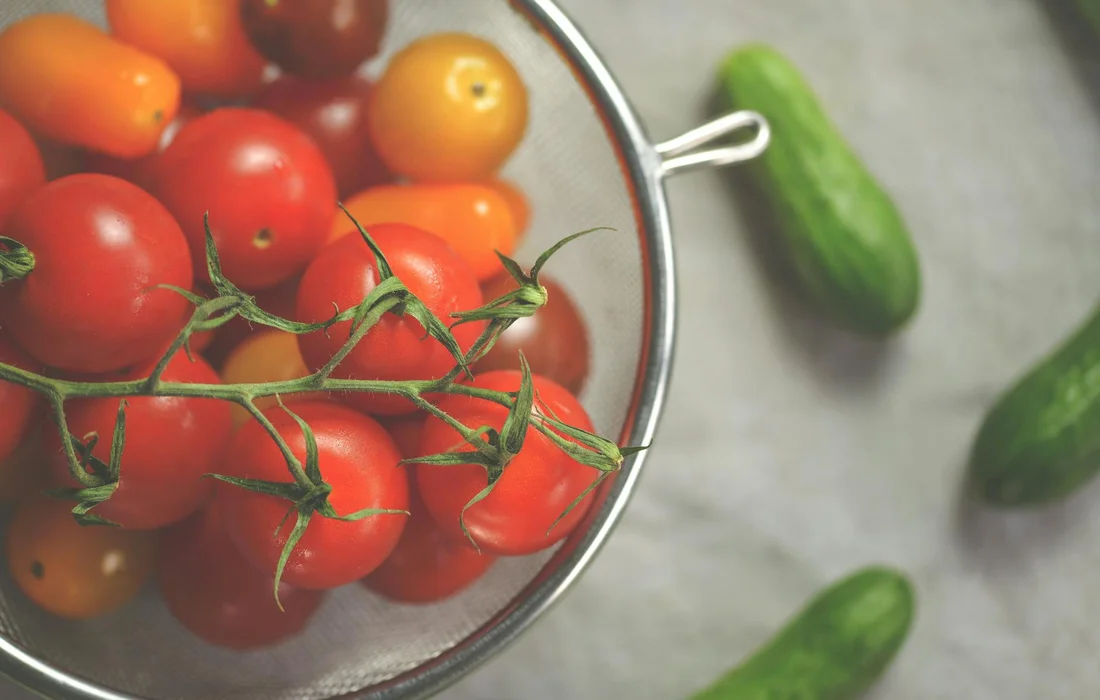
Now, I love sharing garden goods with my flock as much as the next homesteader, but we have to chat about the cautions. Even a harmless-seeming cucumber can cause a ruckus if you don’t mind a few simple rules.
From my time in the coop, I’ve seen three main hitches that can sneak up on you.
- Pesticide Residue: That shiny supermarket cucumber often carries a hidden load of chemicals. A chicken’s metabolism isn’t built for those synthetic sprays, and they can lead to internal irritation or worse.
- Mold from Spoilage: A bit of soft rot or fuzzy growth isn’t just ugly-it’s a factory for mycotoxins. These can upset a bird’s gut and respiratory system faster than you can say “scram.”
- Overfeeding Causing Nutritional Imbalance: Cucumbers are about 95% water. Letting birds gorge on them dilutes their intake of crucial nutrients from their complete feed, especially that 16-18% protein and 3.5-4% calcium laying hens require.
Steering clear of toxins is straightforward with a little prep. For store-bought cucumbers, I give them a soak in a vinegar-water solution (one part vinegar to four parts water) for ten minutes, then a firm scrub. Your best and thriftiest bet is to feed cukes from your own organic garden or a trusted local farm. I always plant a few extra vines just for the birds; it saves money and worry.
Handling spoilage is all about barnyard housekeeping. I learned this the hard way after a spoiled piece led to a week of off-colored eggs. Inspect every cucumber chunk for mush or mold, and never toss anything into the run you wouldn’t eat yourself. Clean up any uneaten treats within an hour to prevent fermentation or pest attraction.
Preventing nutritional imbalance is about respect for their main diet. Treats like cucumber should be just that-a treat. I limit cucumber feeds to a handful of slices per bird, two or three times a week, and only after they’ve pecked at their balanced ration. This keeps their core nutrition solid and prevents watery droppings.
You must watch your flock for signs of digestive upset. Look for lethargy, fluffed-up feathers, or unusually wet and runny droppings. At the first sign of trouble, remove all cucumber scraps and ensure they have plenty of fresh water and their regular feed. If symptoms last beyond a day or affect multiple birds, pick up the phone and get your veterinarian’s guidance. They’re your partner in keeping your critters healthy.
Cucumbers for Other Barnyard Animals: Geese, Pigs, and Cows
While our hens might be the most eager recipients of your garden surplus, they’re not the only critters in the barnyard who’ll appreciate a cool, crisp cucumber. The good news is, this veggie is a safe, hydrating treat for your larger livestock, too. The same core principles of stewardship apply across the board: offer it clean, prepared thoughtfully, and never as a replacement for their proper feed.
Geese: The Graceful Grazers
My gaggle of Pilgrim geese acts like a feathered lawnmower patrol, but they’ll break formation for a cucumber treat. They can eat cucumbers just like chickens do. I find they manage larger pieces better than chickens, but I still chop them into manageable chunks or halve them lengthwise. Their strong bills make quick work of the skin, so peeling is an unnecessary step you can skip for these hardy birds. A couple of slices per goose a few times a week is a splendid supplement, especially on hot afternoons.
Pigs: The Enthusiastic Omnivores
If you reckon chickens get excited over treats, wait until you offer a cucumber to a pig. They are delighted by the crunch and the moisture. For a full-grown hog, you can often feed small cucumbers whole or large ones simply chopped in half. Their powerful jaws and digestive systems handle the skins and seeds without a hiccup, making prep work wonderfully minimal. Just be sure anything you offer is fresh and hasn’t begun to ferment or spoil in their pen. For younger piglets, chopping into bite-sized pieces is a wise precaution.
Cows: The Gentle Ruminants
For your bovine friends, cucumbers are a safe and refreshing snack. Given their size, a whole cucumber is a small treat, but preparation is key for safety. Always chop cucumbers into sizable chunks or thick slices to prevent any risk of choking, which is a real concern with round, hard foods in cattle. I often toss a few chopped cukes into their trough mixed with their normal grain or scatter them in the pasture for a fun forage. A few pounds split amongst a small herd is a fine weekly treat that adds variety and extra water to their diet. Like cucumbers, celery and other safe vegetables can be offered in moderation to cattle as part of a varied diet. Always introduce any new greens gradually and monitor their digestion.
The Universal Rules of Thumb for All Livestock
- Wash It Well: Remove any dirt, pesticides, or field residues to protect your animal’s digestion.
- Chop for Safety: Tailor the size to the animal. What’s a chunk for a cow is a choking hazard for a chicken. A sharp garden knife or a quick pulse in a food processor works wonders for a mixed-flock treat day.
- Moderation is Key: For all species, treats like cucumbers should never exceed 10% of their daily intake. Their primary nutrition must come from a balanced, species-specific feed.
Beyond Cucumbers: Alternative Greens for a Varied Diet
Now, just because your flock goes wild for cucumber coins doesn’t mean that’s all they should ever see in their treat dish. Think of their run as a salad bar, and you’re the manager responsible for a rotating menu of fresh, wholesome ingredients. Offering a variety of greens and veggies keeps your hens engaged and ensures they get a broader spectrum of nutrients.
Safe and Savory Picks for the Flock
My girls come running for more than just cukes. Here’s a list of kitchen scraps and garden goods that always get a hearty welcome:
- Leafy Greens: Romaine lettuce, kale, Swiss chard, and spinach are fantastic. I avoid iceberg lettuce-it’s mostly water with little nutritional value.
- Other Garden Vegetables: Zucchini and summer squash are cousins to the cucumber and are just as hydrating. Bell peppers (all colors), cooked pumpkin, and chopped carrots are vitamin powerhouses.
- Fruit Favorites: Watermelon and cantaloupe (rind and all!), berries, and apple slices (no seeds) are sweet treats they adore. I’ve seen a hen haul a strawberry halfway across the yard like she’d won the lottery.
- Herbs for Health: Fresh parsley, oregano, and mint aren’t just for our kitchens. Scattered in the run, they encourage natural foraging behaviors and may offer mild health benefits.
How Do Other Treats Stack Up?
Let’s put cucumber in context with some other common offerings. A cucumber is about 95% water, which is wonderful for hydration on a hot day, but it’s relatively low in protein and dense vitamins compared to darker greens.
- Kale vs. Cucumber: While cucumber offers hydration and some vitamin K, kale is a heavyweight champion. It’s packed with vitamins A, C, and K, calcium, and antioxidants. It has less water, so it delivers more nutrient punch per bite.
- Spinach vs. Cucumber: Spinach provides iron, folate, and more fiber. However, due to its oxalic acid content, I feed it in moderation-a handful for the flock, not a whole bag. Cucumber’s claim to fame remains its sheer refreshment.
- Bell Pepper vs. Cucumber: A red bell pepper is a vitamin C superstar, containing far more than an orange. It’s also rich in vitamin A. Its flesh is more substantial and fibrous than a cucumber’s, which is great for their digestion.
The key takeaway is that no single treat provides everything, which is exactly why variety isn’t just the spice of life-it’s the foundation of robust health.
The Golden Rule: Rotate Those Offerings!
I stick to a simple system: a different “treat of the day” from the safe list. This practice does two important things. First, it prevents nutritional gaps or excesses. Second, and just as vital, it stops your chickens from getting bored. A bored chicken is a chicken that starts feather picking or digging up your prized petunias.
- Plan with Your Kitchen: Dedicate a small container on your counter for approved scraps-today’s kale stems, tomorrow’s pepper tops, the next day’s zucchini ends.
- Observe and Adjust: Toss the treats in the run and watch who eats what. You’ll learn their preferences. If they leave something one day, try it again in a few weeks; their tastes change.
- Moderation is Mandatory: No matter how healthy the treat, it should never replace more than 10% of their daily intake. Their main diet must always be a complete layer feed or appropriate ration.
This rotational feeding mimics natural foraging, keeping their gut microbiome diverse and their minds active as they hunt through the greenery. It’s a small habit that yields a flock that’s visibly healthier, more vibrant, and endlessly entertaining to watch.
Chicken and Cucumber FAQ: Your Quick Questions Answered
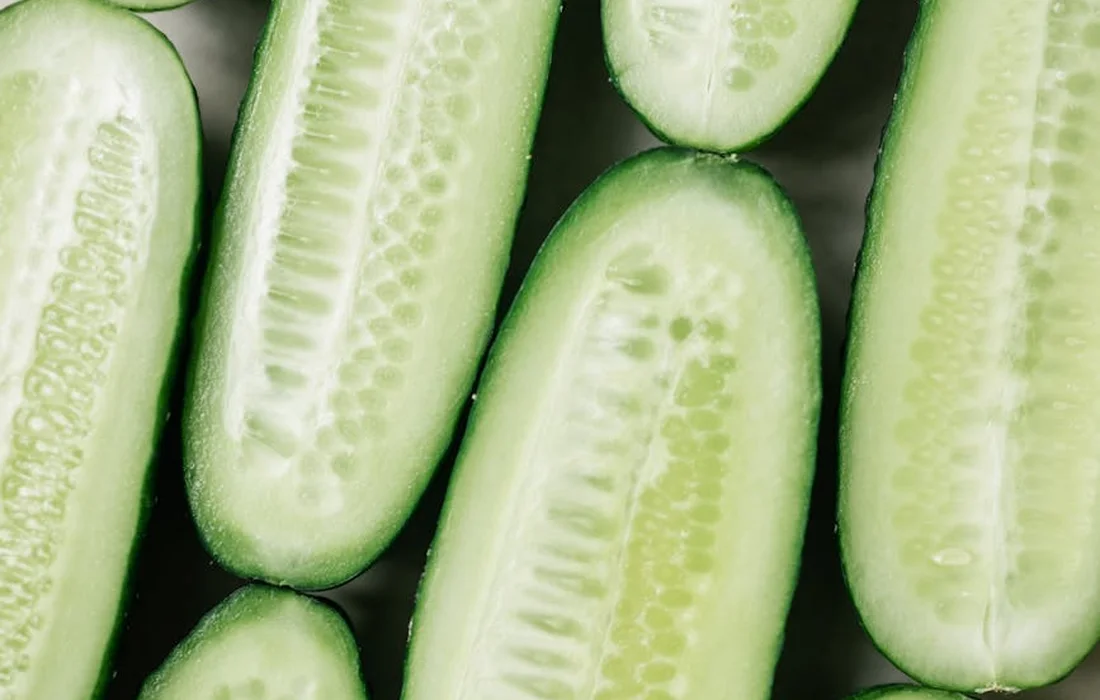
Can chickens eat cucumbers?
Yes, chickens can absolutely eat cucumbers. They are a safe, hydrating, and nutritious treat that makes an excellent supplement to a balanced poultry feed. Be sure to compliment such treats with other safe vegetables for chickens.
Can chickens eat cucumber skins?
Yes, chickens can safely eat cucumber skins. The skins are a good source of fiber, but they must be washed thoroughly to remove any dirt or pesticide residue before feeding. Just like with kiwi fruit skins, it’s important to ensure they are clean and safe for consumption.
Can chickens eat cucumber peels?
Yes, the inner peel and flesh of a cucumber are perfectly safe and digestible for chickens. As with the skin, ensure the cucumber is fresh and washed before offering it to your flock. Unlike potato peels, which can be harmful, cucumber skin is safe for chickens to eat.
Is it safe for chickens to eat cucumber fruit?
It is very safe for chickens to eat the cucumber fruit itself. The flesh is mostly water and provides a healthy, low-calorie snack, especially during hot weather. For a complete guide on which fruits are safe for chickens and which varieties can be toxic, see our guide to fruits for chickens. It explains safe amounts and common toxic varieties.
Is it safe for chickens to eat cucumber skins?
It is safe for chickens to eat cucumber skins, provided they are clean. Always wash store-bought cucumbers well or offer skins from your own organic garden to avoid chemical exposure.
Is it safe for chickens to eat cucumber peels?
Yes, cucumber peels are safe. The soft inner peel and seeds pose no choking hazard and are easily digested by mature chickens when offered in appropriately sized pieces. Chickens can also eat apples in various forms—whole fruit, peels, cores, seeds, or applesauce.
Closing Tips for a Happy Flock
Always remember to introduce any new treat, including cucumbers, in moderation. Observe your birds to ensure the treat agrees with them, and never let treats replace their nutritionally complete feed. A varied diet, with cucumbers as a occasional cool snack, leads to healthy and active chickens.
Shutting the Gate
At the end of the day, your chickens can absolutely enjoy cucumbers, and they’ll thank you for the cool, juicy treat. The golden rule of feeding any treat, from cucumber slices to watermelon rinds, is to ensure it never makes up more than 10% of their total daily intake-their complete, balanced feed is the other 90% that keeps them in prime health and laying strong. I reckon if you keep that main feed bowl full first, your flock will thrive on the variety.
I hope this gives y’all the confidence to share a bit of your garden bounty with your feathered crew. There’s a simple joy in watching them scurry for a cucumber peels, a contentment that comes from good, honest stewardship. Now, I’m off to check my own vines. Here’s to happy hens and the good life.
Further Reading & Sources
- how to prepare cucumber for chickens? | BackYard Chickens – Learn How to Raise Chickens
- Can chickens eat cucumber apples?
- What Chickens Can and Can’t Eat | Nature’s Best Organic Feeds
Caroline Mae Turner is a lifelong farm girl raised on red clay, early mornings, and the sounds of a bustling barnyard. With hands-on experience caring for everything from stubborn goats to gentle dairy cows and mischievous pigs, Caroline shares practical, tried-and-true advice straight from the farm. Her goal is to help folks keep their animals healthy, well-fed, and living their best barnyard life. Whether you're wrangling chickens or bottle-feeding a baby goat, Caroline brings a warm Southern touch and plenty of real-world know-how to every bucket in the barn.
Feed Recommendations