Can Rabbits Eat Peaches? Your Straightforward Guide to Treats and Safety
Published on: September 19, 2026 | Last Updated: September 19, 2026
Written By: Caroline Mae Turner
Howdy y’all! Welcome back to the barn. Yes, you can share a bit of peach with your rabbit, but only as a rare treat, and you must always remove the pit and peel first. I’ve seen that hopeful look when fruit season rolls around, and you’re wondering if those extra peaches can go to your bunnies instead of the compost.
What you’ll need:
- A ripe, fresh peach (organic is best to avoid pesticides)
- A sharp knife and cutting board
- A few minutes of your time for proper prep
- A good measure of restraint-this ain’t a staple food
Let’s walk through this simple process together, so you can offer that sweet bite with confidence and get on with your day.
The Short Answer: Can Rabbits Have Peaches?
Yes, they can, but think of it like a special Sunday dessert, not a daily staple. I’ve handed many a peach slice to my old Holland Lop, Thistle, as a summer reward. Fresh peach flesh, offered sparingly and prepared correctly, is a safe and enjoyable treat for most rabbits. The operative words there are “sparingly” and “prepared.” We’ll get to the all-important “how” directly, especially when it comes to other stone fruits like nectarines.
What’s in a Peach? Breaking Down the Bunny Benefits
Peaches aren’t just empty sweetness. When you look past the sugar, there’s some good stuff in there that can complement a rabbit’s primary diet of hay and greens.
The Sweet Side: Vitamins and Hydration
That juicy flesh provides more than just flavor. It offers a boost of vitamins that support a rabbit’s overall hardiness. The key players are Vitamin A for good vision and healthy skin, and Vitamin C, which, while rabbits produce their own, a little extra can act as a helpful antioxidant. You also get a decent bit of potassium, which aids nerve and muscle function. On a hot afternoon, a cool peach slice can be a hydrating, enticing treat that encourages a rabbit to take in more fluids. I reckon it’s a far sight better than a sugary store-bought “yogurt drop.”
Here’s a quick look at what that flesh offers:
- Vitamin A: Supports eyesight and immune function.
- Vitamin C: An antioxidant boost for overall cellular health.
- Potassium: Aids in proper hydration and muscle movements.
- Water Content: Can be over 85%, making it a juicy, thirst-quenching bite.
The Cautionary Note: Sugar and Moderation
Now, here’s where my experienced hand has to steady yours. The benefits come wrapped in a high-sugar package. A rabbit’s digestive system is a finely tuned hay-processing engine, not built for a steady diet of fruit sugar. Understanding how rabbits signal fullness and regulate eating habits is essential to digestive health. We’ll unpack satiety cues and feeding patterns in the next steps to keep gut health balanced.
Too much sugar too often disrupts the delicate balance of gut bacteria, leading to gastrointestinal stasis, a serious and potentially fatal condition where the gut slows down or stops. It can also contribute to weight gain and dental issues over time. You must view peaches through the lens of moderation.
Follow this simple rule of thumb for serving size:
- For a small rabbit (under 5 lbs): A teaspoon-sized piece of flesh, once or twice a week at most.
- For a large rabbit (over 5 lbs): A tablespoon-sized piece, following the same weekly limit.
That’s it. Any more, and you’re trading a moment of joy for potential long-term trouble. I always give treats *after* they’ve filled up on their timothy hay for the day, never as a replacement.
The Real Risks: Why Peach Pits and Poor Prep Are Dangerous
The Deadly Stone: Amygdalin, Cyanide, and Choking
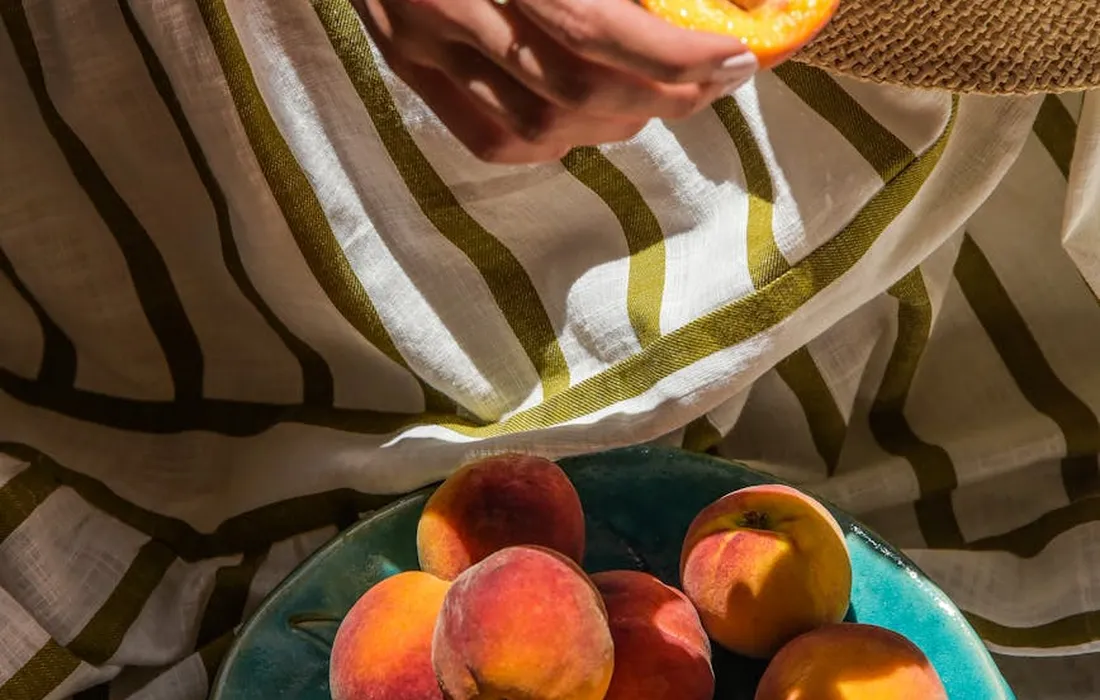
That hard pit in the center of a peach is more than just a bother; it’s a real threat to your rabbit. Inside, it contains amygdalin, which breaks down into cyanide when crushed or digested. I’ve had to explain this more than once to folks who thought a little stone couldn’t hurt, but cyanide interferes with a critter’s ability to use oxygen, and that’s a quiet, dangerous business. On top of that, the pit itself is a perfect size for choking or causing a life-threatening blockage in their gut.
Digestive Distress: Too Much Sugar and Pesticides
A ripe peach is sugary sweet, and a rabbit’s digestive system isn’t built for that kind of feast. Too much can lead to an imbalance in their gut bacteria, causing painful gas and soft stools. You must wash that fruit skin thoroughly, as commercial pesticides can linger and put a strain on your animal’s liver over time. I always use a vinegar wash for my homegrown peaches before they ever get near the hutch.
Watch for Trouble: Allergy and Vet Warning Signs
Every animal is different, and some might not take kindly to new foods. After you introduce peach, watch them close for the next 12 to 24 hours. If you see your rabbit becoming lethargic, refusing food, or showing a bloated, tense belly, you need to stop the treats and get on the phone with your vet. Other urgent signs include wetness around the mouth, diarrhea, or sitting hunched up in a corner. Don’t wait it out.
From Orchard to Hutch: How to Prepare Peaches Step-by-Step
- Select & Wash: Pick a ripe, fresh peach that’s firm but gives slightly to pressure. Wash it under cool, running water while gently scrubbing the skin with your fingers to remove any residues.
- Remove the Pit: Slice the peach in half along its natural seam, twist the halves apart, and pop out the stone. Dispose of that pit immediately in a covered compost or trash bin where no curious animal can fish it out.
- Slice the Flesh: Cut the peach flesh away from the skin if you prefer, then dice it into pieces no larger than a dime. This size prevents choking and makes it easy for your bunny to manage.
- Serve Sparingly: Offer just one or two small pieces to an average-sized rabbit as an occasional treat, no more than once or twice a week. This isn’t a meal; it’s a tiny bonus on top of their steady diet of hay and greens.
Beyond Bunnies: Can Other Barnyard Animals Eat Peaches?
On a diversified homestead, scraps often get shared, but you gotta know the rules. Here’s a quick guide for some other common barnyard friends.
| Animal | Can They Eat It? | Parts & Specific Cautions |
|---|---|---|
| Chickens | Yes | Flesh and skin only. They’ll peck it clean! Avoid pits and stems. Too much can cause loose droppings. |
| Pigs | Yes, enthusiastically | Flesh, skin, and even slightly soft peaches. Always remove the hard pit first to prevent a choking hazard. |
| Cows | In very small amounts | Flesh only. The pit is a risk for causing hardware disease if ingested. Best chopped and mixed into feed as a rare surprise. |
| Goats | Yes, occasionally | Flesh and skin. Remove pits. The high sugar means it should be a tiny treat to avoid disrupting their rumen. |
Wise Alternatives: What to Feed When Peaches Aren’t Right

If your peach tree isn’t bearing or you just want safer, thriftier options, your rabbit will thank you for these everyday treats. Growing your own rabbit greens is one of the most satisfying and cost-effective ways to provide variety. I always have a patch of herbs and lettuces just for the animals.
Low-Sugar Fruit Options (Treats Only)
- Blueberries or raspberries (one or two)
- Apple slice (core and seeds removed)
- Slice of ripe pear (no seeds)
- Watermelon rind (a small piece, minus the green skin)
Vegetable & Herb Staples
- Carrot tops and leafy beet greens
- Bell pepper cores and seeds
- Romaine lettuce or green leaf lettuce
- Fresh mint, basil, or cilantro from the garden
- Dandelion greens picked from pesticide-free yards
The golden rule never changes: moderation protects their health. These alternatives should be rotated and given in tiny amounts, ensuring the bulk of your rabbit’s diet remains unlimited grass hay and fresh water. That’s the foundation of good stewardship.
Beyond Bunnies: Can Other Barnyard Animals Eat Peaches?
Well now, while we’re on the subject of peaches, let’s chat about the rest of the crew in the barnyard. Sharing summer’s bounty with your livestock is a thrifty way to cut waste and add variety, but you gotta know the rules for each critter. I’ve passed peach scraps to everything from hens to hogs over the decades, and I’ve learned a few lessons the hard way so y’all don’t have to.
Chickens: The Eager Clean-Up Crew
My hens go plum crazy for a soft, ripe peach. Chickens can safely eat peach flesh, and it’s a fine source of vitamins A and C for their feathers and eggs. You must remove that pit every single time, as it contains cyanide and is a choking hazard. I chop the flesh into bite-sized pieces to prevent squabbles in the run. Remember, treats like peaches should never make up more than 10% of their daily intake; too much sugar can throw off their laying cycle.
Pigs: The Enthusiastic Omnivores
If you think a pig enjoys slop, you should see one with a peach. Pigs can eat peaches, pits and all, but I strongly advise against feeding the stones due to cyanide and blockage risks. A mature hog might crunch through it, but why chance it? I feed them peeled, pitted slices as an occasional sweet reward, maybe once a week. It’s a welcome break from their standard 16% protein grower ration.
Ruminants: Cows, Goats, and Sheep
For our grazing friends, peaches are a curious treat. Cows and goats can handle small amounts of peach flesh, but their rumens are designed for forage, not fruit sugar. I’ve given a few slices to my Jersey cow as a hand-fed snack, but more than a cup or two can lead to bloating or acidosis. Sheep are similar; offer a taste, but don’t let it replace their grass hay. Always remove the pit to be safe, especially with stone fruits like peaches, plums, and persimmons.
Geese and Ducks
Waterfowl will nibble on most anything. Geese and ducks can eat tiny bits of soft peach, but it’s not a natural part of their diet and should be given sparingly. I’ve found they often prefer the peels over the juicy flesh. Too much can cause messy droppings, so a few pieces per bird is plenty, and always offer it in water to mimic their natural foraging. It’s important to be cautious when feeding stone fruits like peaches to waterfowl.
Here’s my barnyard-tested checklist for feeding peaches:
- Always Remove Pits: That cyanide-containing stone is a danger to nearly all animals, big or small.
- Moderation is Non-Negotiable: Treats should only complement a balanced feed, never replace it.
- Prepare with Care: Wash fruit to remove any pesticide residue, and chop for smaller beaks and mouths.
- Observe Your Herd: Any new food can cause upset; introduce slowly and watch for changes in manure or behavior.
Wise Alternatives: What to Feed When Peaches Aren’t Right
Sometimes, the peach basket is empty, or you’ve got an animal with a sensitive stomach. Having a roster of reliable, wholesome alternatives keeps your animals healthy and your feed bill manageable. I always look to my garden and pasture first before heading to the feed store.
For High-Fiber Needs (Like Rabbits or Guinea Fowl)
When fruits are too sugary, turn to leafy greens and roughage. Timothy or orchard grass hay should be the cornerstone of a rabbit’s diet, making up about 80% of what they eat. For treats, I offer dark leafy greens like romaine lettuce, kale, or beet tops from the garden. These provide vital nutrients without the sugar spike of fruit.
For Protein and Energy (Chickens, Pigs, Turkeys)
If you’re skipping sweet treats, focus on protein-rich snacks. Black soldier fly larvae are a fantastic protein source for chickens, often containing over 40% protein and keeping them busy for hours. For pigs, cooked grains like barley or oats mixed with garden veggies like squash and zucchini make a hearty, cost-effective meal. I’ll even toss in some comfrey leaves from the herb patch for extra minerals.
For Ruminants (Cows, Goats, Sheep)
Their best alternative is always quality forage. Nothing beats a diverse pasture of grasses, legumes, and browse for keeping a ruminant’s gut healthy and milk production steady. When pasture is lean, I supplement with alfalfa hay for protein or a mineral lick tailored to our soil’s deficiencies. A handful of chopped carrots or apples is a safer, lower-sugar sweet treat than peaches for them.
Thrifty Kitchen and Garden Scraps
Don’t overlook what you already have on hand. Many kitchen scraps are perfect for livestock, turning waste into valuable nutrition and saving you a trip to the store. Here’s a list of my go-to alternatives that I’ve used for years:
- Vegetable Peels and Ends: Potato, carrot, and cucumber scraps are great for pigs and chickens.
- Stale Bread or Grains: In moderation, for chickens and pigs, but avoid anything moldy.
- Leafy Greens and Weeds: Dandelion greens, Swiss chard, and broccoli leaves for almost everyone.
- Pumpkins and Squash: Cut them open in the fall for a fun, nutritious treat that lasts for days.
I keep a dedicated scrap bucket by the kitchen sink, and my animals know the sound of it hitting the porch. This simple system saves on feed costs and reduces what goes to the compost, closing the nutrient loop right here on the homestead.
Closing Tips
Can rabbits eat peaches as part of a farm animal treat routine?
Yes, rabbits can eat peaches sparingly, similar to other barnyard animals like chickens or goats. Always prioritize their main diet of hay and greens, and use peaches only as an occasional sweet reward. Understand which fruits are safe for rabbits before feeding them any.
How should peaches be prepared specifically for rabbits to ensure safety?
Wash peaches thoroughly to remove pesticides, then always remove the pit and peel. Dice the flesh into small, manageable pieces to prevent choking and align with their delicate digestion.
What are the key risks when feeding peaches to rabbits compared to other farm animals?
Rabbits face unique risks from high sugar content, which can disrupt gut bacteria, and peach pits containing cyanide. Unlike pigs that might handle pits better, rabbits are highly susceptible to these dangers (especially when it comes to sugary foods).
How does peach preparation for rabbits differ from that for animals like chickens or pigs?
For rabbits, peaches must be peeled and pitted without exception, whereas chickens can eat skin and pigs may tolerate more. Always chop finer for rabbits due to their smaller size and sensitive systems.
What portion control is essential when feeding peaches to rabbits on a farm?
Limit peaches to a teaspoon for small rabbits or a tablespoon for larger ones, once or twice weekly. Overfeeding can cause weight gain and digestive issues, unlike in animals like cows with different tolerances.
Why is monitoring crucial after introducing peaches to a rabbit’s diet?
Watch for signs like lethargy or bloating, as rabbits may react more severely than hardier farm animals. Immediate vet consultation is key to prevent serious health complications from improper treats.
Shutting the Gate
When you walk back to the hutch with a sliver of peach, remember the golden rule of treats: moderation is your best tool for a healthy bunny. A thimble-sized portion of fresh peach, offered once or twice a week at most, lets your rabbit savor the sweetness without upsetting their delicate digestive balance. Their main fare should always be that endless buffet of hay, with greens and pellets as the reliable supporting cast.
I’m mighty grateful y’all stopped by to share in this bit of barnyard wisdom. There’s a special kind of peace that comes from caring for our creatures well, from watching a contented rabbit twitch its nose at a new smell. I hope you get to enjoy that simple feeling today. Now, if you’ll excuse me, I believe I hear my own flock of critters reminding me it’s chore time. Take care, and give those bunnies a pat for me.
Further Reading & Sources
- Can rabbits eat peaches? – Quora
- Can Rabbits Eat Peaches? Exploring a Juicy Delight for Your Bunny – Central Victoria Hay
- r/Rabbits on Reddit: Mmmmm. Peaches
Caroline Mae Turner is a lifelong farm girl raised on red clay, early mornings, and the sounds of a bustling barnyard. With hands-on experience caring for everything from stubborn goats to gentle dairy cows and mischievous pigs, Caroline shares practical, tried-and-true advice straight from the farm. Her goal is to help folks keep their animals healthy, well-fed, and living their best barnyard life. Whether you're wrangling chickens or bottle-feeding a baby goat, Caroline brings a warm Southern touch and plenty of real-world know-how to every bucket in the barn.
Diet Requirements