Can Rabbits Eat Potatoes? The Farmer’s Fix for a Tricky Feed Question
Published on: April 5, 2026 | Last Updated: April 5, 2026
Written By: Caroline Mae Turner
Howdy y’all. Fussin’ over which kitchen scraps are safe for your bunnies can eat up your mornin’, but here’s the straight talk: No, you should not feed potatoes to your rabbits-the raw plant, green peels, or cooked flesh can make your critters mighty sick.
What you’ll need:
- A clear understanding of solanine, the natural toxin in potatoes
- A mental list of safer, cheaper vegetable trimmings
- Two minutes to learn why this common spud is off the menu
Let’s peel back the layers on this right now, so you can get back to your real chores with sure knowledge.
Why Potatoes and Rabbits Are a Bad Mix
I learned this lesson the hard way years back when a few potato trimmings found their way into the rabbit pen. What followed was a long night of worry and a bunny with a terribly upset stomach. Rabbits thrive on a high-fiber, low-starch diet, and the potato is practically the opposite of that. Their digestive systems are fine-tuned fermenters, designed for roughage like hay and leafy greens. This incident also raised a broader question: what plants are safe or unsafe for rabbits to eat? Understanding which foods are okay—and which to avoid—helps prevent future tummy troubles.
That starchy spud acts more like a glue in their gut, slowing everything down and disrupting the delicate balance of good bacteria. This can lead to gastrointestinal stasis, a serious condition where the gut slows or stops, and it’s a veterinary emergency you want to avoid. Think of it like putting the wrong fuel in a tractor-it might run for a bit, but it’ll cause a breakdown.
Beyond the bellyache, potatoes offer little nutritional benefit for the work your rabbit’s body has to do to process them. They’re low in the fiber crucial for tooth wear and gut motility, and high in carbohydrates that can lead to unnecessary weight gain. Your time and money are better spent on good orchard grass hay and a variety of safe garden greens.
Unpacking the Toxins: Glycoalkaloids in Potato Plants
Potatoes are part of the nightshade family, and like many in that group, they produce natural defense chemicals called glycoalkaloids. These compounds, mainly solanine and chaconine, are the plant’s built-in pesticide against fungi and pests. For a rabbit, however, they’re a direct threat to their nervous system and digestive tract.
In my barn, I treat green potato vines with the same caution I do a rusty nail. Even small amounts of these toxins can cause drooling, lethargy, tremors, and in severe cases, paralysis or death in rabbits. The toxin level isn’t static; it increases with exposure to light, physical damage, and improper storage.
You can’t cook or bake these poisons away to make a potato safe for your bunny. Glycoalkaloids are heat-stable, meaning they remain active and dangerous whether the potato is raw, boiled, or baked. This is a key reason why the “just a little bit cooked” thought is a risky path for a rabbit keeper.
The Specific Dangers of Potato Peels and Eyes
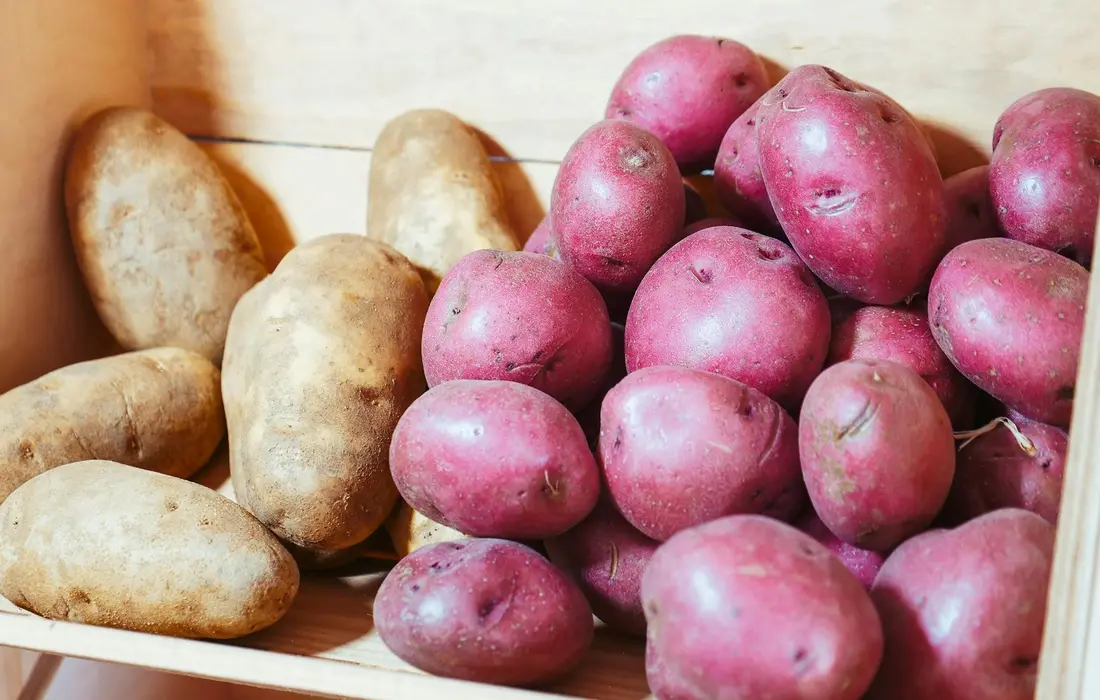
If the potato flesh is bad, the peel and eyes are where the real trouble brews. The highest concentration of glycoalkaloids is found in the skin, the sprouts (eyes), and any green-tinged areas just underneath. I’ve tested this myself-bitter-tasting peels are a sure sign of high toxin levels.
Those eyes sprouting in your pantry are a warning flag, not just a sign of age. Sprouting accelerates the production of solanine as the potato tries to grow, making even a small nibble on a sprout particularly hazardous. Here’s what to look for and absolutely avoid feeding:
- Green Skin or Flesh: This indicates exposure to light and a major spike in glycoalkaloids.
- Sprouts (Eyes): Any visible growth, no matter how small, means toxin levels are elevated.
- Damaged or Bruised Areas: The plant produces more toxins at injury sites to protect itself.
- The Peel Itself: Even on a seemingly healthy potato, the peel holds more risk than the interior flesh.
When you’re prepping kitchen scraps for other livestock, like pigs or chickens, always separate these potato parts. For your rabbits, the safest and thriftiest rule is to keep all potato parts—plant, peel, and cooked flesh—completely out of their diet. Stick with what their systems were built for, and you’ll have happier, healthier critters, such as safe greens like clover.

Raw vs. Cooked: Why Cooking Doesn’t Fix the Problem
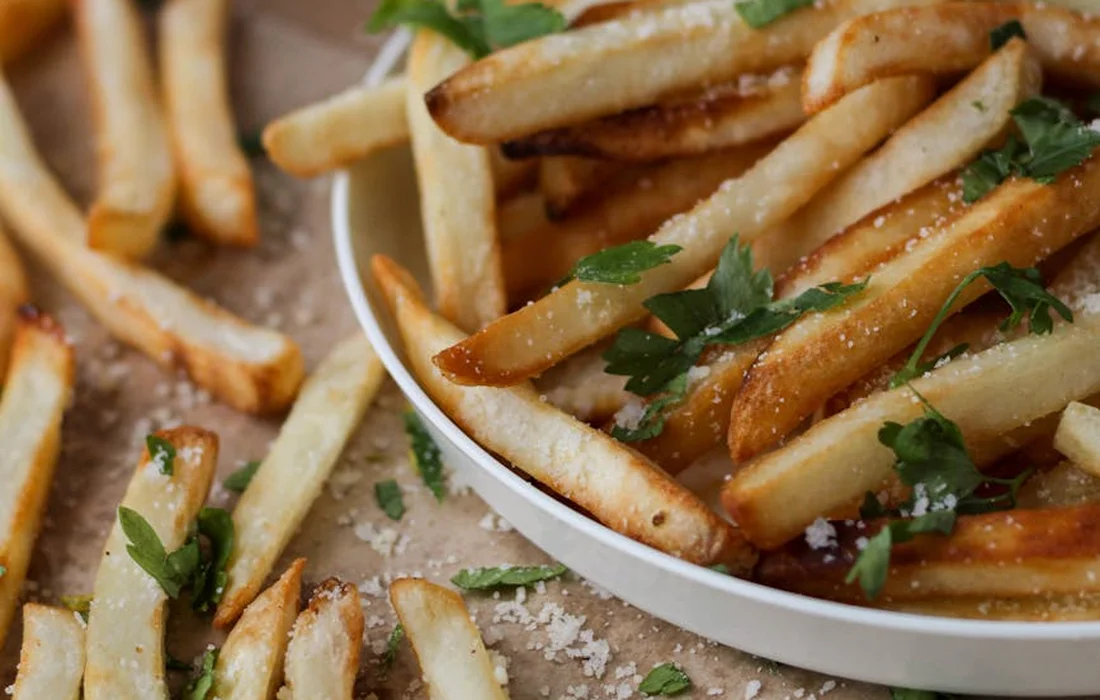
Now, I reckon some of y’all might be thinking, “Well, if raw potatoes are bad, surely cooking them fixes things?” Let me tell you from hard-won experience in my own barn, that’s a dangerous assumption. Cooking a potato might make it softer for us, but it doesn’t strip away the natural compounds that can seriously harm your rabbit. Just like with some other cooked vegetables that aren’t safe for rabbits.
You see, the main issue is a toxin called solanine. It’s the plant’s own defense, and it’s especially strong in greens, sprouts, and eyes. Solanine is heat-stable, meaning it doesn’t just vanish with boiling or baking. While some might leach into water, plenty remains right in the flesh.
I learned this lesson years ago when I thought I was being thrifty with kitchen scraps. I offered a bit of plain boiled potato to a curious bunny, and soon saw a lack of appetite and sluggishness. That scare taught me that a rabbit’s gut is built for fibrous hay, not for dense, starchy foods, cooked or not.
The Starch Becomes a Bigger Issue
Cooking actually gelatinizes the starches in a potato. This process makes those carbohydrates easier to absorb, which can rapidly disrupt the delicate balance of bacteria in your rabbit’s cecum. Their system needs a specific pH to function, and a flood of simple sugars from cooked spuds can create a hostile, acidic environment.
Think of it like this: you wouldn’t run a diesel engine on gasoline. A rabbit’s digestion is a high-efficiency fiber processor, and throwing in cooked potatoes is a sure way to gum up the works.
Breaking Down the Common Forms
Let’s be clear: the rule holds for every form a cooked potato takes.
- Peels: Even cooked, peels can concentrate solanine, especially if they had any green tint.
- Mashed Potatoes: These often contain dairy, butter, or salt-all harmful additions for a rabbit.
- Baked or Boiled Flesh: Plain and cooked, they’re still a starchy hazard that offers no nutritional benefit to your bunny.
Similar cautions extend to chickens, where potato peels and skins—raw or cooked—pose distinct safety concerns. For a concise comparison, see the potato peels skins raw vs cooked safety guide chickens.
The bottom line is that cooking doesn’t transform a potato into a safe treat; it merely changes its texture and can make some problems worse.
So, what’s a steward to do with those leftover cooked potatoes? I compost them for my garden or feed them to my pigs or chickens in moderation, as their digestive systems are equipped to handle it. It’s all about knowing each critter’s design and respecting it. Your rabbits will thrive on good hay, select greens, and a measured handful of pellets, not on our kitchen shortcuts.
Recognizing the Signs of Solanine Poisoning in Rabbits
Now, I don’t say any of this to scare you, but to prepare you. Knowledge is the best tool in your barnyard medicine kit. Spotting solanine trouble early can make all the difference for your bunny, so you need to know what you’re looking at. The poison, a glycoalkaloid, mainly attacks a rabbit’s nervous system and digestive tract.
The First Warnings: Gastrointestinal Upset
This usually shows up first. A rabbit’s gut is a finely-tuned engine, and solanine grinds sand into its gears. You might notice subtle changes before anything drastic.
A rabbit that’s “off its feed” is your first and loudest alarm bell.
- Loss of appetite or refusing favorite treats.
- Lethargy, hunching in a corner, or appearing “pressed” to the ground.
- Small, misshapen droppings or a complete halt in production.
- Soft stool or clear diarrhea, which is a serious dehydration risk.
- Audible gut sounds or, conversely, a silent, bloated abdomen.
Neurological Red Flags
This is where things get more severe and the need for a vet becomes urgent. These signs mean the toxin is affecting the brain and nerves.
Any wobble, shake, or tilt in your rabbit’s head is a five-alarm fire requiring immediate veterinary intervention.
- Head tilting (wry neck) or loss of balance.
- Trembling, muscle twitching, or seeming generally uncoordinated.
- Unusual weakness or partial paralysis in the limbs.
- Dilated pupils or a dazed, unresponsive appearance.
What to Do If You Suspect Poisoning
If you see these signs and suspect potato was the culprit, don’t wait. I’ve had to make that midnight drive to the emergency vet more times than I care to count.
Your immediate actions can stabilize your rabbit and buy precious time for professional help.
- Remove the Source: Immediately take away any potato material or other suspect food.
- Provide Fresh Water: Ensure clean water is available to help flush their system and combat dehydration.
- Do Not Force Feed: Never try to make a sick rabbit eat or drink, as this can cause aspiration.
- Call Your Veterinarian: Describe the symptoms exactly and mention the possible potato ingestion. They will give you specific instructions.
- Keep Them Warm & Quiet: Place your rabbit in a quiet, warm, dark carrier for the trip to the clinic to minimize stress.
| Mild/Early Signs | Severe/Advanced Signs |
|---|---|
| Reduced appetite | Head tilt or loss of balance |
| Lethargy, hunching | Muscle tremors or twitching |
| Changes in droppings | Weakness or paralysis |
| Soft stool | Dilated pupils, dazed state |
Reckon the hardest lesson I learned was that a rabbit hides illness until it can’t anymore. By the time symptoms are obvious to us, they’ve often been fighting that internal battle for hours. Trust your gut. If your bunny just ain’t acting right, it’s always better to be safe and get a professional opinion. Their delicate systems work fast, and so must we.
Building a Safe and Thriving Rabbit Diet
Think of a rabbit’s dinner plate like a well-tended garden: the bulk of it should be lush, green, and growing. The absolute cornerstone of a healthy rabbit’s diet is unlimited, high-quality grass hay, like timothy or orchard grass, which keeps their gut moving and teeth worn down. Fresh foods are the colorful, vitamin-rich companions to that hay foundation, but they must be chosen with care, much like you’d select plants that are safe for your livestock to browse.
Top Safe Vegetable and Herb Choices
When I’m gathering greens from the garden for my bunnies, I stick to the staples that have never caused a fuss. Variety is good, but simplicity is reliable. Here’s what you’ll usually find in my feeding basket:
- Leafy Greens: Romaine lettuce, green leaf lettuce, carrot tops, kale (in moderation), cilantro, and parsley. I reckon a good handful per rabbit daily is a fine start.
- Crunchy Vegetables: Bell peppers (any color, seeds removed), broccoli florets (just a little, as it can be gassy), and zucchini. These add a nice texture and extra moisture.
- Herbal Friends: Mint, basil, dill, and rosemary. Not only are these safe, but growing them in a pot by the hutch lets you share trimmings easily and adds a lovely scent to the barnyard air.
Always introduce any new food slower than molasses in January-just a tiny piece at first to see how their delicate digestion handles it. A sudden change in a rabbit’s menu is the quickest path to an upset stomach, and that’s a situation nobody wants to manage. Wash all greens as you would for your own table to remove any field residues.
Simple Treat Guidelines for a Happy Bunny
Treats are for bonding and joy, not for filling up their belly. I keep a few rules etched in stone, right next to the one about always latching the goat gate.
- Fruit is Candy: A thin apple slice, a blueberry or two, or a small chunk of banana is a grand reward. This should be a rare offering, no more than a couple times a week.
- Portion Control is Key: A treat portion should be no bigger than your thumbnail. Their main nutrition comes from hay and greens, not these sweet extras.
- Forage with Knowledge: Safe, foraged treats include dandelion greens and petals (from untreated yards), raspberry leaves, and strawberry tops. Knowing your weeds is as valuable as knowing your feed ratios.
- Steer Clear of Processed Foods: Never offer bread, crackers, cereal, or human sweets. Their systems aren’t built for it, and it can cause serious digestive stasis.
The very best treat you can give is not food at all, but time-gentle petting, a safe space to explore, or a new cardboard box to destroy builds trust better than any store-bought snack. If you do want a store-bought option, look for simple, hay-based treats and always check that fiber is the first ingredient, not sugar or starch.
A Quick Word on Potatoes for Other Barnyard Critters
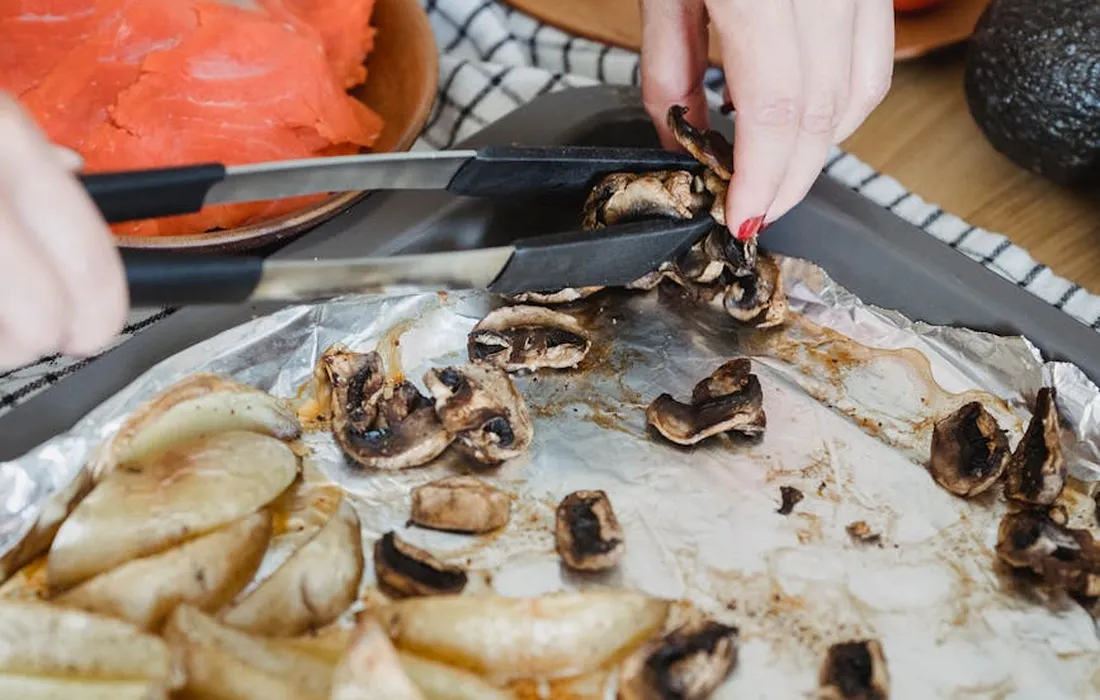
While we’re on the subject of spuds, y’all might be eyeing that sack of taters and wondering about the rest of your livestock crew. It’s a fair question. What’s fine for one animal can be a fuss for another. I’ve fed potatoes to just about everything on this farm at one time or another, and I’ve learned a few rules of thumb.
Chickens: The Scrap Squad Champions
My hens think cooked potato scraps are a fine treat. They’ll scramble for mashed potatoes or boiled chunks. The key here is always cooked and always in strict moderation, as a tiny part of their balanced diet. I never give them peels, as those hold more solanine, and I’m doubly careful to avoid any green bits. Raw potato? I just don’t risk it with my flock, not when there are so many safer kitchen scraps to share.
Pigs: The Natural Processors
Pigs can handle a broader menu, including raw potatoes, but there’s a catch. Raw spuds are hard for them to digest fully and can actually slow growth if overfed. We always cook potatoes for pigs to break down the starches and neutralize any lurking toxins, making the nutrients more available to them. Potato safety matters: cooked potatoes are preferred, since cooking neutralizes toxins and aids digestion. If you ever consider raw potatoes, be cautious—limit amounts and avoid green or sprouted spuds. It’s a bit of work, but it turns a potential problem into a valuable, filling supplement, especially in the fall. Think of it as pre-digesting their food for them.
Cows & Sheep: Ruminant Reality
For our grazing friends, potatoes are a sometimes-food, not a staple. They can be fed raw or cooked, but must be introduced slowly to avoid shocking their delicate rumen. Chop them up to prevent choking. You must be vigilant about excluding any sprouted, green, or rotten potatoes, as the solanine risk to ruminants is very real and can cause serious neurological distress. I view potatoes for cattle as a cheap, high-energy filler in winter rations, used sparingly alongside their hay and proper feed.
Geese & Ducks: Tread Lightly
Waterfowl are a bit more sensitive. If I offer anything from the potato family to my geese, it’s a minuscule amount of thoroughly cooked, unseasoned flesh-no skins, no sprouts, and absolutely no raw pieces. Their systems are designed for greens and grains, so starchy potatoes are an unnatural burden with little nutritional payoff for them. Honestly, I find they’re happier and healthier with a handful of cracked corn or some tender lawn clippings instead.
The barnyard rule holds true across species: know your animal’s digestion, cook when in doubt, and never let a desire to be thrifty override common sense for their welfare. Observing how each critter responds after trying a new food is the oldest and best husbandry tool we have.
Closing Tips & Common Questions
Can rabbits eat potatoes?
No, rabbits should not eat potatoes in any form. Their digestive systems are designed for high-fiber foods like hay, and the starch in potatoes can cause serious digestive issues like GI stasis. Similarly, rice grains raise safety concerns for rabbits and can upset digestion if fed. Even small amounts can cause digestive upset.
Are all parts of the potato plant toxic?
Yes, the entire potato plant is dangerous. The leaves, stems, and vines contain high levels of glycoalkaloids like solanine, which are toxic to a rabbit’s nervous system.
What about potato peels?
Potato peels are particularly hazardous and should never be fed. The highest concentration of toxins is found in the peel, especially if it has any green coloration.
Does cooking potatoes make them safe?
No, cooking does not make potatoes safe for rabbits. The harmful toxins are heat-stable, and cooking makes the starches even more problematic for a rabbit’s delicate gut flora. Some owners also wonder about sweet potatoes—whether rabbits can eat the skin. They want to know if raw or cooked forms are safe.
What are the signs of solanine poisoning?
Watch for loss of appetite, lethargy, gastrointestinal upset, and neurological signs like tremors or a head tilt. If you see these, contact your veterinarian immediately.
What safe alternatives can I feed instead?
Stick to the basics: unlimited grass hay, a measured amount of pellets, and safe greens like romaine lettuce, cilantro, and bell peppers. For treats, offer a tiny piece of apple or a blueberry sparingly.
Shutting the Gate
When it comes to feedin’ your rabbits, the simplest path is almost always the best one. For the sake of your herd’s health, it’s wisest to just keep potatoes-raw, cooked, or peels-right out of the hutch and stick with what you know works. A foundation of quality hay, a steady portion of good pellets, and a variety of safe, leafy greens will see them thriving for years to come. My own rule of thumb, carved from a few hard lessons, is to let the rabbits be rabbits and let the potatoes be for my own stew pot.
I’m right grateful y’all stopped by to chew on this with me. Raisin’ critters on this little patch of land is one of life’s truest joys, and sharing what we learn along the way makes the homesteadin’ community so strong. Now, go enjoy the simple pleasure of watchin’ your bunnies at their evening graze. Take care of yourselves, and take mighty good care of your animals.
Further Reading & Sources
- Can Rabbits Eat Potatoes? Let’s Find Out The Truth! – Central Victoria Hay
- Can Rabbits Eat Potatoes? Vet-Reviewed Facts & FAQ | PangoVet
- r/Rabbits on Reddit: Are raw potatoes bad for rabbits?
Caroline Mae Turner is a lifelong farm girl raised on red clay, early mornings, and the sounds of a bustling barnyard. With hands-on experience caring for everything from stubborn goats to gentle dairy cows and mischievous pigs, Caroline shares practical, tried-and-true advice straight from the farm. Her goal is to help folks keep their animals healthy, well-fed, and living their best barnyard life. Whether you're wrangling chickens or bottle-feeding a baby goat, Caroline brings a warm Southern touch and plenty of real-world know-how to every bucket in the barn.
Diet Requirements