The Homesteader’s Guide to Keeping Chickens Safe from Cat Food
Published on: October 11, 2026 | Last Updated: October 12, 2026
Written By: Caroline Mae Turner
Welcome back to the barn. If you’re finding empty pet food bowls and worried hens, you’ve got a common homestead puzzle on your hands. Your immediate, non-negotiable rule is this: never intentionally feed cat or dog food to your chickens, and ensure their scavenging can’t reach it. I learned this the hard way years ago when a favorite layer got sluggish after cleaning up under the porch cat’s dish.
- What you’ll need:
- A sturdy, sealed container for all pet food.
- A dedicated, private feeding spot for your cats and dogs.
- A keen eye during your evening rounds.
Let’s get this sorted right quick so you can return to your other chores with peace of mind.
Why That Cat Kibble Doesn’t Belong in the Chicken Run
I reckon we’ve all been tempted to toss a handful of that affordable cat kibble to the flock, especially when the feed sack is runnin’ low. It seems like a thrifty protein boost. But trust me, after watchin’ the consequences play out in my own barnyard, I can tell you it’s a shortcut that leads to a dead end.
The Carnivore vs. Omnivore Divide
You must understand the fundamental dinner table rules for these critters. A cat is an obligate carnivore; its body is a finely-tuned machine designed to run almost exclusively on meat. A chicken, bless its heart, is a true omnivore and a forager. Its system is built to process a wild variety: grains, greens, bugs, and the occasional berry or lizard.
Feeding a chicken a diet formulated for a cat is like puttin’ high-octane racing fuel in your old reliable tractor-it’s gonna cause a breakdown where you least expect it. That dense, meat-based concentrate overwhelms their digestive and renal systems, which simply aren’t built for such a constant, rich onslaught.
What’s in a Name? “Chicken” in Cat Food vs. Real Chicken
This is where label reading becomes a husbandry skill. When a bag of cat food says “Chicken Dinner,” it’s often speakin’ a different language than your pasture. That “chicken” is frequently a rendered blend of meat meals and by-products-perfectly fine for a feline, but a world away from the whole insects and worms your hen hunts.
Rendered proteins are intensely concentrated, and the processing can create compounds a chicken’s liver wasn’t meant to handle day in and day out. The protein in a good layer feed is carefully balanced from sources like soybean meal, which mimics the amino acid profile a laying hen actually needs, not just the brute-force animal protein a cat requires.
Ingredient Red Flags: What Makes Pet Food Dangerous for Hens
Beyond the base incompatibility, many standard pet food ingredients are outright hazardous to poultry. What keeps Fido’s coat shiny can make your hens’ organs work overtime.
Common Toxic Substances
Many dog and cat foods contain ingredients we’d never dream of purposely giving our flock. Always check the back of the bag, and if you see these, keep it far from the coop—just like you’d avoid toxic or harmful vegetables for your chickens.
Nutrients in Toxic Excess
It’s not just about poison; it’s about over-abundance. Cat food can contain 30-40% crude protein, while a laying hen thrives on 16-18%.
Chronic excess protein puts severe strain on the kidneys, forcing them to process huge amounts of nitrogenous waste, which can lead to gout-a painful condition where uric acid crystals form in their joints and organs. I’ve seen a rooster crippled by this, and it was a hard lesson learned. Furthermore, the high fat content in many premium pet foods can lead to fatty liver hemorrhagic syndrome in hens, a condition where their livers become fragile and prone to rupture.
The Imbalance of Minerals
This is the silent saboteur. Calcium-to-phosphorus balance is sacred in poultry nutrition. Layer feed is meticulously formulated with extra calcium (around 4%) for strong eggshells. Cat food has a completely different ratio, often lower in calcium and much higher in phosphorus.
Feeding cat food disrupts this delicate balance, leachin’ calcium from a hen’s own bones to compensate and directly leadin’ to weak shells, leg weakness, and metabolic disaster. Trace minerals like copper and iron are also fortified at levels for mammals, not birds, potentially causin’ liver damage over time.
Your best bet is always a species-appropriate feed. If you want to supplement protein, offer plain, cooked eggs, soldier fly larvae, or a handful of black oil sunflower seeds-treats that work with their biology, not against it. Stewardship means knowin’ the difference.
Silent Threats: Contaminants and Quality Concerns
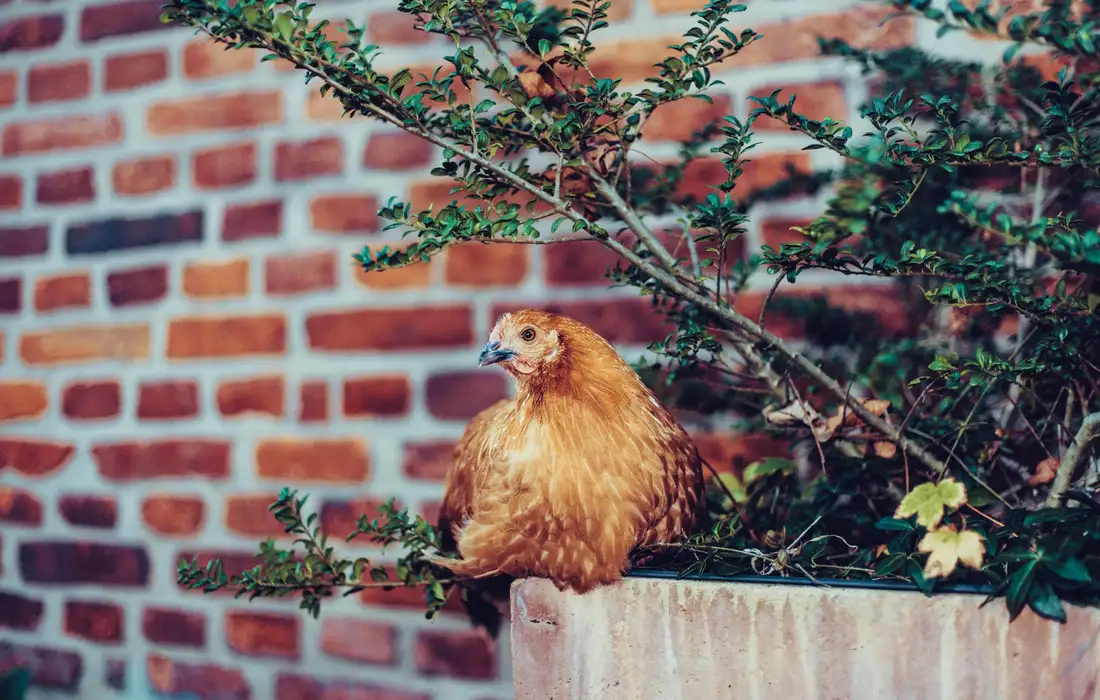
When y’all consider tossing some kibble to the flock, look beyond the label. Pet food is held to different standards than livestock feed, and what’s safe for a house cat can quietly undermine your chickens’ health. Even ducks that sample dog or cat food can be at risk, since commercial pet feeds aren’t balanced for waterfowl. Those small bites can quietly disrupt digestion and nutrient balance, underscoring why pet feeds aren’t a substitute for flock rations.
Mycotoxins: The Mold Menace
Mycotoxins are poisonous compounds from molds that thrive on stored grains, a staple in dry pet foods. I once lost a couple of good layers to what I thought was a sudden illness, but the vet traced it back to moldy feed I’d been supplementing with cheap cereal scraps. These toxins accumulate slowly, attacking the liver and immune system long before a bird looks outwardly sick.
Common signs in chickens include:
- A sudden, unexplained drop in egg production.
- Ruffled, poor-quality feathers and general lethargy.
- Increased vulnerability to common barnyard illnesses.
- Pale combs and wattles, signaling internal distress.
Pet food bags might sit in warehouses or store shelves for months, increasing the risk of mold growth your chickens can’t tolerate.
Preservatives and Additives
To keep that kibble fresh, manufacturers often use chemicals you’d never find in a proper poultry ration. Artificial preservatives like BHA, BHT, and ethoxyquin are common. A chicken’s smaller liver works hard to filter these substances, creating metabolic stress that a cat’s biology is better equipped to handle.
From my own barnyard observations, chickens exposed to these additives often show:
- Digestive upset, with runny, foul-smelling droppings.
- Reduced interest in foraging and natural behaviors.
- A noticeable dip in overall flock vitality and shine.
Even “natural flavors” can be a mystery mix that irritates a chicken’s gut. For thrifty, sustainable stewardship, it’s best to avoid introducing these unknowns to your coop.
How Feeding Pet Food Harms Chicken Health
The mismatch goes deeper than ingredients. A chicken’s body is engineered for a specific diet, and forcing a carnivore’s meal on them disrupts everything from digestion to long-term organ function.
Digestive Disaster and Nutrient Lockout
A chicken’s digestion starts in the crop, where food is softened. Dry cat food is designed to expand when wet. I’ve had to intervene more than once with a hen whose crop was packed solid as a baseball after she raided the dog’s bowl. That impaction can be fatal if not caught early.
Even if it passes, the extreme protein level-often 30% to 40%-creates a crisis. The chicken’s system becomes so focused on processing protein it locks out other critical nutrients. Understanding the birds’ true protein requirements helps mitigate overfeeding risks. Excess protein can strain metabolism and displace essential nutrients, impacting growth and health.
- Calcium is pulled from bones to help the kidneys, leading to weak frames and thin eggshells.
- Essential minerals like phosphorus get out of balance, affecting nerve and muscle function.
- The gut’s good bacteria are disrupted, setting the stage for opportunistic infections.
Chickens need a balanced diet around 16-18% protein; cat food overwhelms that system completely.
Long-Term Metabolic Disorders
Think of it like running a small engine on high-octane fuel constantly. It will wear out prematurely. Consistently feeding high-protein, high-fat pet food forces a chicken’s liver and kidneys into a state of permanent overtime. This leads to severe, preventable conditions.
Here’s what I’ve seen develop over time in birds fed inappropriate protein sources:
- Fatty Liver Hemorrhagic Syndrome: The liver becomes infiltrated with fat, becomes swollen and brittle, and can rupture causing sudden death.
- Renal Gout: Overworked kidneys fail to excrete uric acid, leading to painful crystal deposits in joints and organs.
- Obesity and Reproductive Failure: Hens get too fat to lay eggs properly, and overall lifespan is shortened.
Respecting your animals means feeding for their biology, not for our convenience. Your flock’s sustained health is the real measure of good husbandry.
A Tale from the Barnyard: When Curiosity Almost Killed the Hen
Lessons Learned from a Scrape with Snack Food
I was fixin’ to mend a fence rail when I heard a commotion in the old milking parlor we use for storage. My heart sank when I saw my favorite Speckled Sussex, Bertha, and half the flock pecking greedily at a bowl of dry cat food the barn cat had left behind. That high-protein kibble, designed for a carnivore’s gut, spells real trouble for a chicken’s digestive system. Bertha became the canary in the coal mine, showing signs of distress within hours.
She grew lethargic, her comb paled, and she stood off by herself with a hunched posture. A chicken’s liver isn’t built to process the 30-40% protein and heavy fat load in most cat foods. I learned the hard way that even a small amount can overwhelm their system, leading to hepatic lipidosis-a fancy term for a fatty liver that can shut down an egg layer for good. We got lucky with Bertha after a week of supportive care, but it was a wake-up call.
The incident taught me that chickens lack the discretion we credit them with; their foraging curiosity will override their sense of dietary safety every time. Managing your homestead means managing temptations, and that bowl of kitty kibble is a siren song for your flock. It’s not just about sickness; it’s about respecting the specific biology of each animal under your care.
Practical Stewardship: Keeping Your Flock Safe and Well-Fed
Securing Pet Food and Trash
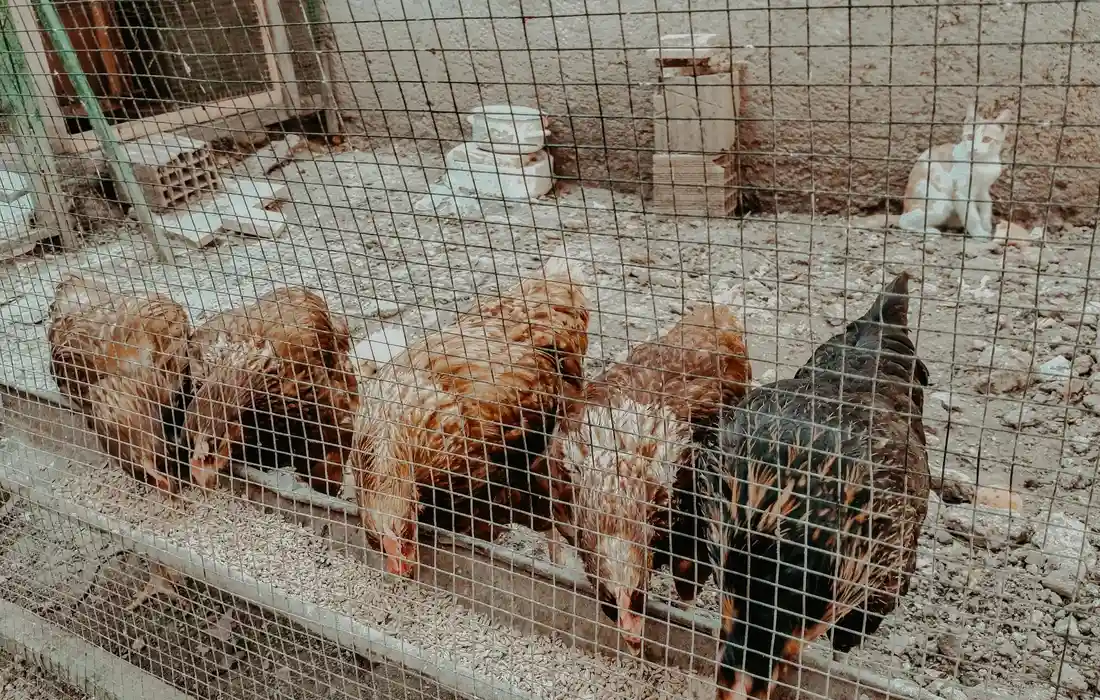
Your first line of defense is a simple, physical one. I keep all mammal pet food in sealed, latching bins-the kind raccoons can’t pry open-and I feed the cats and dog inside the farmhouse. A locked lid is cheaper than a vet call, and it protects your investment in both your pets and your poultry. For trash, I use a sturdy can with a tight-fitting, weighted lid, because chickens will scratch through bags for scraps in a heartbeat.
- Feed Pets Indoors: Make it a rule. No outdoor feeding stations for dogs or cats if free-range chickens are about.
- Invest in Armored Containers: Use galvanized steel or heavy-duty plastic bins with secure latches for all stored feed and pet food.
- Compost with Care: Bury kitchen scraps deep in a covered compost bin far from the coop. Unsecured scraps attract chickens and worse-vermin that bring their own diseases.
- Regular Patrols: Walk your barns and outbuildings each evening. Look for spilled kibble or unsecured trash that curious beaks might find by morning.
Superior Snacks: What to Feed Instead
Chickens thrive on variety, but their treats should complement their 16-18% layer ration, not contradict it. I keep a “snack sack” in the barn filled with healthy options. Good snacks mimic their natural foraging diet, providing entertainment and nutrition without the gut-wrenching shock of carnivore food. You can grow or source most of these for pennies, embodying the thriftiness good stewardship requires.
- Grains & Seeds: Scratch grains (cracked corn, wheat, barley) are fine in moderation, especially in winter. Black oil sunflower seeds are a favorite and offer healthy fats.
- Green Goods: Kale, chopped lettuce, and zucchini are packed with vitamins. I grow an extra row in the garden just for the birds.
- Protein Powerhouses: For a boost, offer dried soldier fly larvae or mealworms (around 50% protein). A handful per bird weekly supports feathering and egg production naturally.
- Garden Clean-Up: Tomato ends, cucumber peels, and chopped pumpkin make excellent, cost-free treats. Avoid avocado skins and pits, though, as they can be toxic.
If an Accidental Feeding Occurs
If you catch your flock pilfering the dog’s bowl, don’t panic-but act swiftly. First, shoo the birds away and remove the contamination source immediately. Your immediate goal is to dilute the rich food and support their digestion through the crisis. I’ve had to follow these steps more than once, and they’ve saved me from loss.
- Clear the Deck: Get every bird away from the pet food. Secure the area to prevent a second helping.
- Hydrate, Hydrate, Hydrate: Provide plenty of fresh, clean water. Adding a splash of apple cider vinegar (1 tablespoon per gallon) can help support gut health.
- Return to Basics: Withhold treats and rich snacks for a full 48 hours. Offer only their balanced layer feed and water to let their systems settle.
- Watch Like a Hawk: Monitor for lethargy, pale combs, diarrhea, or isolation. If a bird shows severe signs, isolate her in a quiet, safe crate with water and plain feed.
- Know When to Call: If a bird goes off her feet or stops drinking, it’s time to consult your veterinarian. Have a fecal test done to check for imbalances caused by the dietary shock.
Stewardship means being prepared for mishaps. Keeping a poultry first-aid kit with electrolytes and a isolation crate at the ready turns a potential tragedy into a manageable lesson. Remember, a well-fed flock on a proper diet is your best defense against their own curious appetites.
Closing Questions on Specific Cat Food Products
Is cat food with “chicken and turkey” any safer for my chickens than other flavors?
No, it is not safer. The combination of poultry proteins still results in a diet that is excessively high in crude protein and fat for an omnivorous chicken, placing the same strain on their kidneys and liver. The fundamental formulation is for a carnivore, not a bird. Even when feeding chicken or turkey meat, it should be done with caution.
What about “chicken and rice” cat food? Isn’t that gentler?
While the rice may seem like a filler chickens would eat, the core of the food remains a dangerous, high-protein meat concentrate unsuitable for poultry. The inclusion of a grain does not balance the predatory nutrient profile or remove other risky additives like excessive salt or onion powder.
My cat eats a “chicken meal” formula. How is that different from “chicken,” and is one worse for chickens?
“Chicken” often means flesh with water, while “chicken meal” is rendered, dried tissue. Both are highly concentrated animal proteins designed for cats. For chickens, both are equally problematic as they provide protein in a form and quantity their digestive systems are not designed to process regularly.
I see cat food with “chicken and pumpkin.” Doesn’t the pumpkin make it a healthier treat?
The small amount of pumpkin does not negate the dangers of the primary ingredients. The cat food is still nutritionally incomplete and imbalanced for a chicken, with protein and mineral levels that can directly lead to metabolic disorders and organ damage over time. Even pumpkin itself isn’t always safe for chickens.
My cat has a chicken allergy, so its food uses alternative proteins. Is that cat food okay for the flock?
No. Cat foods with novel proteins like duck, salmon, or lamb are still formulated to feline nutritional standards. They contain the same dangerously high levels of protein and fat, and likely contain the same harmful preservatives or flavor enhancers that are toxic to chickens. That same caution extends to chickens and their diets. Knowing which foods are safe for chickens and which are toxic helps prevent harm to flocks.
What should I know about “chicken” in other products, like cat litter?
Some biodegradable litters are made from reclaimed chicken feed or other poultry by-products. You must prevent your chickens from accessing this litter, as it can harbor molds (mycotoxins), bacteria, and clumping agents that are dangerous if ingested, leading to crop impaction or toxicity. Chickens may also peck at spoiled food scraps, which can carry pathogens and toxins. Rotten meat scraps pose a risk of bacterial contamination and toxin exposure.
Shutting the Gate
When all’s said and done, your best defense is a good routine and a sharp eye. Keep your chicken feed in its own dedicated, critter-proof bin and serve it from a proper poultry feeder. The simplest rule in my coop is this: what’s bought for the hens goes only to the hens, and everything else stays on the other side of the run. It’s a small act of stewardship that pays off in vibrant health and steady eggs.
I reckon we’ve covered the fence lines on this one. It’s my sincere hope this talk helps your flock steer clear of trouble and keeps your homestead humming right along. There’s a deep peace that comes from watching your animals thrive on good, clean management. So here’s a neighborly wave from my farm to yours-may your pastures be green, your waterers clean, and your days filled with the simple, good work of tending your own.
Further Reading & Sources
- Savage Pet Recalls Savage Cat Food Chicken – Large and Small Boxes Because of Possible Bird Flu Health Risk | FDA
- FDA Notifies Pet Owners That Tests Show H5N1 Contamination in Certain Lots of RAWR Raw Cat Food Chicken Eats | FDA
- Can Cats Eat Chicken? | PetMD
Caroline Mae Turner is a lifelong farm girl raised on red clay, early mornings, and the sounds of a bustling barnyard. With hands-on experience caring for everything from stubborn goats to gentle dairy cows and mischievous pigs, Caroline shares practical, tried-and-true advice straight from the farm. Her goal is to help folks keep their animals healthy, well-fed, and living their best barnyard life. Whether you're wrangling chickens or bottle-feeding a baby goat, Caroline brings a warm Southern touch and plenty of real-world know-how to every bucket in the barn.
Special Needs