
Rabbit-Proofing Your Garden: How to Keep Iris Plants Safe and Thriving
Published on: July 30, 2026 | Last Updated: July 30, 2026
Written By: Caroline Mae Turner
Howdy y’all. To stop rabbits from eating your irises, you need a simple, physical fence made of 1-inch wire mesh that’s buried at least 6 inches deep. I’ve stood in my own garden, heart sinking as I found those elegant blooms chewed to the ground, and I know the aggravation it brings.
- What you’ll need:
- 1-inch gauge wire mesh, 36 inches tall
- Steel U-posts or wooden stakes
- He-duty wire cutters and fencing staples
- Leather work gloves
Let’s get this fence built right, so you can secure your flowers and get back to tending the rest of your land.
The Straight Talk on Iris and Animal Toxicity
Now, let’s have a neighborly chat about why that beautiful patch of irises by the fence line needs a second look from any animal keeper. I’ve admired their blooms for decades, but I treat them with the same cautious respect I give my fencing tools-useful in its place, but trouble if mishandled.
What Makes the Iris a Problem Plant?
The entire iris plant, from its showy flower down to its thick, underground stem, contains irritating compounds called pentacyclic terpenoids. The greatest concentration of these toxins is found in the fleshy rhizome, the very part curious rabbits or rooting pigs might dig up and sample. I once lost a prized bantam hen who pecked at a freshly turned rhizome I’d left on the garden edge; it was a hard lesson in swift cleanup, as it reminded me that not all poisonous plants are avoided by chickens.
These compounds aren’t like a fast-acting poison; they’re severe irritants. Think of it like this: if a critter chews on iris, it’s like putting a chemical sandpaper right on their delicate digestive tract. This irritation leads to inflammation, excessive salivation, and a whole lot of misery for the animal, starting from the mouth all the way through the gut. The leaves and stems can cause issues, but that underground storage organ is the real hazard in my experience, especially when it comes to safety concerns for goats.
Spotting Trouble: Symptoms of Iris Poisoning
Time is of the essence when an animal gets into something they shouldn’t. Knowing these signs can mean the difference between a quick recovery and a dire situation. I’ve seen my share of belly aches in the barnyard, and iris poisoning has a particular set of warnings.
The symptoms typically show up pretty quickly, often within a few hours of ingestion. You need to watch for a specific combination of signals.
- Excessive Drooling or Foaming at the Mouth: This is often the first and most obvious sign. The oral irritation makes it impossible for them to swallow saliva normally.
- Loss of Appetite and Lethargy: An animal that turns down treats or grain and seems unusually dull is sending a major red flag.
- Gastrointestinal Upset: This includes vomiting (in animals that can, like pigs) and significant diarrhea, which may contain blood.
- Abdominal Pain or Bloating: You might see a hunched posture, frequent looking at their flank, or audible groaning.
For larger livestock like cows or goats, the sheer volume they’d need to eat is higher, but a bored youngster or a hungry animal on overgrazed pasture might still take a dangerous bite. With any suspected plant poisoning, your immediate action should be to separate the animal from the source, provide fresh water, and call your veterinarian without delay. Do not wait to see if it “passes.” Bring a sample of the plant you suspect with you to the vet. Being aware of which plants are safe for cows and which are toxic helps prevent these incidents. A safe toxic plant guide for cattle can be a quick reference during pasture checks and feed planning.
| Animal | Primary Risk | Key Symptom to Watch |
|---|---|---|
| Rabbits | High (They will nibble ornamental plants) | Sudden lethargy and refusal of favorite greens |
| Chickens & Waterfowl | Moderate (Pecking at dug-up rhizomes) | Excessive head-shaking and drooling |
| Pigs | High (Rooting behavior exposes rhizomes) | Vomiting and abdominal discomfort |
| Goats & Cows | Lower (But a risk for curious juveniles) | Profuse salivation and bloating |
Fortifying Your Flower Beds: Practical Rabbit-Proofing

Now, let’s roll up our sleeves and get to the real work of protecting those precious irises. I reckon good defense is built in layers, just like putting on a coat before a frost.
Fencing That Actually Works
Chicken wire around a flower bed might look the part, but a determined rabbit sees it as a minor inconvenience. Their sharp teeth can make quick work of thin wire. For a barrier that endures, you need hardware cloth with a ½-inch or 1-inch mesh-those babies can’t get their noses or teeth through it. It’s the same rugged stuff I use to predator-proof my chicken coops.
Height and depth are your best friends here. Sink that fencing at least 6 inches into the ground in a shallow “L” shape facing outward to foil diggers. Above ground, aim for a height of 24 to 36 inches; a rabbit can jump, but they’d rather not if there’s easier food elsewhere. I’ve used simple wooden stakes or even repurposed T-posts from the pasture to hold it all up sturdy and true.
Cages, Cloches, and Clever Covers
For smaller plantings or prized specimen irises, sometimes a full fortress isn’t practical. That’s where temporary covers shine. A simple cloche made from wire mesh can protect a single emerging fan, letting it grow while keeping teeth at bay. I’ve bent old tomato cages into domes with great success.
Get creative with what you have on hand. That leftover piece of welded wire from the hog pen? Fashion it into a rectangle cover. Those clear plastic storage bins with holes drilled for ventilation? Instant mini-greenhouses. The goal is to create a physical barrier that doesn’t smother the plant but makes dinner an impossible chore for Peter Cottontail.
Beyond the Fence: Deterrents and Distractions
Fences are splendid, but a holistic homesteader knows to work with nature’s habits, not just against them. Sometimes the best defense is a good… diversion.
The Power of a Well-Placed Distraction
Rabbits are opportunistic feeders. If you offer them something they prefer over your irises, and place it strategically, they’ll often take the easy meal. Planting a sacrificial border of clover, tender lettuce, or even a patch of wheatgrass on the perimeter of your garden can pull rabbits away from your flowers. I call this the “salad bar” strategy.
Think about their travel routes from hedgerows to your beds. A well-timed planting of something tasty can intercept them. This isn’t a perfect solution during peak hunger, but it takes pressure off. Companion planting with strongly-scented herbs like oregano, thyme, or sage around your iris bed can also create a sensory barrier they find unappealing. It’s about making your garden less of a target through smart, gentle persuasion.
Protecting Your Pantry Patch: Garden Food Crops Too
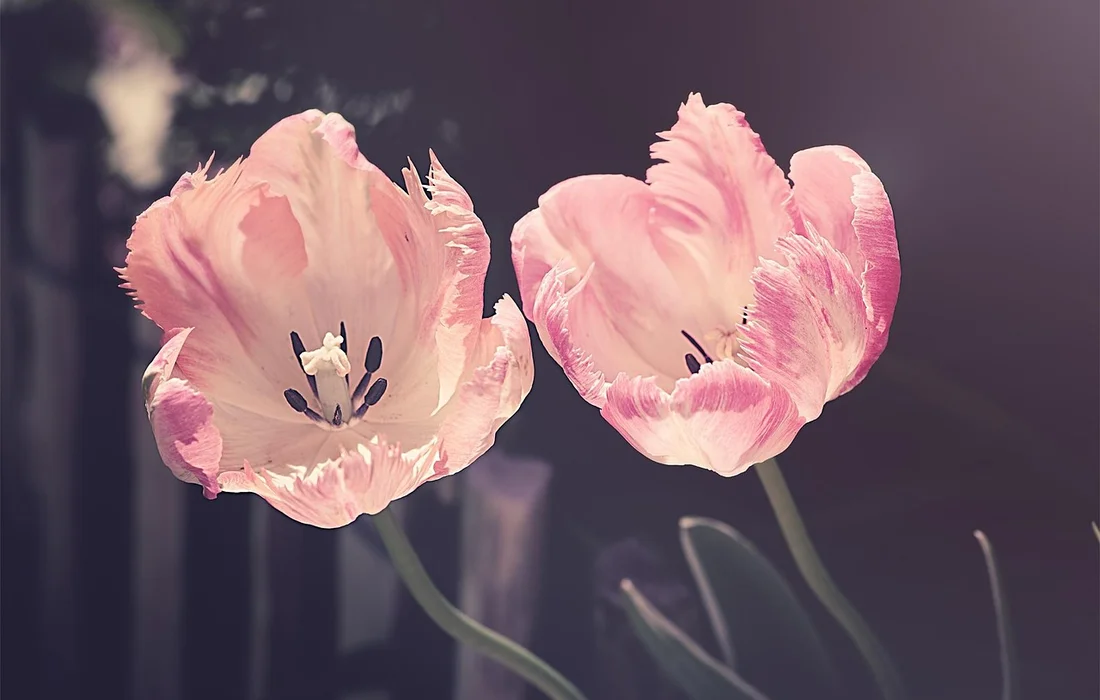
Now, while our decorative irises pose a real threat, your vegetable garden is a whole different kind of temptation. Rabbits view your neatly planted rows as an all-you-can-eat salad bar. Protecting your food supply requires a shift from simple deterrents to a stout, physical defense. I’ve lost more than my share of young bean tops and beet greens to learn that lesson.
What’s On The Menu (For Them)
Rabbits have refined tastes and will target tender, young plants first. Here’s what they’ll head for in your patch, unlike rabbit-proof flowers and plants that they usually avoid.
- Lettuces, Spinach, and all manner of leafy greens
- Beans, Peas, and their succulent shoots
- Broccoli, Kale, and other brassica leaves
- Carrot and Beet tops (though they may dig for the root)
- Herbs like Parsley and Cilantro
The Homesteader’s Defense Plan
You can’t watch the garden every minute, so your infrastructure must work for you. I rely on a two-pronged approach: permanent fortifications for staple crops and movable ones for rotating plots.
A simple frame of 2x4s and welded wire with 1-inch mesh has never failed me for my core summer crops. Build panels you can secure together and anchor to the ground. For young seedlings, I pop a homemade cloche-just wire hoops covered with bird netting-right over the row until they get established and less tasty.
Fencing That Does Double-Duty
On a budget, think about your entire animal ecosystem. The 2-foot tall poultry netting I use to temporarily pen my meat birds? It makes a perfect, movable rabbit barrier for a new garden bed. Repurposing materials across your homestead is the heart of thrifty, effective management. Just bury the bottom edge a good 6 inches outward to stop the diggers.
| Crop Type | Recommended Protection | Homestead Tip |
|---|---|---|
| Leafy Greens & Herbs | Full enclosure with 1″ mesh wire | Plant extra for you and the chickens; they’ll enjoy safe trimmings. |
| Root Vegetables | Buried wire border or raised bed with hardware cloth bottom | Lining raised beds with cloth stops rabbits and burrowing voles. |
| Tall Plants (Tomatoes, Peppers) | Individual wire cages or well-anchored perimeter fence | Circle cages with sharp, prickly holly cuttings as a natural deterrent. |
Living in Harmony: Integrating Protections on a Working Homestead
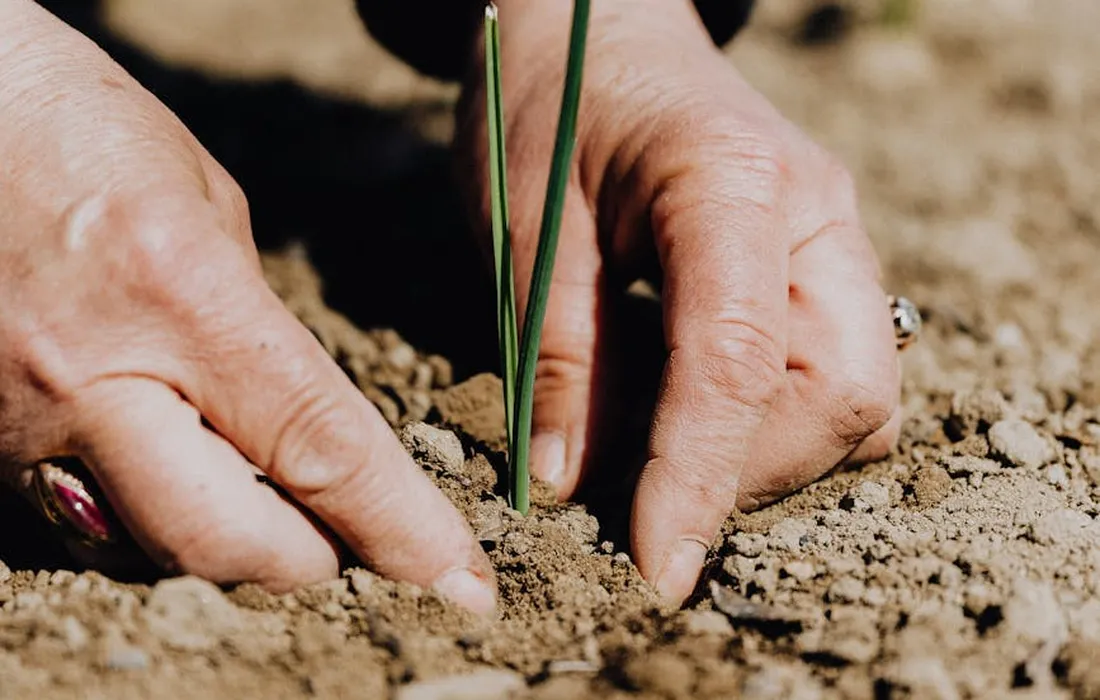
A homestead isn’t a museum; it’s a living, breathing system. Your rabbit-proofing strategy shouldn’t create more work or wall off your land. The goal is a seamless integration where protections support multiple farm functions. It’s about working smarter, not harder, so you have more time for the evening milking.
Zone Your Plantings With Purpose
I plan my garden layout like I plan my barnyard. Keep ornamentals like irises and other toxic plants (think daffodils, lilies) well away from forage zones and food crop areas. Plant your rabbit-resistant herbs-things like rosemary, thyme, and lavender-as a fragrant border around your vegetable garden. It’s a pretty line of first defense that you can also harvest for your own kitchen.
Let Your Livestock Work With You
My geese are feathered watchdogs, and their loud alarm at any intruder is a fantastic early-warning system. A well-managed flock of chickens in a movable run ahead of planting can scratch up and eat many insect larvae and weed seeds. Strategic grazing with poultry before you plant cleans the ground and can disturb rabbit hideouts. After harvest, let them back in to clean up leftover produce and pests. However, it’s important to manage their behavior to prevent any damage caused by their foraging.
The Ultimate Multi-Use Barrier
Consider investing in sturdy, permanent fencing that serves several animals. A 4-foot tall welded wire fence with smaller mesh at the bottom can outline a garden while also serving as a secure perimeter for a poultry yard or a holding area for goats. One well-built fence that manages rabbits, contains poultry, and defines a space is worth three flimsy ones. Sink your posts deep and use sturdy gates-this is a decades-long investment in your homestead’s order.
Remember, your aim is a productive, peaceful coexistence. By building robust, multi-purpose systems, you protect your food, your flowers, and the well-being of all your critters at once. It’s the kind of thoughtful stewardship that makes a homestead not just survive, but truly thrive.
Closing Tips for a Safe & Thriving Homestead
Are iris plants toxic to rabbits?
Yes, iris plants are toxic to rabbits. All parts of the plant contain irritating compounds that can cause significant gastrointestinal distress if ingested. This ties into the broader question of what plants are safe or unsafe for rabbits to eat and which foods are appropriate for them. Knowing which items are safe helps prevent accidental ingestion of harmful plants.
What parts of the iris plant are poisonous?
The entire plant is toxic, but the fleshy underground rhizome contains the highest concentration of irritants. This is a particular risk if animals like pigs are rooting or if chickens peck at recently disturbed soil.
How can I protect my iris plants from rabbits?
Beyond the primary fencing method, use sturdy individual cages or cloches for prized specimens. Integrating strongly-scented companion herbs like thyme or sage around the bed can also create a natural deterrent.
What are the symptoms of iris poisoning in rabbits?
Symptoms include excessive drooling, sudden lethargy, loss of appetite, and gastrointestinal upset like diarrhea. If you observe these signs, immediately separate the animal and contact your veterinarian.
Are there rabbit-resistant plants I can grow with irises?
Yes, consider planting a border of rabbit-resistant, strongly-scented herbs like lavender, rosemary, or oregano around your iris bed. This can help make the entire area less appealing as a feeding ground.
How should I manage iris plants near my other livestock?
Zone your plantings to keep irises and other toxic ornamentals well away from areas where poultry, pigs, or grazing animals forage. Always clean up any dug-up rhizomes or trimmings immediately to prevent accidental ingestion, especially in areas where chickens and other animals may roam.
Shutting the Gate
Your main job, after all this planning and fencing, is just to watch. Watch your rabbits’ habits and their health like you watch the weather rolling in over the back forty. A bunny that’s nibbled something it shouldn’t will often tell on itself with a sudden lack of appetite, unusual quietness, or changes in its droppings, so make checking for these signs part of your daily barnyard rhythm. Prevention builds the fence, but your attentive eye is what truly keeps the flock safe.
I reckon the whole dance between a fruitful garden and contented critters is what makes this life so rich. May your irises bloom boldly, your rabbits binky in secure runs, and your heart find satisfaction in the gentle balance of it all. Happy homesteading, neighbor.
Further Reading & Sources
- Irises:Rabbits and Iris
- 17 Plants I Now Know Rabbits Won’t Eat, After Years of Trial and Error
- Iris vs Rabbits | TheEasyGarden – Easy, Fun, & Fulfilling Gardening
Caroline Mae Turner is a lifelong farm girl raised on red clay, early mornings, and the sounds of a bustling barnyard. With hands-on experience caring for everything from stubborn goats to gentle dairy cows and mischievous pigs, Caroline shares practical, tried-and-true advice straight from the farm. Her goal is to help folks keep their animals healthy, well-fed, and living their best barnyard life. Whether you're wrangling chickens or bottle-feeding a baby goat, Caroline brings a warm Southern touch and plenty of real-world know-how to every bucket in the barn.
Pasture Management