Can Rabbits Eat Onions? The Straight Answer for a Healthy Hutch
Published on: September 25, 2026 | Last Updated: September 25, 2026
Written By: Caroline Mae Turner
Howdy y’all. No, rabbits cannot eat any type of onion-not the bulb, not the spring greens, not the wild ones growing in your yard-as all parts of the plant are toxic to them. If you’re like me, you’ve probably stood in the garden with a handful of trimmings, wondering what’s safe to toss over the fence to your waiting critters.
- A clear list of safe garden greens for treats
- A minute to check your garden beds for wild alliums
- That frugal mindset to not waste, but repurpose, those onion tops elsewhere
Let’s get this sorted right quick so you can get back to the rest of your chores with peace of mind.
The Short and Bitter Truth About Rabbits and Onions
Let me settle this for you plain as day. No, you should never feed any part of an onion plant to your rabbit, not a sliver, not a bite, not a sniff. This isn’t one of those “in moderation” debates we have with other scraps.
- My answer is direct and born from hard experience: rabbits cannot safely eat any part of any onion, period.
- This rule covers every single type. The white, yellow, or red bulb from your kitchen, the green spring onions or scallions with their tempting tops, and every wild onion or garlic you might find poking up in your pasture. If it’s in the allium family, it’s off the menu.
- The core danger is a condition called hemolytic anemia. The compounds in onions wreck a rabbit’s red blood cells, and they can’t make new ones fast enough to keep up. For a creature with such a delicate digestive and metabolic system, the result is a slow, weakening sickness that can turn deadly before you even notice the signs.
Why a Tiny Bite Causes Big Trouble: Allium Toxicity Explained
You might reckon a little piece won’t hurt, but with onions and rabbits, the dose makes the poison, and the poison is mighty potent. The villains here are organosulfur compounds, things like n-propyl disulfide, that give alliums their signature punch. They’re wonderful for our stews but catastrophic for bunny biology. That naturally leads to the broader question: do rabbits eat alliums, lamium helenium? Which plants are genuinely rabbit-resistant?
- These plant toxins are absorbed from the gut and start circulating. In simple terms, they cause oxidative damage, which is like causing rust on the inside. They specifically attack the rabbit’s red blood cells, making those vital cells rupture and die far before their time.
- This destruction leads to hemolytic anemia. The rabbit’s body becomes starved for oxygen because it hasn’t got enough healthy red blood cells to carry it. They grow weak, lethargic, and pale. You might see them breathing faster, trying to compensate. It’s a quiet crisis.
- Now, here’s something I’ve observed across the barnyard: sensitivity varies wildly. My chickens will scratch up and peck at wild onion bulbs with little more than a strong taste to their eggs later. Pigs and cows have a higher tolerance, though I still keep large amounts away from them. But rabbits? They’re at the far, delicate end of that scale. What a goat might shrug off can hospitalize a rabbit, thanks to their uniquely sensitive cecum and rapid metabolism.
A Closer Look at the Allium Family: What’s All Off-Limits
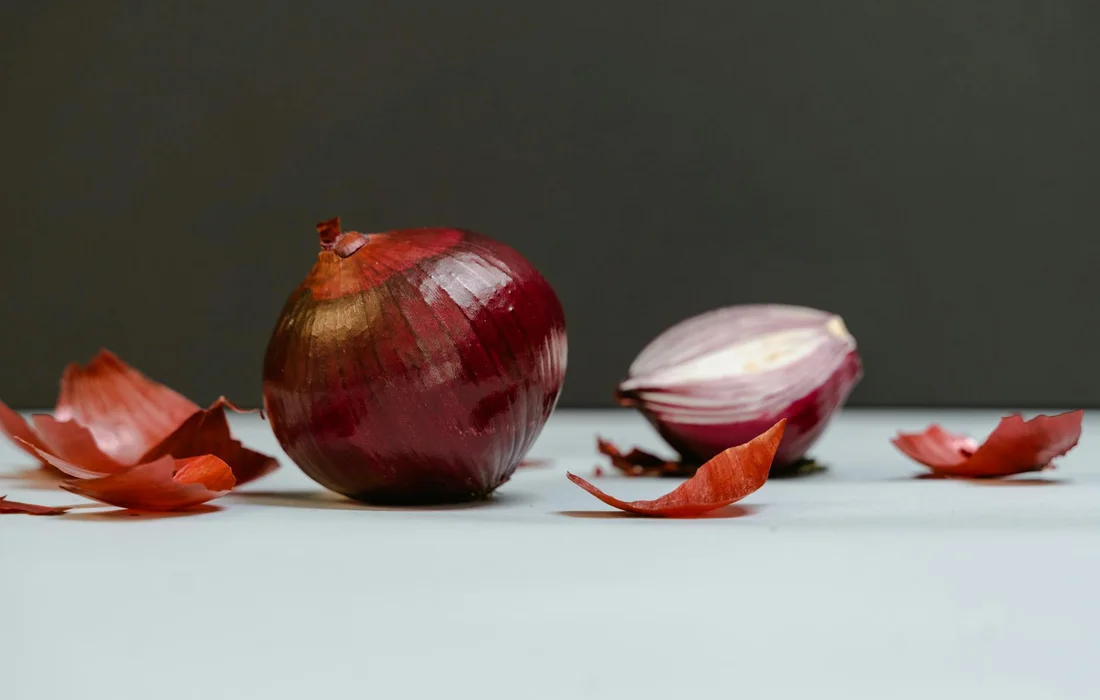
When we’re talking about what’s safe for your rabbits, the entire allium clan is strictly forbidden. I learned this lesson early on when a neighbor’s bunny got into some garden trimmings, and it was a sobering reminder that common plants can be hidden dangers. Let’s break down the usual suspects so y’all can keep your critters safe and well-informed about safe and unsafe plants for rabbits.
Spring Onions, Green Onions, and Scallions
Don’t let their mild flavor fool you-these are just as toxic as a full-sized onion. From the crisp white bulb right up to the green stalk, every single part of these plants can cause harm to your rabbit. I keep a dedicated compost bin far from the rabbitry just for this reason, especially when tossing out other toxic vegetables.
- Clarify that the entire plant is toxic, from white bulb to green stalk. There’s no safe part to offer as a treat, not even the leafy tops.
- Note the common risk of these being tossed into rabbit piles from kitchen scraps. I reckon this is the most frequent way bunnies encounter them, so be vigilant when disposing of vegetable ends.
Wild Onions and Garlic (Ramps, Field Garlic)
These wild varieties can sneak into your pasture or garden beds, especially in early spring. Knowing how to spot them is a key part of responsible pasture management for any homesteader with free-ranging animals. I’ve spent many an afternoon weeding them out from the edges of our vegetable plot.
- Identify common wild varieties that might sprout in pastures or garden beds. Look for thin, hollow leaves and a distinct onion or garlic smell when crushed. Ramps have broad, smooth leaves, while field garlic has rounded, grass-like stems.
- Offer tips for identifying these plants to prevent accidental foraging. Teach yourself to recognize that pungent scent. A good rule is to mow or pull any unfamiliar, smelly greens in areas your rabbits access.
Kitchen Garden Relatives: Leeks, Chives, and Shallots
Your culinary herbs and veggies can pose a threat if they’re within hop’s reach. I plant my alliums in a raised bed on the opposite side of the garden from the rabbit tractors, creating a simple but effective barrier. It’s a thrifty and sustainable way to enjoy your harvest without risk.
- List these common garden alliums as equally dangerous. Chives, with their pretty purple flowers, leeks, and shallots all contain the same toxic compounds.
- Advise on planting them away from areas rabbits can access. Use physical barriers like fencing or plant them in containers on a patio. It’s a small step for peace of mind.
Spotting Trouble: Symptoms of Onion Poisoning in Your Rabbit
If you suspect your bunny has nibbled on something they shouldn’t have, time is of the essence. In all my years of husbandry, I’ve seen that acting fast makes all the difference when dealing with toxicity. Here’s what to watch for, in the order it often appears.
- List early signs: lethargy, reduced appetite, weakness. Your normally perky rabbit might seem dull, sit hunched, or show little interest in their favorite greens.
- List progressive symptoms: pale gums, rapid breathing, red or brown urine. These are serious signs of damage to the red blood cells, and they require immediate action.
- Emphasize the rapid onset and the critical need for immediate veterinary care. Do not wait to see if they improve. Call your vet straight away and be ready to describe what and how much they might have eaten.
If Accidents Happen: Steps for Onion Ingestion
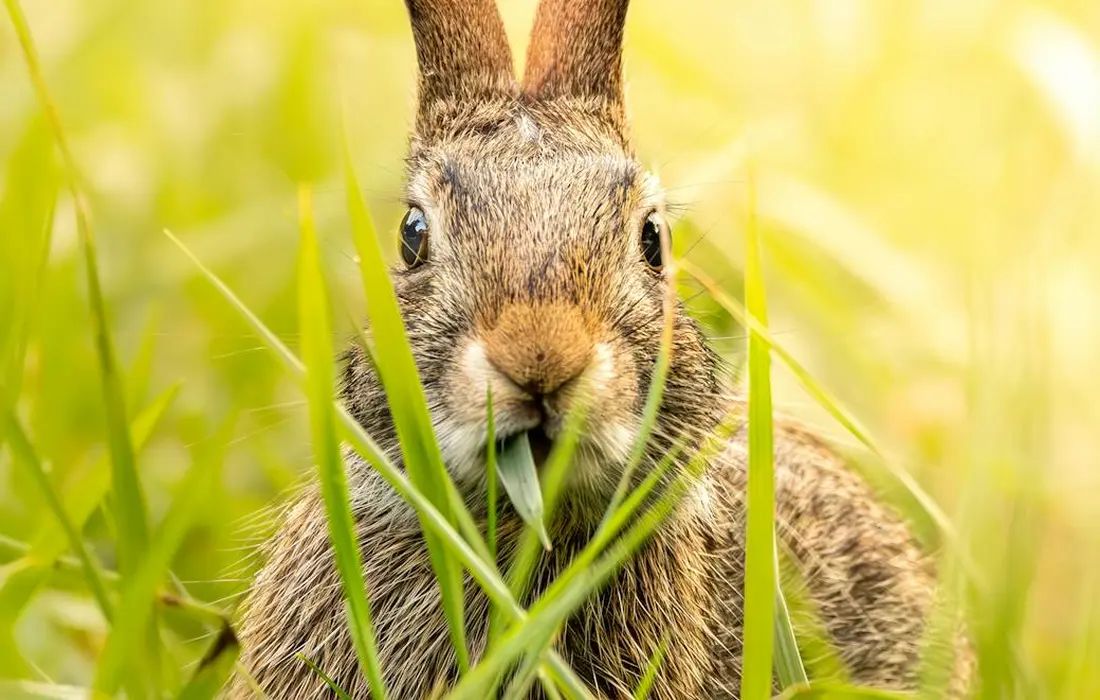
Even with the best intentions and careful fencing, a determined bunny might snatch a peel or a stray wild onion shoot. Don’t panic, but act swiftly. Time is your most critical resource when dealing with a potential toxin, and a calm, planned response makes all the difference.
-
Remove any remaining onion material immediately. Check your rabbit’s mouth and the immediate area. Secure any other onions or allium plants far out of reach to prevent a second helping. Onion exposure is especially dangerous for small pets like guinea pigs and pigs. This onion-toxicity safety guide provides precautions for these animals.
-
Do not try home remedies or induce vomiting. This isn’t a situation for charcoal or salt water. You can cause more harm than good. Rabbits cannot vomit, so attempting to induce it is dangerous and futile.
-
Contact your veterinarian or an emergency animal clinic immediately for guidance. Have their number saved. I keep mine on the barn wall and in my phone. Tell them it’s a suspected onion ingestion. They will give you specific instructions, which may include bringing the rabbit in.
-
Be prepared to describe the amount and type ingested. Was it a sliver of store-bought spring onion or several wild bulbs? An estimate, even if rough, helps the vet assess the potential dose of toxins. Note the time of ingestion if you know it.
I’ve had to make that call before for other critters, and having these facts ready shaves precious minutes off the response time. Your vet would always rather hear from you for a false alarm than find out about a preventable tragedy too late.
Plenty of Safe Bites: Healthy Alternatives to Onions
With onions firmly off the menu, let’s talk about the feast you *can* provide! A rabbit’s plate should be colorful and varied, after that foundation of unlimited grass hay. Fresh greens and veggies are for enrichment and nutrients, not the main calorie source-think of them as the daily salad bar alongside the all-you-can-eat hay buffet. Consider a simple daily vegetable portion guide to know exactly how much fresh veggies your rabbit should eat each day. It helps keep meals balanced and ensures you stay within safe limits.
Here’s a hearty list of safe and generally adored options to rotate through:
- Leafy Greens: Romaine, green/red leaf lettuce, butter lettuce, arugula, spring mix (no spinach or kale daily due to oxalates), cilantro, parsley, mint, basil, dill, carrot tops, beet greens, radish tops.
- Crunchy Vegetables: Bell peppers (any color, seeds removed), zucchini, cucumber, broccoli florets (in small amounts), celery (cut strings).
- Herbal Treats: Raspberry leaves, strawberry leaves, lemon balm, oregano-my bunnies go wild for these fresh from the garden.
A few quick feeding tips from the feed room: always introduce any new food slowly over a week to avoid digestive upset, and wash all produce thoroughly to remove pesticides or wild spores. Offer a handful of mixed greens per 2 lbs of body weight daily. The joy is in the variety! But let me be clear: no amount of wonderful veggies replaces the need for unlimited, fresh timothy or orchard grass hay, which should make up 80-90% of their diet to keep their gut and teeth in working order. It’s the cornerstone of good rabbit stewardship. If you’re considering diversifying their diet, start with a gentle, stepwise transition to new foods. We’ll outline safe methods for introducing those new foods in the next steps.
Barnyard Wisdom: Keeping Rabbits Safe in a Working Homestead
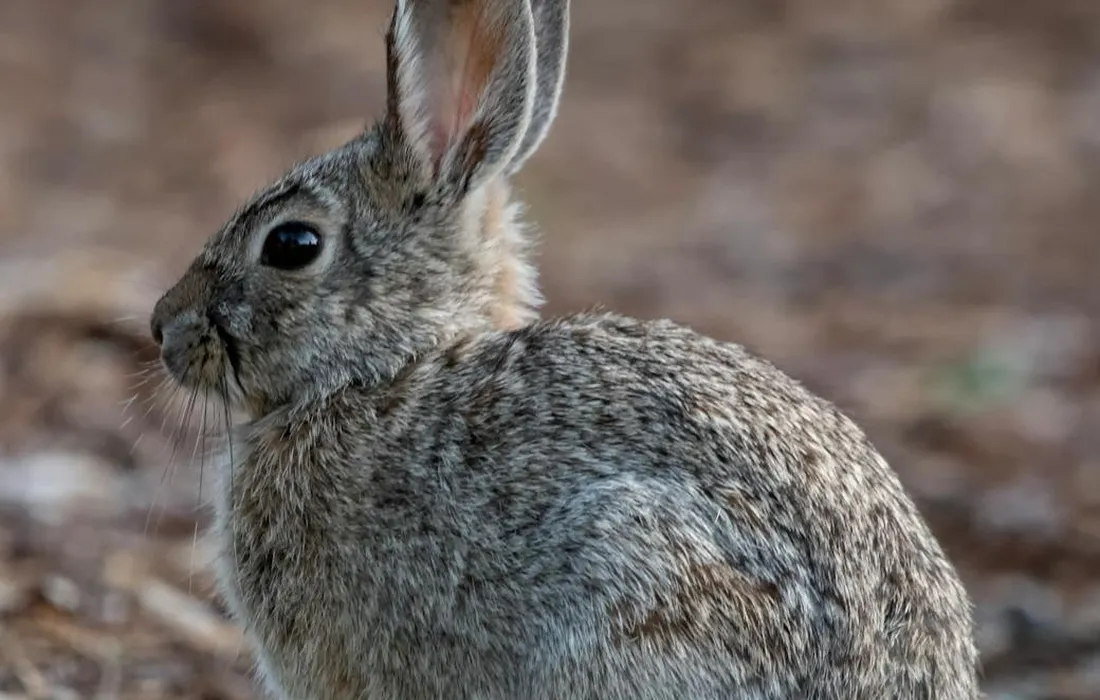
Managing Kitchen Scraps and Garden Waste
In my years on the farm, I’ve seen many a well-meaning scrap turn into trouble. Your kitchen trimmings are a resource, but for rabbits, they demand a second glance. Setting up a dedicated compost bin for alliums is a non-negotiable practice for any homestead mixing rabbits with garden bounty. I use an old galvanized can with a secure lid, parked right by the back door for onion tops, garlic papers, and shallot ends.
- Advise on setting up a separate compost bin for allium/unsafe scraps that rabbits cannot access. I reckon a latching metal bin works best, placed where your bunnies never roam, like a closed shed or garage.
- Suggest fencing around vegetable gardens containing alliums. A simple 18-inch high fence of welded wire around your onion bed keeps curious critters out without shading your plants.
That thrifty habit of tossing scraps to the animals needs a filter. One man’s trash is another rabbit’s poison, so I sort my scraps right at the counter into two buckets: one for the rabbits and one strictly for the allium compost. It becomes second nature, like checking the weather before haying.
Pasture and Foraging Considerations
Turnout time should be a joy, not a worry. Spring’s warmth coaxes up more than just grass; it brings wild onions, which look mighty tempting to a foraging bunny. I walk my pastures every few days in early spring, eyes peeled for those clumps of slender, hollow leaves that smell like a salad bowl when bruised. Spotting them early saves a heap of trouble later.
- Recommend regularly scanning pastures and paddocks for wild onion growth, especially in spring. Get in the habit of a slow stroll at dawn, pulling any suspect plants as you go. Toss them in that dedicated allium bin.
- Discuss the importance of knowing what you’re growing and what’s growing wild. Keep a trusted field guide in your tack room. If you didn’t plant it, don’t let your rabbits eat it until you’re sure of its name and nature.
My grazing rotation includes a visual check of the new paddock before the rabbits move in. Good stewardship means being a diligent student of every weed and wildflower on your piece of land. That knowledge is the best fence you’ll never have to build.
Closing Barnyard Tips
So, to be perfectly clear, rabbits cannot eat any garden onions at all?
That’s absolutely correct. No part of any cultivated onion-be it a yellow, white, or red bulb from your kitchen-is safe for rabbits. The toxic compounds that cause hemolytic anemia are present throughout the entire plant.
What about spring onions or scallions from my garden?
Spring onions and scallions are equally dangerous. Both the white bulb and the green stalk contain the same harmful organosulfur compounds, so neither should ever be fed to your rabbits or tossed where they can forage. This is especially important when considering sprouted beans or other leafy greens that are safe for rabbits.
Are the green tops of onions safe if I just give them the leafy part?
No, they are not. The green tops of any allium plant, including green onions, are toxic. There is no “safe part” of an onion plant to offer as a treat to a rabbit, even when considering the most carefully chosen treats.
My pasture has wild onions. Is that a risk for free-ranging rabbits?
Yes, it is a significant risk. Wild onions (and wild garlic) are just as toxic as cultivated varieties. You must regularly scan your pastures and paddocks in the spring and remove any wild alliums to prevent accidental ingestion.
My chickens peck at wild onions. Why are rabbits different?
Different species have vastly different tolerances. Poultry and some livestock can handle certain toxins that rabbits cannot due to their unique and sensitive digestive systems. A rabbit’s metabolism processes these poisons far more dangerously, making them exceptionally vulnerable, especially when it comes to certain grains like rice.
How should I safely dispose of onion waste on a farm with rabbits?
The safest practice is to maintain a dedicated, secure compost bin for all allium scraps (onions, garlic, leeks, etc.) that is completely inaccessible to your rabbits. Never add these scraps to a compost pile that rabbits might eventually have contact with.
Back to the Pasture
The simplest rule is the safest one: keep all alliums, from kitchen scraps to garden volunteers, completely away from your rabbits. A secure hutch and a vigilant eye during garden harvests are your best tools for preventing a tragic mistake. Stewardship means knowing what to offer and what to withhold, and with onions, the answer is always clear.
I reckon we’ve covered the fence line on this one, friends. I’m mighty thankful y’all care enough to look into it. Now go enjoy the sunshine and the quiet company of your healthy, hopping critters-that’s what this life is all about. Take care, and I’ll see you down the lane.
Further Reading & Sources
- Can Rabbits Eat Onion? A Vital Guide to Rabbit Diet Dos and Don’ts – HayDay HQ
- r/Rabbits on Reddit: My 2.5 year old rabbit could have eaten onion peels which were mixed with other vegetables. Will he be OK?
- Can Rabbits Eat Onions? Expert Answers to Your Questions
Caroline Mae Turner is a lifelong farm girl raised on red clay, early mornings, and the sounds of a bustling barnyard. With hands-on experience caring for everything from stubborn goats to gentle dairy cows and mischievous pigs, Caroline shares practical, tried-and-true advice straight from the farm. Her goal is to help folks keep their animals healthy, well-fed, and living their best barnyard life. Whether you're wrangling chickens or bottle-feeding a baby goat, Caroline brings a warm Southern touch and plenty of real-world know-how to every bucket in the barn.
Diet Requirements