Can Pigs Eat Corn? Your Complete Guide to Feeding Corn Right
Published on: April 28, 2026 | Last Updated: April 28, 2026
Written By: Caroline Mae Turner
Howdy y’all. Yes, pigs can absolutely eat corn, and it’s a fantastic, cost-effective energy source that I’ve relied on for decades-but only as part of a balanced ration. Staring at a heap of golden kernels and wondering if it’ll do more harm than good is a common homestead headache, one we’re fixing to solve.
What you’ll need:
- Quality corn, either cracked or ground for better digestion
- A reliable protein supplement like soybean meal to balance the diet
- A sturdy, tip-resistant feeder or trough
- Time for daily mixing and observation of your herd
By the time we’re done here, you’ll have a clear, manageable plan so you can confidently cross this chore off your list.
The Straight Answer on Corn for Your Swine
Yes, your pigs can absolutely eat corn. I’ve poured countless buckets of cracked corn into my hog troughs over the years. It’s a staple on most farms for good reason. Corn is a terrific source of energy for growing pigs, but you must never let it be the only thing in their feeder. Think of it like bread for us-it fills you up, but you can’t live on bread alone. Beyond corn, bread and bakery byproducts can be part of a balanced ration in moderation. The bread bakery products feeding guide covers practical tips and safety guidelines.
I reckon the confusion comes from seeing how eagerly pigs clean up every last kernel. They love it. But loving something and thriving on it are two different things. Feeding corn as a sole ration is a shortcut to poor health and slow growth, which is neither thrifty nor kind to the animal. My rule has always been to use corn as the energetic backbone of a meal, then build a balanced plate around it.
Breaking Down the Kernel: Pig Nutrition and Corn’s Role
To feed pigs right, you need to think like a pig nutritionist. Their bodies need a specific mix of energy, protein, vitamins, and minerals to build muscle, stay healthy, and taste good come harvest time. Corn slots neatly into one part of that puzzle. A comprehensive guide to pig nutrition outlines exactly what pigs eat and how to balance a diet. It helps you plan meals beyond corn to optimize energy, protein, vitamins, and minerals.
What Corn Brings to the Trough (And What It Doesn’t)
Corn is primarily an energy powerhouse. It’s packed with digestible carbohydrates that pigs turn into fuel for growth and warmth. That golden kernel is about 70% starch, making it one of the best cost-effective calories you can offer your herd. When I’m finishing hogs in the fall, I lean on corn to put on that final layer of firm fat.
But here’s where many folks get tripped up. Corn’s brilliance in one area is matched by its shortcomings in others. Let’s break it down so you can see what you’re working with.
What’s Inside the Kernel:
- High Energy: Provides roughly 3,400 kilocalories per kilogram. This is the main event.
- Moderate Fat: About 3-4% fat, which adds more energy and helps with vitamin absorption.
- Low Protein: Only 8-10% crude protein, and it’s poor-quality protein at that.
- Low Lysine: This is the critical detail. Corn is desperately short on lysine, the essential amino acid pigs must have to build muscle.
- Mineral & Vitamin Gaps: It’s low in calcium, phosphorus, and several key vitamins like riboflavin.
I learned this the hard way decades ago with a pen of barrows that just wouldn’t tighten up. They were eating plenty of corn but looked pot-bellied and rough. The problem wasn’t the amount of feed; it was a severe protein and amino acid deficit that corn alone created. We fixed it by adding a proper protein supplement, and they shaped up within weeks.
What You Must Add:
- A Protein Source: Soybean meal (44-48% protein) is the classic partner. For a grower pig, aim for a diet with 16-18% total protein. Corn can’t get you there.
- Calcium & Phosphorus: A simple mineral mix or limestone and dicalcium phosphate will balance their bones and metabolism.
- A Vitamin Pack: A swine premix ensures they get their A, D, E, and B vitamins for strong immunity and reproduction.
So, corn brings the heat, but you have to bring the building blocks. Mixing whole or cracked corn with a formulated protein supplement is the most straightforward path to a healthy, thrifty hog ration. It respects the animal’s needs and your feed budget by letting homegrown grains shine where they should.
From Cob to Kernel: Safe Preparation for Swine Feeding
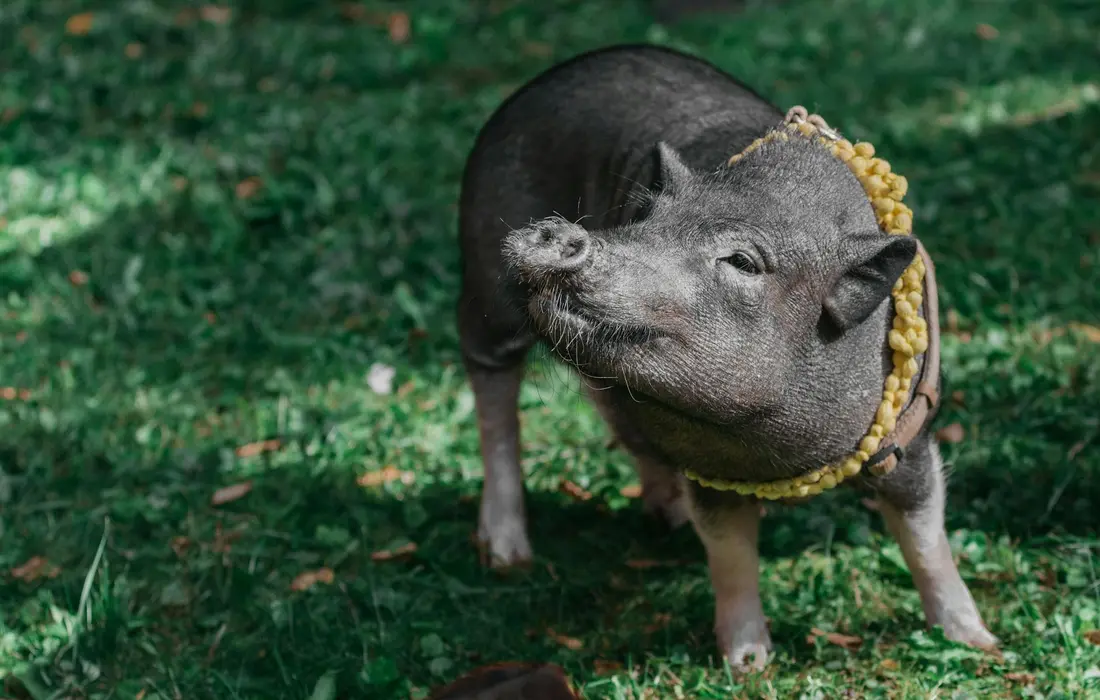
Now, let’s talk about gettin’ that corn ready for your hungry hogs. I reckon preparation is the difference between a nutritious treat and a costly bellyache. Always remember that how you serve the corn is just as important as how much you feed.
Every Part of the Plant: Cobs, Husks, and Stalks
Waste not, want not-that’s the homesteader’s creed. After shuckin’ sweet corn for our own supper, I’ve always carried the leftovers straight to the pig pen. It’s a tradition that turns scrap into savings. Using the entire corn plant is a cornerstone of thrifty, closed-loop farming.
Let’s break down the whole shebang, part by part.
The Humble Cob
That woody core is a favorite for rootin’ and chewin’, but it’s more filler than feast. Cobs are primarily crude fiber, which aids digestion, but they’re mighty low in protein and energy.
- Preparation is Key: Never toss whole, dry cobs into a pen with young or greedy pigs. They can choke tryin’ to swallow a large piece.
- My Method: After fresh eating, I let the stripped cobs dry out thoroughly. Once brittle, I run them through a grinder or hammer mill to create a coarse, fibrous mash I mix into their regular feed. It stretches my grain budget.
- Fresh from the Garden: Whole, fresh cobs straight from the stalk are a fantastic seasonal enrichment. The pigs will spend hours gnawing and playing, but I only offer these when I can supervise for a spell.
The Nutritious Husks
Don’t you dare throw those green wrappers away! Corn husks are a hidden gem. They contain more residual sugars and nutrients than the cob and are easier to digest.
- Simply peel them from the ear and toss them in fresh. My sows get first dibs on the sweet, inner husks.
- They provide excellent roughage and keep the herd occupied. I’ve seen a pile of husks entertain pigs longer than any store-bought toy.
- You can dry and store husks for winter, but their nutritional value declines. Feeding husks fresh is the best way to deliver moisture and a welcomed change of texture.
The Towering Stalks
After harvest, the field doesn’t have to be bare. Baled corn stalks, sometimes called “stover,” can be used as low-quality roughage for gestating sows or dry stock.
- Think of them like mediocre hay. They’re very high in fiber and low in protein, so they fill the belly without adding condition.
- They are perfect for sows you need to keep full and content without over-feeding during pregnancy.
- I’ve also chopped fresh stalks with a forage harvester and fed them green. The pigs will eat the leaves and pithy insides, leaving the tough outer rind. This practice turns a residue crop into a valuable, gut-filling resource right on your own land.
Measuring It Out: Daily Corn Allowance and Feeding Guidelines
Figuring out how much corn to pour into the trough is where good management separates itself from just filling a belly. It ain’t a one-scoop-fits-all affair. You’ve got to consider the pig’s job on your homestead-is it growing out for the freezer, or is it a mama raising the next generation? The ration changes with the season of life.
For Growing and Finishing Pigs
From weaning until market weight, these youngsters are building muscle and bone, and their feed needs to keep pace. I reckon on a simple rule in my barn: corn is the fuel, but it needs a crew to build the body. A straight corn diet will leave you with a fat, unhealthy pig, not a well-finished one.
A proper grower/finisher ration should run about 16% protein, with corn making up roughly 70-75% of that mix. The rest comes from a protein supplement like soybean meal, along with a good mineral pack. Here’s how I’ve measured it out for decades:
- Pigs 50-75 lbs: Offer 4 to 5 pounds of complete feed per pig, per day. Split this into two meals.
- Pigs 75-150 lbs: They’re hitting their stride. Bump them up to 5 to 7 pounds of feed daily.
- Pigs 150 lbs to finish: This is the home stretch. They’ll consume 6 to 8 pounds of that corn-based ration each day until processing.
Always provide more fresh water than you think they could possibly drink. I’ve seen a hundred-pound hog put away three gallons on a hot afternoon without blinking.
For Sows and Piglets
Mamas and babies require a gentler, more calculated touch with corn. Their nutritional demands swing wildly, and getting it wrong costs you in vet bills and poor performance.
For the gestating sow, the goal is steady maintenance, not growth. Overfeeding corn makes her too fat, which can cause farrowing troubles. During pregnancy, I limit my sows to about 4 to 6 pounds of a balanced, lower-energy gestation feed (around 14% protein) per day. She gets the nutrients she needs without the excessive corn calories.
Everything changes once those piglets arrive.
A lactating sow is a nutritional powerhouse, and her feed must reflect that triple-duty of healing, milk production, and body maintenance. I switch immediately to a high-protein lactation ration (17-18% protein) and let her eat all she wants. She might clean up 10 to 15 pounds of feed a day! This is not the time for thriftiness.
For the piglets, whole corn is a hazard. Their tiny systems aren’t ready for it.
- Start them on a high-quality, medicated creep feed the first week.
- You can begin to introduce finely cracked or rolled corn into their creep feed around 4-5 weeks old, but keep it to less than 25% of their mix.
- By weaning time at 8 weeks, they can handle a 50/50 mix of starter feed and cracked corn as you transition them to the grower ration.
The key with all pigs, but especially sows, is to feed little and often. Two or even three smaller meals beat one giant slug in the trough for digestion and preventing waste.
Risks in the Feed Bucket: Pig Health and Corn Safety

Now, I reckon corn is a fine feed, but it ain’t a perfect feed. Treating it like one is where good folks run into trouble. Thinking of corn as the whole meal instead of just the main side dish is the quickest path to a poorly pig. I’ve seen it happen when a neighbor got a great deal on a truckload of corn and tried to make it do all the work.
The Hidden Menace: Mycotoxins and Mold
This is the biggest pitfall in the feed bin, bar none. Mold grows on corn in the field or in storage, and it produces invisible poisons called mycotoxins. You can’t always see or smell them, but your pigs will feel the effects. Feeding moldy or toxin-laden corn can lead to poor growth, a weakened immune system, and in severe cases, organ damage or reproductive failure. I test any corn I didn’t grow myself, and I store my harvest bone-dry in galvanized bins.
- Source Carefully: Know your supplier. Corn for animal feed should be harvested and stored to a higher standard than industrial grade.
- Storage is Key: Keep it cool, dry, and safe from rodents. A moisture content above 15% invites mold.
- Inspect Every Scoop: Look for blue-green or gray powdery mold, clumping, or a musty smell. When in doubt, toss it out to the compost, not the trough.
The Nutritional Imbalance: It’s Not Just Corn
Corn is like giving a growing teenager a big plate of buttery noodles-it fills the belly but doesn’t build the body. It’s high in energy (carbohydrates) but low in the protein, vitamins, and minerals a pig needs for sturdy bones, lean muscle, and overall health.
Relying solely on corn creates a diet deficient in lysine and other critical amino acids, leading to stunted growth and fat, flabby pigs instead of solid, meaty ones.
For a finishing hog, your ration needs about 14-16% protein. Field corn alone sits at a measly 8-10%. You must balance it. I mix cracked corn with a protein-rich supplement like soybean meal (44% protein), and always provide a complete mineral mix free-choice. A good rule of thumb for a homemade mix is about 250 pounds of cracked corn to 50 pounds of soybean meal, plus that vital mineral access.
Digestive Discomfort and Physical Risks
A pig’s gut is hardy, but it has its limits. Feeding whole, dry corn kernels can be problematic.
Whole corn may pass right through a pig undigested, wasting your money and their nutrition, or it can pose a choking hazard, especially for younger animals. For efficient digestion, corn should be cracked, rolled, or ground. Soaking it overnight to make a soupy mash is an old-timer’s trick that aids digestion and adds hydration.
Also, a sudden feast of corn can founder a pig, much like grain does a horse. Always introduce any new feed, including a new batch of corn, slowly over a week to let their microbial gut flora adjust. Start with a 25% new to 75% old ratio and gradually shift.
Choosing Your Corn Type: A Quick Reference
| Type | Best For | Considerations |
|---|---|---|
| Cracked Corn | Most homestead setups; easier digestion. | Can spoil faster; store in a cool, dry place. |
| Whole Dent Corn | Mature sows & boars with strong teeth; pasture supplement. | Less digestible for young pigs; potential for waste. |
| Ground Corn | Complete feed mixing; highest digestibility. | Dusty; must be mixed with other feeds to prevent respiratory issues. |
| Soaked/Mashed Corn | Weaners, older pigs, or hot weather hydration boost. | Requires daily preparation; spoils quickly in heat. |
The Overheating Problem
Folks sometimes forget pigs don’t sweat. A diet too heavy in starchy corn, especially in the sweltering summer months, generates a lot of internal heat during digestion.
This “heat increment” can add to their heat stress, making them lethargic and reducing feed intake when you want them growing. In peak summer, I slightly reduce the corn in their ration and increase cooling, hydrating treats like watermelon rinds or soaked beet pulp.
Feeding corn is a balancing act of thrift, nutrition, and vigilance. The safest corn for your pig is corn you’ve sourced with care, processed appropriately, and balanced wisely within their complete diet. Do that, and you’ll turn a golden harvest into solid, healthy pork for your table.
Beyond the Kernel: Balancing Your Pig’s Full Diet
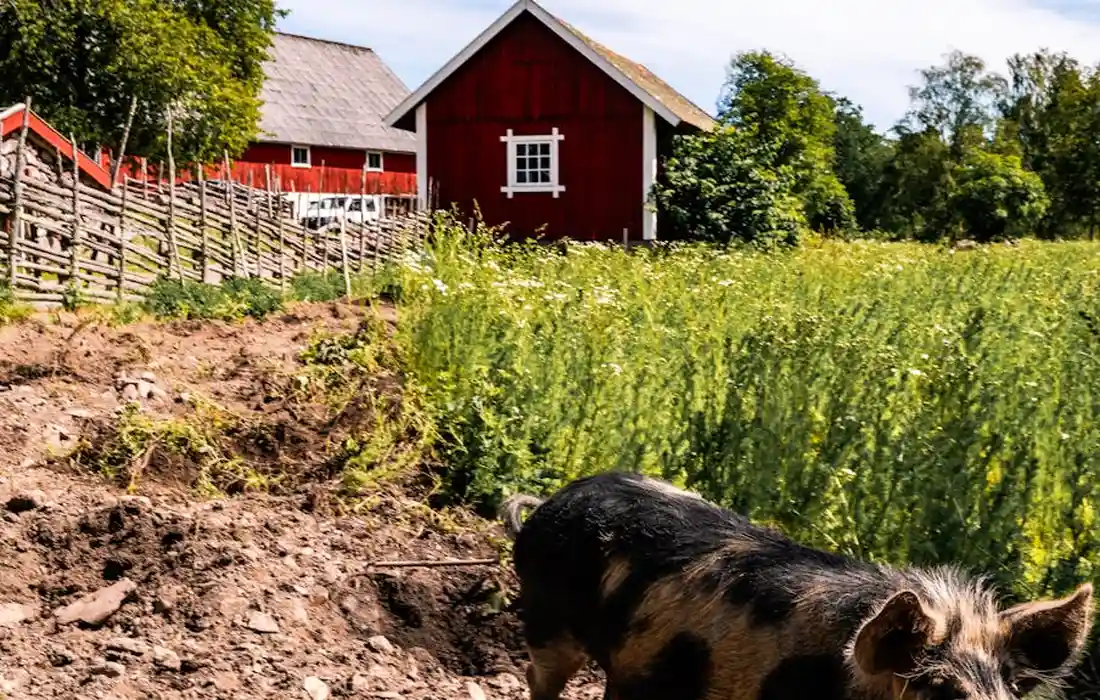
Now, let’s get this straight: corn is a fine building block, but it ain’t the whole barn. Relying solely on corn is like trying to build a house with nothing but nails-you’re missing the lumber, the roof, and the heart. I learned this lesson early on with a batch of piglets that grew slower than molasses in January, all because their dinner plate was lopsided.
The Protein Powerhouse
Corn is mighty low in protein, and a growing hog’s body craves it for building muscle and keeping everything in working order. You’ve got to pair it with a proper protein source.
Think of corn as the starchy fuel and your protein supplement as the master builder turning that fuel into solid pork.
- Soybean Meal: This is the gold standard, with a whopping 44-48% protein. I mix it right into my ground corn at home.
- Alfalfa Meal: A good option at around 17% protein, and it brings extra vitamins to the party.
- Peas or Field Peas: A fantastic homegrown alternative if you can raise them, running about 23-25% protein.
- Animal-Based Proteins: Don’t overlook skim milk, whey from cheesemaking, or even cooked eggs. My sows shine when they get leftover whey.
| Pig’s Growth Stage | Recommended Total Diet Protein % | Corn’s Contribution | What You Gotta Add |
|---|---|---|---|
| Weaner Pig (up to 40 lbs) | 18-20% | Only about 8% | A significant high-quality supplement like soybean meal. |
| Growing Pig (40-125 lbs) | 16-18% | Only about 8% | A steady, measured protein boost. |
| Finishing Pig (125 lbs to market) | 14-16% | Only about 8% | A smaller, but still crucial, protein addition. |
Minerals & Vitamins: The Secret Sauce
This is where many well-meaning folks slip up. A pig can’t thrive on corn and peas alone, no matter how pretty your mix looks.
Providing a free-choice mineral mix specifically formulated for swine is non-negotiable, like fencing in your pasture. They’ll eat what they need, when they need it.
Calcium and phosphorus are the big ones for strong bones, and the ratio matters just as much as the amount. A good swine mineral also packs salt, zinc for skin health, and selenium-something our soils here are often poor in.
Roughage and Gut Health
A pig’s digestive system needs something to work on. A handful of good hay, some pasture to root in, or even pumpkins from the garden provide necessary fiber that keeps everything moving smoothly. It also helps them feel full and content, curbing any unwanted stall-chewing habits.
- Legume hay (alfalfa, clover) offers extra protein.
- Grass hay provides clean fiber.
- Root vegetables like beets or carrots are a hydrating, fibrous treat.
The First Ingredient: Clean Water
I reckon I mention this in near every guide, but it bears repeating. Every single bite of that dry corn and protein mix needs water to be used by the pig’s body. They must have constant access to fresh, clean water. A hog drinking poorly is a hog growing poorly, every single time.
Closing Questions
Can pigs eat corn?
Yes, pigs can eat corn as a cost-effective energy source, but it should never be their sole food. Always balance it with protein supplements and minerals to support healthy growth and prevent nutritional deficiencies.
Can pigs eat corn cobs and husks?
Pigs can eat corn cobs and husks safely when prepared properly. Offer husks fresh for roughage and grind dry cobs to avoid choking hazards, using them as occasional fiber rather than a main feed. For a complete feeding guide that covers acorns and squash, this builds a broader understanding of how to diversify pig diets safely.
Can pigs eat corn cobs everyday?
Feeding corn cobs everyday is not advisable due to their low nutritional value and high fiber content. Use them sparingly as a supplement or enrichment to prevent digestive problems and ensure a balanced diet.
Can pigs eat corn on the cob?
Yes, pigs can eat fresh corn on the cob as a seasonal treat or enrichment activity. Supervise feeding to prevent choking, and limit it to occasional offerings rather than a daily staple, similar to feeding pumpkins to pigs.
Can pigs eat corn stalks?
Corn stalks can be fed to pigs, typically as roughage for gestating sows or dry stock. They are high in fiber but low in protein, so they should complement, not replace, a nutritionally complete ration.
Can pigs eat corn, oats, and barley together?
Pigs can eat a mixture of corn, oats, and barley, which provides diverse energy sources. However, this mix must still be balanced with adequate protein, vitamins, and minerals to meet all dietary needs for optimal health. Other grains, such as barley and brewers grains, can be included to diversify the diet.
Back to the Pasture
When you get right down to it, feeding corn is about seeing the whole hog. It’s a powerful tool in your homestead larder, but it’s not the entire toolbox. The golden rule from my granddaddy’s porch still holds true: corn is a supplement to a good life, not a substitute for one. Pair those kernels with quality protein, all the forage they can root up, and a constant supply of clean water, and you’re not just filling a belly—you’re raising a thriving animal. It’s the same principle regardless of whether you’re feeding hogs or cattle (especially when it comes to corn in cattle diets).
I’m mighty thankful y’all stopped by the digital fence line today. There’s a deep satisfaction in watching pigs do what pigs do best, content and well-fed. Go enjoy that view with your own herd, and if you learn a thing or two, pass it on down the line. We’re all in this good dirt together.
Further Reading & Sources
- Feeding Levels and Practices in Pigs – Management and Nutrition – Merck Veterinary Manual
- The Complete Pig Feeding Guide: From Wean to Finish
- Feeding Pigs Whole Grains
Caroline Mae Turner is a lifelong farm girl raised on red clay, early mornings, and the sounds of a bustling barnyard. With hands-on experience caring for everything from stubborn goats to gentle dairy cows and mischievous pigs, Caroline shares practical, tried-and-true advice straight from the farm. Her goal is to help folks keep their animals healthy, well-fed, and living their best barnyard life. Whether you're wrangling chickens or bottle-feeding a baby goat, Caroline brings a warm Southern touch and plenty of real-world know-how to every bucket in the barn.
Feeding Guidelines